
🌱 How to Make Your RollPros Blackbird Production Line ♻️ Eco-Friendly

Sustainability is no longer a “nice to have” — it’s a brand advantage. 🌍✨ If you run automated production, you already care about consistency, speed, and output. But here’s the secret: you can also optimize for eco-friendliness without sacrificing performance. The key is choosing smarter consumables, reducing waste at the source, and building repeatable SOPs that keep your line clean, efficient, and greener.
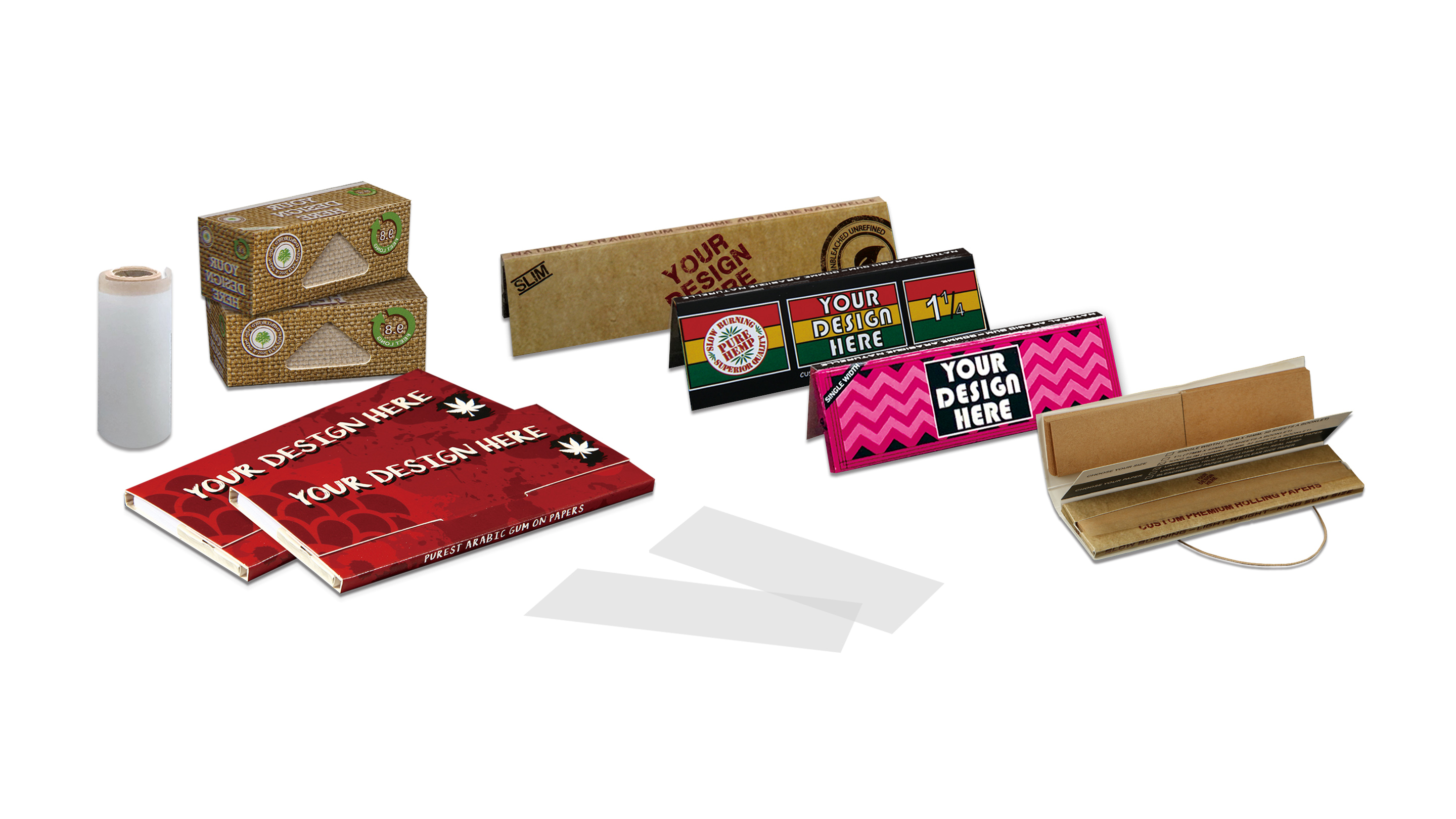
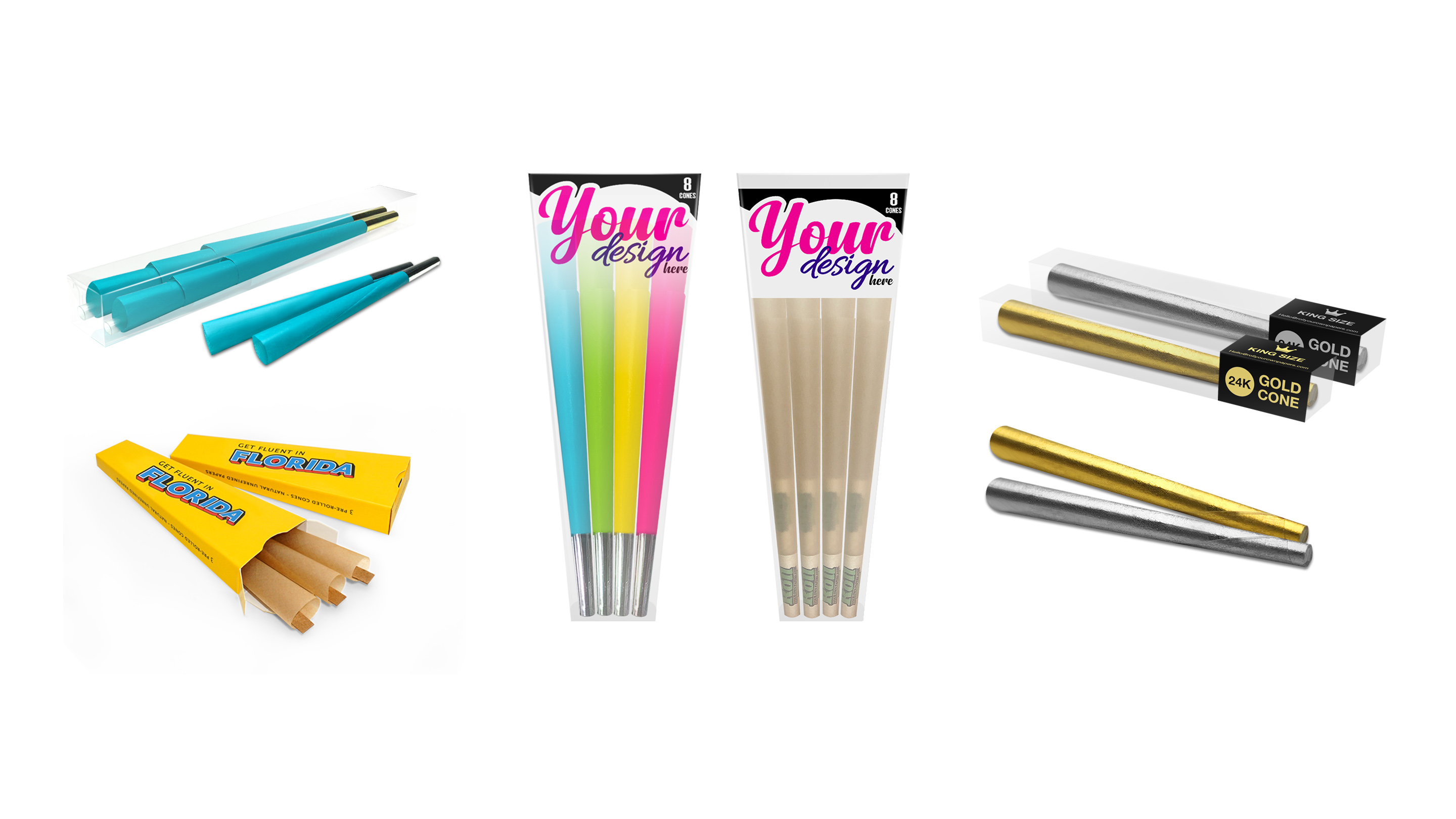
In this guide, we’ll walk through practical, real-world ways to improve your environmental footprint while keeping your production smooth — especially if you’re using RollPros-style automation and sourcing Automated Pre-Roll Joint Rolling Machine Consumables (RollPros™ Blackbird Compatible), Custom Rolling Paper Bobbins, Custom Filter Tips, and Custom Glass Tips. ♻️✅
If you want a single place to explore compatible consumables, start here: Automated Pre-Roll Joint Rolling Machine Consumables (RollPros™ Blackbird Compatible)

📌 Table of Contents
- Why Eco-Friendly Production Matters (Even in Automation) 🌿
- The 5 Biggest Waste Hotspots in Automated Lines ♻️
- How Custom Rolling Paper Bobbins Can Reduce Waste 📦
- Smarter Inputs: Custom Filter Tips that Cut Scrap ✂️
- Premium Efficiency: Custom Glass Tips & Repeatable Quality 💎
- Eco Packaging That Still Looks Premium 🎁
- Storage, Humidity, and Material Handling = Less Waste 🌡️
- Green QC: Reduce Rejects with Better Checks ✅
- Low-Waste Cleaning & Maintenance Routines 🧼
- Sourcing & Vendor Standards for Sustainable Ops 🤝
- Eco SOPs: How to Train Your Team for Consistency 👷
- Metrics That Matter: Track Eco Gains Like a Pro 📊
- FAQ: Eco-Friendly Production Questions Answered ❓
Why Eco-Friendly Production Matters (Even in Automation) 🌿
If you’re running an automated line, you’re already thinking in systems — inputs, throughput, rejects, and uptime. Eco-friendly production is the same mindset, just with a wider lens. 🌍 When you reduce waste, you’re not only being greener — you’re reducing costs, lowering downtime, and improving consistency.
Here’s what “eco-friendly” actually looks like in a modern RollPros-style production environment:
- ♻️ Less scrap paper from better roll alignment and better bobbin quality
- ✅ Fewer rejects due to consistent tip sizing and stable materials
- 📦 Smarter packaging choices and reduced overpacking
- 🧼 Maintenance routines that reduce chemical use and extend part life
- 📊 Tracking waste like a KPI — because what gets measured gets improved
The best part? Most improvements don’t require expensive equipment changes. They come from choosing the right Automated Pre-Roll Joint Rolling Machine Consumables (RollPros™ Blackbird Compatible) and tightening your process.
The 5 Biggest Waste Hotspots in Automated Lines ♻️
Before you “go green,” you need to know where waste actually happens. In most automated operations, waste shows up in five areas:
- Paper waste (tears, misfeeds, improper tension, humidity problems)
- Tip waste (inconsistent sizing, crushed or bent tips, wrong stiffness)
- Rejects (underfilled/overfilled, loose packing, seam issues)
- Cleaning and downtime (overuse of chemicals, too-frequent deep cleans)
- Packaging waste (unnecessary layers, non-recyclable components)
The rest of this blog focuses on the biggest leverage point: your consumables. When your inputs are consistent, your waste drops — fast. 🚀
How Custom Rolling Paper Bobbins Can Reduce Waste 📦
Let’s start with the big one: paper. If paper performance isn’t stable, your line suffers — not just from scrap, but from speed reductions and extra operator intervention. High-quality Custom Rolling Paper Bobbins can help you reduce waste in three major ways:
1) Better Winding = Fewer Misfeeds 🧵
If a bobbin is poorly wound (uneven edges, inconsistent tension, telescoping), you’ll get paper tracking issues, tearing, and seam inconsistencies. That means scrap — and often, repeated stop/start cycles. A well-made Custom Rolling Paper Bobbins setup reduces misfeeds because the roll behaves predictably across the full diameter.
2) Consistent Paper Width = Stable Output 📏
Many “mystery” rejects come from tiny width variations. Even small differences can affect sealing, overlap, and the feel of the final output. When your Custom Rolling Paper Bobbins are manufactured to tighter specs, you get fewer quality issues — and fewer rejected units.
3) Proper Moisture Handling = Less Tear + Less Dust 🌡️
Paper that’s too dry becomes brittle. Paper that’s too damp can drag, wrinkle, or shift. Both scenarios create waste. The most eco-friendly paper is the paper you don’t have to throw away — and moisture stability is a big part of that.
Eco Tip: Set a “Bobbin Acceptance Checklist” ✅
Build a quick intake checklist for each shipment of Custom Rolling Paper Bobbins. Examples:
- 🧾 Lot labels and traceability recorded
- 📏 Width checked with a simple caliper spot-check
- 🧵 Edge condition inspected (no fraying or telescoping)
- 🌡️ Stored away from heat, sun, and moisture swings
This small habit prevents large waste later.
Smarter Inputs: Custom Filter Tips that Cut Scrap ✂️
Tips don’t just affect the “feel” — they affect speed, jam rate, and reject rate. If tips arrive crushed, inconsistent, or too soft/stiff, your line will show it immediately. Using Custom Filter Tips that match your target output reduces scrap and helps you keep settings consistent.
Choose Tip Specs that Match Your Process 🧩
There’s no “one perfect tip” for everyone — but there is a perfect tip for your line settings. Consider:
- 📐 Diameter and length consistency (reduces mechanical inconsistency)
- 🧱 Stiffness (prevents collapse and helps maintain shape)
- 🧻 Material choice (paper vs specialty materials depending on your brand goals)
- 📦 Packaging method (tips protected from crush damage during shipping)
Eco Tip: Reduce Tip Waste with Better Handling 📦
A lot of tip waste happens after delivery — during storage and loading. Make sure:
- ✅ Tips are stored in crush-resistant bins
- 🌡️ Storage area is stable (no extreme humidity changes)
- 🧤 Operators use clean, dry hands/gloves to reduce contamination
- 🔁 Opened cartons are resealed to prevent dust buildup
When you reduce bent/crushed tips, you reduce jams. When you reduce jams, you reduce rejects. That’s eco-friendly by design. ♻️
Premium Efficiency: Custom Glass Tips & Repeatable Quality 💎
Want a premium output that also supports sustainability? Custom Glass Tips can be a strong option in certain product lines because they help create a consistent, high-end experience — and can reduce variability.
Why Glass Tips Can Support “Less Waste” Thinking ♻️
- 💎 Consistent shape and structure (reduces deformation-related rejects)
- ✅ Premium positioning can justify slower, more careful packaging (less rushed waste)
- 📉 Lower defect variability if sourced with strong QC
- ✨ Brand differentiation can reduce the need for excessive outer packaging “to look premium”
Eco Tip: Set a Simple Incoming QC for Custom Glass Tips 🔍
Glass is premium, but it still needs QC. Spot check:
- 🔎 Chips/cracks
- 📏 Length/diameter consistency
- 🧼 Cleanliness and finish
- 📦 Protective packaging performance (breakage rate per shipment)
Eco Packaging That Still Looks Premium 🎁
Your production line may run clean, but packaging can erase eco progress fast if it’s overbuilt. The eco-friendly goal isn’t “cheap packaging” — it’s smart packaging: enough protection to prevent damage (and rework waste), without unnecessary materials.
Best Practices for Greener Packaging ✅
- ♻️ Choose recyclable materials where possible
- 📦 Right-size shipping cartons to reduce void fill
- 🧻 Replace plastic fill with paper-based alternatives where practical
- 🏷️ Use clean labeling that’s easy to sort and recycle
- 🔁 Reuse inner cartons for internal storage on the floor
If you offer compatible consumables, you can also ship them in consolidated cartons to reduce total packaging per unit — a win for cost and the planet. 🌍
Storage, Humidity, and Material Handling = Less Waste 🌡️
One of the easiest eco wins is preventing “silent waste” — materials that degrade before they’re used. Your consumables are only as good as your storage practices.
Store Custom Rolling Paper Bobbins Like a Pro 🧠
- 🌡️ Keep temperature stable — avoid heat near windows or machines
- 💧 Avoid big humidity swings (use dehumidifiers if needed)
- 📦 Keep rolls elevated (avoid floor moisture)
- 🧼 Keep the storage area dust-free
Store Custom Filter Tips & Custom Glass Tips Safely 📦
- ✅ Use crush-resistant bins or shelving
- 🧯 Keep away from vibration-heavy zones
- 📌 Label lots clearly (first-in-first-out reduces aging waste)
- 🔒 Protect glass tips from impact and stacking pressure
Green QC: Reduce Rejects with Better Checks ✅
The most sustainable unit is the unit you don’t have to remake. Rejects are expensive, slow, and wasteful. A “green QC” mindset means catching issues early — before they become bins of scrap.
Quick Daily QC Checks (10 Minutes) ⏱️
- 📏 Check seam alignment and overlap consistency
- ⚖️ Spot check fill weights across a sample batch
- 🧩 Verify tip placement and stability
- 🧻 Inspect paper tracking and tension
- 🧼 Check dust buildup zones (small dust = future jams)
Eco Tip: Track Reject Reasons 📋
Don’t just track “reject count.” Track why rejects happen:
- 🧻 Paper tear
- 🧵 Misfeed
- ✂️ Tip deformation
- ⚖️ Fill variance
- 🔧 Mechanical drift
When you can tie reject spikes to specific lots of Custom Rolling Paper Bobbins or batches of Custom Filter Tips, you can fix the root cause quickly.
Low-Waste Cleaning & Maintenance Routines 🧼
Over-cleaning can create waste (chemicals, wipes, downtime), while under-cleaning causes jams, rejects, and longer repairs. The sweet spot is a repeatable routine with the lightest effective approach. ✅
Simple “Eco Maintenance” Habits 🌿
- 🧹 Dry clean first (brush/vacuum) before using liquids
- 🧻 Use reusable cloths when possible (and launder responsibly)
- 🎯 Spot clean targeted areas instead of full teardown daily
- 🗓️ Schedule deeper maintenance weekly/monthly for consistency
Consistent maintenance improves uptime and lowers reject rates — meaning less material thrown away. ♻️
Sourcing & Vendor Standards for Sustainable Ops 🤝
Eco-friendly production doesn’t end at your facility door. Vendor choices matter — especially for Automated Pre-Roll Joint Rolling Machine Consumables (RollPros™ Blackbird Compatible).
What to Ask Your Vendor ✅
- 📌 Can you provide consistent specs and QC documentation?
- 🔁 Can you maintain lot consistency over time?
- 📦 Can you reduce packaging without increasing damage risk?
- 🌿 Do you offer eco-friendlier material options when requested?
- 📊 Can you support traceability if an issue arises?
Strong vendor partnerships reduce surprises. Fewer surprises = fewer rejects = more sustainable output. 🌍
Eco SOPs: How to Train Your Team for Consistency 👷
Automation doesn’t eliminate human impact — it concentrates it. A small operator habit can create huge waste over a week. Write SOPs that make “green behavior” the default:
Eco-Friendly SOP Elements ✅
- 🧾 Intake checks for each shipment of Custom Rolling Paper Bobbins
- 📦 Proper storage rules for tips and paper
- 🧤 Handling rules to reduce contamination
- ⚙️ Changeover checklists to reduce trial-and-error scrap
- 📋 Reject logging with reason codes
When your line runs the same way every day, waste drops naturally. ♻️
Metrics That Matter: Track Eco Gains Like a Pro 📊
You can’t improve what you don’t measure. Track these metrics weekly:
- 📉 Scrap rate (paper waste per roll / per shift)
- 🚫 Reject percentage (and top 3 reasons)
- ⏱️ Downtime minutes per shift (and cause)
- 📦 Packaging usage per order (cartons, fill, tape)
- 🔁 Rework rate (how many units needed correction)
Then set a simple goal like: “Reduce rejects by 15% in 30 days by improving bobbin intake checks and tip handling.” 🎯
🔥 Ready to Make Your Production Line Greener?
Want smoother runs, fewer rejects, and eco-friendly output that customers actually love? 🌍✨ Start with high-quality compatible consumables — it’s the fastest way to reduce waste without slowing down.
- ✔️ Consistent Custom Rolling Paper Bobbins to reduce misfeeds
- ✔️ Reliable Custom Filter Tips for fewer jams and rejects
- ✔️ Premium Custom Glass Tips for high-end, repeatable results
- ✔️ Bulk options + consolidated shipping to reduce packaging waste
📦 Bulk orders available | 🚚 Fast, free delivery | 🌱 Eco-friendly packaging
FAQ: Eco-Friendly Production Questions Answered ❓
1) What’s the fastest way to make a RollPros-style line more eco-friendly?
Reduce rejects and scrap first. Start with consistent Custom Rolling Paper Bobbins, stable Custom Filter Tips, and good storage practices. Less waste = more eco-friendly instantly. ♻️
2) Do higher-quality Custom Rolling Paper Bobbins really reduce waste?
Yes — better winding, consistent width, and stable handling reduce misfeeds and tears, which directly reduces scrap. 📉
3) How do Custom Filter Tips impact sustainability?
Tips that are consistent and protected from crush damage reduce jams and reject rates. That means fewer wasted inputs and less downtime. ✅
4) Are Custom Glass Tips considered eco-friendly?
They can be, depending on your product strategy. They often support premium consistency and reduce variability-related rejects. The main “eco win” is fewer failures and less rework. 💎♻️
5) What’s the most common cause of “mystery rejects”?
It’s usually one of three things: paper humidity issues, tip inconsistency, or small mechanical drift. Tracking reject reasons helps you pinpoint it quickly. 📋
6) How can I reduce packaging waste without increasing damage?
Right-size cartons, consolidate shipments, and use protective packaging only where necessary (especially for Custom Glass Tips). “Less but smarter” is the goal. 📦
7) Should I create an intake process for consumables?
Absolutely. A simple checklist for Custom Rolling Paper Bobbins and tips catches problems before they become production waste. ✅
8) What metrics should I track weekly?
Scrap rate, reject percentage (with reasons), downtime minutes, and packaging usage per order. These show eco progress clearly. 📊
9) How do I train operators for greener production?
Build SOPs that standardize loading, storage, changeovers, and reject logging. Make the “green way” the easiest way. 👷🌿
10) Where can I find compatible consumables in one place?
Explore this collection: Automated Pre-Roll Joint Rolling Machine Consumables (RollPros™ Blackbird Compatible) ✅




Leave a comment