
⚠️ Avoiding Compliance Fines ✅ How to Label & Track Pre-Rolls Made With the Blackbird

Operating a high-volume automated pre-roll machine like the RollPros™ Blackbird brings incredible efficiency—producing up to 900 pre-rolls per hour with precision and consistency. But with that speed comes a critical responsibility: maintaining flawless compliance with ever-evolving cannabis regulations. 📋 A single labeling mistake, track-and-trace error, or packaging oversight can trigger fines ranging from $500 to $50,000+ per violation, not to mention potential license suspensions or product recalls that can shut down your entire operation. 🚨
The cannabis industry saw over $10.8 million in compliance fines in 2024 alone, with nearly half stemming from track-and-trace errors and labeling violations. For operators running automated equipment at scale, understanding compliance isn't optional—it's the difference between profitability and regulatory disaster. This comprehensive guide walks you through everything you need to know about labeling, tracking, and documenting pre-rolls made with the Blackbird to keep your operation compliant, efficient, and penalty-free. 💚
📑 Table of Contents
- Understanding State-by-State Labeling Requirements 🏷️
- Mastering Track-and-Trace Systems for Automated Production 📊
- Common Compliance Violations & How to Avoid Them 🚫
- Child-Resistant Packaging & Safety Standards 🔒
- Essential Documentation & Record-Keeping 📝
- Integrating Compliance with Blackbird Operations ⚙️
- Why Quality Consumables Matter for Compliance ✨
- Daily Compliance Protocols & Best Practices ✅
- Conclusion: Compliance as Competitive Advantage 🏆
Understanding State-by-State Labeling Requirements 🏷️
Cannabis pre-roll labeling requirements vary dramatically between states, creating a complex patchwork of regulations that automated operators must navigate. The most critical distinction lies in how THC potency must be displayed: California, Colorado, and Illinois require percentages, while Massachusetts mandates milligrams, and Michigan requires both formats simultaneously. 📐
Every state requires universal cannabis symbols, but specifications differ considerably. California and Colorado both mandate minimum dimensions of 0.5" × 0.5" for their symbols, while Michigan uses a distinctive green inverted triangle with "Marihuana Product" text (using the state's historical spelling). These symbols must appear on the primary panel and cannot be obscured by other design elements or packaging seams. 🔺
Critical Label Elements Across All Major Markets 📋
Despite state variations, certain elements appear universally and must be present on every pre-roll package:
- Licensee Information: Company name, license number, phone number, and physical address
- Batch or Lot Numbers: Must match track-and-trace records exactly (no handwritten changes)
- Net Weight: Metric and/or U.S. customary units depending on state requirements
- Cannabinoid Content: THC, CBD, and any compound exceeding 5% concentration
- Testing Information: Laboratory name, license number, and compliance testing date
- Packaging Date: Or manufacture date (some states require both)
- Health Warnings: Covering impairment, pregnancy risks, age restrictions
- Universal Symbol: State-specific cannabis warning symbol
Government warning statements represent another area of significant variation. California requires the most comprehensive single warning, explicitly referencing Schedule I classification and covering pregnancy/breastfeeding risks, impairment warnings, and age restrictions. Colorado uniquely requires a "regulatory oversight" disclaimer stating that products were produced without federal regulatory oversight for health, safety, or efficacy. Michigan stands alone in requiring the National Poison Control Center number (1-800-222-1222) on all cannabis labels. ☎️
Font size minimums vary, with Colorado and Massachusetts specifying 1/16 inch minimum while California simply requires "legible" text. Recent regulatory updates include Colorado's mandatory use-by dates for all inhaled products (effective January 2024), defaulting to 9 months if no shelf-stability testing is conducted. 📅
Mastering Track-and-Trace Systems for Automated Production 📊
Metrc now dominates the cannabis tracking landscape with contracts in 24+ states, including California, Colorado, Massachusetts, and Michigan. For high-volume Automated Pre-Roll Joint Rolling Machine Consumables (RollPros™ Blackbird Compatible) operations, understanding Metrc's requirements is absolutely critical. 🎯
For pre-roll manufacturers, Metrc distinguishes between non-infused pre-rolls (plain cannabis in rolling paper with optional filter) and infused pre-rolls (containing extracts, kief, or concentrates). This classification matters significantly: non-infused pre-rolls can often be created by producers, wholesalers, or retailers, while infused pre-rolls typically require a licensed processor endorsement. 🌿
Creating Production Batches in Metrc 🏭
Creating pre-rolls from bulk flower requires establishing a Production Batch in the system. This process involves:
- Select Source Package: Choose the flower package(s) from inventory
- Create New Batch: Generate unique batch identification in Metrc
- Assign Package Tags: Apply fresh 24-digit UID RFID tags to each package
- Enter Quantities: Record unit counts and individual weights
- Document Waste: Account for trim, stems, and production loss
- Adjust Source Packages: Properly discontinue or adjust original flower packages
For non-infused pre-rolls, manufacturers must enter two weight values: total net weight (including paper and filter) and usable cannabis weight (excluding non-cannabis materials). This distinction is crucial for tax calculations and inventory accuracy. When you're using high-quality Custom Rolling Paper Bobbins and Custom Filter Tips designed for automated equipment, maintaining consistent weights becomes significantly easier. 📏
Real-Time Data Entry Prevents Costly Discrepancies ⏱️
The most critical compliance factor for high-volume operations is data entry timing. While some states technically allow end-of-day reporting, industry best practice calls for real-time data capture integrated directly with production equipment. Inventory reconciliation must occur at minimum every 14 days in most Metrc states, with physical counts matching system records. 🔄
Multi-pack tracking follows specific protocols: each multi-pack receives a single package tag (not individual tags per unit inside), with net weight representing the total weight of all pre-rolls in the package. Tags cost $0.25 each for packages, cannot be reused, and become financial overhead that operators must budget for in production planning. When running the RollPros™ Blackbird at 900 units per hour, tag management and application becomes a significant operational consideration. 💰
Waste documentation carries strict timing requirements—same-day recording in Oklahoma, while most states allow a 3-day window. Waste must be retained under camera coverage before disposal and rendered unrecognizable before leaving the premises. This includes imperfect pre-rolls, trim from rolling, and any cannabis that doesn't meet quality standards. 🗑️
Common Compliance Violations & How to Avoid Them 🚫
Michigan issued 928 violations in 2024—37% of all U.S. cannabis violations—resulting in $3.7 million in collected fines. California's enforcement was similarly aggressive, with 366 disciplinary actions, 230 license suspensions, 73 license revocations, 481 product embargoes, and 63 product recalls. These numbers underscore that enforcement is intensifying, not relaxing. 📈
The Flavor Galaxy Recall: A Critical Compliance Lesson 🚨
The Flavor Galaxy LLC recall in Michigan (May 2024) illustrates a critical compliance trap for automated operations: 1,098 infused pre-rolls were recalled because products were tested as raw flower before adding distillate and terpenes, not in their final form. This single violation pattern—testing at the wrong production stage—can destroy entire production batches worth tens of thousands of dollars. 💸
Fine Structures Escalate with Severity 💵
| State | Common Fine Range | Notable Penalties |
|---|---|---|
| California | Up to $17,000 per violation | $10,000 per non-compliant package tag |
| Colorado | Up to $75,000 + suspension | 90-day suspension for manifest failures |
| Michigan | $500-$50,000 per violation | $212,000 fine for inventory discrepancies |
| Massachusetts | Up to $350,000+ | $300,000 for testing lab failures |
Track-and-trace violations carry particularly steep penalties:
- ❌ Creating packages without proper source tags: $5,000
- ❌ Weight variances exceeding 5%: $10,000
- ❌ Missing waste documentation: $2,500 per incident
- ❌ Delayed receipt confirmations: $500 daily
- ❌ Inventory accuracy outside threshold: $10,000+ per audit
California requires inventory accuracy within $5,000 or 2% of average monthly sales—every package tag outside threshold after 14 days triggers a compliance violation. For automated operations producing thousands of units daily, this means your inventory management systems must be absolutely bulletproof. 🛡️
Child-Resistant Packaging & Safety Standards 🔒
ASTM D3475-20 establishes the classification standard for child-resistant packaging, defining 90+ package types, while 16 CFR 1700.20 sets the CPSC testing protocol. Packages undergo testing with groups of up to 200 children under age five, with 80% required to be unable to open within a reasonable time while remaining functional for adult users. 👶
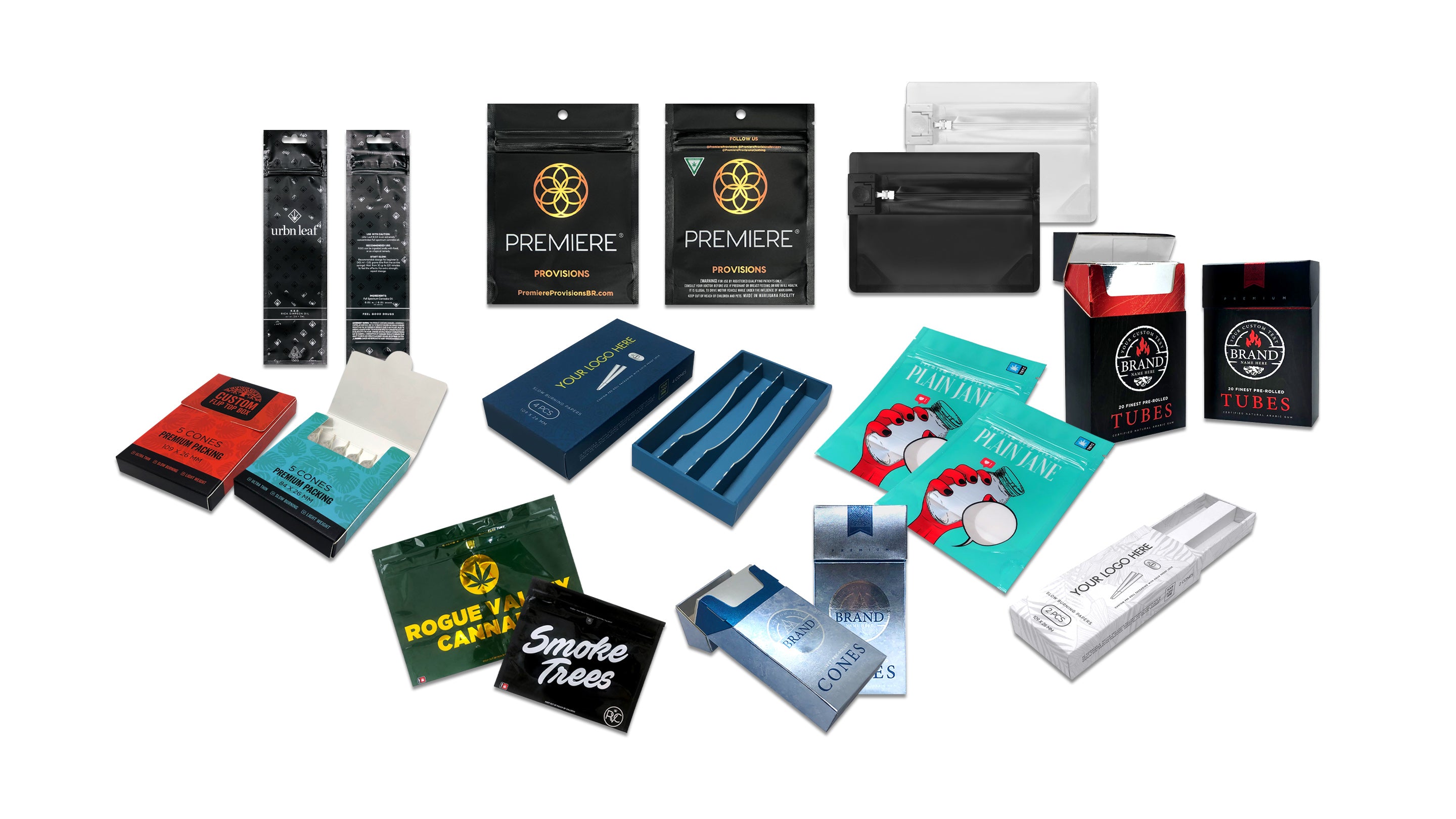
Single-use child-resistant packaging (acceptable for individual pre-rolls) loses CR properties after opening and must be labeled: "This package is not child-resistant after opening." Multi-serving products require lifetime child-resistant packaging that maintains protective properties through repeated use. This distinction is critical when selecting packaging for your Blackbird-produced pre-rolls. 📦
Opaque vs. Transparent Packaging Requirements 🔍
Opaque packaging requirements exist in Alaska, Colorado, Florida, Hawaii, Maryland, Massachusetts, Michigan, Missouri, Montana, New Hampshire, New Mexico, Oklahoma, Oregon, Pennsylvania, South Dakota, and West Virginia. California specifically requires opaque packaging for edibles but allows clear packaging for flower and pre-rolls if product integrity is maintained. 🌟
Design Restrictions Prohibit Child-Appeal Elements 🎨
States broadly prohibit packaging featuring:
- 🚫 Cartoon characters or mascots
- 🚫 Imitation of commercial candy or food products
- 🚫 Human, animal, or fruit depictions
- 🚫 Bright colors exceeding 60% saturation (New York)
- 🚫 Words like "candy" or "candies"
Tamper-evident features must provide visible evidence of tampering through induction seals, glue seals, shrink bands, breakaway closures, or perforated seals. Re-sealing or relabeling failed batches is strictly prohibited and can result in criminal charges—this applies equally to automated and manual operations. ⚠️
🔥 Ready to Upgrade Your Pre-Roll Operation?
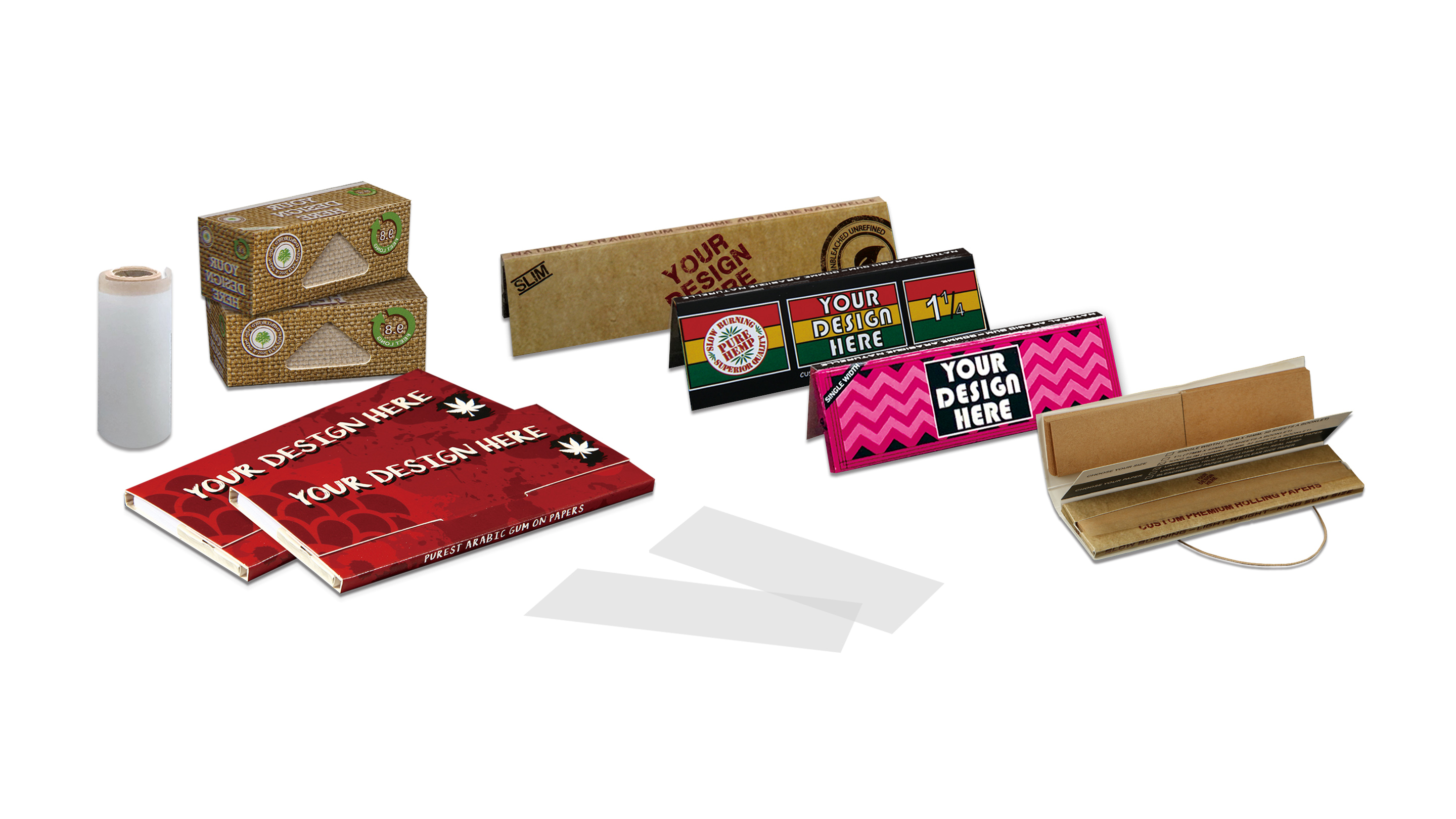
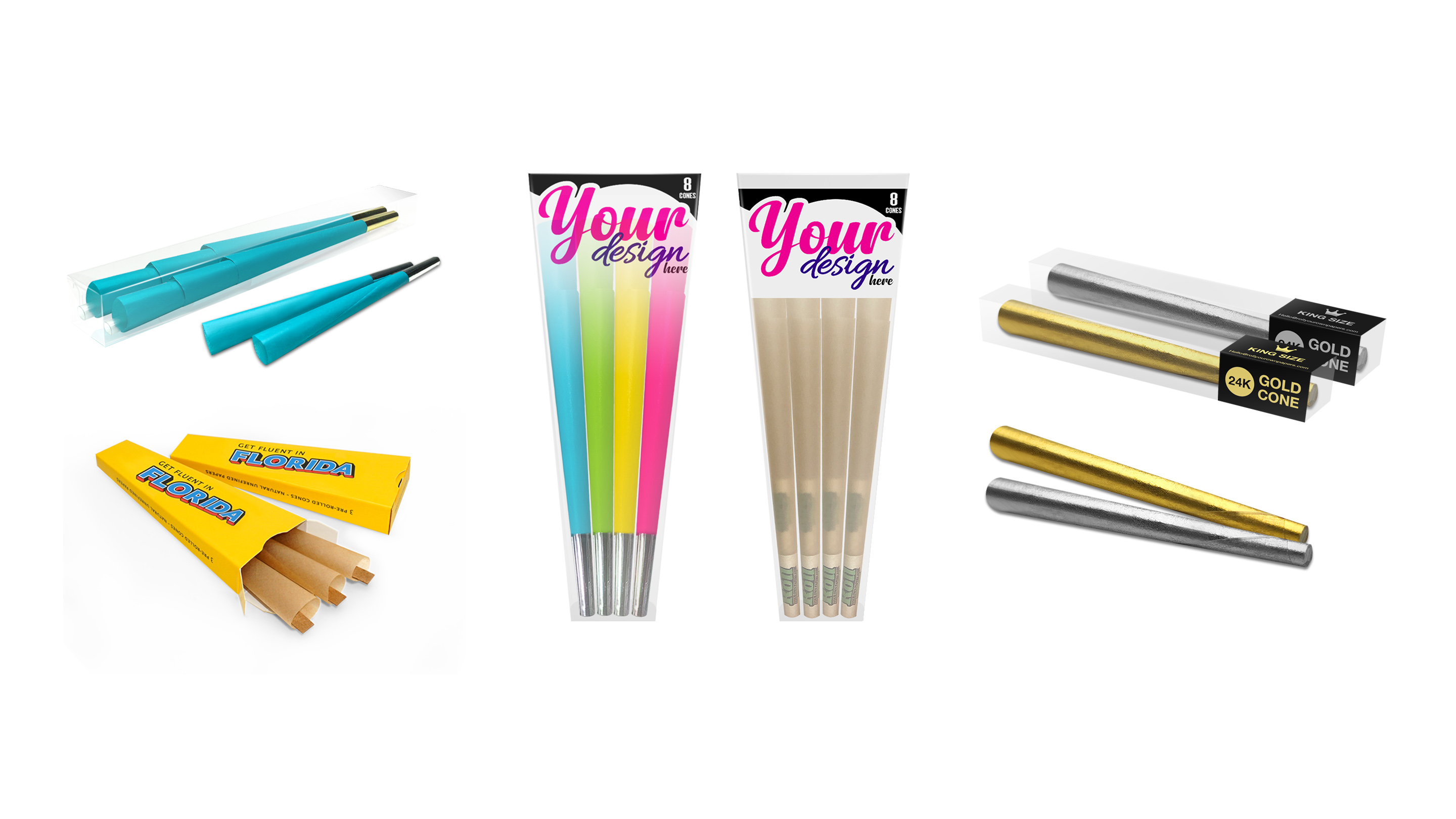
Running automated equipment demands premium consumables! 🎯 Stock up on Custom Rolling Paper Bobbins, Custom Filter Tips, and Custom Glass Tips designed specifically for the RollPros™ Blackbird!
- ✔️ Food-grade inks & natural gum adhesive
- ✔️ Precision-engineered for automated equipment
- ✔️ Consistent weight & quality for compliance
- ✔️ Custom branding options available
- ✔️ Bulk wholesale pricing for operations
📦 Bulk orders available | 🚚 Fast, reliable delivery | 🌱 Compliance-focused quality
Essential Documentation & Record-Keeping 📝
Production batch records must capture every critical detail of your automated operation. For the RollPros™ Blackbird, this means documenting:
- 📌 Unique batch identification matching Metrc
- 📌 Input materials with complete Metrc tag numbers
- 📌 Step-by-step process documentation (equipment settings, speeds)
- 📌 Employee signatures at each critical step
- 📌 Time/date stamps for production start and completion
- 📌 Yield records (units produced vs. material consumed)
- 📌 THC calculations (weighted averages for multi-strain batches)
California requires manufacturers to maintain "up-to-date documents with their procedures and instructions" alongside product quality plans for each product type. This means having written Standard Operating Procedures (SOPs) for every aspect of your pre-roll production, from receiving raw materials to final packaging. 📚
Chain of Custody & Transfer Documentation 🚚
Chain of custody documentation tracks products through every transfer point. Metrc manifests must include facility contact information, license numbers, complete package details, driver information, and route data. Transfer confirmations typically must occur within 24-72 hours, and receiving parties must verify manifest accuracy before acceptance. 📋
Certificate of Analysis (COA) Retention & Testing Protocols 🔬
Certificates of Analysis must be retained for 5+ years in most states (New York explicitly specifies this period). COAs must include:
- 🔬 Laboratory name and license number
- 🔬 Sample collection date
- 🔬 Batch/lot number matching your production records
- 🔬 Full cannabinoid profile (THC, CBD, CBN, etc.)
- 🔬 Contaminant testing results (pesticides, heavy metals, microbials)
- 🔬 Moisture content and water activity
California regulations mandate that pre-roll batches be tested after rolling—this is separate from harvest batch testing. Products must be tested in their final form; any modification after sampling (adding coatings, infusions, or flavor treatments) requires complete retesting. This requirement has significant implications for infused pre-roll production workflows. 🧪
Integrating Compliance with Blackbird Operations ⚙️
The RollPros™ Blackbird exemplifies compliance-friendly automation with scale accuracy to 0.01g, fill accuracy of ±0.03g, and AWS cloud connectivity backing up production data daily for compliance reporting. Operating at approximately 900 pre-rolls per hour with a single operator, the equipment can process around 5,000 units per 8-hour shift—volume that makes manual compliance tracking virtually impossible. 🚀
Integration with track-and-trace software is non-negotiable for high-volume operations. Leading platforms including Canix, Flourish, Distru, and GrowFlow provide bi-directional Metrc synchronization, batch template functionality, and automated reporting. RFID scanner integration can reduce packaging and verification time by up to 75% compared to manual processes. 💻
Software Integration Best Practices 🖥️
For optimal compliance integration:
- API Connections: Ensure direct API integration between your ERP and Metrc (not manual data entry)
- Automated Weight Capture: Configure your Blackbird to send weight data directly to your inventory system
- Barcode/RFID Scanning: Implement scanners at every production stage for package tracking
- Label Verification Systems: Use vision systems to confirm label accuracy before application
- Real-Time Dashboards: Monitor production vs. inventory in real-time to catch discrepancies immediately
The cost of these systems pales against potential violation penalties. A single $12,700 average fine—let alone the $170,000+ total cost including indirect expenses—can fund substantial compliance infrastructure improvements. 💡
Why Quality Consumables Matter for Compliance ✨
When you're producing 900 pre-rolls per hour, the quality of your Custom Rolling Paper Bobbins, Custom Filter Tips, and Custom Glass Tips directly impacts compliance. Here's why premium Automated Pre-Roll Joint Rolling Machine Consumables (RollPros™ Blackbird Compatible) are worth the investment: 🎯
Rolling Paper Bobbins: Consistency is Compliance 📏
Premium Custom Rolling Paper Bobbins designed for automated machinery provide:
- ✅ Consistent Paper Thickness: Prevents weight variations that trigger Metrc discrepancies
- ✅ Precise Gum Line Placement: Ensures reliable sealing without excess adhesive affecting weight
- ✅ Food-Grade Inks: Meets health safety regulations in all states
- ✅ Natural Gum Adhesive: Compliant with organic/natural product labeling requirements
- ✅ Minimal Ash Production: Supports quality claims that match testing results
When paper weight varies even slightly, your recorded weights in Metrc may not match physical inventory during audits. Using calibrated, premium paper bobbins eliminates this variable. 📊
Filter Tips & Glass Tips: The Weight Matters ⚖️
Your choice of Custom Filter Tips or Custom Glass Tips impacts compliance in multiple ways:
- 🎯 Consistent Filter Weight: Cardboard filters should weigh exactly the same across batches
- 🎯 Glass Tip Precision: Glass tips offer ultra-consistent weight (typically 0.5-1.0g per tip)
- 🎯 Net Weight Calculations: Remember: Metrc requires both total weight AND usable marijuana weight
- 🎯 Premium Presentation: High-quality tips support premium pricing claims on labels
Custom Glass Tips are particularly advantageous for compliance because their weight never varies—unlike cardboard filters that can absorb moisture. When regulators audit your inventory and each pre-roll must weigh exactly what's recorded in Metrc, glass tips eliminate a significant variable. 💎
Custom Branding & Compliance 🏷️
Custom-printed Custom Rolling Paper Bobbins and Custom Filter Tips serve dual purposes:
- 📢 Brand building with logo, strain name, or design elements
- 📢 Compliance information printed directly on the paper/filter
- 📢 Batch numbers or QR codes for instant traceability
- 📢 Tamper-evidence through unique markings
Some operators print abbreviated batch numbers directly on rolling papers, creating an additional layer of traceability beyond external packaging. This can be invaluable during recalls or investigations. 🔍
Daily Compliance Protocols & Best Practices ✅
Successful compliance starts with systematic daily protocols that become second nature to your production team. Here's a comprehensive checklist for RollPros™ Blackbird operations: 📋
Pre-Production Checklist (Before First Unit) 🌅
- ✅ Equipment Calibration: Verify scale accuracy with certified test weights
- ✅ Material Inspection: Check flower moisture content (8-14% ideal, 0.65 aW)
- ✅ Consumables Check: Ensure adequate supply of paper bobbins and filter tips
- ✅ Metrc Batch Setup: Create production batch BEFORE processing any cannabis
- ✅ Label Verification: Confirm correct labels loaded for today's batches
- ✅ Camera Confirmation: Verify surveillance cameras covering production area are operational
- ✅ Staff Sign-In: Document all personnel working in production area
During Production Protocols ⏰
- 🔄 Real-Time Weight Recording: Maximum 15-30 minute lag for data entry
- 🔄 Batch Segregation: Use barriers and color-coding to prevent cross-contamination
- 🔄 Quality Control Sampling: Randomly sample units throughout production run
- 🔄 Waste Documentation: Weigh and document all trim, defects, and equipment cleaning waste
- 🔄 Label Application Verification: Use vision systems or manual checks for label accuracy
- 🔄 Equipment Maintenance Logs: Document any adjustments or repairs during production
Post-Production Protocols (End of Shift) 🌙
- ✔️ Inventory Reconciliation: Physical count vs. Metrc entries (must match)
- ✔️ Package Adjustment Documentation: Explain any discrepancies with supervisor approval
- ✔️ Equipment Cleaning Logs: Document cleaning procedures and materials used
- ✔️ Data Synchronization: Confirm all data uploaded to track-and-trace system
- ✔️ Secure Storage: Move finished products to compliant vault/safe
- ✔️ Waste Disposal Preparation: Render waste unrecognizable if scheduled for disposal
Weekly & Monthly Compliance Tasks 📅
Weekly:
- 📊 Review Metrc package tag inventory (order more if running low)
- 📊 Audit a random sample of production records for completeness
- 📊 Verify all COAs are filed and accessible
- 📊 Check surveillance system storage capacity and backup status
Monthly:
- 📈 Conduct full inventory reconciliation (physical vs. Metrc)
- 📈 Scale calibration verification (monthly self-check with certified weights)
- 📈 Review all SOPs for updates based on regulatory changes
- 📈 Internal compliance audit (different staff member than production)
- 📈 Employee training refresher on new regulations or violation patterns
Scale Calibration: The Often-Overlooked Compliance Requirement ⚖️
Regulations require NTEP-certified "legal for trade" scales with Class II balance classification. For the RollPros™ Blackbird's integrated scales, this means: 🎯
- 🔧 Accuracy to 0.01g minimum (Blackbird exceeds this standard)
- 🔧 Annual certification by state weights & measures officials or certified scale companies
- 🔧 Monthly self-verification using NIST-traceable certified test weights
- 🔧 Complete documentation of all calibrations, repairs, and replacements
- 🔧 Calibration certificates must be available for immediate inspection
Common calibration gaps that trigger violations include expired certification documentation, missing pre-shift verification logs, failure to maintain certified test weights on-site, and inadequate records of repairs or scale replacements. Don't let something as simple as an expired calibration certificate cost you $10,000+ in fines! 💰
Conclusion: Compliance as Competitive Advantage 🏆
Cannabis pre-roll compliance has evolved from a checkbox exercise to a genuine operational discipline requiring systematic attention to labeling accuracy, track-and-trace data integrity, documentation completeness, and packaging standards. With $10.8 million in 2024 fines industry-wide and enforcement intensifying across all major markets, operators cannot afford compliance gaps. 📊
For automated production environments running equipment like the RollPros™ Blackbird, the path forward combines technology integration (direct track-and-trace API connections, automated weight capture, label verification systems) with cultural commitment (training, accountability, internal audits). Premium Automated Pre-Roll Joint Rolling Machine Consumables (RollPros™ Blackbird Compatible) including Custom Rolling Paper Bobbins, Custom Filter Tips, and Custom Glass Tips provide the consistency necessary for compliance at scale. ✨
The operators who thrive in this environment recognize that compliance costs represent insurance against far larger penalties, recalls, and license actions. They invest in:
- 💻 Integrated ERP software systems with direct Metrc/BioTrack connectivity
- 💻 Premium consumables engineered for consistent weight and quality
- 💻 Automated verification systems that catch errors before products ship
- 💻 Comprehensive training programs that make compliance part of company culture
- 💻 Regular internal audits that identify gaps before regulators do
In an industry where a single violation can cost more than most equipment investments, compliance isn't overhead—it's competitive advantage. The operations that maintain spotless compliance records earn trust with regulators, distributors, and retailers. They avoid the operational disruptions of recalls and enforcement actions. They sleep soundly knowing their Blackbird-produced pre-rolls meet every regulatory requirement. 🌟
Start building your compliance-first operation today by stocking up on premium Custom Rolling Paper Bobbins, Custom Filter Tips, and Custom Glass Tips designed specifically for automated pre-roll equipment. Your future self—and your accountant—will thank you when you sail through your next compliance audit. 💚



Leave a comment