
What Does Rolling Paper Look Like? 📄 The Complete Visual Guide

📋 Table of Contents
- Introduction: The Visual World of Rolling Papers
- The Basic Look: What You'll See When You Open a Pack
- What Color is Rolling Paper? 🎨 The Color Spectrum Explained
- Texture & Feel: More Than Just Paper
- Size Matters: Visual Dimensions Explained 📏
- What Different Materials Look Like
- The Gum Strip: Spotting the Adhesive
- Visual Quality Indicators: Spotting Good vs. Bad Papers
- Specialty Papers: The Unique & Unusual
- Packaging & Presentation
- Visual Comparison: Side-by-Side
- How to Identify Papers Without Labels
- Frequently Asked Questions
Introduction: The Visual World of Rolling Papers 🌍
Ever picked up a pack of rolling papers and wondered what makes them look so different from regular paper? Or maybe you've been confused by the sheer variety of appearances – from transparent films to natural brown sheets, from ultra-thin whispers to thicker, more substantial papers?
You're not alone! The visual characteristics of rolling paper can tell you a ton about its quality, material composition, and how it'll perform. In this comprehensive guide, we're diving deep into what rolling paper actually looks like – covering everything from color and texture to size and special visual features.
Whether you're trying to identify what you've got, choosing between options at your local shop, or just curious about the visual differences between materials, this guide has you covered. Let's explore the fascinating visual world of rolling papers together! ✨
The Basic Look: What You'll See When You Open a Pack 📦
The Standard Rolling Paper Sheet
At its most basic, a rolling paper looks like a thin, rectangular sheet – but "thin" doesn't quite do it justice. We're talking paper so delicate it's almost ethereal. When you first handle one, you'll immediately notice how lightweight and delicate it feels compared to regular notebook or printer paper.
Key Visual Characteristics:
Most rolling papers share these fundamental visual traits:
- Extreme Thinness: They're translucent enough that you can see your fingers through them (depending on the material)
- Rectangular Shape: Clean, uniform edges with consistent dimensions
- Gum Strip: A slightly darker or shinier line along one edge (more on this later!)
- Smooth or Textured Surface: Varies by material type
- Flexibility: They bend and fold easily without cracking
First Impressions Matter 👀
When you pull a sheet from the pack, quality papers will look pristine – no tears, no discoloration, no visible imperfections. Cheap papers might show inconsistencies even before you try to roll with them. The visual uniformity is your first clue about quality!
What Color is Rolling Paper? 🎨 The Color Spectrum Explained
Natural Brown & Tan Papers
These papers have a earthy, organic appearance – think light cardboard or parchment paper vibes. The color comes from unbleached plant fibers that retain more of their natural material. You'll see shades ranging from light tan to deeper brown, with some visible plant fiber texture throughout.
Visual clues: The brown color is usually uniform but not perfectly consistent – you might notice slight variations in tone, which is actually a sign of authenticity! These papers often have a slightly rough or matte finish when viewed up close.
White & Off-White Papers
Contrary to popular belief, white rolling papers aren't necessarily bleached with harmful chemicals (those days are mostly over!). The white appearance comes from highly refined plant pulp with lignin removed.
Visual characteristics: Clean, bright white to creamy off-white color with a smooth, almost glossy appearance. These papers look more "manufactured" and pristine compared to natural brown varieties. The consistency in color is usually perfect throughout the sheet.
Transparent & Translucent Papers
Here's where things get wild! Cellulose papers look like clear plastic film but are actually plant-based. They're completely see-through and have a slightly glossy, reflective surface.
What to expect: These papers catch the light and have a distinctive "cellophane" appearance. When you hold them up, you can see right through them clearly – it's like looking through a clean window! Ultra-thin rice papers are translucent rather than transparent, meaning light passes through but you can't see distinct objects clearly.
Specialty Colored Papers 🌈
From metallic gold to vibrant pink, blue, purple, and even printed designs – colored papers are attention-grabbers! These typically use food-grade dyes or natural coloring agents.
Visual appearance: Bold, uniform colors that look similar to colored tissue paper. The color should be consistent throughout, and quality colored papers won't have streaks or blotches. Some feature intricate prints, patterns, or even artwork!
Texture & Feel: More Than Just Paper 🤚
Surface Texture Variations
While we can't physically touch through this guide, the visual texture tells you plenty about what you're looking at:
Smooth & Glossy
Appearance: These papers have a shiny, almost polished look. Light reflects off the surface evenly. Rice papers and cellulose papers typically have this characteristic. When you tilt them under light, you'll see a slight sheen.
Matte & Textured
Appearance: No shine or reflection – these papers absorb light rather than reflect it. Custom rolling paper made from hemp or flax often shows this matte finish with visible fiber texture. If you look closely (or use a magnifying glass), you can actually see individual plant fibers woven throughout.
Crinkled or Laid Patterns
Some papers have subtle texture patterns impressed during manufacturing:
- Laid texture: Fine parallel lines visible when held up to light
- Wove texture: Subtle mesh or fabric-like pattern
- Creaseless designs: Special patterns that prevent creasing during storage
Visual Fiber Distribution 🔍
When you examine rolling papers closely (especially under bright light), you might notice:
- Individual plant fibers creating a subtle web-like pattern
- Consistent fiber distribution in quality papers
- Clumps or thin spots in lower-quality options
- Directional grain similar to wood (affects how the paper tears)
Size Matters: Visual Dimensions Explained 📏
Common Size Comparisons
Understanding what different sizes look like helps you choose the right paper for your needs. Here's a visual size breakdown:
Single Wide (70mm × 34-36mm)
Visual context: About the size of your thumb from tip to first knuckle. These look tiny compared to other papers – perfect for solo sessions but challenging to roll if you've got big hands!
1¼ Size (76-78mm × 44-46mm)
What it looks like: The "Goldilocks" size – not too big, not too small. Roughly the length of your index finger from tip to second knuckle. This is the most common size you'll see, and most packs contain this dimension.
1½ Size (76-78mm × 60-62mm)
Visual comparison: Same length as 1¼ but noticeably wider. Picture a standard 1¼ paper stretched wider – gives you more room to work with.
King Size (100-110mm × 55-60mm)
Appearance: These look substantially longer – about the length of your index finger stretched out. Popular choice for sharing or longer sessions. When you lay it flat, it's impressive compared to smaller sizes!
King Size Slim
Visual traits: Same length as king size but narrower width. Think of it as an elongated 1¼ paper. Sleek, modern looking, and increasingly popular in recent years.
Visual Size Recognition Tips 👁️
When trying to identify paper sizes without measuring:
- Compare to your hand – most standard papers are roughly thumb to finger length
- Look at pack dimensions – the box or booklet size usually matches the paper size
- Check how many papers fit in the pack – smaller papers typically come in packs of 50-100, while king sizes might be 32-50 per pack
- Rolling paper booklets stack differently – notice the thickness of the pack
What Different Materials Look Like 🌿
Hemp Rolling Papers
Visual signature: Light brown to tan color with a natural, organic appearance. Hemp papers have a distinctive look – they're thicker than rice but not as thick as wood pulp, with visible plant fibers creating a subtle textured pattern. The surface has a matte finish, and when held up to light, you can see the fiber matrix creating a beautiful natural webbing.
Identifying features:
- Natural brown/tan coloring (unless bleached)
- Slightly rough texture visible up close
- Medium thickness – not see-through but not opaque
- Earthy, organic aesthetic
Rice Rolling Papers
Appearance characteristics: Ultra-thin and almost transparent! Rice papers look delicate and fragile – because they are. They have a smooth, glossy surface that reflects light beautifully. The color is usually light ivory or white, and they're so thin you can read text through them easily.
Visual clues:
- Extremely thin – almost translucent
- Smooth, glossy finish
- Light catches and reflects off surface
- Appears more delicate than other papers
Wood Pulp Papers
What they look like: Generally white or off-white with a matte finish. Wood pulp papers are thicker and more substantial looking than hemp or rice varieties. They appear more "paper-like" in the traditional sense – similar to thin tissue paper or cigarette paper.
Recognition features:
- White to cream coloring
- Thicker appearance and feel
- Matte, non-reflective surface
- More opaque than other materials
Cellulose (Transparent) Papers
Distinctive look: These papers look like clear plastic film but aren't plastic at all! They're completely transparent with a glossy, reflective surface. When you hold them up, it's like looking through a window – you can see everything behind them clearly. The edges catch light and sometimes create a slight rainbow effect.
Identifying characteristics:
- 100% transparent/see-through
- Glossy, reflective finish
- Slightly stiff compared to other papers
- Looks like cellophane or plastic wrap
Flax Papers
Visual appearance: Similar to hemp but usually thinner and lighter in color. Flax papers have a silky appearance with fine, hair-like fibers visible under close inspection. The surface is smooth but with subtle texture, and the color ranges from light cream to pale tan.
The Gum Strip: Spotting the Adhesive 🔍
What Does It Look Like?
The gum strip is one of the most important visual features of rolling paper! It runs along one edge of the paper (usually a long edge) and looks like a slightly different colored or textured strip.
Visual Characteristics of Quality Gum Strips:
Natural Gum Arabic (The Good Stuff):
- Appears as a thin, clear to slightly amber line
- 2-4mm wide typically
- Slightly shinier or glossier than the rest of the paper
- Even, consistent application with no gaps
- Almost invisible when dry
Lower Quality Adhesives:
- Yellowish or brown discoloration
- Thicker, more obvious strip
- Uneven application with visible globs or gaps
- Obvious different texture from paper
Visual Gum Strip Placement
The gum strip location can vary:
- Along the long edge: Most common placement
- Along the short edge: Less common but exists
- No visible strip: Some cellulose papers have edge-to-edge adhesive
Self-Adhesive vs. Lick-and-Stick 💧
Lick-and-stick appearance: The gum strip looks dry and inactive until moisture is applied. You'll see a faint line but it won't be tacky to touch.
Self-adhesive appearance: May have a slightly tackier look or feel, sometimes with a protective strip covering it (like a sticker backing).
Visual Quality Indicators: Spotting Good vs. Bad Papers 🎯
Signs of High-Quality Rolling Papers
When examining custom rolling paper, look for these visual quality markers:
Uniform Appearance ✅
- Consistent color throughout entire sheet
- No discoloration, spots, or patches
- Even thickness – no thin spots when held to light
- Uniform fiber distribution
Clean, Precise Edges ✅
- Sharp, clean cuts with no ragged edges
- Straight lines and perfect corners
- No torn or frayed edges
- Consistent dimensions across all papers in pack
Proper Packaging ✅
- Papers protected in individual sleeves or folders
- Booklet or pack in good condition
- Clear brand markings and authenticity indicators
- Protective outer wrapper intact
Brand Markers & Watermarks ✅
- Subtle watermarks visible when held to light
- Brand logos or patterns embedded in paper
- Authenticity features to prevent counterfeiting
- Consistent marking placement
Red Flags: Visual Signs of Poor Quality 🚩
Inconsistencies in Appearance
- Blotchy or uneven coloring
- Visible thin spots or holes
- Tears or pre-existing damage
- Rough, jagged, or torn edges
Suspicious Coloring or Texture
- Chemical smell (papers shouldn't have strong odors)
- Unnaturally bright white color (might indicate bleaching)
- Sticky or tacky surface (except on gum strip)
- Discoloration or yellowing
Poor Packaging
- Damaged or crushed booklet
- Papers exposed to elements
- No protective inner sleeve
- Missing or unclear brand information
Specialty Papers: The Unique & Unusual 🌟
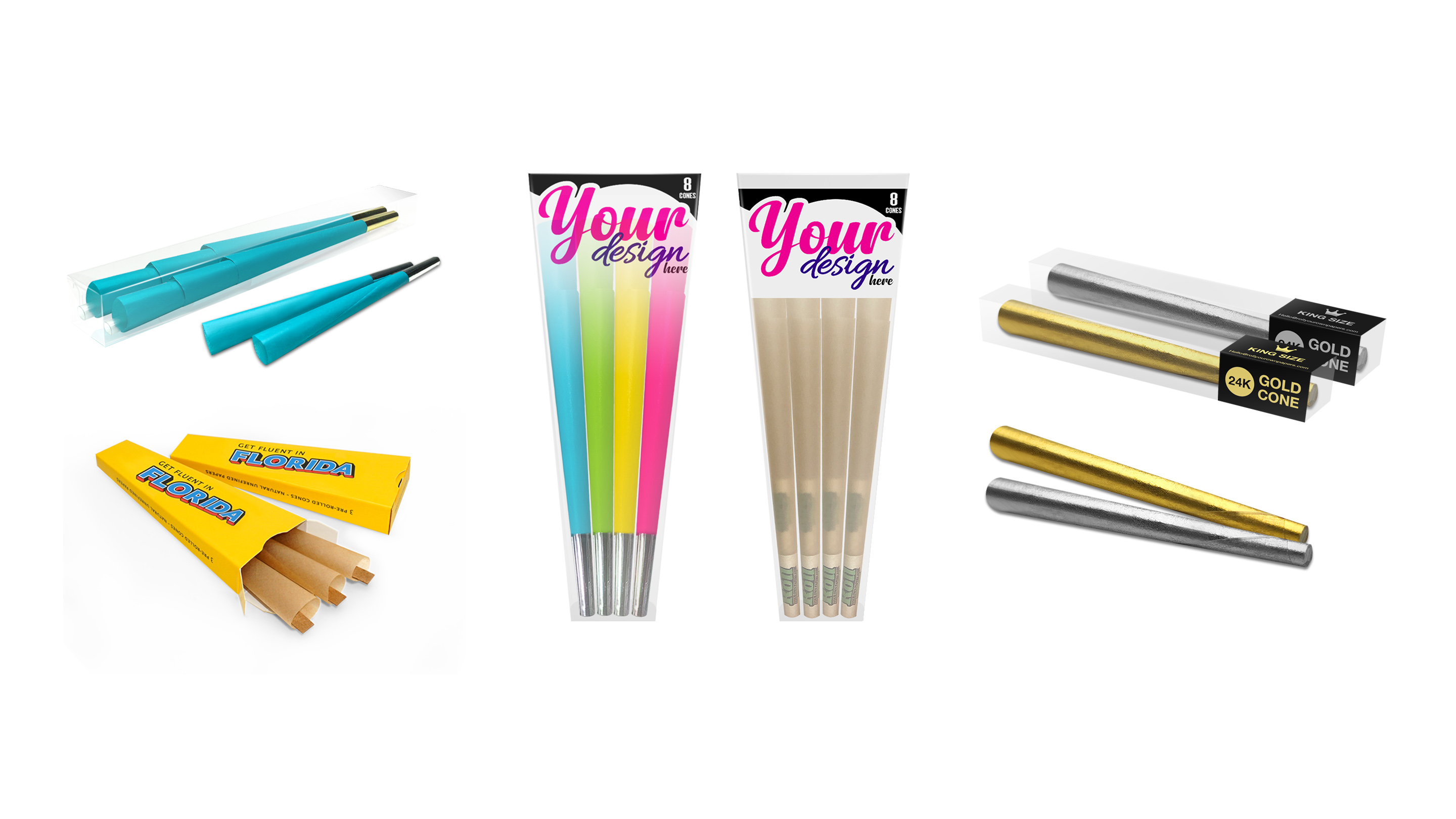
Gold & Silver Papers ✨
Visual wow factor: These papers literally look like sheets of precious metal! Made with real edible gold or silver leaf, they have a stunning metallic appearance that catches light beautifully. The surface is reflective and shimmery, creating an unmistakable luxury aesthetic.
What to expect: The metallic appearance is uniform across the sheet with a brilliant shine. These papers are thicker than standard options and have a slight rigidity. When held up to light, they're opaque with a radiant glow around the edges.
Flavored Papers 🍓
Appearance features: Flavored papers might look identical to regular papers or feature subtle coloring that matches their flavor profile. Some have printed designs or patterns related to the flavor (like fruit images or color tinting).
Visual identification: Often have scented packaging or flavor indicators printed on the paper itself. The paper might have a slight sheen from flavoring agents, though quality flavored papers look almost identical to unflavored versions.
Pre-Rolled Cones 📐
Distinctive shape: Unlike flat sheets, pre-rolled cones have a three-dimensional conical shape. They're already formed into a cone with a built-in filter tip at the narrow end. The visual appeal is in their ready-to-fill convenience.
What you'll see: Perfect cone shape that tapers from wide opening to narrow tip, integrated filter (often made from folded paper or cardboard), visible spiral seam where paper edges meet, consistent cone angle and size.
Printed & Designed Papers 🎨
Visual creativity: These papers feature everything from subtle patterns to elaborate artwork! Common designs include:
- Dollar bill prints (like $100 bill designs)
- Abstract patterns and geometric designs
- Brand logos and artwork
- Cultural symbols and imagery
- Custom prints for special occasions
Appearance notes: The printing should be clear, consistent, and evenly applied. Colors should be vibrant without bleeding or smudging. Quality printed papers maintain the paper's thinness despite the added ink.
Oversized & Novelty Papers 🎪
Visual impact: Some papers are designed to impress with sheer size! These range from foot-long papers to massive party-sized sheets. The visual is all about scale – they look almost comically large compared to standard sizes.
Packaging & Presentation 📦
Common Packaging Styles
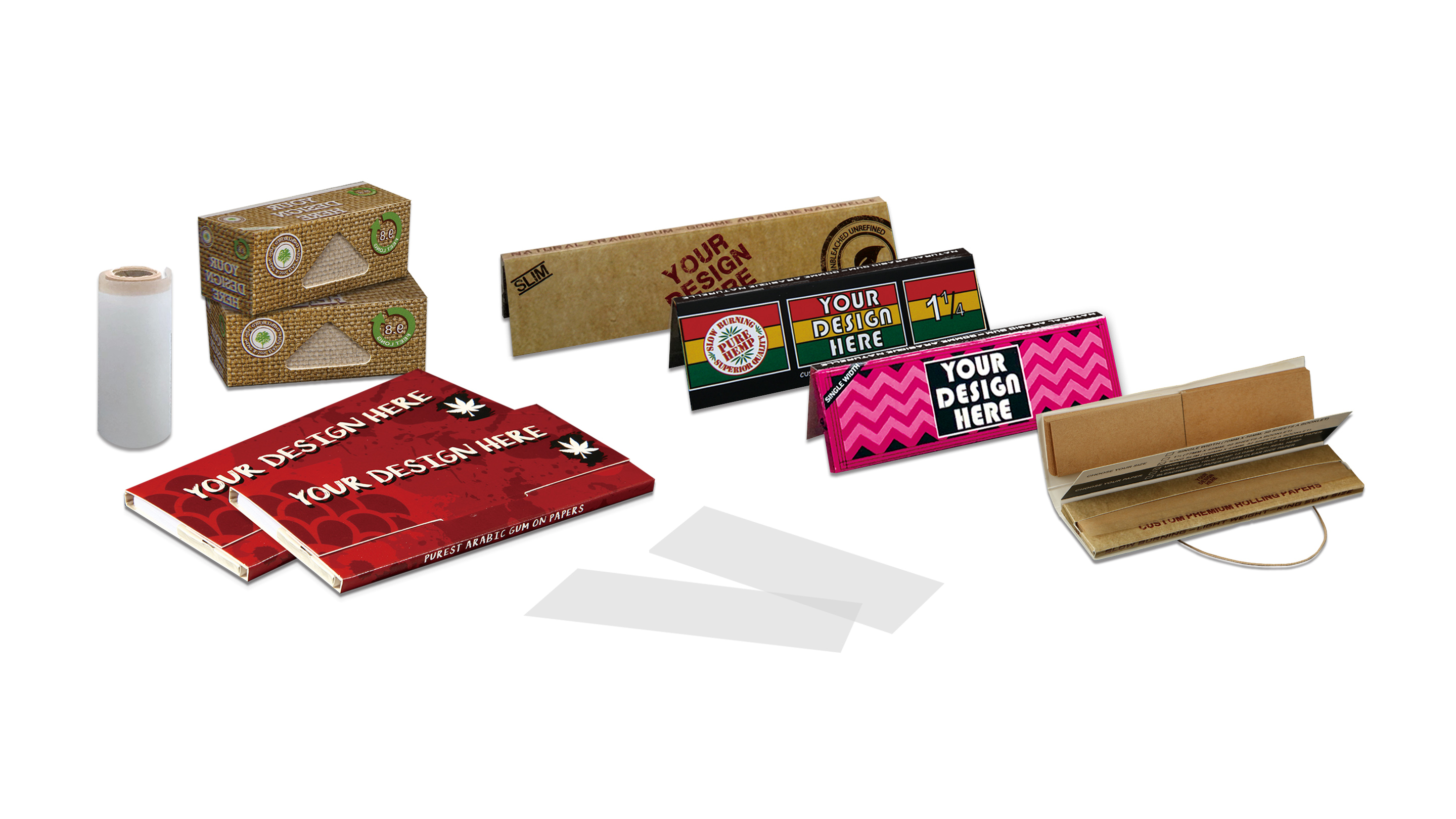
Booklet Style
Appearance: Small cardboard folder or booklet, usually around 2-3 inches long. Papers are folded inside, protected by the outer cardboard cover. The booklet folds open to reveal papers in a Z-fold or accordion-style arrangement.
Visual features: Brand artwork on cover, protective flap that closes, compact and pocket-sized, papers interleaved with protective paper strips.
Box/Pack Style
What it looks like: Flat rectangular box similar to a matchbox. Papers are stacked flat inside rather than folded. The box slides open to dispense papers one at a time.
Identifying traits: Larger than booklet style, flat profile, dispensing slot on top or side, papers remain flat (no fold lines).
Roll Style
Visual appearance: Papers come on a roll (like tape or wrapping paper), housed in a dispenser box. The roll is continuous paper that you tear off at desired length.
Features to look for: Cylindrical dispenser with tear edge, perforations at regular intervals, roll core visible through packaging, tear mechanism (often metal edge).
Packaging Quality Indicators
Quality rolling papers come in well-designed packaging:
- Protective layers: Multiple layers between papers and outside environment
- Moisture barriers: Sealed packaging to prevent humidity exposure
- Clear labeling: Material type, size, quantity clearly marked
- Authenticity features: Holograms, QR codes, or security features
- Storage info: Instructions for keeping papers fresh
Visual Comparison: Side-by-Side 👀
Thickness Comparison Under Light
One of the best ways to visually compare rolling papers is to hold them up to a light source:
What You'll See:
Ultra-thin rice papers: Light passes through easily, almost transparent, can read text through them, finger shadows visible clearly, uniform light transmission.
Hemp papers: Some light passes through but diffused, fiber patterns become visible, slight translucency but not transparent, edges glow when backlit.
Wood pulp papers: Much less light transmission, appears more opaque, still shows some light at edges, thicker appearance evident.
Cellulose papers: Crystal clear light transmission, like looking through glass, everything visible behind paper, no distortion or diffusion.
Color Comparison Chart
When comparing different papers side-by-side:
- Unbleached hemp: Light brown with warm undertones
- Refined white: Bright white to cream colored
- Rice paper: Very light ivory or white
- Natural wood pulp: Off-white to light tan
- Bleached variants: Bright white, consistent tone
Surface Texture Comparison
Visual texture ranking (from smoothest to roughest):
- Cellulose – Glass-smooth, glossy finish
- Rice – Smooth with subtle sheen
- Flax – Silky smooth with fine texture
- Hemp – Matte with visible texture
- Wood pulp – Slight texture, matte finish
How to Identify Papers Without Labels 🔍
Visual Identification Checklist
Lost the packaging? Here's how to identify what type of rolling paper you have through visual inspection:
Step 1: Check Transparency
- Completely clear/see-through: Cellulose paper
- Very translucent, almost see-through: Rice paper
- Partially translucent: Hemp or thin wood pulp
- Mostly opaque: Thicker hemp or wood pulp
Step 2: Examine Color
- Natural brown/tan: Unbleached hemp or wood pulp
- Bright white: Refined wood pulp or bleached hemp
- Ivory/cream: Rice paper or lightly refined hemp
- Clear: Cellulose
Step 3: Check Texture
- Glossy, smooth: Rice or cellulose
- Matte, textured: Hemp or wood pulp
- Silky smooth: Flax
Step 4: Test Thickness
- Ultra-thin, delicate: Rice
- Medium thickness: Hemp
- Thicker, sturdier: Wood pulp
- Slightly stiff: Cellulose
Quick Visual Identification Guide
Here's a rapid-fire visual identification method:
| If the paper looks like... | It's probably... |
|---|---|
| Clear plastic wrap | Cellulose |
| Translucent tissue paper | Rice |
| Natural brown with texture | Hemp |
| White with matte finish | Wood pulp |
| Silky, light colored | Flax |
Why Visual Quality Matters: Choosing Your Perfect Paper 🎯
Now that you know what to look for, let's talk about why these visual characteristics matter for your rolling experience!
The Visual-Quality Connection
The way custom rolling paper looks tells you a lot about how it'll perform:
Uniform Appearance = Consistent Burn
Papers with even coloring and consistent thickness burn uniformly. Visual quality directly translates to functional quality!
Texture Affects Roll-ability
Smooth papers (like rice) look delicate and are trickier to roll. Textured papers (like hemp) provide better grip and are easier for beginners.
Color Indicates Processing
Natural brown colors show minimal processing and fewer additives. Bright white might indicate more refinement. Transparent papers show a completely different manufacturing process.
Upgrade Your Rolling Game Today! 🚀
Looking for rolling papers that check all the visual quality boxes? We've got you covered!
At RollYourOwnPapers.com, we specialize in premium, custom-made rolling papers that not only look amazing but perform flawlessly. Our papers feature:
- ✅ Perfect visual uniformity – no thin spots or inconsistencies
- ✅ Natural, unbleached options in beautiful brown tones
- ✅ Ultra-thin rice options that are almost transparent
- ✅ Clean gum strips that are barely visible
- ✅ Pristine edges and perfect cuts every time
- ✅ Custom printing available – make them uniquely yours!
Whether you're looking for natural hemp papers with that authentic look, ultra-thin rice papers for the purest experience, or custom-branded papers that showcase your style – we've got options that'll make your eyes happy! 👁️✨
🔥 Ready to Upgrade Your Rolling Game?
Parchment paper might belong in the oven, but your roll deserves better! 🎯 If you're tired of scrambling for alternatives and want a smooth, safe, and flavorful experience every time — we've got just what you need.
- ✔️ Made from organic hemp
- ✔️ Printed with food-grade ink
- ✔️ Sealed with 100% natural gum
- ✔️ Customize them with your brand, artwork, or vibe
🛒 Shop Premium Rolling Papers Now
📦 Bulk orders available | 🚚 Fast shipping | 🌱 Always chemical-free
Frequently Asked Questions 🤔
What color is rolling paper?
Rolling papers come in various colors depending on their material and processing. Natural brown or tan papers are unbleached hemp or wood pulp papers that retain more plant material. White papers are more refined and processed. Transparent or translucent papers are made from cellulose. Some specialty papers come in colors like gold, pink, blue, or even printed designs. The color often indicates the material type and processing level.
How thin is rolling paper compared to regular paper?
Rolling papers are incredibly thin compared to regular paper. They typically measure 10-28 grams per square meter (gsm), while standard printer paper is around 80 gsm. Ultra-thin rice papers can be as light as 10-13 gsm, making them almost transparent. Hemp papers are usually 13-18 gsm, and wood pulp papers are thicker at 22-28 gsm. This extreme thinness is essential for even burning and minimal flavor interference.
Can you see through rolling paper?
Yes, some rolling papers are see-through! Cellulose papers are completely transparent and look like clear plastic film but are made from plant-based materials. Rice papers are ultra-thin and translucent, allowing some light to pass through. Hemp and wood pulp papers are generally opaque, though thinner varieties may show some translucency when held up to light. The see-through quality depends on the material type and thickness.
What does the gum strip on rolling paper look like?
The gum strip on rolling paper appears as a slightly darker or shinier line running along one edge of the paper, usually 2-4mm wide. It's typically made from natural gum arabic, which looks like a thin glaze or coating. When dry, it's barely noticeable but becomes slightly tacky when licked. Quality papers use clear, tasteless natural gum, while cheaper alternatives may have visible yellowish or brownish adhesive strips.
How can you tell if rolling paper is good quality by looking at it?
Quality rolling papers have several visual indicators: uniform thickness without thin spots or tears, consistent color throughout the sheet, clean-cut edges that aren't frayed or ragged, minimal visible fibers or imperfections, a thin clear gum strip rather than thick yellowish adhesive, proper packaging with protective sleeves, and brand markings or watermarks indicating authenticity. High-quality papers also have a smooth texture and even appearance when held up to light.
What's the difference in appearance between hemp, rice, and wood pulp papers?
Hemp papers have a natural light brown or tan color when unbleached, with a slightly textured surface and visible plant fibers. They appear thicker and more substantial. Rice papers are ultra-thin, almost transparent, with a smooth glossy surface and minimal texture - they look delicate and fragile. Wood pulp papers are typically white or light-colored, thicker than rice but thinner than hemp, with a matte finish. Each material has a distinct visual signature that helps identify its composition.
Do rolling papers have watermarks or brand markings?
Yes, many premium rolling paper brands include watermarks or subtle brand markings visible when held up to light. These might appear as faint logos, text, or patterns embedded in the paper during manufacturing. RAW papers, for example, have visible crisscross watermarks. These marks serve as authenticity indicators and help prevent counterfeiting. Not all papers have watermarks - simpler or budget brands may just have printed packaging with no paper markings.
See Also 📚
Want to learn more about rolling papers? Check out these related guides:
Wrapping It Up: The Visual World of Rolling Papers 🎬
So there you have it – the complete visual guide to what rolling paper looks like! From transparent cellulose sheets to natural brown hemp papers, from ultra-thin rice papers to specialty gold-leaf options, the visual diversity in the rolling paper world is truly impressive.
Remember, the way a rolling paper looks tells you a lot about its quality, material composition, and how it'll perform. Visual inspection is your first line of quality control – trust your eyes!
Key Takeaways 🔑
- Color indicates material type and processing level
- Transparency varies from opaque to crystal clear
- Texture affects both appearance and roll-ability
- Size matters – choose dimensions that fit your needs
- Quality papers show uniform appearance and clean edges
- The gum strip should be thin and barely visible
- Packaging quality reflects paper quality
Whether you're shopping for papers at your local shop or ordering custom rolling paper online, now you know exactly what to look for. The visual characteristics we've covered will help you identify quality papers and choose options that match your preferences perfectly!
Happy rolling, and may all your papers be visually perfect! 🌿✨




Leave a comment