
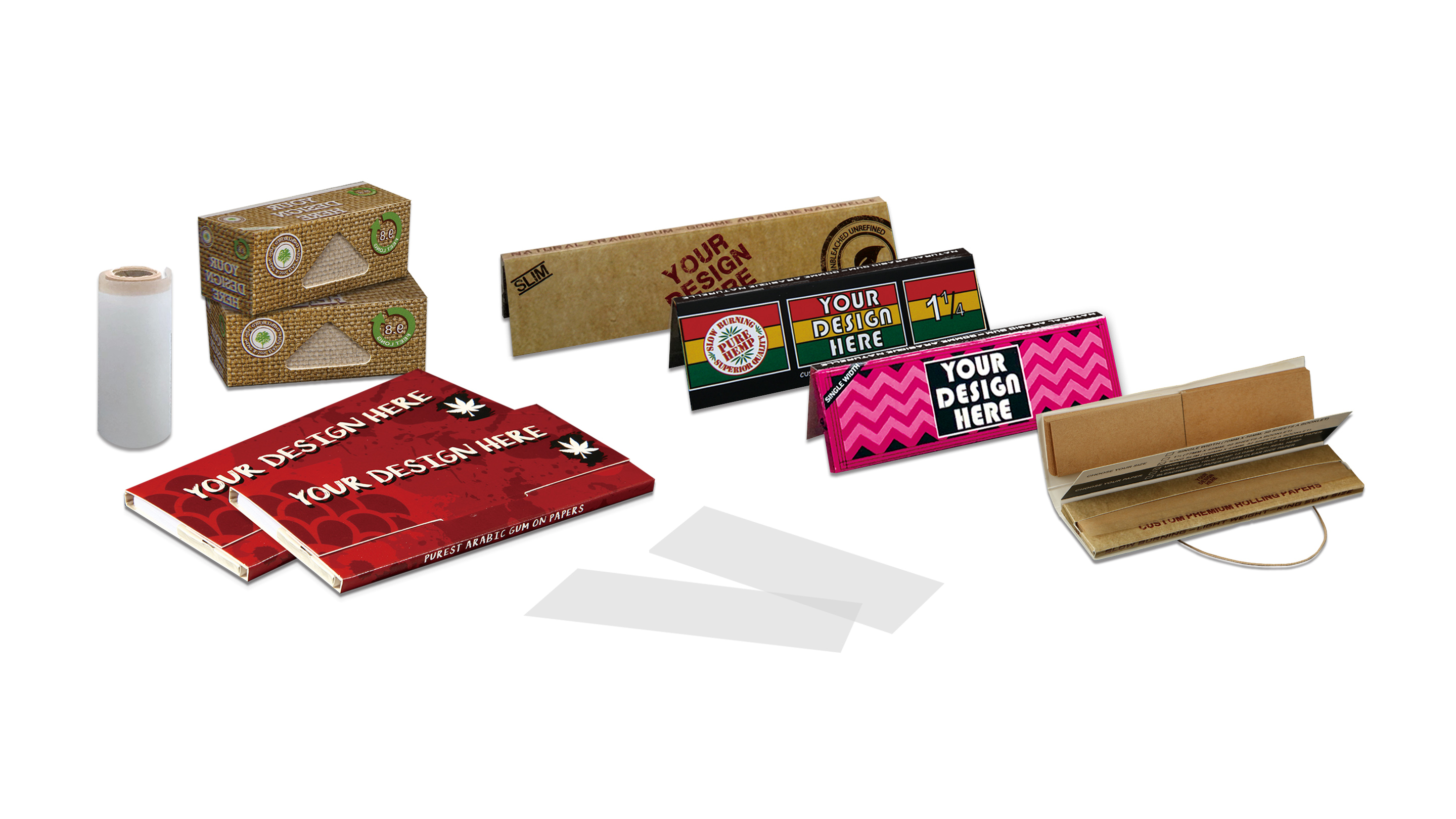
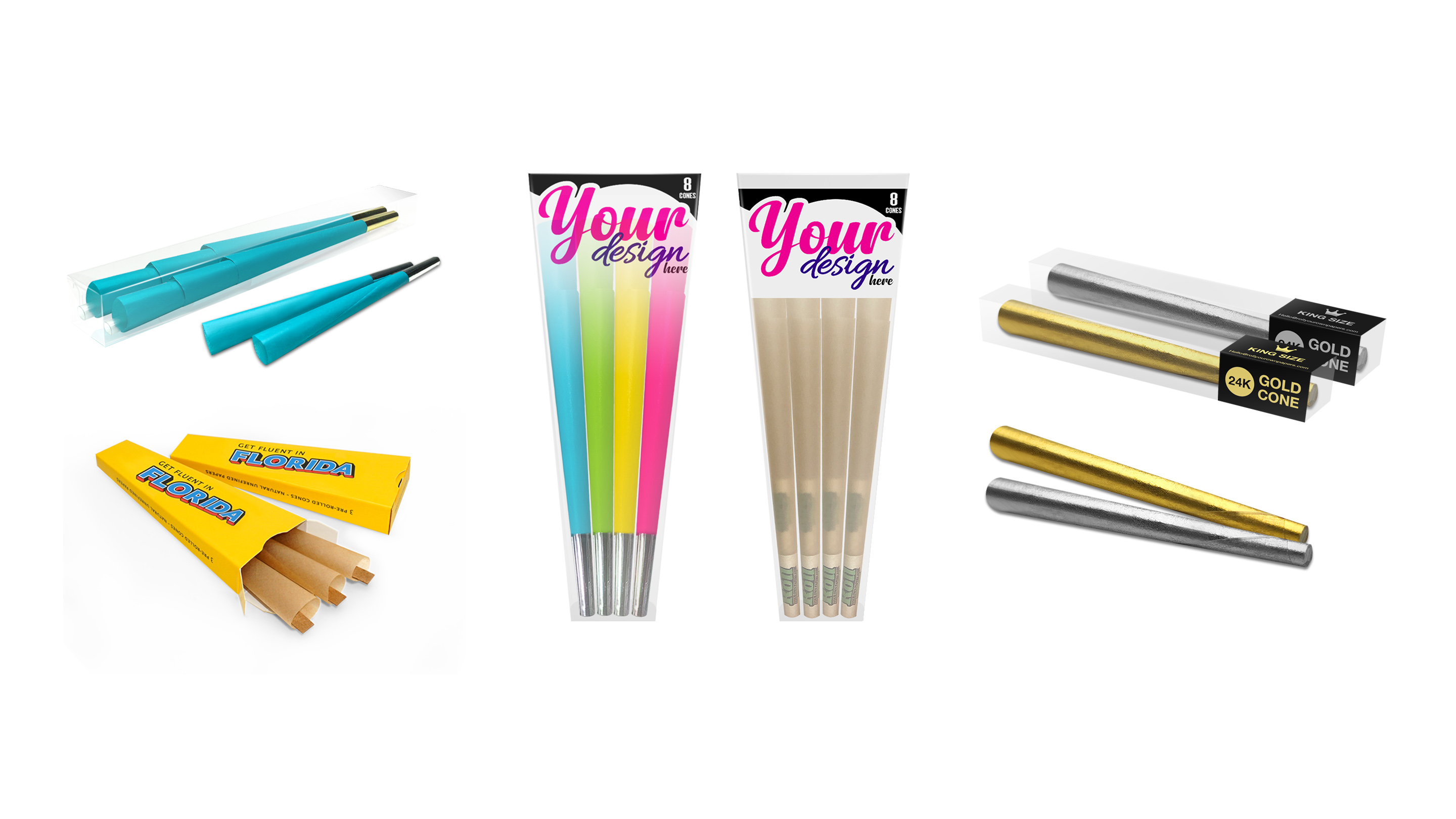
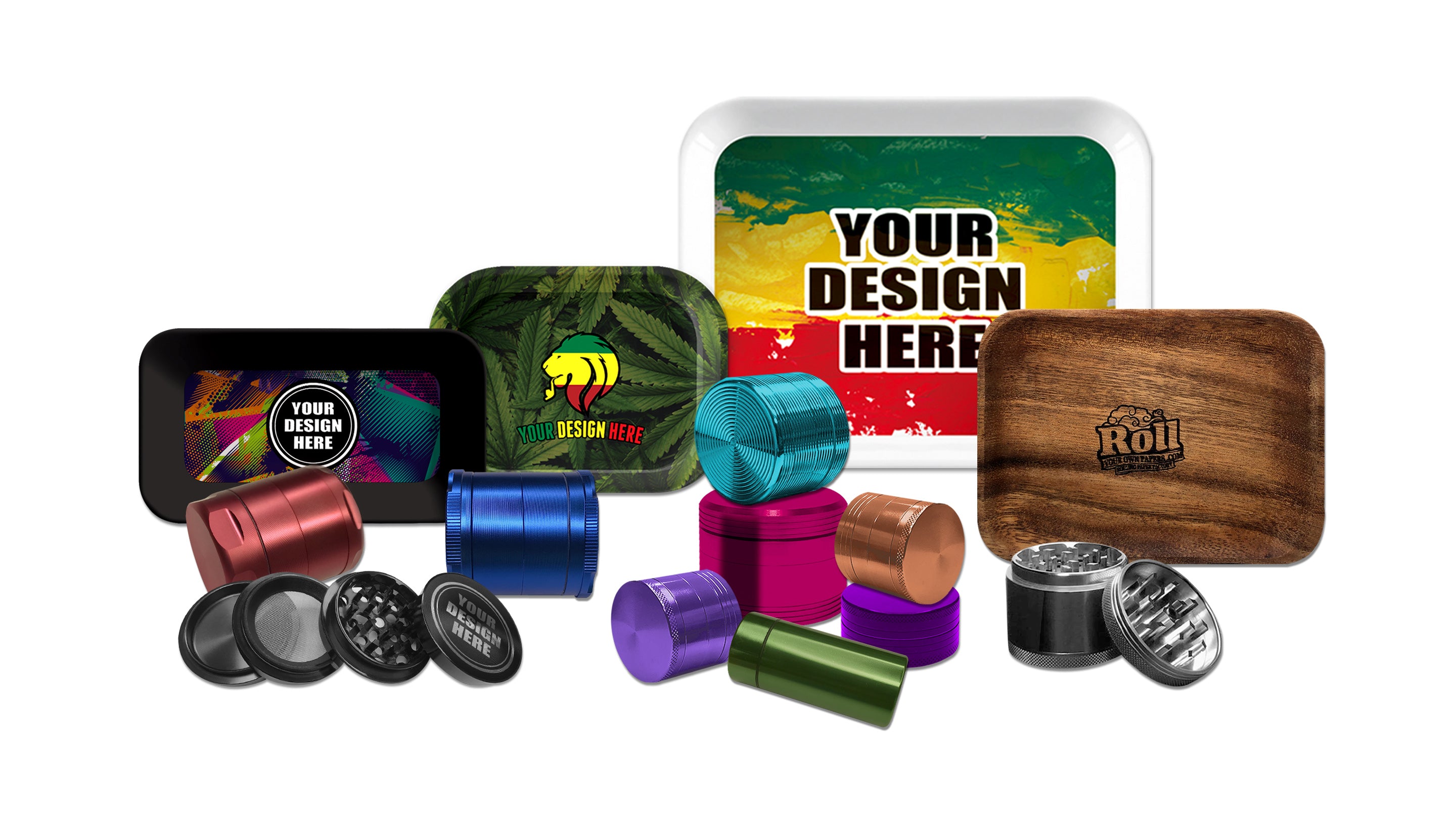
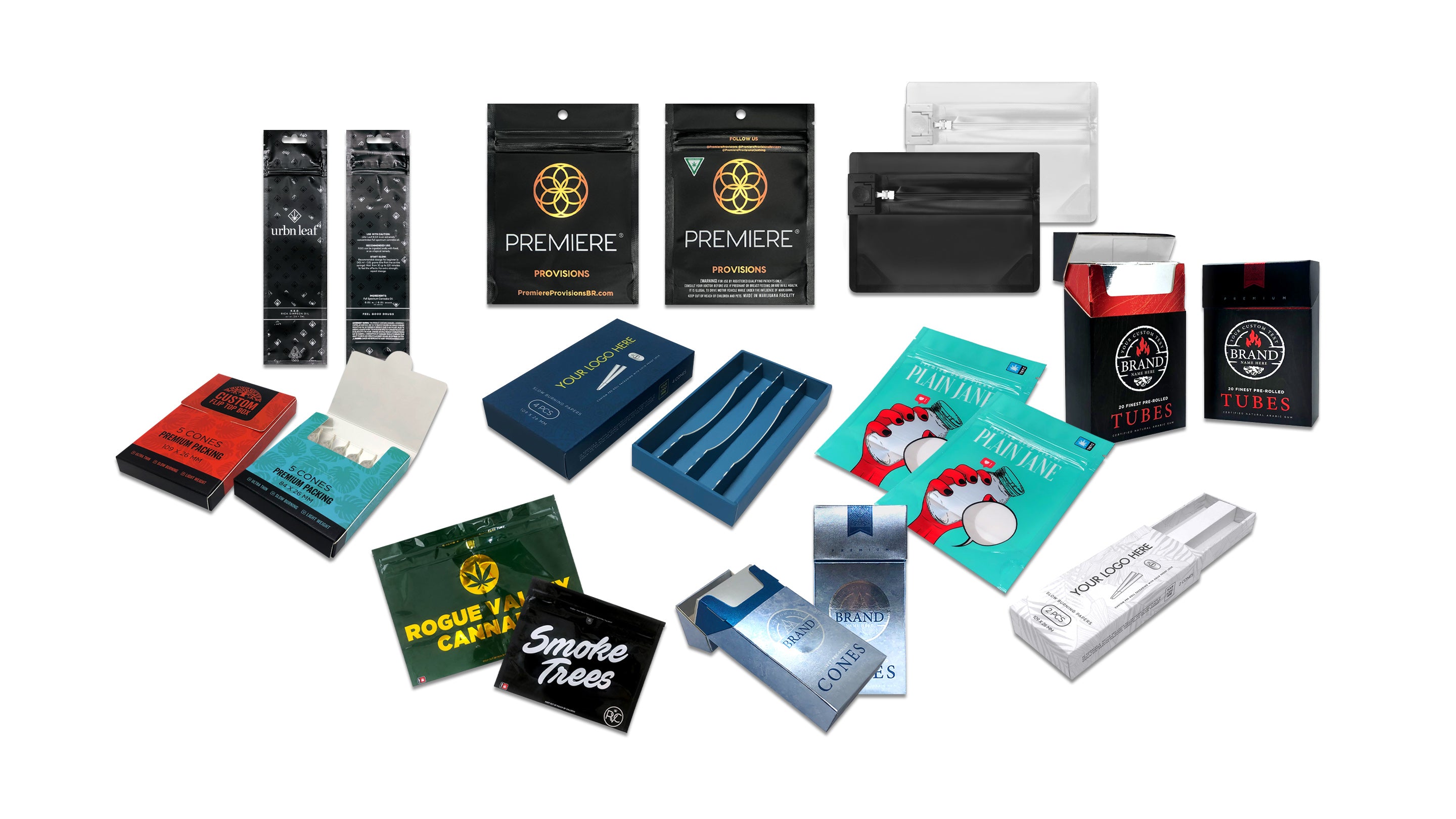
How to Nail Your Branded Rolling Papers Bulk Order in 2026

A branded rolling papers bulk order is a single, large-quantity purchase of custom rolling papers printed with your logo, artwork, or promotional design. These orders typically start at 1,000 units and can scale well into the hundreds of thousands — making them one of the more efficient ways for brands, event organizers, and retailers to turn a rolling accessory into a marketing tool people actually hold onto.
Bulk doesn't just mean volume. When you order at scale, you're locking in tiered pricing, securing priority production slots, and ensuring consistent quality across every booklet in the run. Whether you're a retail chain rolling out seasonal packaging or a festival promoter looking for a giveaway that survives past the first hour, knowing how bulk orders actually work will save you money and production headaches.
Most writing on this topic stops at "order more, save more." That's not a useful framework. This guide gets into the real mechanics — paper GSM and print bleed specs, the difference between digital and offset production, and the hidden costs that quietly inflate per-unit price. Whether this is your first branded rolling papers bulk order or your last one had problems, this covers what you need to know before you commit.
Table of Contents
- Why Branded Rolling Papers Are a Strategic Investment
- What Qualifies as a Bulk Order? MOQs, Tiers & Pricing
- Choosing Your Paper Material and Size
- Printing Methods That Actually Hold Up
- Design Tips That Separate Good from Great
- The Step-by-Step Ordering Process
- Order Tier Comparison Table
- Who's Ordering in Bulk — and Why
- Mistakes That Derail a Branded Rolling Papers Bulk Order
- Frequently Asked Questions
Why Branded Rolling Papers Are a Strategic Investment
Branded rolling papers work because of how people actually interact with them. A business card gets filed or tossed. A display ad disappears in a scroll. A booklet of rolling papers sits on someone's tray, travels in their pocket, and gets used repeatedly over days or weeks — with your logo visible every single time.
Consider the exposure math on a 32-leaf booklet: each sheet pulled is a brand impression, which means a single booklet generates up to 32 separate moments of visibility. Across an order of 10,000 booklets, that's a meaningful number of impressions from one production run — at a per-unit cost that's hard to match through paid media.
The context matters just as much as the numbers. When someone uses your branded paper in a social setting, your brand becomes associated with a relaxed, positive moment. That's the kind of impression that advertising budgets usually can't manufacture. A bulk order of branded rolling papers is one of the few physical formats that actually creates it.
The 2026 Landscape
The herbal accessories market has matured considerably. Private-label and co-branded rolling papers have moved from a niche tactic to a standard part of many accessory brands' product mix. If you're not offering them, you're likely ceding ground to competitors who are — and the brands ordering at volume are the ones building stronger, more consistent recall with their customers.
What Qualifies as a Bulk Order? MOQs, Tiers & Pricing
At Roll Your Own Papers, a bulk order starts at 1,000 booklets. That's the minimum order quantity (MOQ) for fully custom rolling papers with your own branding. Below that threshold, the setup costs make per-unit pricing unworkable for most buyers.
What's worth understanding is that pricing tiers aren't linear — they're staggered. Moving from 1,000 to 5,000 units can drop your per-booklet cost meaningfully. Moving from 5,000 to 25,000 is where the real discount kicks in, sometimes cutting your cost by 35% or more compared to the base MOQ price. The jump between tiers matters more than people expect when they're budgeting.
Why the Sweet Spot Matters
Every buyer has an order size where per-unit cost, available storage, and realistic distribution volume all line up cleanly. For a small brand running a single pop-up event, 2,500 units might be exactly right. For a regional chain with 15 locations, 50,000 units distributed across quarterly shipments is a smarter approach.
Ordering too few costs more per unit. Ordering too many creates dead stock that ties up budget without moving product. A practical target is an order that covers four to six months of projected distribution, with a 10–15% buffer built in. That's the framework we work through with most wholesale clients when they're sizing an order.
What's Included in Bulk Pricing?
At RYOP, bulk pricing typically includes full-color printing on the booklet cover, your choice of paper material and size, standard packaging, and a digital proof before production begins. Add-ons like foil stamping, embossing, custom tip inserts, and expedited production carry additional costs. We'll cover those in the printing section.
Choosing Your Paper Material and Size
Paper material is the single biggest factor in how your branded rolling papers feel and perform. A beautiful print job won't overcome a paper that burns too fast, handles poorly, or feels cheap between someone's fingers. It's worth getting this decision right before anything else.
Material Options
There are three primary materials in rolling paper production today:
Rice paper — Ultra-thin, slow-burning, and nearly translucent. It's the premium choice for experienced users who want a clean, neutral taste. The trade-off is that rice papers can be harder to work with in humidity and are less forgiving for beginners.
Unbleached wood pulp — The most widely used material in bulk branded orders. Slightly thicker and easier to roll than rice, with a natural tan color that reads as additive-free to eco-conscious buyers. Reliable across conditions and a strong default choice for most clients.
Flax-blend paper — A newer option that's gained real ground. Flax blends sit between wood pulp and rice in terms of thickness — more forgiving than rice, thinner than wood pulp — with a texture that holds ink well. Demand for flax-blend on branded runs has grown steadily over the past two years and it's now a meaningful share of what we produce.
Size Matters More Than You Think
King Slim (108mm x 44mm) is the dominant choice for branded bulk orders — it's the industry standard for good reason. Versatile, widely preferred by end users, and it gives you enough booklet cover space to work with for logo placement and design. The vast majority of branded orders we run use this size.
That said, the 1¼ size (78mm x 44mm) is worth considering for giveaway-focused orders. Smaller booklets fit more easily into swag bags, mailer boxes, and event kits — and at music festivals or trade shows where portability matters, the compact format can be the smarter call.
Printing Methods That Actually Hold Up
The printing method you choose affects more than aesthetics. On rolling papers specifically, you need food-grade, soy-based, or vegetable-based inks approved for contact with herbal materials. That's a non-negotiable requirement regardless of which print process you use — so confirm your supplier is meeting that standard before anything else.
Digital Printing vs. Offset Printing
Digital printing is the right choice for orders between 1,000 and 5,000 booklets. Setup costs are low, turnaround is faster — typically 7–10 business days in production — and you can run multiple designs in the same batch without paying separate plate fees. At very high volumes, color consistency can vary slightly across the run, which is the main limitation.
Offset printing is used for higher volumes, generally 10,000+ booklets. Custom plates are required, which means a higher upfront cost and longer setup. But once the plates are made, every booklet in the run comes out identical. Color accuracy is tight and consistent throughout. For brand managers working to specific Pantone values, offset is the only process that reliably delivers on that.
Special Finishes Worth Considering
Foil stamping adds a metallic element to specific design areas — logos, borders, text. It increases per-unit cost by roughly $0.05–$0.08 depending on coverage, but the perceived value lift is real. Booklets with foil accents tend to be kept rather than discarded, which is the whole point.
Embossing creates a raised, tactile effect on the booklet cover. It's subtle, but noticeable the moment someone picks it up. Paired with a matte finish, an embossed booklet reads as premium — the kind of product that gets photographed and passed around rather than pocketed and forgotten.
Design Tips That Separate Good from Great
Your design is the entire brand experience compressed into a 3"x4" booklet. The format constraints are actually useful — they force clarity that larger formats don't. Here are the principles that separate branded papers people hold onto from the ones that get used once and discarded.
1. Design for the Booklet First, Not the Screen
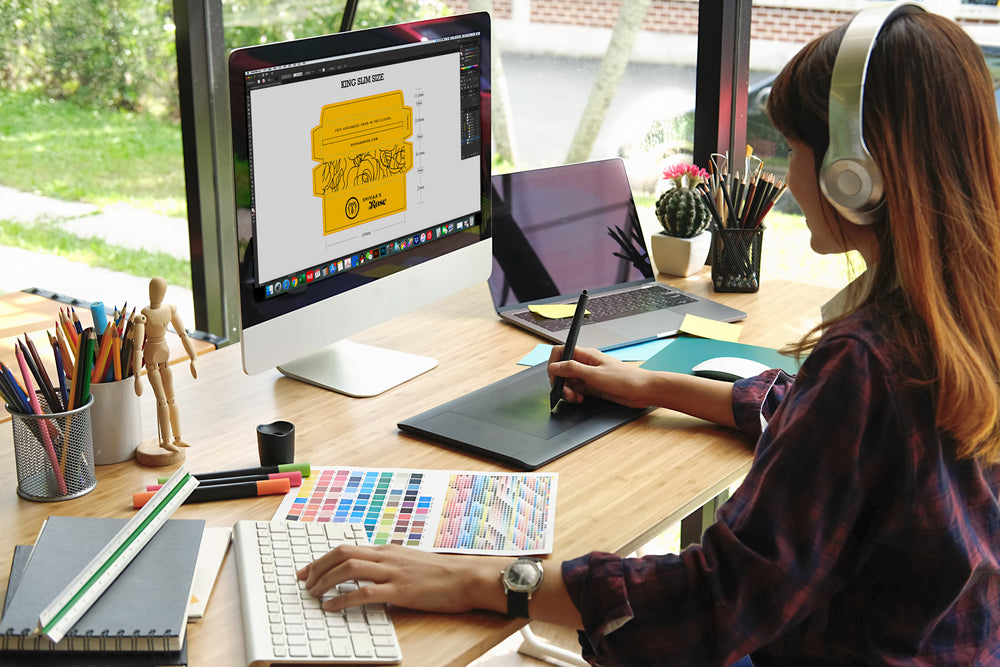
Most design files we receive look sharp on a monitor and soft in print. Before finalizing anything, print your artwork at 100% scale on regular paper, fold it, and hold it. Can you read the text? Does the logo have room to breathe? This quick check catches the issues that would otherwise eat up revision rounds.
2. Respect the Bleed Zone
Every print job needs a bleed — usually 3mm on all sides. Anything past that boundary gets trimmed. Keep critical design elements at least 5mm from any trim line. We've seen strong layouts land at the press with a tagline or logo clipped because the file came in with tight margins. It's an easy problem to avoid if you build it into your template from the start.
3. Less Copy, More Identity
A glance at a booklet lasts about a second and a half. That's enough for a logo, a color palette, and a short tagline — not a brand mission statement plus social handles plus a website URL plus a QR code. Pick the two elements that matter most and give them room. Overcrowded booklet covers almost always underperform cleaner ones.
4. Consider the Interior
The inside flap of the booklet is underused. It's a natural spot for a QR code linking to a loyalty program, an event-specific discount code, or a product page URL. It's hidden until someone opens the booklet, which makes the discovery feel intentional rather than promotional.
A Note for Event Planners
If you're distributing booklets at a festival or conference, a unique discount code on the inside flap gives you a clean attribution channel for post-event conversions. It's one of the few physical giveaway formats where you can actually measure downstream ROI — which makes the spend much easier to justify internally.
The Step-by-Step Ordering Process
Placing a branded rolling papers bulk order at RYOP follows six steps. Here's what to expect from first contact through delivery.
Step 1: Choose Your Specs
Decide on paper material, size, booklet leaf count (16, 32, or 50 leaves are standard), and any special finishes. If you're not sure where to land on these, our team will walk through the options and match them to your use case and budget.
Step 2: Submit Your Artwork
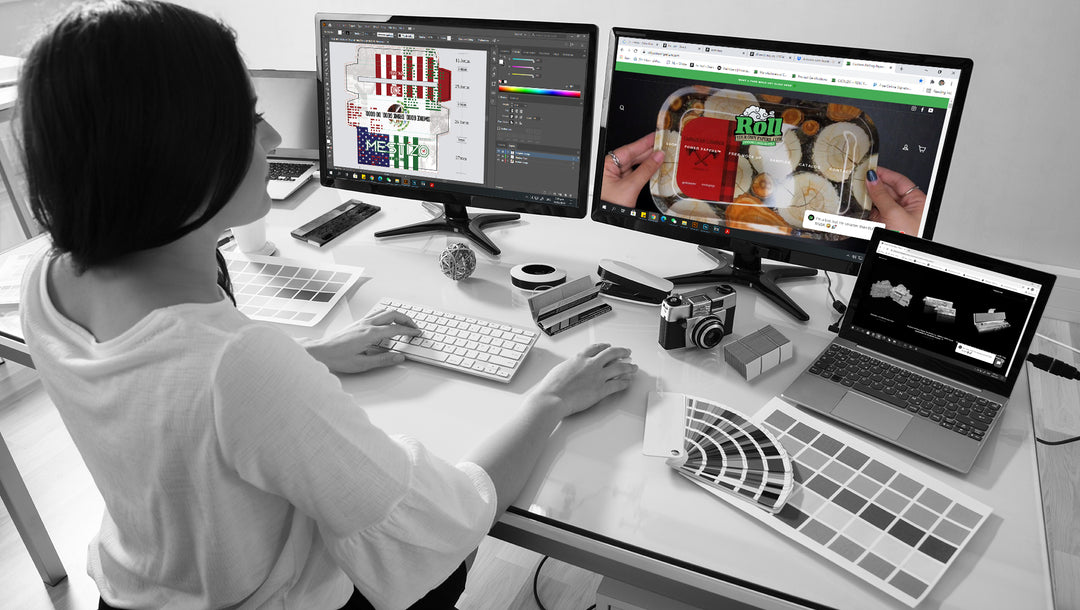
Upload your design files in high-resolution PDF, AI, or PSD format at 300 DPI minimum, with fonts outlined or embedded. If you don't have print-ready artwork yet, RYOP offers design assistance to work from your brand identity.
Step 3: Receive a Digital Proof
Within 2–3 business days, you'll receive a digital mockup of your branded booklet. Review it carefully — color, alignment, text accuracy — before anything goes to press. Most orders move through with a single revision round.
Step 4: Approve and Confirm
Once you approve the proof, production begins and no further changes are possible. Take the time to review it thoroughly. We'll send a confirmation email with your estimated ship date once production is locked in.
Step 5: Production
Standard production takes 10–15 business days for most bulk orders. Rush production is available for an additional fee and can reduce that window to 5–7 business days. Larger orders (50,000+ units) may require 15–20 business days due to material staging.
Step 6: Shipping & Delivery
Orders ship worldwide. Domestic U.S. delivery typically runs 3–5 business days via ground. International orders generally arrive within 7–14 business days depending on destination and customs clearance.
Order Tier Comparison Table
The table below breaks down what to expect at each bulk order tier. Use it as a reference point when budgeting your branded rolling papers bulk order.
| Order Tier | Quantity (Booklets) | Est. Per-Unit Cost | Best Print Method | Typical Lead Time | Ideal For |
|---|---|---|---|---|---|
| Starter | 1,000 – 2,500 | $0.55 – $0.70 | Digital | 10–12 business days | Small brands, test runs, single events |
| Growth | 2,500 – 10,000 | $0.38 – $0.55 | Digital or Offset | 12–15 business days | Regional brands, quarterly campaigns |
| Scale | 10,000 – 50,000 | $0.25 – $0.38 | Offset | 15–18 business days | Multi-location retailers, national events |
| Enterprise | 50,000+ | Under $0.25 | Offset (dedicated run) | 15–20 business days | National chains, distributor programs, licensed brands |
These ranges apply to standard king slim booklets with full-color cover printing. Special finishes, custom tip inserts, and non-standard sizes will affect pricing. Always request a formal quote for your specific configuration.
Who's Ordering in Bulk — and Why
The branded rolling papers buyer in 2026 is more varied than it used to be. A few years ago this was mostly a single-industry category. That's changed. Here's who's placing the largest bulk orders and the reasoning behind each one.
Herbal Accessory Brands
This is the core audience. Brands selling grinders, rolling trays, glass tips, and similar accessories use branded papers as a value-add insert or standalone product. Including a booklet in each order costs relatively little per package while reinforcing brand identity with every use — arguably better ROI than most packaging inserts, including stickers and discount cards.
Event Promoters & Festival Organizers
Events need giveaways people actually want. Branded papers fit the format well — lightweight, pocket-sized, genuinely useful, and more memorable than the average branded pen or water bottle. Organizers who've switched to rolling paper booklets from other giveaway formats have generally reported stronger social media engagement and better brand recall at post-event follow-ups.
Corporate Gifting & Hospitality
This is the segment that surprises most people when they first hear it. Boutique hotels, luxury lounges, and members-only clubs are commissioning custom-branded rolling papers as part of welcome amenity packages. It's an effective signal of a modern, relaxed brand identity — and it generates the kind of organic social sharing that most amenity items don't.
If You're a Brand Manager Reading This...
Think beyond the obvious category fit. A branded rolling papers bulk order isn't just a merch line item — it's a retention tool, a conversation starter, and a brand touchpoint that fits in someone's pocket. The brands getting the most out of this format in 2026 are treating rolling papers as branded content, not commodity packaging.
Dispensary Chains & Retail Operators
Multi-location retailers use private-label custom rolling papers as both a revenue line and a loyalty driver. Offering house-branded papers at a lower price point than name-brand alternatives gives customers a reason to keep coming back — and every booklet that leaves your shop carries your brand into daily rotation.
Mistakes That Derail a Branded Rolling Papers Bulk Order
Most bulk orders go smoothly. The ones that don't tend to hit the same set of problems. Here are the five most common — and how to avoid them.
Mistake #1: Submitting Low-Resolution Artwork
This is the most common cause of production delays. If your logo is a 72 DPI JPEG pulled from your website, it will look pixelated at print size. Supply vector files (AI, EPS, or SVG) or raster files at 300 DPI minimum. Ask your designer for the print-ready version of your assets before submitting — it's almost always available, it just needs to be requested specifically.
Mistake #2: Ignoring Paper Material Until the Last Minute
Some buyers treat paper material as a default setting — "just go with whatever's standard." But material affects burn rate, texture, ink adhesion, and overall user experience. It's worth deciding before anything else. Request samples before committing to a full run. It's a small step that eliminates one of the more significant variables in whether the final product lands the way you intended.
Mistake #3: Ordering Based on Price Alone
Chasing the lowest per-unit cost isn't always the right move. Ordering 50,000 booklets to hit a price break only works if you can actually distribute that volume. Dead stock doesn't save money — it costs it. Order what you'll realistically move in four to six months and reorder at the same tier. The pricing holds, and your cash flow stays cleaner.
Mistake #4: Skipping the Proof Approval Stage
Rushing through the digital proof is how typos, color mismatches, and alignment errors end up in 10,000 printed booklets. The proof stage is there to catch exactly this. Take the time to review it carefully — on screen and printed out — and have a second person look it over. It's free insurance against a reprint.
Mistake #5: Forgetting Packaging and Distribution Logistics
25,000 booklets arrive on a pallet. What happens next? If you haven't thought through downstream distribution before placing the order, the answer to that question gets complicated fast. Do you need individual retail wrapping? Sets of 50 for your sales team? Split shipments to multiple warehouses? Work through packaging and fulfillment requirements during the quoting stage, not after delivery.
A Sixth Worth Mentioning: Not Ordering Samples First
Committing to a large branded run without ever holding the physical product is an unnecessary risk. Most reputable suppliers — RYOP included — offer sample packs or small proof runs for exactly this reason. The cost is minimal and it closes the gap between what you're imagining and what you'll actually receive.
🔥 Shop Custom Rolling Papers at RYOP
Get premium custom rolling papers for your brand, event, or personal use. Bulk pricing available.
- ✔️ Premium quality
- ✔️ Custom branding available
- ✔️ Bulk & wholesale pricing
- ✔️ Fast shipping worldwide
📦 Bulk orders available | 🚚 Fast shipping | 🌱 Eco-friendly options
Frequently Asked Questions
- What's the minimum order for branded rolling papers? The minimum order quantity (MOQ) for fully branded rolling papers at RYOP is 1,000 booklets. That applies to orders with custom cover artwork and your choice of paper material. For standard pre-designed templates where you're just swapping in a logo, minimums can be as low as 500 units — reach out to our team to confirm.
- How long does a branded rolling papers bulk order take from start to finish? From artwork submission to delivery, expect 2–4 weeks for most orders. That breaks down to 2–3 days for proofing, 10–15 business days for production, and 3–5 business days for domestic shipping. Rush production can compress the manufacturing window to 5–7 business days for an additional fee.
- Can I see a physical sample before committing to a full bulk order? Yes — and we'd strongly recommend it, especially if you're a first-time buyer. RYOP offers sample packs that let you evaluate paper material, print quality, and booklet construction before placing a large order. It's the best way to confirm the finished product matches your expectations.
- Do you offer eco-friendly paper options for branded bulk orders? Absolutely. Our unbleached wood pulp and flax-blend papers are produced without chlorine bleaching. We also use soy-based and vegetable-based inks across all print runs. If sustainability is core to your brand message, these options let you actually back that up with your product choices.
- What file formats do you accept for custom artwork? We accept Adobe Illustrator (AI), high-resolution PDF, EPS, SVG, and PSD files at 300 DPI minimum. Vector formats are preferred for logos and text — they ensure crisp reproduction at any print size. If you only have raster files, just make sure they're at least 300 DPI at the actual print dimensions.
- Can I split my bulk order across multiple designs? Yes, with some conditions. Digital printing allows multiple designs within the same order run at minimal extra cost — typically no surcharge if you're ordering 2,500+ total units. For offset printing, each unique design requires its own plate, so there's an additional setup fee per design variation. Most buyers keep it to 2–3 designs per order for the best cost efficiency.
- Do you ship branded rolling papers bulk orders internationally? We ship worldwide. Domestic U.S. orders typically arrive within 3–5 business days via ground shipping. International delivery ranges from 7–14 business days depending on destination, customs processing, and your chosen shipping method. We provide tracking for every order and can arrange freight shipping for enterprise-level quantities.


Leave a comment