
Custom Rolling Papers With Logo: Your Brand's Secret Weapon in 2026

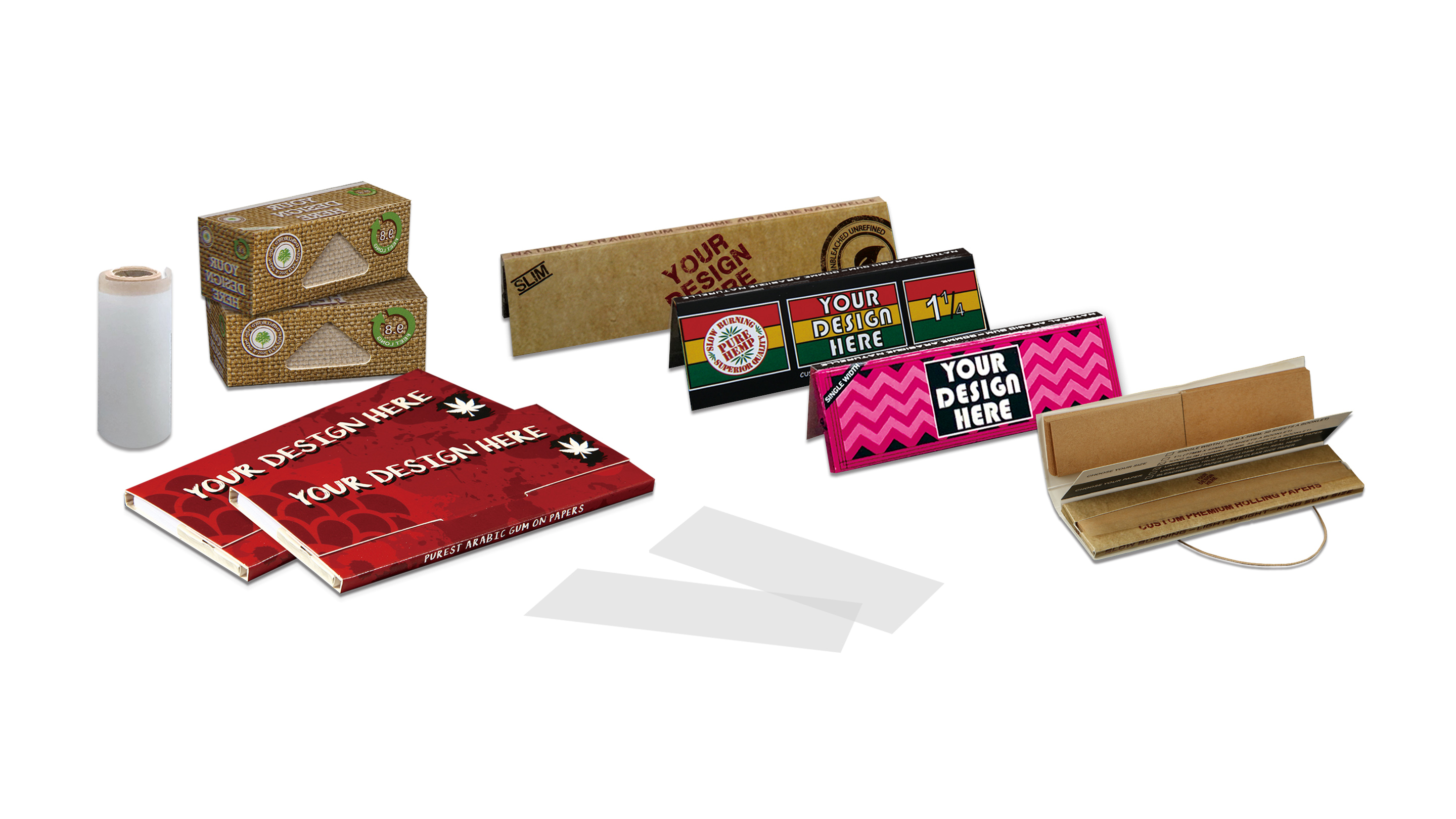
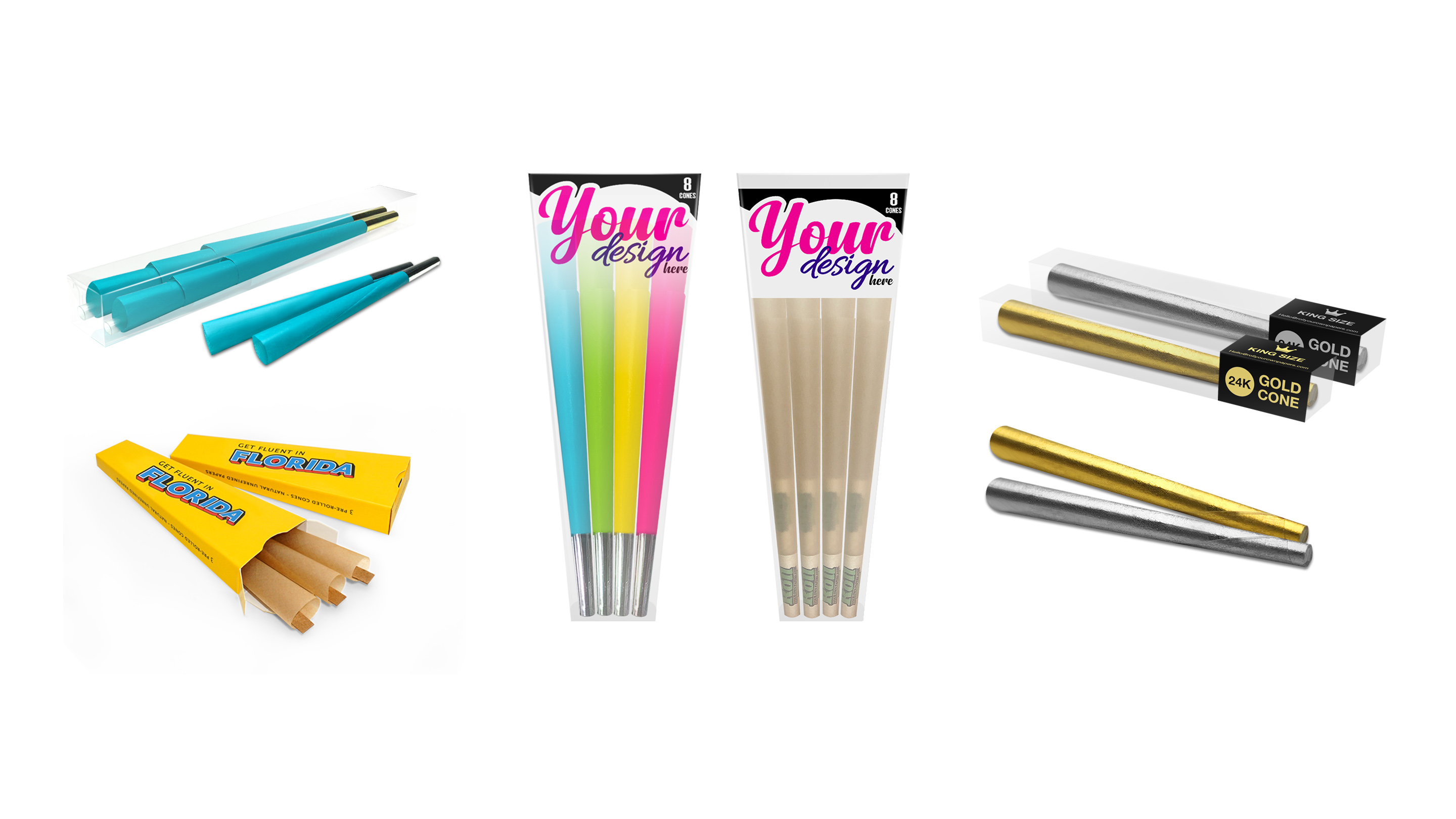
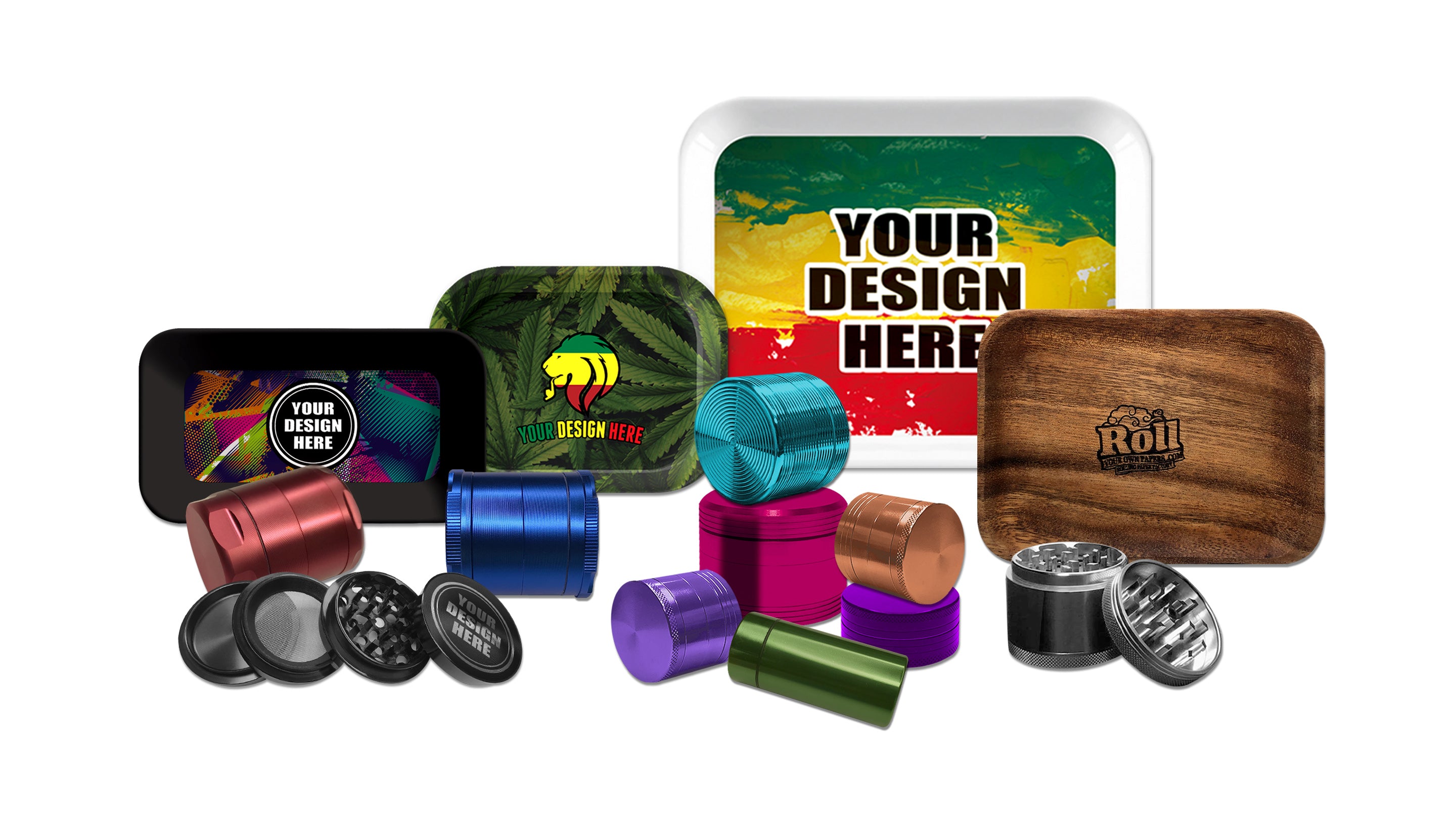
Custom rolling papers with logo are booklet-style or pre-cut sheets printed with your brand's artwork, logo, or design — right on the paper, the packaging, or both. They've quietly become one of the most effective low-cost promo products going into 2026. Stickers, pens, keychains? They don't come close to the tactile, personal experience a branded booklet delivers. Whether you're a boutique herbal brand trying to pop off retail shelves or an event planner hunting for a giveaway people will actually remember, these little booklets punch way above their weight.
Here's what most people miss, though — the paper itself is only half the story.
The booklet cover, the inner flap, the tip insert... every single surface is printable real estate. That means one booklet can carry your logo, a QR code, your social handles, a tagline, and even a coupon. All inside something that slides into a pocket. What other promo item crams that much messaging into that tiny a footprint? I honestly can't think of one.
But ordering custom rolling papers with logo isn't as simple as uploading a PNG and clicking "buy." There are paper materials to weigh, printing methods that change how colors look, minimum order quantities that swing wildly from supplier to supplier, and design pitfalls that'll tank an otherwise great concept. So this post walks through everything — first-time personal orders, large-scale wholesale campaigns, and all the messy stuff in between — so you can order with confidence.
Table of Contents
- Why Branded Rolling Papers Outperform Traditional Promo Items
- Anatomy of a Custom Rolling Paper Booklet
- Printing Methods Explained: What Actually Goes on Your Paper
- Design Tips That Make Your Logo Pop on a Tiny Surface
- Paper Materials and Sizes: Which Combo Works Best?
- Ordering, MOQ, and Lead Times for Bulk and Wholesale
- Real-World Use Cases: From Personal Projects to Festival Handouts
- 7 Mistakes That Ruin Custom Rolling Paper Orders
- Quick Comparison: Custom Paper Options at a Glance
- Frequently Asked Questions
Why Branded Rolling Papers Outperform Traditional Promo Items
Let's be honest — most promotional products end up buried in a junk drawer or tossed in the trash. Custom rolling papers with logo break that cycle for a simple reason: they're consumable, collectible, and genuinely useful. Industry estimates put the retention rate for branded rolling accessories above 70%. Compare that to roughly 50% for standard promo stuff like pens or tote bags. People hold onto these booklets. They use them. And they show them to friends.
Why does that matter so much? Because every time someone pulls out your branded booklet during a session with dried botanicals, your logo gets seen — not just by the user, but by everyone nearby. It's organic, repeated exposure with zero recurring ad spend. One booklet. Dozens of impressions.
The Psychology Behind It
There's a real reason experiential products outperform passive ones. Rolling a botanical blend is a ritual — deliberate, tactile, almost meditative for some people. When your brand becomes part of that ritual, you're not just another logo floating through someone's day. You're woven into an experience. A business card could never do that.
And honestly? The novelty factor still hasn't faded. Even now in 2026, handing someone a booklet with a crisp, full-color logo on the cover gets a reaction. It sparks conversations. It gets photographed and posted on socials. That kind of earned attention is almost impossible to buy through traditional channels.
Cost-Per-Impression Math
Let's run some quick numbers. A bulk order of 1,000 custom booklets might run you $1.50–$3.00 per unit depending on the specs. Each booklet holds 32 leaves. If even half those leaves get used in social settings — conservatively 2–3 people present each time — that's roughly 50+ brand impressions per booklet. Your cost per impression? Somewhere between $0.03 and $0.06.
Try getting that rate on Instagram. You can't.
Anatomy of a Custom Rolling Paper Booklet
Bottom line? A standard custom booklet has six printable areas, and most brands only bother with two. Here's the full breakdown so you can squeeze value out of every surface.
Front Cover
This is your hero space. It's what people see first, and it's the surface most likely to get photographed or displayed on a counter. Keep your logo prominent. Bold colors, clean typography, and a memorable design choice — that's the formula. Don't cram too much text here; it isn't a brochure.
Back Cover
About 80% of first-time buyers completely ignore this. Big mistake. The back cover is prime territory for a QR code linking to your site, a social media handle, or a punchy tagline. Some brands even print a small coupon code here — and it actually converts.
Inner Flap
The inside of the cover — visible every time someone pulls a leaf — can carry a secondary message. Think event dates, a quick brand story snippet, or a simple "Made for you by [Brand Name]." It's a subtle touch that feels intentional.
The Papers Themselves
Yes, the actual sheets can be printed on. A watermark-style logo or a subtle pattern done in food-grade soy ink adds a premium feel. Fair warning, though — not every material supports surface printing on the sheets, so check with your supplier before committing.
The Tip Insert
Many booklets include perforated filter tips. These can also be printed — it's another touchpoint most folks overlook. Even a simple logo repetition here reinforces brand consistency in a way that feels deliberate rather than heavy-handed.
Packaging and Overwrap
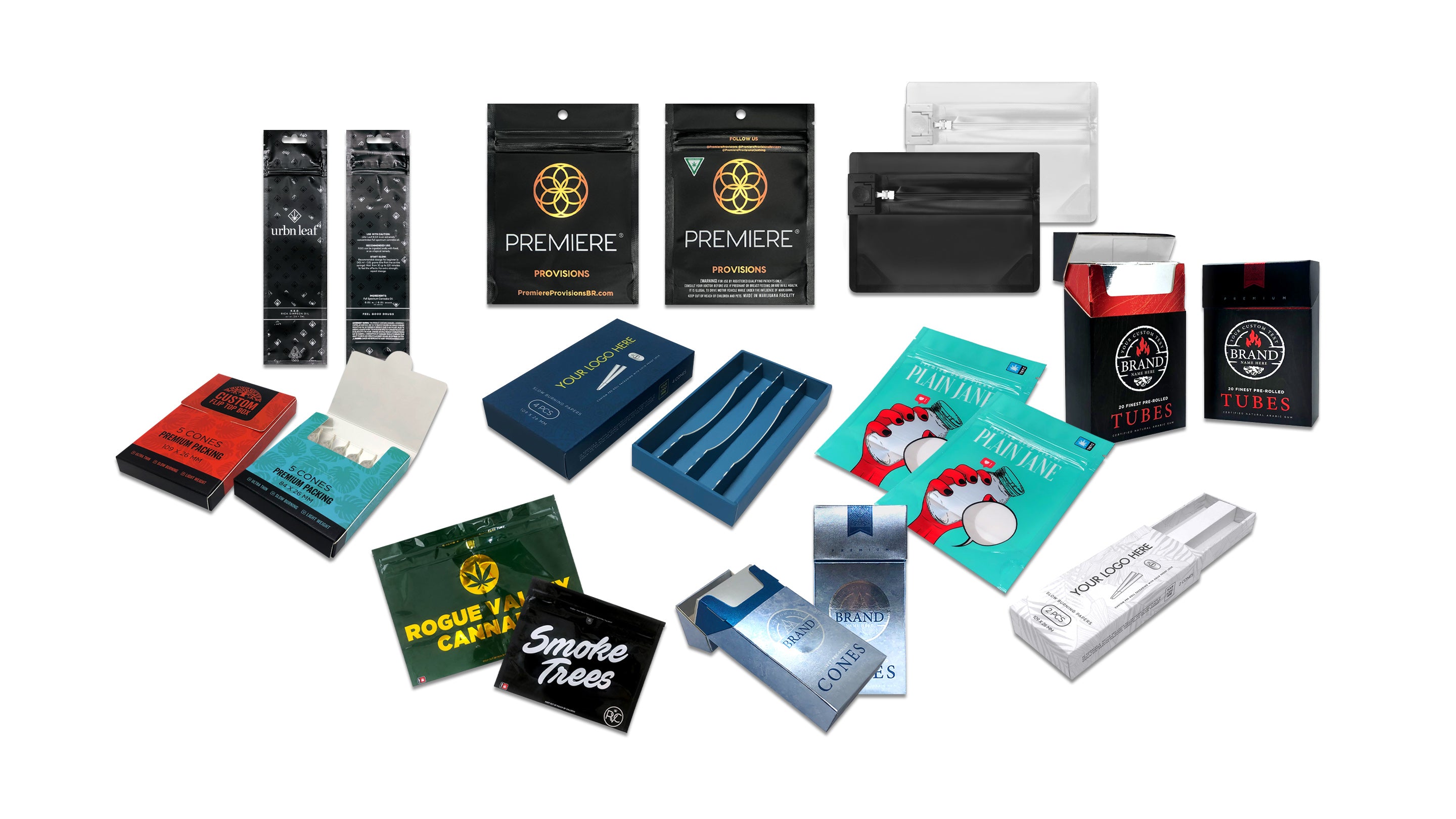
If you're ordering display boxes or multi-packs, the outer packaging is yet another canvas. Wholesale buyers especially benefit here — branded display units pull double duty as point-of-sale marketing at retail locations.
Printing Methods Explained: What Actually Goes on Your Paper
Not all printing is created equal. The method you pick affects color accuracy, texture, cost, and even how the final product feels in someone's hands. No fluff here — just what you need to know.
Digital Printing
Best for short runs and photographic detail. Digital uses CMYK inkjet technology to reproduce full-color designs with sharp resolution. It's ideal for orders under 5,000 units because there's no plate setup cost. The trade-off? Colors can shift slightly between batches, and per-unit pricing runs higher than offset at large volumes.
Offset Lithography
This is the gold standard for bulk. Offset uses custom plates — one per color — to transfer ink onto the surface. Color consistency is excellent. Per-unit cost drops dramatically at scale. And the finish quality is noticeably crisper. Most orders over 10,000 booklets use this method. The downside? There's an upfront plate fee, typically $150–$400 depending on complexity.
Foil Stamping and Embossing
Want your logo to literally shine? Foil stamping applies a metallic or holographic finish to specific elements of your cover design. Embossing adds a raised, tactile dimension you can feel with your fingertips. Both methods scream premium — and they're popular with luxury brands, limited-edition releases, and high-end corporate gifts. Expect a 15–25% bump over standard printing costs.
Soy-Based and Food-Grade Inks
Worth calling out: reputable custom paper printers use soy-based or food-grade inks exclusively. This isn't just a nice-to-have — it's an industry standard for any product that contacts dried herbs. If a supplier can't confirm their ink safety certifications, walk away. Your customers' trust depends on it.
Design Tips That Make Your Logo Pop on a Tiny Surface
A rolling paper booklet is small — usually about 78mm × 44mm for a standard 1¼ size. Designing for that surface is a completely different game than designing a poster or even a business card. Here's what separates the amateur-looking booklets from the professional ones.
Simplify Your Logo
Got intricate details, gradients, or tiny text in your logo? You'll need a simplified version for this format. Elements smaller than 2mm tend to blur or vanish during printing. Many brands create what's called a "mark-only" version — just the icon, no wordmark — specifically for small-format applications like this.
Use High-Contrast Color Combinations
Dark logo on a light background. Light logo on a dark background. Seems obvious, right? You'd be surprised how many designs arrive with medium-toned logos floating on medium-toned backgrounds. At booklet scale, contrast is everything.
Mind the Bleed and Safe Zone
Every printer requires a bleed area — usually 3mm beyond the trim line — where your background color or pattern extends to prevent white edges after cutting. Equally important: keep all critical elements (logos, text, QR codes) at least 3mm inside the trim line. That's called the safe zone. Ignoring it is the number-one cause of reprints.
Test with a Physical Mockup
Before you approve a large run, print your design at actual size on regular paper. Cut it out. Hold it in your hand. Does the logo read clearly? Is the QR code scannable at that size? This 30-second test saves hundreds of dollars in potential waste.
Consider the Paper Color
Unbleached or brown papers have a warm base tone that shifts how printed colors appear. A white logo on unbleached paper? Looks rustic and earthy — great. A full-color photo on unbleached paper? Can look muddy and washed out. Match your design palette to your paper choice — not the other way around.
Paper Materials and Sizes: Which Combo Works Best?
The short answer? It depends on your brand identity and your audience. But here's a detailed breakdown to help you land on the right call.
Paper Material Options
Ultra-Thin Rice Paper: Lightweight, almost translucent, and incredibly popular. Burns slowly and evenly. It's best for brands going for a premium, minimalist feel. Printing on the paper surface itself is limited due to how thin it is — but cover printing is still fully customizable.
Unbleached Natural Fiber: A brownish, organic-looking option that speaks to eco-conscious consumers. It's stronger than rice paper with a slightly thicker feel. Full-color cover printing works great here, and the natural look pairs really well with earthy, botanical-focused brands.
Classic Wood Pulp: The traditional choice. White, smooth, easy to print on — including the paper surface. Slightly faster burn rate than rice, but it offers the best print clarity for on-paper designs. If logo visibility on every single leaf is your priority, this is the move.
Size Options
Most custom rolling papers come in these standard sizes:
Single Wide (70mm × 36mm): Compact, classic, and familiar. Great for personal-use customers and promotional giveaways where portability matters most.
1¼ Size (78mm × 44mm): The most popular size across markets, period. Slightly wider than single — it's the Goldilocks option. Enough room for a comfortable roll without being oversized. This is the go-to for branded booklets.
King Size Slim (110mm × 44mm): A longer format preferred by experienced users and especially popular in European markets. The extended cover area gives your design more breathing room. About 35% of wholesale orders in 2026 request this size.
King Size Wide (110mm × 55mm): The largest standard option. Maximum printable area on both papers and covers. It's less common for giveaways, but popular with premium branded product lines where you want that extra design space.
Ordering, MOQ, and Lead Times for Bulk and Wholesale
If you're a brand manager, this is probably the section you've been scrolling for. Let's get into the practical side of moving custom rolling papers with logo from concept to your doorstep.
What's the Minimum Order Quantity?
At Roll Your Own Papers, minimums start lower than most competitors — often as few as 100 booklets for digital-printed orders. That said, the real value kicks in at higher volumes. Here's how pricing typically scales:
100–499 units: Highest per-unit cost, but it's accessible for testing a design, getting samples in front of stakeholders, or personal projects. Digital print only at this tier.
500–2,499 units: This is the sweet spot for small businesses, pop-up events, and limited-edition releases. Per-unit cost drops roughly 30–40% compared to the smallest tier.
2,500–9,999 units: Offset printing becomes available here. Color consistency improves. Per-unit cost drops another 20–30%. Most mid-size brand campaigns land right in this range.
10,000+ units: Full wholesale pricing. Options for foil stamping, embossing, custom box packaging, and display units all open up. Many suppliers assign dedicated account management at this level, too.
How Long Does Production Take?
Standard production timelines for custom rolling papers in 2026 look roughly like this:
Proof approval: 1–3 business days after you submit artwork. You'll receive a digital mockup to review before anything hits the press.
Production (digital): 5–10 business days after proof approval.
Production (offset): 10–18 business days after proof approval, depending on volume and finishing options.
Shipping: Domestic orders typically arrive within 3–7 business days after production wraps. International orders vary — budget 7–21 days depending on destination and shipping method.
Event planners — this one's for you. If you've got a hard deadline, add a buffer. Order at least 6 weeks before your event date. Rush production is sometimes available, but it comes with a premium (typically 20–35% surcharge) and isn't guaranteed during peak seasons like festival months.
What File Formats Do I Need?
Submit your artwork as a vector file — AI, EPS, or PDF with fonts outlined and images embedded at 300 DPI minimum. PNG files can work for digital printing but lack the scalability you need for offset. And if your logo was designed in Canva, ask your designer to export it as a PDF with bleed marks. That single step prevents 90% of file-related delays.
Real-World Use Cases: From Personal Projects to Festival Handouts
Custom rolling papers with logo aren't a one-trick product. They show up in wildly different contexts — and understanding those contexts helps you make smarter ordering decisions.
B2C: Personal and Enthusiast Use
Wedding and party favors: Couples and hosts are ordering custom papers as unique, memorable party gifts. A booklet with the couple's names, date, and a custom illustration — it's unexpected, affordable, and endlessly Instagrammable. One trend gaining serious traction in 2026: pairing branded papers with a small herbal blend sampler tucked inside a gift pouch.
Artists and content creators: Musicians, visual artists, and social media creators use branded papers as merch. The production cost is a fraction of t-shirts or posters, and fans genuinely love them. A popular approach? Limited-edition runs of 200–500 booklets featuring exclusive artwork. They sell out fast.
Personal enjoyment: Some customers just want papers that feel like theirs. A favorite quote, a pet's portrait, an inside joke between friends — personal-use orders make up a surprisingly large chunk of the custom paper market.
B2B: Brand Building, Events, and Corporate Gifting
Herbal brand merchandise: If you sell botanical blends, accessories, or related lifestyle products, branded rolling papers are the most natural extension of your product line. They reinforce brand identity at the exact moment of use — a touchpoint no banner ad can replicate.
Music festivals and events: Over 60% of event marketing managers surveyed in late 2025 said they planned to include rolling accessories in their 2026 promo budgets. Booklets are lightweight, easy to hand out, and rarely end up on the ground. Some festivals even commission exclusive, event-branded papers as collectible souvenirs.
Corporate gifting: This might sound surprising, but a growing number of lifestyle and hospitality brands are tucking custom rolling papers into curated gift boxes. Think boutique hotels, luxury subscription boxes, VIP welcome kits. The key is tasteful design — understated logos, premium materials, maybe a foil accent.
Retail and dispensary shelves: For brands selling directly to consumers through retail locations, shelf presence matters. A well-designed booklet with consistent branding across the cover, papers, and display packaging looks professional — and it commands a higher perceived value. Some brands report a 40% bump in repeat purchases after switching from generic to custom-branded packaging. That's not nothing.
7 Mistakes That Ruin Custom Rolling Paper Orders
We've seen these issues come up again and again. Dodge them and you'll save real time, real money, and a lot of frustration.
1. Submitting Low-Resolution Artwork
Anything below 300 DPI will look pixelated on the final product. Non-negotiable. If your file looks even slightly fuzzy on screen, it'll look terrible once it's printed. Always use vector formats when you can.
2. Ignoring the Bleed Area
We mentioned this earlier, but it bears repeating — because this one causes more reprints than any other issue. Extend your background design 3mm past the trim line. Keep text and logos 3mm inside it. Period.
3. Choosing the Wrong Paper for Your Ink Coverage
Heavy, dark ink coverage on ultra-thin rice paper can cause wrinkling or show-through. If your design is ink-heavy, opt for a sturdier paper stock — or simplify the on-paper design. It's an easy fix if you catch it early.
4. Skipping the Proof Approval
Some buyers rush through the proofing stage. Don't. Zoom in. Check spelling. Verify your QR code links to the right URL. A proof is your last safety net before mass production — treat it like one.
5. Ordering Too Few for an Event
If you're handing out booklets at a festival, plan for at least 1.5× the estimated attendance of your booth or activation. Papers move fast — people grab extras for friends. Running out early is a missed opportunity you simply can't get back.
6. Forgetting About Packaging
A beautifully designed booklet in a plain brown shipping box loses its impact instantly. Consider custom display boxes, cellophane wraps, or branded pouches — especially for retail or gifting applications where presentation is half the battle.
7. Not Requesting a Physical Sample First
Digital mockups are helpful, sure. But nothing replaces holding the actual product. Request a pre-production sample whenever your order size justifies it. The texture, the weight, the color accuracy — you can only fully evaluate those things in person.
Quick Comparison: Custom Paper Options at a Glance
Here's a side-by-side look at the most popular configurations for custom rolling papers with logo — organized by use case, budget, and features.
| Feature | Budget Starter | Mid-Range Brand | Premium Wholesale |
|---|---|---|---|
| Best For | Personal use, testing designs | Small business, events | Retail lines, corporate gifts |
| Typical Order Size | 100–499 booklets | 500–4,999 booklets | 5,000–50,000+ booklets |
| Print Method | Digital (CMYK) | Digital or Offset | Offset + Foil/Emboss |
| Paper Material | Classic wood pulp | Unbleached or rice | Ultra-thin rice or custom blend |
| Cover Printing | Full color, both sides | Full color, both sides | Full color + foil stamping |
| Paper Surface Print | Not included | Optional (watermark) | Custom logo on each leaf |
| Filter Tips Included | Standard (unprinted) | Printed tips available | Custom printed tips standard |
| Packaging | Standard poly bag | Cellophane wrap | Custom display box |
| Estimated Per-Unit Cost | $2.50–$4.00 | $1.50–$2.50 | $0.75–$1.50 |
| Lead Time | 1–2 weeks | 2–3 weeks | 3–5 weeks |
So which tier makes sense for you? If you're testing a concept or gifting at a small gathering, the budget starter gets you in the door without a big commitment. Scaling a brand or planning a mid-size activation? The mid-range tier hits that balance between cost and quality. And if you're building a retail product line or outfitting a nationwide campaign, the premium wholesale tier delivers the polish and consistency your brand demands.
Paper Size Comparison
| Size Name | Dimensions (mm) | Printable Cover Area | Best Use Case | Market Popularity (2026) |
|---|---|---|---|---|
| Single Wide | 70 × 36 | ~25 cm² | Compact giveaways, personal use | 20% |
| 1¼ Size | 78 × 44 | ~34 cm² | All-purpose branding, events | 40% |
| King Size Slim | 110 × 44 | ~48 cm² | Premium lines, retail products | 30% |
| King Size Wide | 110 × 55 | ~60 cm² | Maximum design real estate | 10% |
What's Changing in 2026 — And How to Stay Ahead
The custom rolling paper market isn't standing still. A few trends are reshaping what buyers expect this year, and getting a handle on them gives you a real edge.
Sustainability Is Now a Baseline Expectation
Back in 2024, eco-friendly options were a nice differentiator. In 2026, they're table stakes. Roughly 72% of consumers under 35 say they prefer brands that use recyclable or sustainably sourced packaging. Unbleached papers, soy inks, FSC-certified cover stock — these aren't premium upgrades anymore. They're what people expect. If your custom order doesn't include at least one eco-friendly element, you're already behind.
QR Code Integration Is Getting Smarter
Static QR codes linking to a homepage? That was 2023. In 2026, brands are printing dynamic QR codes on their booklet covers — codes that can be updated after printing to redirect to seasonal campaigns, new product launches, or event-specific landing pages. It's a small technical upgrade with massive marketing flexibility.
NFC-Enabled Packaging
On the premium end, some wholesale buyers are embedding NFC chips in their display packaging. A customer taps their phone against the box and gets directed to a loyalty program, a product video, or an augmented reality experience. It's still niche — but the cost per chip has dropped below $0.30 in volume, making it viable for brands ordering 10,000+ units.
Micro-Influencer Collaborations
Here's the thing — custom rolling papers with logo make perfect collaboration merch. Brands are teaming up with micro-influencers (10K–100K followers) to create co-branded booklets. The influencer promotes them to their audience, the brand gets exposure to a hyper-engaged niche, and the limited-edition angle drives urgency. It's a playbook that works surprisingly well... and at relatively low cost.
🔥 Shop Custom Rolling Papers at RYOP
Get premium custom rolling papers for your brand, event, or personal use. Bulk pricing available.
- ✔️ Premium quality
- ✔️ Custom branding available
- ✔️ Bulk & wholesale pricing
- ✔️ Fast shipping worldwide
📦 Bulk orders available | 🚚 Fast shipping | 🌱 Eco-friendly options
Frequently Asked Questions
- What's the minimum order for custom rolling papers with logo? Minimums start as low as 100 booklets for digitally printed orders. For offset printing with advanced finishes like foil stamping, most suppliers require 2,500+ units. The sweet spot for balancing cost and quality? That's typically the 500–2,500 range.
- How long does it take to get my custom papers delivered? From artwork submission to delivery, expect 2–4 weeks for most orders. That breaks down to 1–3 days for proof approval, 5–18 days for production (depending on method and volume), and 3–7 days for domestic shipping. Rush options may be available for an extra fee.
- Can I see a sample before placing a large order? Yes — and we strongly recommend it for any order over 1,000 units. You'll be able to evaluate paper quality, print color accuracy, and overall finish before committing to a full run. Digital proofs are provided on all orders regardless of size.
- Do you offer eco-friendly rolling paper options? Absolutely. Options include unbleached natural fiber papers, soy-based inks, FSC-certified cover stock, and recyclable packaging. In 2026, these aren't premium add-


Leave a comment