💸 How to Build a Seven-Figure Pre-Roll Line 🏗️ Around the RollPros™ Blackbird

The pre-roll market is exploding 🚀, and savvy operators are riding this wave straight to seven-figure revenues. But here's the thing: not everyone succeeds. The difference between struggling startups and million-dollar operations often comes down to one critical decision – investing in the right Automated Pre-Roll Joint Rolling Machine Consumables (RollPros™ Blackbird Compatible) that give you a competitive edge.
The RollPros™ Blackbird has revolutionized automated pre-roll production, but the machine is only as good as the consumables you feed it. 🎯 Custom rolling paper bobbins, custom filter tips, and custom glass tips aren't just accessories – they're the foundation of a scalable, profitable pre-roll empire. In this comprehensive guide, we're diving deep into exactly how to build, scale, and optimize a seven-figure pre-roll operation around the RollPros™ Blackbird, with a focus on the consumables strategy that separates the winners from the also-rans.
Whether you're just starting out or looking to scale your existing operation, this blueprint will show you the exact systems, strategies, and supplier partnerships you need to dominate your market. Let's get into it! 💪
📋 Table of Contents
- Why the RollPros Blackbird is Your Foundation for Seven Figures
- The Consumables Strategy That Changes Everything
- Custom Rolling Paper Bobbins: Your Brand Identity in Every Roll
- Custom Filter Tips: The Quality Signal Your Customers Notice
- Custom Glass Tips: The Premium Upsell That Boosts Your Margins
- Scaling Production: From 1,000 to 100,000 Pre-Rolls Daily
- Quality Control Systems for Consistent Output
- Cost Optimization: Maximizing Margins Without Sacrificing Quality
- Branding and Market Differentiation Through Custom Consumables
- Building Reliable Supplier Relationships for Consistency
- Automation and Efficiency: Getting the Most from Your Blackbird
- Common Mistakes That Kill Pre-Roll Profits
- Frequently Asked Questions
Why the RollPros Blackbird is Your Foundation for Seven Figures 🏆
Let's start with the obvious: you can't build a seven-figure pre-roll line rolling joints by hand. 🙅♂️ The math just doesn't work. Even with a skilled team, hand-rolling caps out at a few hundred units per day per person. The labor costs alone will destroy your margins before you ever hit six figures, let alone seven.
Enter the RollPros Blackbird – an automated pre-roll joint rolling machine that's become the industry standard for serious operators. With production speeds of up to 3,000 pre-rolls per hour and consistency that hand-rolling can never match, the Blackbird is the workhorse that makes scaling possible. But here's what most people don't understand when they first invest in a Blackbird: the machine itself is just the beginning. 🎬
The real secret to seven-figure success lies in optimizing your automated pre-roll machine consumables. Every pre-roll that comes off your Blackbird requires three critical components: rolling paper, filter tips, and (optionally) glass tips for premium products. The quality, customization, and cost-efficiency of these consumables directly impact your product quality, brand perception, and bottom-line profitability.
Think of it this way: your RollPros™ Blackbird is like a Ferrari engine. You wouldn't put cheap gas in a Ferrari, right? The same principle applies here. Premium custom rolling paper bobbins, expertly designed custom filter tips, and elegant custom glass tips are the high-octane fuel that turns your production capability into market dominance. 🏎️💨
The Consumables Strategy That Changes Everything 🎯
Most operators make a critical mistake when they start scaling their pre-roll operation: they treat consumables as a commodity. They go with whatever's cheapest or most convenient, often using generic supplies that do nothing to differentiate their product in an increasingly crowded market. This is the fastest way to become just another forgettable brand fighting on price alone. 📉
The operators who break through to seven figures understand that consumables are actually a strategic asset. Every element of your pre-roll – from the paper it's wrapped in to the tip your customer touches – is an opportunity to communicate quality, reinforce your brand, and create a memorable experience that drives repeat purchases and word-of-mouth marketing. 🌟
Your consumables strategy should address four key areas:
Brand Identity: Custom printing on rolling papers and filters turns every pre-roll into a tiny billboard for your brand. When customers see your logo, colors, and design elements consistently executed across all touchpoints, you build brand recognition and trust. 🎨
Quality Signaling: Premium consumables immediately communicate that you care about quality. A thick, slow-burning custom rolling paper bobbin material signals craftsmanship. A sturdy, well-designed custom filter tip suggests attention to detail. A beautiful custom glass tip screams premium experience. These details matter to consumers who have endless options. 💎
Production Efficiency: High-quality RollPros™ Blackbird compatible consumables actually run better on the machine. Less jamming, fewer rejects, more consistent output. What looks like a higher upfront cost often saves money through reduced downtime and waste. ⚙️
Margin Optimization: Strategic use of custom consumables allows you to segment your product line. Standard pre-rolls with basic filters for the value segment, premium pre-rolls with custom glass tips for customers willing to pay more. This product architecture is how you scale past seven figures – by serving multiple market segments with the same core production infrastructure. 📊
Custom Rolling Paper Bobbins: Your Brand Identity in Every Roll 📜
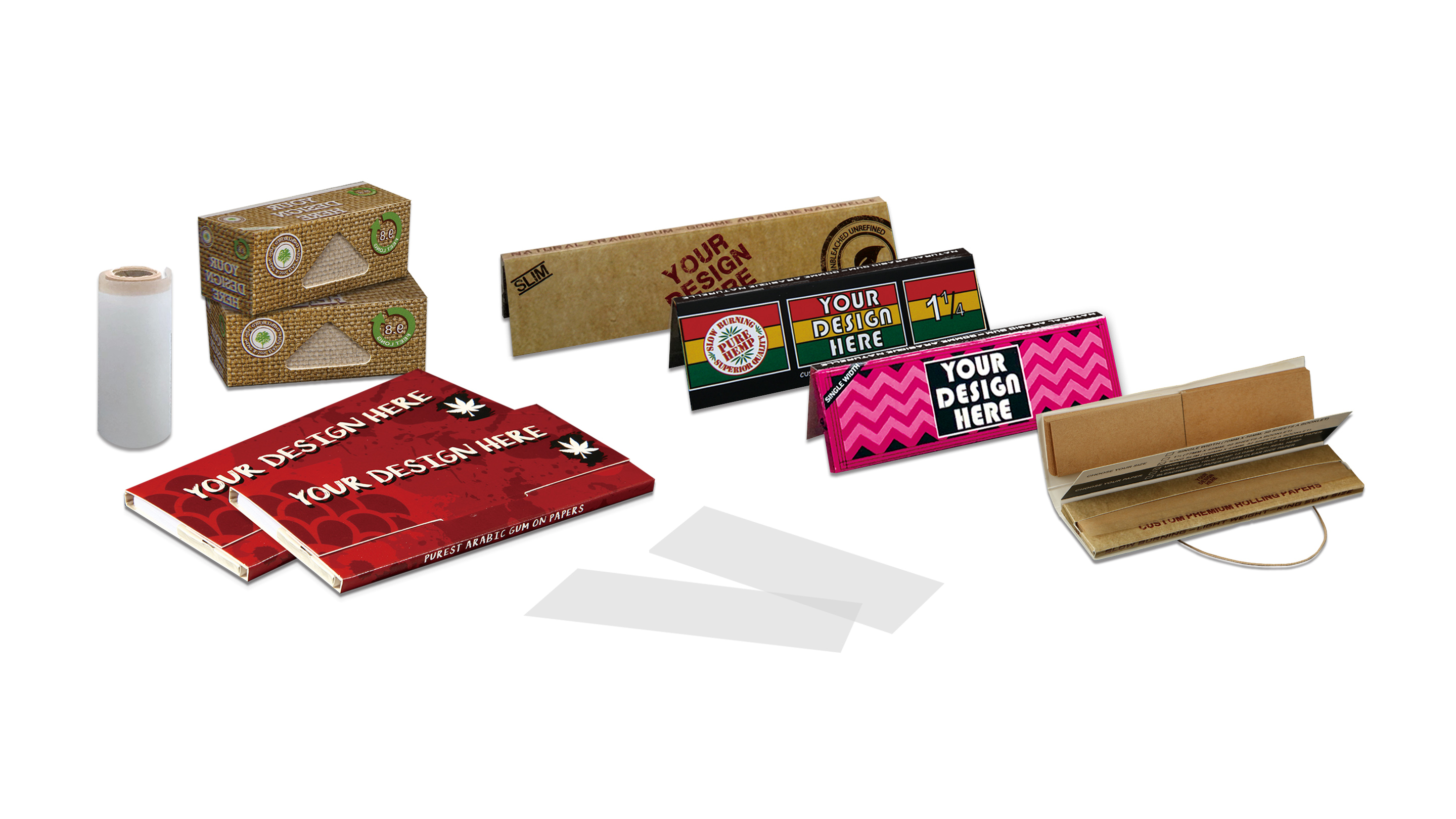
Let's talk about the most overlooked element of pre-roll production: the rolling paper itself. When you're running an automated operation with a RollPros™ Blackbird, you're not buying rolling papers by the pack – you're buying custom rolling paper bobbins, which are large spools of continuous rolling paper that feed directly into the machine. This is where standardization and customization meet. 🎪
Standard rolling paper bobbins will get the job done, but they won't build your brand. Custom rolling paper bobbins, on the other hand, transform every pre-roll into a branded experience. Here's what you can customize:
Paper Color and Material: While classic white is always popular, many seven-figure brands differentiate with colored papers – brown for a natural look, black for a premium aesthetic, or brand-specific colors that stand out on dispensary shelves. You can also choose between different materials like hemp, rice, or wood pulp, each with its own burn characteristics and consumer appeal. 🌈
Custom Printing: This is the game-changer. You can print your logo, brand name, strain information, or even decorative patterns directly onto the rolling paper. When a customer lights up your pre-roll, they see your brand. When they share it with friends, your brand gets passed around. When they post it on social media, your brand gets free advertising. The ROI on custom printing is insane when you factor in the marketing value. 📸
Paper Thickness and Burn Rate: Different paper weights affect how your pre-roll smokes. Thinner papers burn faster and create less paper taste; thicker papers burn slower and are more forgiving during the rolling process. Seven-figure operators often test different specifications to find the perfect balance for their specific flower and target customer. 🔥
Watermark and Security Features: For brands fighting counterfeiting or operating in markets with strict tracking requirements, custom watermarks and security features built into the rolling paper provide authenticity verification and regulatory compliance. 🔒
The key to success with custom rolling paper bobbins is working with a supplier who understands the RollPros Blackbird's specifications. Paper width, core size, tension, and material properties all need to be optimized for smooth feeding and consistent rolling. Cheap bobbins that jam or tear cost you way more in downtime than you save on the purchase price. Always prioritize quality and compatibility over rock-bottom pricing. ✅
Custom Filter Tips: The Quality Signal Your Customers Notice 🎯
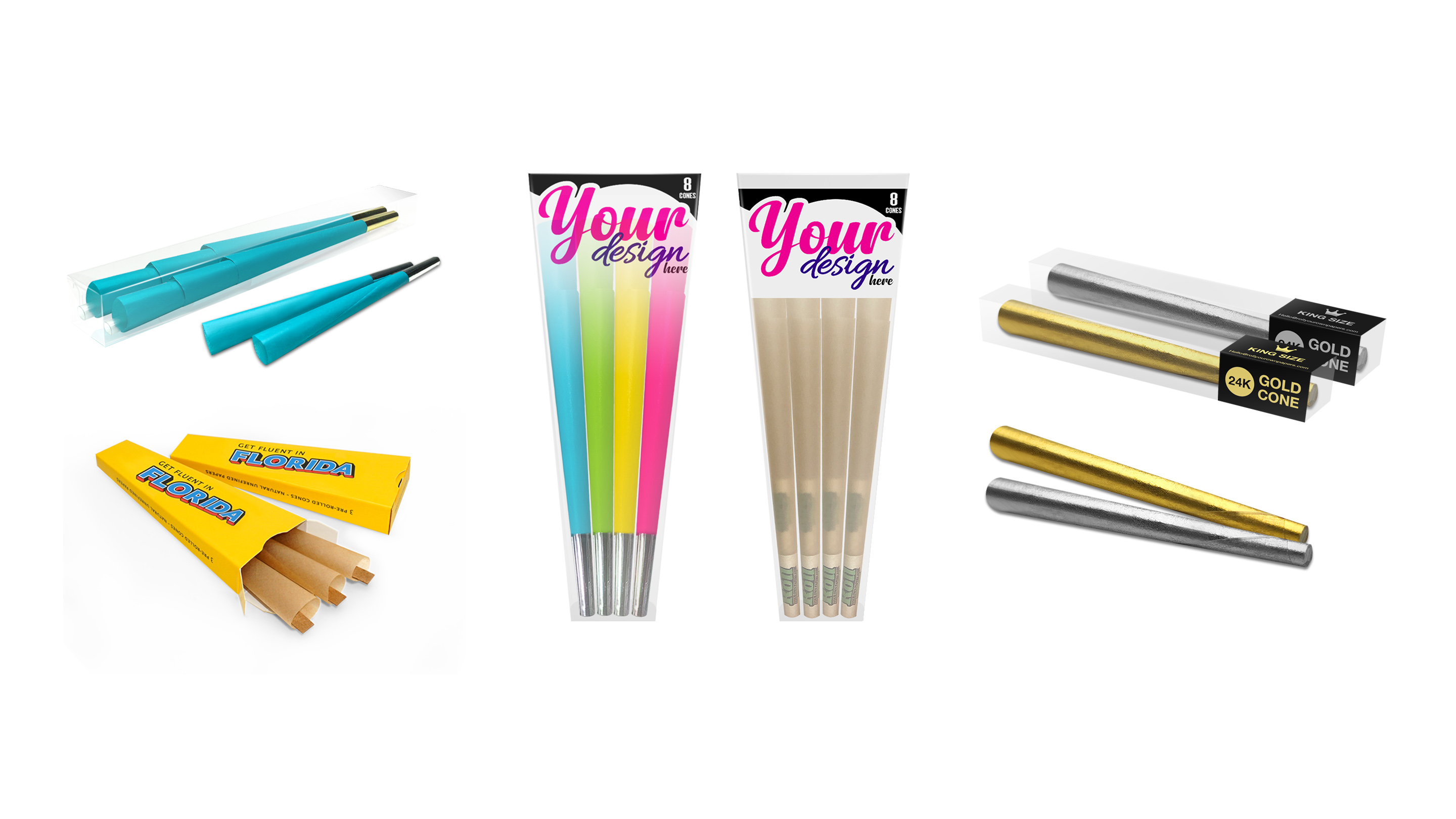
If rolling papers are your canvas, filter tips are your signature. Every customer interacts directly with your filter tip – they touch it, they look at it, they judge your product by it. This makes custom filter tips one of your most important brand touchpoints, yet many operators still use generic white filters with no branding. What a missed opportunity! 😱
Custom filter tips for your RollPros Blackbird operation should accomplish several goals simultaneously:
Structural Integrity: The filter needs to be firm enough to provide good airflow and structure, but not so stiff that it's uncomfortable to hold or smoke. Quality custom filter tips use precisely calibrated paperboard that maintains its shape throughout the smoking experience. Cheap filters can collapse, get soggy, or restrict airflow – instant buzzkill for your customer. 👎
Brand Visibility: Your filter tip is often the most visible part of a pre-roll when it's sitting in a tube or on display. Custom printing on the filter – your logo, brand colors, strain name, or other design elements – makes your product instantly recognizable. Some operators print different colors for different product lines (indica vs sativa vs hybrid), creating an intuitive visual system for customers. 🌈
Diameter Consistency: For automated pre-roll machine consumables to work smoothly with the RollPros Blackbird, filter tip diameter needs to be extremely consistent. Even small variations can cause jamming or loose joints. Seven-figure operators work with suppliers who can deliver filter tips with tight tolerance control, ensuring every single unit works perfectly with the machine. 📏
Cooling and Filtration: While the term "filter" is a bit of a misnomer (these aren't filters in the traditional sense), quality tips do affect the smoking experience by providing some cooling and debris blocking. Different perforation patterns, accordion folding styles, and materials can all impact how the pre-roll smokes. Testing different configurations to find what works best for your specific flower is part of the optimization process. 🧊
Pro tip: Consider having multiple custom filter tip designs in your arsenal. Standard filters for your core line, premium filters with metallic foil printing for your high-end products, and even novelty shapes or extra-long filters for special editions. This product variety is how you capture different market segments and price points without needing different production equipment. 💡
Custom Glass Tips: The Premium Upsell That Boosts Your Margins 💎
Now we're getting into the premium segment where the real money is made. Custom glass tips are the ultimate luxury add-on for pre-rolls, and they can literally double or triple your per-unit revenue with minimal additional cost. If you're serious about hitting seven figures, you need a glass tip product line. Period. 💰
Here's why custom glass tips are so powerful from a business perspective:
Perceived Value: Glass tips immediately signal premium quality. Customers associate glass with cleaner taste, better smoking experience, and higher-quality cannabis. Even though the actual cost difference between a standard filter and a glass tip might only be a dollar or two, customers are often willing to pay $5-10 more per pre-roll for the glass tip experience. That's pure margin in your pocket. 🤑
Reusability Marketing: Savvy operators market their glass tip pre-rolls as more sustainable because the tip can be cleaned and reused. This appeals to environmentally conscious consumers and provides justification for the premium price point. Plus, every time a customer reuses your branded glass tip, they're reminded of your brand. It's a physical marketing asset that stays with the customer. ♻️
Product Differentiation: In a crowded market, glass tip pre-rolls stand out visually and physically. They look different on the shelf, they feel different in hand, and they smoke different. This differentiation is crucial when you're competing for attention in a dispensary with hundreds of other products. 🌟
Instagram-Worthy: Let's be real – glass tip pre-rolls are gorgeous, and people love to photograph them. Every social media post featuring your custom glass tip pre-rolls is free advertising. The visual appeal of glass combined with your custom branding creates shareable content that extends your marketing reach organically. 📱
The key to success with custom glass tips is finding a supplier who can produce RollPros Blackbird compatible tips at scale. The tip diameter needs to work seamlessly with your automated production process – no hand-inserting or retrofitting required. The best setups allow you to simply swap between paper filter tips and glass tips on the same machine without reconfiguration, giving you ultimate flexibility in your product mix. 🔄
Design-wise, custom glass tips offer tons of branding opportunities: colored glass, frosted sections, laser etching, and even filled tips with decorative elements inside the glass. Seven-figure brands often have signature glass tip designs that become instantly associated with their product, creating powerful brand recognition and collector appeal. 🎨
Scaling Production: From 1,000 to 100,000 Pre-Rolls Daily 📈
Let's talk numbers, because seven figures doesn't happen by accident – it requires systematic scaling. The RollPros Blackbird can produce up to 3,000 pre-rolls per hour at maximum efficiency, which translates to roughly 24,000 units in an 8-hour shift, or up to 72,000 units if you're running three shifts around the clock. But here's the reality: you're not going to hit these numbers right out of the gate. 📊
Successful scaling happens in stages:
Stage 1: Single-Shift Operation (1,000-10,000 units/day): You start with one Blackbird, one operator, one shift. You're figuring out your consumables supply chain, dialing in your processes, and building your initial customer base. At this stage, focus on quality over quantity. Use this time to test different custom rolling paper bobbins, custom filter tips, and production parameters to find your optimal configuration. 🎯
Stage 2: Multi-Shift Operation (10,000-30,000 units/day): Once you've proven product-market fit and demand is growing, you add shifts. Maybe you go to two shifts, then three. You're now thinking about employee training, shift handoff procedures, and consumables inventory management. Your automated pre-roll machine consumables supplier relationships become critical here – you need reliable, consistent deliveries to avoid production disruptions. 🏭
Stage 3: Multi-Machine Operation (30,000-100,000+ units/day): This is where seven figures happens. You've got multiple Blackbirds running simultaneously, possibly multiple production facilities. You're negotiating bulk pricing on custom consumables, optimizing workflows, and thinking about automation beyond just the rolling process itself (automated packing, labeling, quality control). At this level, even small efficiency improvements translate to massive profit increases. 💪
The critical insight is that your consumables strategy needs to evolve with each stage. Early on, you might order smaller quantities more frequently while you're still dialing things in. As you scale, you'll want to lock in bulk pricing on your custom rolling paper bobbins, custom filter tips, and custom glass tips – but only after you've thoroughly tested and validated your specifications. Nothing kills profits faster than being stuck with 50,000 filters that don't work well with your machine or flower. 🚫
Quality Control Systems for Consistent Output ✅
Here's an uncomfortable truth: automated production amplifies both excellence and mistakes. If your process is dialed in, automation gives you perfect consistency at scale. But if there are problems in your process, automation will pump out defective products at the same impressive rate. Quality control isn't optional when you're chasing seven figures – it's the foundation of everything. 🏗️
Your quality control system should cover:
Incoming Consumables Inspection: Every batch of custom rolling paper bobbins, custom filter tips, and other RollPros Blackbird compatible consumables should be inspected upon arrival. Check for dimension consistency, print quality, material defects, and any issues that could cause production problems. Catching bad consumables before they hit your production line saves massive headaches. 🔍
Machine Calibration and Maintenance: Your RollPros Blackbird should be calibrated regularly and maintained according to manufacturer specifications. Keep detailed maintenance logs. Replace worn parts proactively. A well-maintained machine produces better quality and experiences fewer breakdowns – both critical for hitting production targets. 🔧
In-Process Quality Checks: Don't wait until the end of a production run to discover problems. Implement regular quality checks throughout production – every 100 units, every 500 units, whatever makes sense for your operation. Check weight consistency, packing density, filter insertion, and overall appearance. Catch issues early when you can adjust and minimize waste. ⚖️
Final Product Testing: Every batch should go through final quality control before packaging. This includes visual inspection, weight verification, and smoke testing. Yes, smoke testing – you need to actually smoke random samples from each batch to ensure they burn properly, taste good, and provide the expected experience. If you wouldn't smoke it, you shouldn't sell it. 💨
Documentation and Traceability: For regulatory compliance and business intelligence, document everything. Track which consumables batch was used in which production run, track defect rates, track customer feedback. This data helps you continuously improve and provides evidence of your quality processes for regulators and auditors. 📋
Seven-figure operators often implement formal quality management systems – sometimes even pursuing certifications like ISO or Good Manufacturing Practices. While this might seem like overkill for cannabis products, the discipline and documentation these systems require actually makes scaling much easier and provides competitive advantages in markets where quality is heavily scrutinized. 🏆
Cost Optimization: Maximizing Margins Without Sacrificing Quality 💰
Let's talk about the money side, because seven-figure revenue means nothing if you're not actually profitable. The pre-roll business can have great margins if you manage costs well, or it can be a race to the bottom if you don't. Your consumables represent a significant portion of your per-unit cost, so optimization here directly impacts your profitability. 📊
Volume Discounting: The more you buy, the less you pay per unit. This is obvious, but the strategy is in finding the right balance. Ordering six months of custom rolling paper bobbins might get you a great price per bobbin, but it ties up capital and warehouse space. Plus, what if you want to change specifications or branding? Work with your consumables suppliers to find volume discount tiers that make sense for your current scale and growth rate. 📦
Supplier Diversification: While building strong relationships with your primary suppliers is important, having backup suppliers for critical automated pre-roll machine consumables protects you from supply disruptions and gives you negotiating leverage. Even if you do 80% of your business with one supplier, maintaining relationships with alternatives ensures you're never held hostage by supply issues or price increases. 🤝
Waste Reduction: Every pre-roll that doesn't pass quality control represents wasted consumables and wasted cannabis. Optimizing your production process to minimize rejects directly improves your margins. This might mean better machine calibration, better operator training, better flower preparation, or better consumables quality. Track your rejection rate religiously and work to reduce it over time. 📉
Product Mix Optimization: Remember how we talked about having different product tiers? This is where it pays off financially. Your standard pre-rolls with basic custom filter tips might have lower margins but high volume. Your premium pre-rolls with custom glass tips might have much higher margins but lower volume. The mix of these products in your overall sales is what determines your profitability. Many seven-figure operators aim for 60-70% standard products and 30-40% premium products for optimal margin performance. 🎯
Process Efficiency: Faster production means lower labor costs per unit. Optimizing your RollPros Blackbird operation for maximum throughput without sacrificing quality directly improves your margins. This might involve better flower preparation, faster consumables loading procedures, optimized curing and trimming processes, or simply better-trained operators who can keep the machine running at peak efficiency. ⚡
The key insight is that cost optimization is never just about buying cheaper stuff. It's about getting the best value – the optimal balance of quality, reliability, and price that supports your brand positioning and profit goals. Cutting costs in the wrong places (cheap consumables that cause problems, inadequate quality control, poor supplier relationships) will cost you way more in the long run through quality issues, customer complaints, and lost reputation. 💡
Branding and Market Differentiation Through Custom Consumables 🎨
In a market flooded with pre-rolls, how do you stand out? The answer increasingly lies in the details – and your custom rolling paper bobbins, custom filter tips, and custom glass tips are some of the most important details you control. Let's talk about how seven-figure brands use consumables as a differentiation strategy. 🌟
Signature Aesthetic: Develop a distinctive look that customers associate with your brand. This might be a signature color scheme, a unique printing style, a specific paper texture, or a recognizable glass tip design. When your pre-rolls are instantly identifiable without even reading the label, you've achieved true brand differentiation. Think about how you can recognize a Coca-Cola bottle by its shape alone – that's the level of brand recognition to aspire to. 🎭
Storytelling Through Design: Your consumables are a canvas for storytelling. Print strain information on filters, include terpene profiles on papers, add educational content or art to your packaging. Brands that educate and engage customers through thoughtful design build deeper connections and command premium pricing. Every touchpoint is an opportunity to reinforce your brand narrative. 📖
Limited Editions and Collaborations: The flexibility of custom consumables allows you to do special runs without massive investment. Collaborate with artists to create limited-edition filter designs, do holiday-themed papers, create collector series with unique glass tips. These special editions create excitement, urgency, and social media buzz – all of which drive sales and build brand value. 🎉
Sustainability Positioning: As cannabis consumers become more environmentally conscious, your consumables choices become a brand statement. Using sustainable materials for your custom rolling paper bobbins, promoting reusable glass tips, using eco-friendly inks for printing – these choices appeal to green-minded consumers and differentiate you from competitors who haven't prioritized sustainability. 🌱
Quality Signaling: Every element of your pre-roll should signal the quality level of your product. Premium custom filter tips with metallic printing, thick slow-burning custom rolling papers, artisan glass tips – these details tell customers that you care about quality before they even light up. In blind tests, packaging and presentation influence perceived product quality as much as the actual cannabis does. That's not superficial – that's smart business. 💎
Building Reliable Supplier Relationships for Consistency 🤝
You know what kills seven-figure dreams faster than anything? Running out of consumables and having to shut down production. Or receiving a batch of defective custom rolling paper bobbins that jam your RollPros Blackbird. Or discovering that your supplier can't scale to meet your growing demand. Your supplier relationships are mission-critical, and they need to be managed strategically. 🎯
Supplier Selection Criteria: When choosing suppliers for your automated pre-roll machine consumables, look beyond just price and minimum order quantities. Consider production capacity (can they grow with you?), quality control processes, lead times, customization capabilities, RollPros Blackbird compatibility expertise, and communication responsiveness. A slightly more expensive supplier who delivers consistent quality and can scale with you is worth way more than a cheaper supplier who causes headaches. ✅
Communication and Planning: Give your suppliers visibility into your growth plans and demand forecasts. They can't support your scaling if they're constantly surprised by order size increases. Regular communication about your production schedule, upcoming promotions, and business goals helps suppliers prepare and ensures they can meet your needs. Treat them as partners, not just vendors. 💬
Quality Agreements: Formalize quality expectations with your suppliers. What are the acceptable tolerances for custom filter tips diameter? What defect rate is acceptable for custom rolling paper bobbins? What turnaround time do you need for custom glass tips orders? Having these details in writing prevents misunderstandings and gives you recourse if quality issues arise. 📝
Backup Plans: Even the best supplier can experience problems – natural disasters, equipment failures, supply chain disruptions. Having qualified backup suppliers for your critical consumables is insurance against production disruptions. You might pay slightly more per unit to maintain these relationships, but it's worth it for the peace of mind and business continuity protection. 🛡️
Long-Term Partnerships: As you grow into seven figures, look for opportunities to deepen supplier relationships. Maybe you commit to minimum annual purchase volumes in exchange for guaranteed pricing and priority production. Maybe you collaborate on R&D for new consumables innovations. Maybe you provide testimonials and marketing support in exchange for preferred customer status. These strategic partnerships create competitive advantages that pure transactional relationships can't provide. 🏆
Automation and Efficiency: Getting the Most from Your Blackbird ⚙️
The RollPros Blackbird is a sophisticated piece of equipment, but like any machine, its output is directly tied to how well you operate and maintain it. Seven-figure operators don't just buy the machine and hope for the best – they systematically optimize every aspect of their automated production process. Let's talk about how to squeeze every bit of efficiency out of your operation. 💪
Operator Training: Your machine operators are critical to production efficiency. Invest in comprehensive training not just on basic operation, but on troubleshooting, preventive maintenance, and quality control. A skilled operator can spot problems early, minimize downtime, and maintain consistent output quality. Many seven-figure operations have dedicated training programs and certification systems for their production staff. 👨🏫
Consumables Loading Efficiency: How quickly can your team reload custom rolling paper bobbins, refill custom filter tips hoppers, and change out other consumables? These transitions are non-productive time, so optimizing them directly improves your overall throughput. Consider implementing staging systems where the next consumables are pre-positioned for quick changeover, implement standard work procedures for loading, and track changeover times to identify improvement opportunities. ⚡
Preventive Maintenance: Don't wait for things to break. Implement a preventive maintenance schedule based on production hours or cycle counts. Regular cleaning, lubrication, alignment checks, and parts replacement prevent unexpected breakdowns and maintain consistent production quality. Downtime is expensive when you're chasing seven figures – an hour of production lost is hundreds or thousands of units you can't sell. 🔧
Upstream Process Optimization: Your RollPros Blackbird is only as efficient as the processes feeding it. If your flower isn't ground properly, isn't at the right moisture content, or isn't pre-weighed accurately, you'll experience more jams, rejects, and quality issues. Look at your entire production workflow and optimize every step that impacts your automated pre-roll production. 🌿
Data and Analytics: Track everything: production rates by shift, rejection rates by operator, downtime causes and duration, consumables usage rates, quality metrics, and any other data points relevant to your operation. This data tells you where problems are, where opportunities lie, and whether your optimization efforts are actually working. Many operators implement manufacturing execution systems or at least detailed spreadsheet tracking to manage this data. 📊
Continuous Improvement: The most successful operations embrace a culture of continuous improvement. Hold regular team meetings to discuss problems and brainstorm solutions, implement suggestions from operators who work with the equipment daily, test process changes systematically, and always be looking for that next 1% efficiency gain. Over time, these small improvements compound into massive competitive advantages. 📈
Common Mistakes That Kill Pre-Roll Profits 🚫
Let's talk about what not to do, because avoiding mistakes is often more important than doing everything perfectly. Here are the most common mistakes that prevent pre-roll operations from reaching seven figures – learn from others' mistakes instead of making them yourself! 😅
Mistake #1: Cheating on Consumables Quality: Using cheap custom rolling paper bobbins that jam constantly, filters that collapse, or glass tips that don't fit properly might save you 10 cents per unit, but it'll cost you dollars in downtime, rejects, and customer complaints. Always prioritize quality and RollPros Blackbird compatibility over rock-bottom pricing. 💸
Mistake #2: Inconsistent Product Quality: Customers who get an amazing pre-roll one time and a mediocre one the next time won't become loyal repeat buyers. Consistency is king in consumer products, and achieving it requires rigorous quality control, properly trained operators, and reliable consumables supplies. Don't scale until you've nailed consistency at smaller volumes. 📉
Mistake #3: Underinvesting in Branding: Treating pre-rolls as a commodity is a race to the bottom. If your product looks generic, customers will treat it as generic and shop based on price alone. Custom rolling paper bobbins with your branding, distinctive custom filter tips, and premium custom glass tips options are investments in brand value that pay off through customer loyalty and premium pricing power. 🎨
Mistake #4: Poor Inventory Management: Running out of critical automated pre-roll machine consumables halts production and costs you money. Overstocking ties up capital and warehouse space. Implement inventory management systems that trigger reorders at appropriate levels, account for lead times, and maintain safety stock for critical items. 📦
Mistake #5: Neglecting Compliance: Cannabis regulations are complex and constantly evolving. Failing to maintain proper documentation, using non-compliant packaging or labeling, or cutting corners on testing can result in fines, product recalls, or losing your license entirely. Stay on top of regulatory requirements and build compliance into your processes from day one. ⚖️
Mistake #6: Scaling Too Fast: There's a time to grow aggressively, but trying to go from 1,000 to 100,000 units per day overnight usually ends badly. Scale systematically, fixing problems at each stage before moving to the next level. Make sure your consumables supply chain, quality control systems, operator training, and distribution channels can all support the next stage of growth before you leap. 🐢
Mistake #7: Ignoring Customer Feedback: Your customers will tell you what's working and what's not if you listen. Pay attention to reviews, comments, returns, and complaints. If customers consistently say your pre-rolls are too loose, or burn too fast, or taste like paper, those are signals that you need to adjust your consumables or production parameters. The market will tell you what to fix if you're paying attention. 👂
Mistake #8: Failing to Innovate: The pre-roll market evolves quickly. New products, new formats, new consumption methods, new customer preferences – what works today might not work next year. Keep testing new ideas, stay aware of market trends, and be willing to adapt your product line and consumables strategy as the market evolves. Standing still is moving backward in a rapidly growing industry. 🚀
Frequently Asked Questions ❓
What makes RollPros Blackbird compatible consumables different from standard rolling papers?
RollPros Blackbird compatible consumables are specifically designed for automated pre-roll machines, with precise dimensions, consistent quality, and proper material properties for smooth machine operation. Standard rolling papers aren't engineered for high-speed automated equipment and can cause jams, tears, or inconsistent output. Custom rolling paper bobbins designed for the Blackbird come in continuous spools with the exact width, thickness, and tension needed for reliable automated production. 🎯
How much do custom rolling paper bobbins cost compared to generic options?
Custom rolling paper bobbins typically cost 20-50% more than generic alternatives, but the difference is often recouped through reduced downtime, lower reject rates, and the branding value of custom printing. At scale, many operators find that premium consumables actually cost less per successfully produced pre-roll when you factor in efficiency and quality benefits. Plus, custom branding can justify 10-20% higher retail prices, turning the cost difference into pure profit. 💰
Can I use any filter tips with the RollPros Blackbird?
Technically you can try, but the machine is calibrated for specific filter tip dimensions. Using tips that are too large or too small can cause jams, loose joints, or machine errors. Always use custom filter tips that are specifically sized for the RollPros Blackbird, and work with suppliers who understand the machine's requirements. Dimensional consistency is critical – even small variations can cause problems at high production speeds. ⚙️
What's the minimum order quantity for custom glass tips?
Minimum order quantities vary by supplier and customization level. Basic custom glass tips with logo etching might have minimums around 1,000-5,000 units. More complex customization like colored glass or special shapes might require 10,000+ units. As you scale toward seven figures, these minimums become less of a concern, but early-stage operators should plan for the capital requirement of larger consumables orders. 📦
How long does it take to get custom rolling paper bobbins printed with my logo?
Lead times typically range from 2-6 weeks depending on the supplier, customization complexity, and order size. First orders usually take longer as artwork is finalized and printing plates are created. Reorders of the same design are faster. Plan ahead and maintain inventory buffers to avoid production disruptions while waiting for custom consumables. Many seven-figure operators keep 30-60 days of inventory on hand for critical items. 📅
What's better for premium products: custom glass tips or premium filter tips?
Both have their place! Custom glass tips offer the highest perceived value and best margins, but they're not right for every customer or situation. Many successful operators offer both: premium pre-rolls with enhanced custom filter tips (foil printing, special patterns) at a mid-tier price point, and ultra-premium pre-rolls with custom glass tips at the top of the range. This tiered approach lets you serve multiple market segments with slightly different automated pre-roll machine consumables without different production equipment. 💎
How do I know if my consumables are causing quality problems?
Track your reject rate and look for patterns. If rejection rates spike after loading new consumables, that's a red flag. Common signs of consumables problems include frequent jams, inconsistent pre-roll density, papers that tear during rolling, filters that come loose, or burn quality issues. Implement systematic quality testing when you receive new consumables batches, and don't be afraid to reject batches that don't meet your specifications. 🔍
Should I buy consumables from multiple suppliers or stick with one?
The best approach is typically a primary supplier for most of your volume (for relationship building and volume discounts) plus qualified backup suppliers for critical items (for supply chain resilience). Having all your eggs in one basket creates vulnerability to supply disruptions, but working with too many suppliers makes quality control and relationship management difficult. Most seven-figure operators use 2-3 carefully selected suppliers across their consumables needs. 🤝
🚀 Ready to Build Your Seven-Figure Pre-Roll Empire?
Transform your RollPros Blackbird into a profit-generating machine with premium custom consumables that elevate quality, strengthen your brand, and maximize margins! 💎
- ✔️ Custom Rolling Paper Bobbins with your logo & branding
- ✔️ Custom Filter Tips sized perfectly for automated production
- ✔️ Premium Custom Glass Tips for high-margin products
- ✔️ RollPros Blackbird Compatible – guaranteed smooth operation
- ✔️ Bulk pricing available for serious operators
- ✔️ Fast, reliable shipping to keep your production running
📦 Bulk orders welcome | 🚚 Worldwide shipping | 🎯 Custom solutions for large operations



Leave a comment