
How to Buy Custom Pre-Rolled Cones Wholesale in 2026

Custom pre-rolled cones wholesale means ordering branded, pre-shaped cones — printed with your logo, artwork, or unique design — in bulk. We're talking quantities that typically start around 1,000 units and scale all the way up to 100,000 or more. Going the wholesale route slashes your per-unit costs dramatically — often 40–65% below retail. But here's the real kicker: it turns a basic rolling accessory into a branded marketing asset that people actually hold onto and use.
Most people who start researching wholesale custom cones fixate on the price break. That matters, sure. But the bigger story? It's what that branded cone does for your business after it leaves the box.
A well-designed custom cone gets passed around at events. It sits on someone's countertop. It shows up in social media posts. It keeps working for you long after you've paid for it. And with the herbal accessories market on track to top $4.2 billion globally in 2026, there's never been more demand — or more competition — for products that actually pop on a shelf.
Whether you're a brand manager sourcing your first run of branded cones, an event planner hunting for giveaways people won't toss in the trash, or just someone who wants a personalized touch for your botanical sessions — this guide walks through everything you need before placing that order. No fluff. Just practical details that'll save you time, money, and a few headaches along the way.
Table of Contents
- Why Generic Wholesale Cones Leave Money on the Table
- What Makes a Cone "Custom" — And Why It Matters
- Cone Sizes, Materials, and Specs: A Wholesale Buyer's Breakdown
- Understanding MOQs and Pricing Tiers
- Printing Methods That Actually Hold Up
- How to Submit Artwork Without Delays
- Real-World Use Cases: Who's Ordering and Why
- Storage, Shelf Life, and Fulfillment Tips
- Common Wholesale Ordering Mistakes (And How to Dodge Them)
- How to Choose the Right Wholesale Cone Partner
- Frequently Asked Questions
Why Generic Wholesale Cones Leave Money on the Table
Let's be honest — buying plain, unbranded cones in bulk is cheap. You can find pallets of generic white or brown cones at rock-bottom prices. So why would anyone pay more for custom printing?
Because generic cones are invisible. They don't tell a story. They don't build loyalty. And they sure don't get photographed and shared online. A 2025 accessories industry survey found that 72% of consumers said they were more likely to remember — and repurchase from — a brand whose logo appeared on the actual product, not just the packaging. That's a massive gap between "disposable commodity" and "brand touchpoint."
Put yourself in the end user's shoes for a second. Someone reaches for a cone at a gathering. If it's blank? Forgotten before it's finished. But if it's got a clean logo, a striking design, maybe a clever tagline? That's a conversation starter. That's earned impressions you didn't have to pay an ad platform for.
And the cost gap between generic bulk cones and custom-printed wholesale cones? It's shrunk a lot. Advances in digital cone printing mean you're often looking at just $0.03–$0.08 more per unit for full-color branding at scale. For most businesses, that's a rounding error in the marketing budget — but the return on visibility is enormous.
The Hidden Cost of "Cheap"
Here's something worth flagging: generic wholesale cones vary wildly in quality. Without a trusted supplier relationship, you might end up with cones that have inconsistent glue lines, uneven burns, or paper that tears during filling. Branded wholesale orders, on the other hand, typically go through stricter quality control — because the supplier knows their printing reputation is on the line. You're not just buying a logo. You're buying a quality floor.
What Makes a Cone "Custom" — And Why It Matters
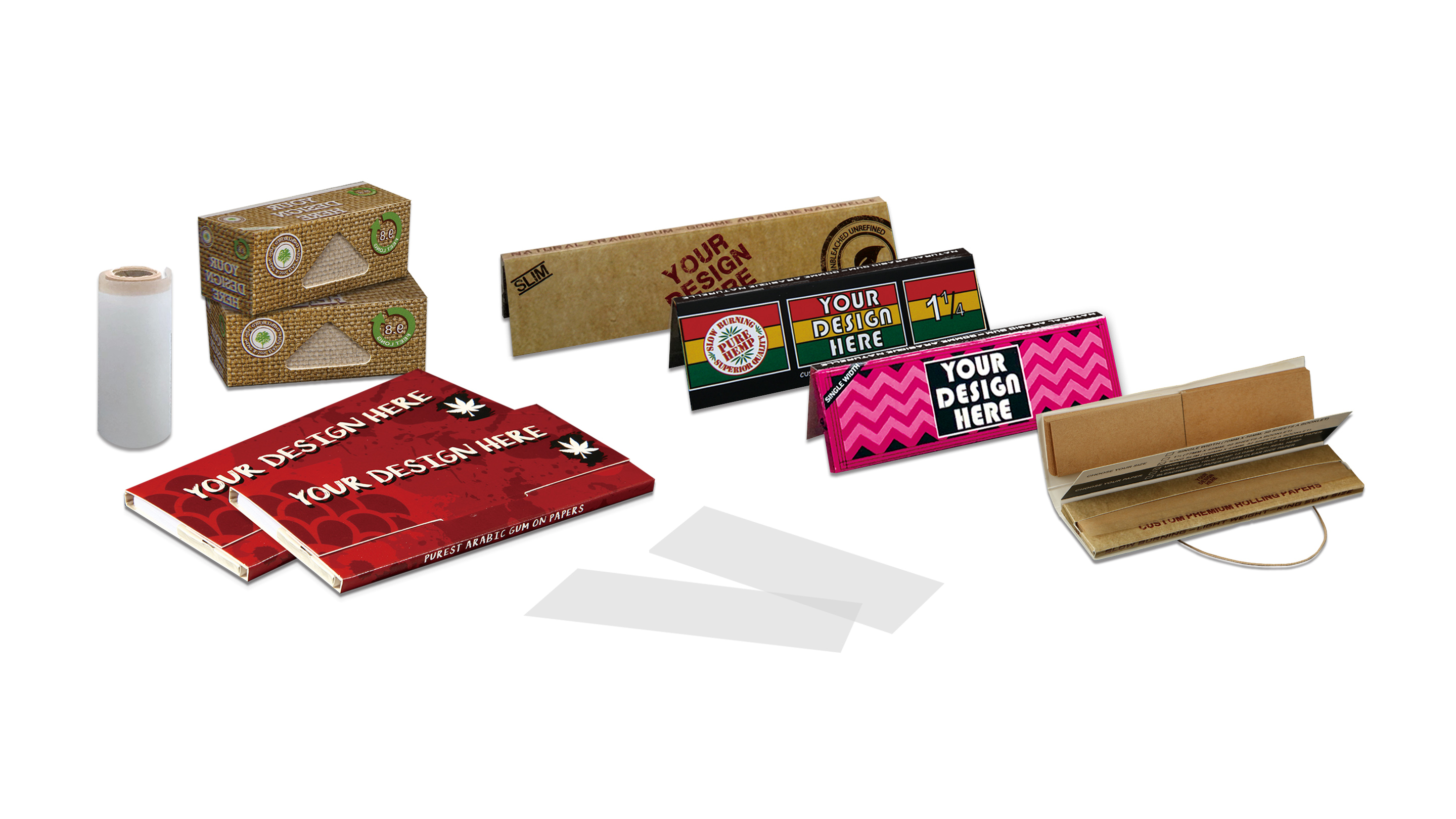
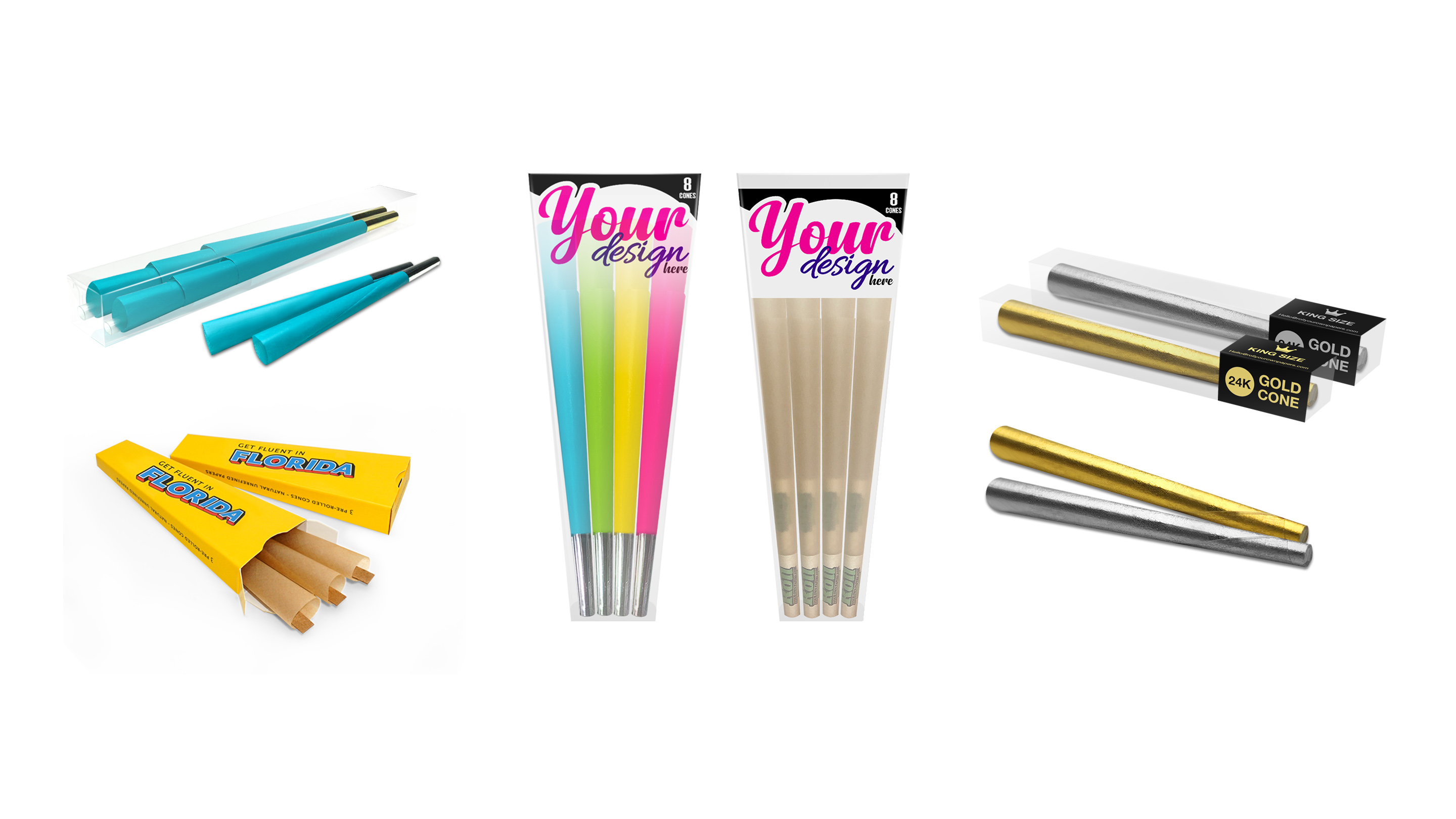
A custom pre-rolled cone is a pre-shaped cone — ready for filling with your preferred dry herbs or botanical blends — that's been printed, dyed, tipped, or otherwise modified to match your brand specs. Customization can be as simple as a one-color logo stamp or as involved as full-wrap, edge-to-edge artwork with a branded filter tip.
So what can you actually customize on a wholesale order? Quite a bit:
- Paper color and material — natural unbleached, white, colored, or specialty blends like rice or flax
- Printed artwork — logos, patterns, text, illustrations, or full photographic images
- Filter tip printing — your logo or website URL right on the tip itself
- Filter tip shape — standard cylinder, W-fold, perforated, or custom die-cut
- Cone size — from 70mm minis all the way up to 180mm party-size
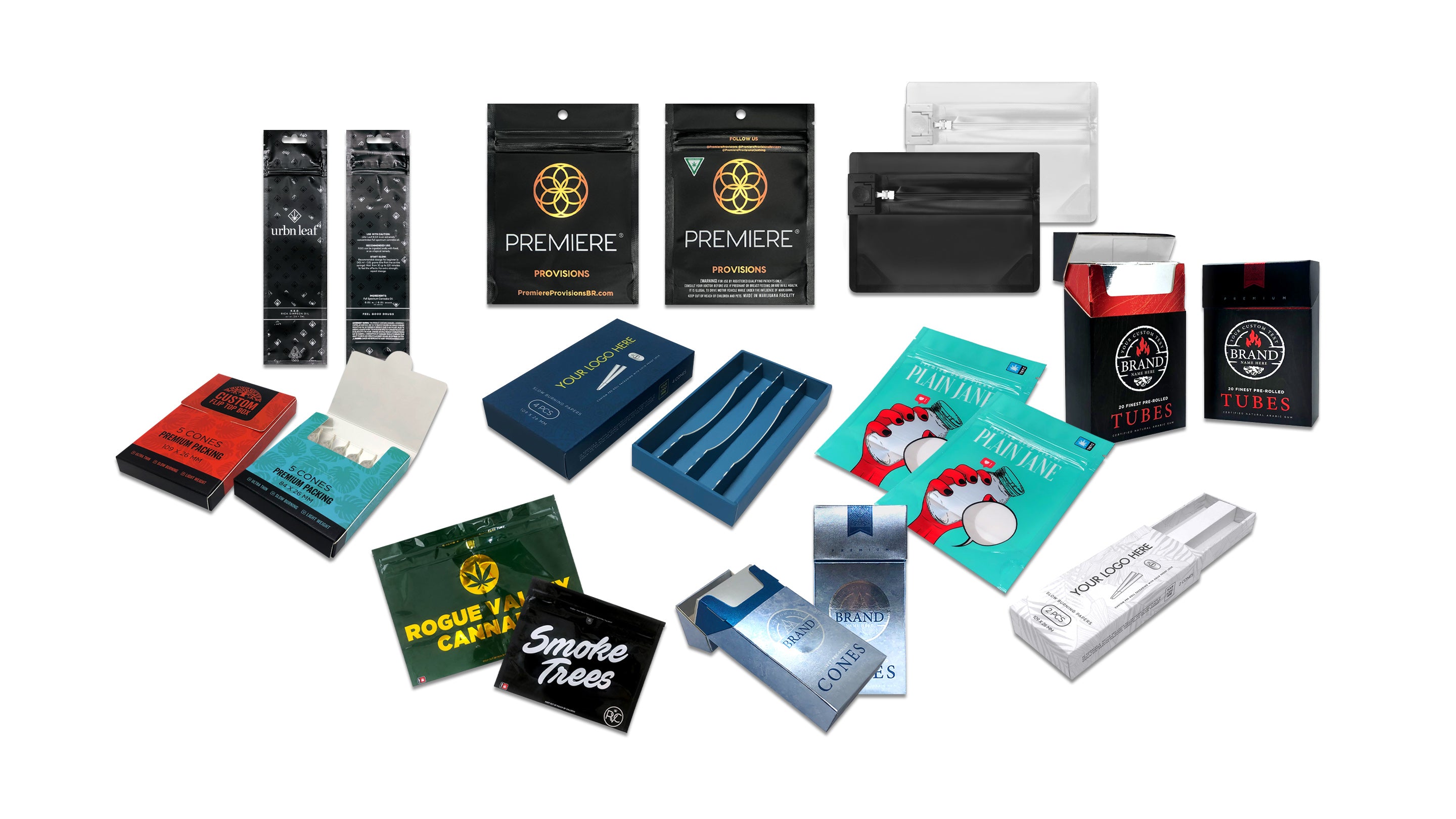
- Packaging — individual tubes, multi-packs, display boxes, or bulk cases
The level of customization you pick directly affects your MOQ (minimum order quantity) and turnaround time. A single-color tip print? That can run as low as 1,000 units with a 2-week lead time. Full-wrap six-color printing with custom packaging? You're looking at 5,000–10,000 unit minimums and 4–6 weeks. We'll break those numbers down below.
Cone Sizes, Materials, and Specs: A Wholesale Buyer's Breakdown
The short answer? Size and material choice depend entirely on your end user and use case. But getting this wrong is one of the priciest mistakes wholesale buyers make — because you can't return 10,000 cones that don't fit your filling machine.
Standard Cone Sizes
| Size Name | Length (mm) | Tip Diameter | Best For | Typical Fill Weight |
|---|---|---|---|---|
| 70mm (Single) | 70mm | 20mm | Individual sessions, samples, events | 0.3–0.5g |
| 84mm (1¼) | 84mm | 24mm | Everyday use, most popular retail size | 0.5–0.75g |
| 98mm (Standard) | 98mm | 26mm | Retail pre-packs, brand flagships | 0.75–1.0g |
| 109mm (King Size) | 109mm | 26mm | Premium positioning, sharing | 1.0–1.3g |
| 180mm (Party) | 180mm | 26mm | Novelty, events, special editions | 2.0–3.0g |
If you're ordering custom pre-rolled cones for retail, the 84mm and 98mm sizes make up roughly 78% of all wholesale cone sales in North America. They're the sweet spot — big enough to feel substantial, small enough to be practical.
Event planners, listen up. The 70mm mini is your best friend for giveaways. It's cost-effective, fits neatly into branded tubes or sample kits, and doesn't overwhelm recipients who might be encountering your brand for the first time.
Paper Materials Compared
| Material | Burn Speed | Taste Impact | Durability | Print Quality | Cost (Relative) |
|---|---|---|---|---|---|
| Unbleached Wood Pulp | Medium | Minimal | High | Excellent | $ |
| Bleached White | Medium | Very Low | High | Excellent (vivid colors) | $ |
| Rice Paper | Slow | Nearly None | Medium | Good | $$ |
| Flax Blend | Slow–Medium | None | Medium–High | Very Good | $$ |
| Plant Cellulose (Clear) | Slow | None | Low–Medium | Limited | $$$ |
One thing worth knowing: clear cellulose cones look incredible for special editions and events, but they're more fragile and trickier to print on. If brand visibility is your main goal, unbleached wood pulp or white paper gives you the best canvas for detailed artwork at the lowest cost. Rice paper works well when the end user cares more about a clean, slow experience than visual branding — print area is usually limited to the tip and a small band near the base.
Understanding MOQs and Pricing Tiers
This is where wholesale buying gets interesting — and where you can save a surprising amount by understanding how pricing tiers actually work.
Most suppliers, including RYOP, structure custom cone pricing in volume brackets. The per-unit cost drops meaningfully at each threshold. Here's a realistic breakdown of what you might expect in 2026 for a standard 98mm cone with full-color tip and body printing:
| Order Quantity | Estimated Per-Unit Cost | Total Order Cost | Savings vs. 1,000-Unit Rate |
|---|---|---|---|
| 1,000 units | $0.28–$0.35 | $280–$350 | — |
| 5,000 units | $0.18–$0.24 | $900–$1,200 | ~30% |
| 10,000 units | $0.14–$0.19 | $1,400–$1,900 | ~45% |
| 25,000 units | $0.10–$0.15 | $2,500–$3,750 | ~57% |
| 50,000+ units | $0.07–$0.12 | $3,500–$6,000 | ~65% |
If you've priced custom apparel or promotional products before, this tiered model probably looks familiar. The math is straightforward but powerful: doubling your order from 5,000 to 10,000 units often costs only 40–55% more while giving you twice the inventory. For brands planning multiple events or ongoing retail distribution, bumping up to the next tier almost always makes financial sense.
What Affects Your Final Price?
Beyond quantity, a few other factors move the needle on cost:
- Number of ink colors — single-color is cheapest; full CMYK costs more but looks premium
- Print coverage area — tip-only vs. full-wrap body printing
- Paper material — rice and cellulose carry a material premium over wood pulp
- Custom packaging — branded tubes, boxes, or displays add $0.05–$0.30 per unit
- Proof revisions — most suppliers include 1–2 free revisions; extra rounds may come with fees
If you're a brand manager trying to justify this spend internally, here's a useful frame: custom cones used as promotional items typically cost less than branded pens ($0.40–$1.20 each) while generating 3–5x more engagement at events — at least according to 2025 promotional products industry data. The ROI math tends to favor cones heavily, especially in the herbal accessories space where the product itself is something the recipient genuinely wants to use.
Printing Methods That Actually Hold Up
Not all cone printing is created equal. The method your supplier uses determines how your design looks, how long it lasts, and whether it survives handling, humidity, and everyday use.
Digital Printing
Digital printing uses inkjet or laser technology to apply designs directly onto the paper. It's the most flexible option for short runs and complex artwork — think gradients, photographs, or designs with dozens of colors. Setup costs are minimal, which makes it ideal for orders under 10,000 units. The trade-off? Ink saturation can run slightly lower than offset, and per-unit cost is higher at scale.
Offset (Lithographic) Printing
For orders above 10,000 units, offset printing usually delivers richer colors and sharper detail at a lower per-unit price. It relies on custom plates, so there's a one-time setup fee — typically $150–$400 depending on the supplier. But that cost gets spread quickly across a large run. If you're planning recurring quarterly orders, ask your supplier to store your plates. Many will do it, and it eliminates the setup fee on reorders.
Foil Stamping and Embossing
Want to go ultra-premium? Foil stamping adds a metallic finish — gold, silver, holographic — to specific elements of your design. Embossing creates a raised, tactile texture you can feel. Both are available on wholesale custom cone orders, though MOQs tend to be higher (usually 5,000+ units) and lead times stretch by 1–2 weeks. The result is a cone that feels expensive. For luxury brand positioning or limited-edition drops, it's worth every penny.
Soy-Based vs. Traditional Inks
Here's the thing — ink safety matters enormously for rolling papers and cones. Reputable suppliers use food-grade, soy-based, or vegetable-based inks that are non-toxic and don't produce harmful byproducts. Always ask your supplier for ink safety documentation. If they can't hand it over, that's a red flag. At RYOP, every custom pre-rolled cones order uses food-safe inks — it's non-negotiable.
How to Submit Artwork Without Delays
Fair warning — artwork issues are the number one cause of delayed wholesale cone orders. Over 60% of first-time wholesale buyers submit files that need revision, tacking 3–7 extra business days onto their timeline. Here's how to sidestep that entirely.
File Format Requirements
Submit your artwork as a vector file (AI, EPS, or PDF with outlined fonts). Why does that matter? Vector files scale infinitely without losing quality. A PNG or JPEG that looks crisp on your laptop screen can pixelate terribly when printed on a small cone surface. Don't have vector files? Most suppliers — RYOP included — offer design services for an extra fee, typically $50–$150 depending on complexity.
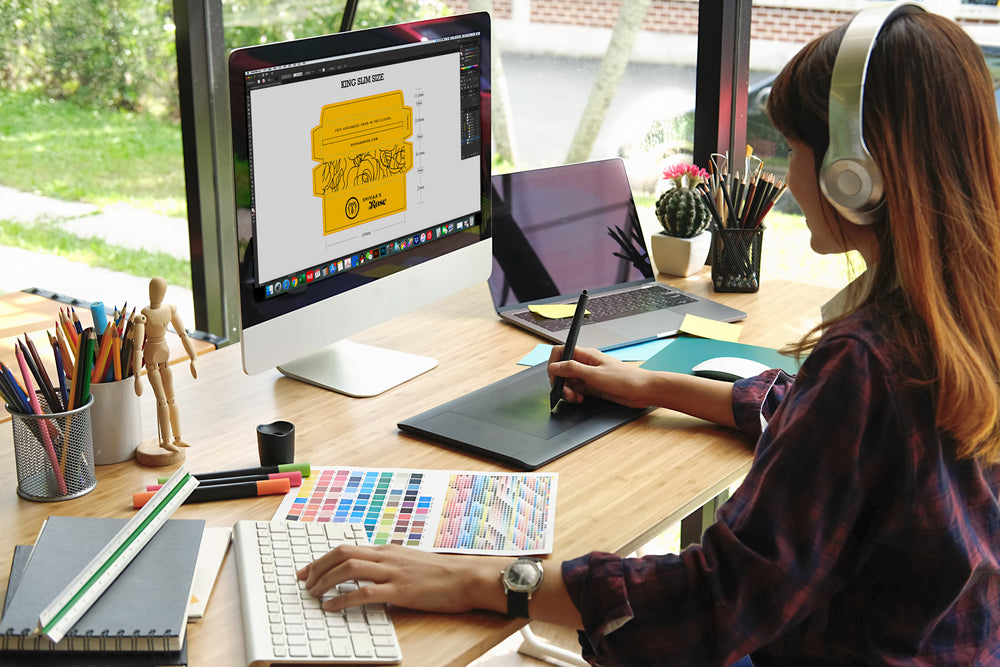
The Dieline Template
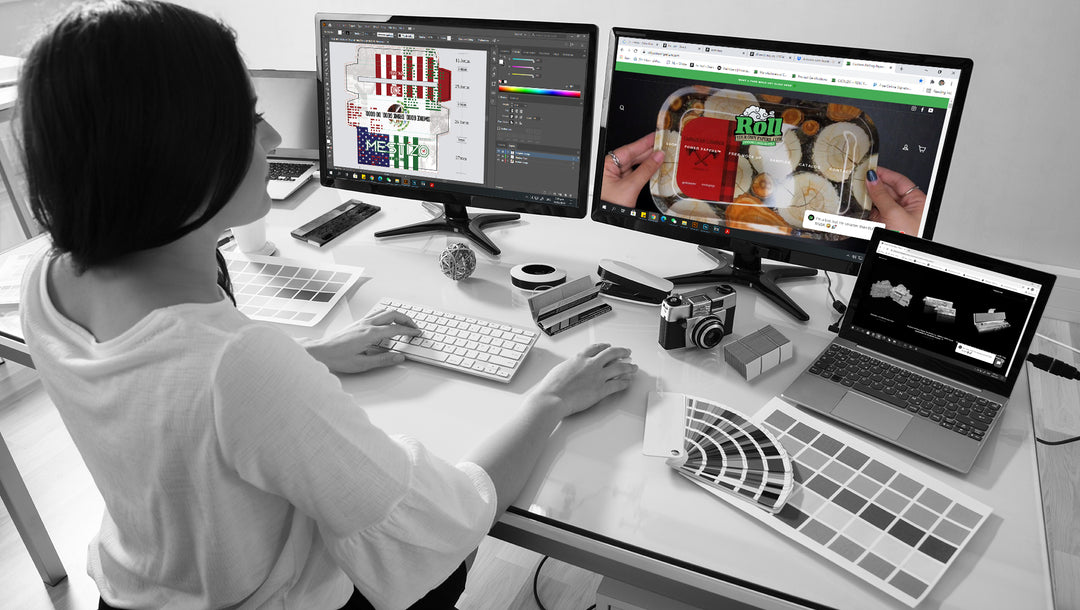
Every cone size has a unique dieline — basically a flat template showing exactly where your design will land once the paper gets rolled into a cone shape. This is critical. Designing on a rectangle and crossing your fingers that it wraps correctly? That's a recipe for misaligned logos and chopped-off text.
Always request the dieline template from your supplier before you start designing. Place key branding elements within the safe zone (typically 3–5mm inside the trim edge) and keep important details away from the glue seam.
Color Matching
If brand color accuracy matters to you — and for most businesses, it really should — provide Pantone (PMS) color codes, not just hex values. Pantone ensures your green is the exact same green whether it's on a cone, a business card, or a billboard. Digital printing can approximate Pantone colors. Offset printing can match them precisely.
Quick Artwork Checklist
- ✅ Vector format (AI, EPS, or outlined PDF)
- ✅ 300+ DPI for any raster elements
- ✅ CMYK color mode (not RGB)
- ✅ Pantone codes for brand colors
- ✅ Text converted to outlines (no live fonts)
- ✅ Design placed on the supplier's dieline template
- ✅ 3mm bleed on all edges
Real-World Use Cases: Who's Ordering and Why
Custom pre-rolled cones wholesale isn't a niche product anymore. In 2026, the buyer profile has expanded way beyond what most people expect. Here's who's actually placing these orders — and what they're doing with them.
Herbal Accessory Brands
This is the core market. Brands that sell rolling accessories, botanical blends, or herbal products use custom cones as their flagship offering or a value-add in multi-item kits. The cone becomes the product — branded, premium, retail-ready. Typical orders land in the 10,000–50,000 unit range per quarter, often split across two or three sizes.
Event Planners and Promoters
Music festivals, brand activations, product launches, wellness retreats — custom cones have turned into a go-to swag item. They're lightweight, affordable at scale, and carry a "cool factor" that branded tote bags just can't match. Event orders tend to cluster in the 1,000–5,000 unit range, with 70mm minis being the most popular pick for giveaways.
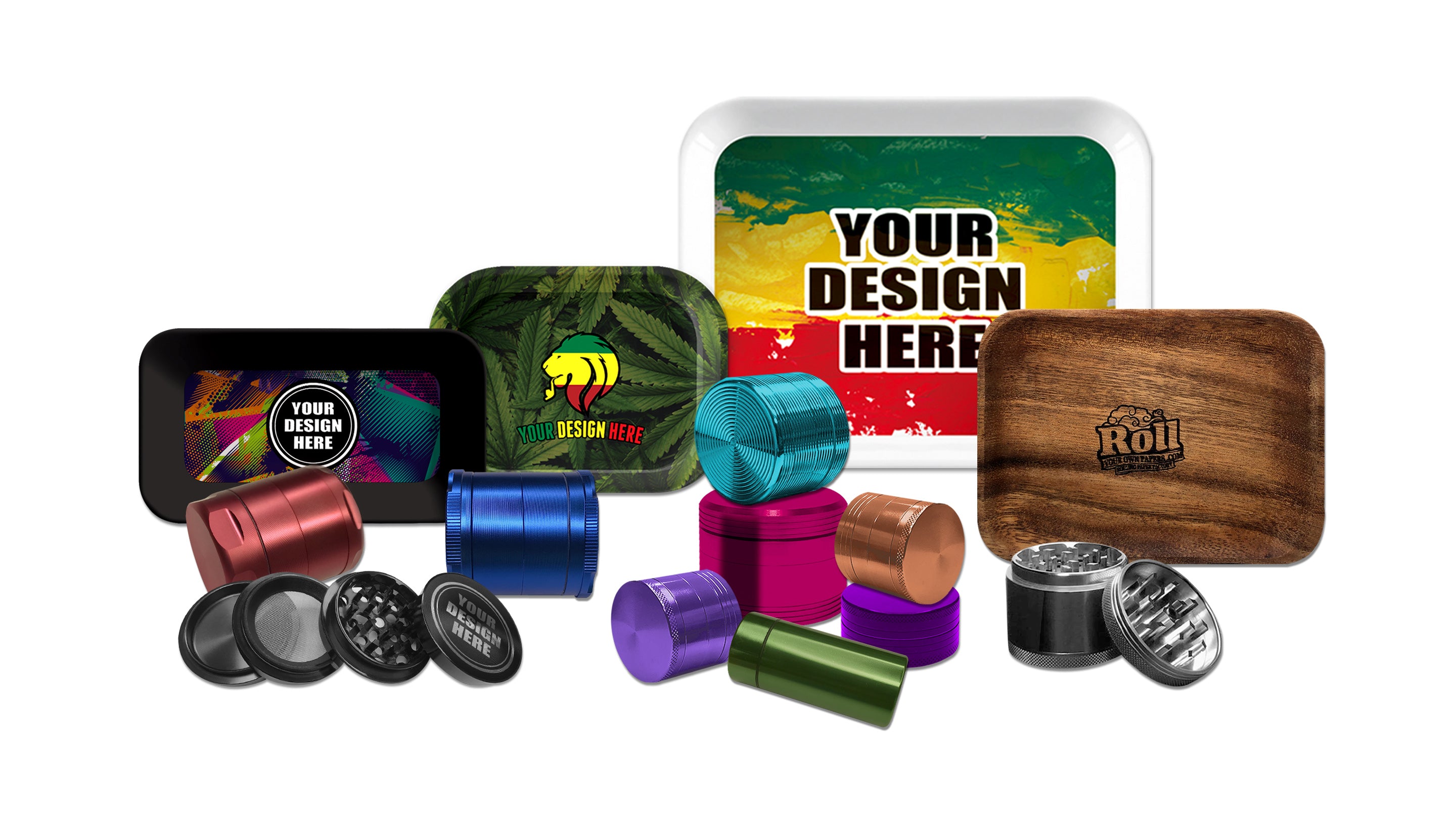
Pro tip: pair custom cones with a branded rolling tray in VIP gift bags for maximum impact.
Corporate Gifting and B2B Promotions
This one surprises people. But in 2026, herbal lifestyle brands, wellness companies, and even some hospitality businesses are tucking custom cones into corporate gift sets. They get packaged in premium tubes or boxes alongside complementary items — branded grinders, glass filter tips, matchbooks. The cone set becomes a curated brand experience, not just a product sitting on a shelf.
Individual Enthusiasts and Small Clubs
You don't need to be a Fortune 500 company to order custom cones. With MOQs as low as 1,000 units at some suppliers, individuals and small herb appreciation clubs can affordably brand their own. Birthday parties, bachelor/bachelorette weekends, friend-group inside jokes — it's actually the personal use market that's growing fastest, up an estimated 35% year-over-year since 2024.
Pre-Roll Filling Operations
If you run a filling operation that produces pre-filled herbal cones for retail, your custom pre-rolled cones aren't just packaging — they're your product's first impression. Filling operations typically order at the highest volume tiers (25,000–100,000+ units) and prioritize consistency above everything else. Every cone needs to fit the filling machine perfectly, burn evenly, and hold the correct weight without splitting. That's where material choice and quality control become absolutely critical.
Storage, Shelf Life, and Fulfillment Tips
Here's what most people overlook after the order shows up: custom cones are a paper product. And paper has enemies. Humidity, direct sunlight, extreme temperatures, compression — all of these can degrade your cones between warehouse and end user.
Ideal Storage Conditions
Keep your wholesale cones in a cool, dry environment — ideally between 60–72°F (15–22°C) with relative humidity below 55%. Too much moisture causes paper to swell, glue lines to weaken, and cones to lose their shape. Too little moisture makes paper brittle and crack-prone. If you're in a humid climate, consider a dehumidified storage area or sealed containers with silica gel packets inside.
Shelf Life Expectations
When stored properly, custom cones last 18–24 months with no drop in quality or printability. After that window, you might notice slight yellowing on white papers or reduced adhesion on the glue strip. Unbleached papers tend to age more gracefully than bleached whites.
But honestly — if you're ordering the right quantities for your sales velocity, shelf life shouldn't be a concern. A solid rule of thumb? Don't order more than a 6-month supply at a time unless you're locking in pricing at a higher tier.
Fulfillment and Packaging Options
How your cones arrive matters more than you'd think. Most wholesale orders ship in bulk master cases — typically 1,000 cones per case, nested inside protective trays or tubes to prevent crushing. For retail-ready orders, you can add custom packaging at the supplier level:
- Individual pop-top tubes — ideal for single-cone retail sales ($0.08–$0.15 per tube)
- 3-packs or 6-packs in branded boxes — great for gift sets and retail shelving ($0.20–$0.50 per box)
- Bulk pouches — resealable bags of 25–50 cones for power users ($0.10–$0.25 per pouch)
- Display boxes — countertop-ready packaging that holds 24–50 individual tubes ($2.00–$5.00 per display)
Ordering retail-ready packaging from the same supplier that prints your cones saves you a separate vendor relationship, cuts shipping costs, and — this is the big one — ensures the packaging color-matches your cone design. Consistency across every touchpoint is what separates amateur branding from the professional stuff.
Common Wholesale Ordering Mistakes (And How to Dodge Them)
After years of processing wholesale custom cone orders, we've seen the same mistakes pop up over and over. Dodge these, and you'll save yourself time, money, and a whole lot of unnecessary back-and-forth.
Mistake #1: Skipping the Sample
Never — and I mean never — place a large wholesale order without requesting a physical sample first. Photos and digital proofs show you the design, sure. But only a physical sample reveals the paper feel, burn quality, cone shape, and actual print clarity. Most reputable suppliers offer sample kits for $10–$30 that include multiple sizes and materials. That small spend can prevent a $3,000 mistake.
Mistake #2: Ordering the Wrong Size for Your Filling Equipment
If you're using a cone-filling machine, every millimeter counts. A 98mm cone from Supplier A might have a slightly different taper angle than a 98mm cone from Supplier B. Before committing to a wholesale run, test-fill at least 50 sample cones on your actual machine. Check for proper fit in the cone holder, consistent pack density, and no tearing at the tip during vibration filling.
Mistake #3: Designing for the Screen Instead of the Cone
Your design looks gorgeous on a 27-inch monitor. But on a cone that's 26mm wide at the tip? Tiny text turns unreadable. Subtle gradients go muddy. Fine lines vanish. Design for the physical medium. Use bold, high-contrast elements. Keep your logo simple. And always proof at actual print size — hold it in your hand before you hit approve.
Mistake #4: Ignoring Lead Times Around Holidays
Standard lead times for custom cone printing run 2–4 weeks. But during peak seasons — Q4 holiday gifting, festival season (April–August), major industry trade shows — those timelines can balloon to 6–8 weeks. Plan ahead. Need cones for a July event? Place your order by mid-May at the latest.
Mistake #5: Not Negotiating Reorder Terms
Your first order establishes the relationship. Your second order is where the real savings kick in.
Many suppliers offer 5–15% discounts on reorders of the same design because the plates, proofs, and production specs are already set up. Before your first order even ships, ask about reorder pricing and setup-fee waivers. It's a negotiation most buyers don't even think to have — and it can add up fast.
How to Choose the Right Wholesale Cone Partner
Not all wholesale suppliers are built the same. Here's a quick checklist for evaluating any potential partner — including us — before you commit to a big order.
Questions to Ask Before Ordering
- Can I get physical samples before committing? If they say no, walk away.
- What inks do you use? Are they food-grade or soy-based? This one's non-negotiable for safety.
- Do you provide dieline templates for every cone size? Essential for getting your artwork right.
- What's your defect rate, and what's your policy on defective units? Industry standard sits below 2%.
- Do you offer design assistance? Really helpful if you're a first-time buyer.
- Can I split an order across multiple sizes or designs? Flexibility matters when you're testing the market.
- What are your reorder terms and timelines? This tells you how much they value repeat customers.
Red Flags to Watch For
Be wary of suppliers who can't provide ink safety documentation, won't send physical samples, have no clear returns policy for defective products, or quote suspiciously low prices with zero explanation. In the wholesale cone market, you genuinely get what you pay for. A supplier offering full-color 98mm cones at $0.04/unit with a 500-piece MOQ? They're almost certainly cutting corners on materials, ink safety, or quality control.
Bottom line? The best wholesale relationships are partnerships, not transactions. The right supplier will help you optimize your design for printability, suggest the best material for your use case, and flag potential issues before production even starts. That kind of service is worth a few extra cents per unit.
Why RYOP for Wholesale Custom Cones?
At Roll Your Own Papers, we've built our wholesale program around the pain points buyers actually deal with: flexible MOQs starting at 1,000 units, in-house design support, food-safe inks on every single order, and a sample program that lets you touch and test before you commit. Our custom pre-rolled cones collection covers every standard size, material, and printing method we've talked about in this guide — plus custom options for buyers who need something truly one-of-a-kind.
🔥 Shop Custom Pre-Rolled Cones at RYOP
Get premium custom pre-rolled cones for your brand, event, or personal use. Bulk pricing available.
- ✔️ Premium quality
- ✔️ Custom branding available
- ✔️ Bulk & wholesale pricing
- ✔️ Fast shipping worldwide


Leave a comment