

How to Coat Pre Rolls: The Ultimate Guide to Creating Premium Products

Ever wonder how those gorgeous, kief-covered pre rolls you see at dispensaries are made? Or maybe you've tried coating your own pre rolls only to end up with a sticky mess stuck to your packaging? You're not alone, friend. Coating pre rolls is both an art and a science, and we're about to break down everything you need to know to create premium products that look amazing and deliver an incredible experience.
Whether you're a small batch producer looking to elevate your game or a curious enthusiast wanting to create something special, this guide will walk you through professional techniques, help you avoid costly mistakes, and teach you tricks the pros use to create those Instagram-worthy coated pre rolls everyone loves.
What Are Coated Pre Rolls? 🎨
Coated pre rolls are pre-rolled cones or joints that have been enhanced with an additional layer of material on the outside. Think of it like giving your pre roll a fancy jacket that not only looks incredible but also enhances the overall experience.
The coating typically consists of three main components:
The Base Layer: This is usually an oil, wax, or concentrate that's applied directly to the rolling paper. It acts as an adhesive and adds extra potency to your product.
The Outer Layer: Most commonly kief (the trichome crystals that fall off flower), but can also be ground flower, hash, or even colored materials for visual appeal.
The Seal: Some producers add a final protective layer to prevent the coating from absorbing into the paper or falling off during handling.
The whole point? Creating a premium product that stands out on the shelf, delivers enhanced effects, and provides a unique experience your customers will remember.
Why Coat Pre Rolls? The Real Benefits 💎
Increased Potency & Effect Duration
Let's be real - this is usually the main reason people coat pre rolls. By adding an external layer of concentrate or oil, you're essentially turbocharging your product. The coating can increase total active compound content by 30-50% or more, depending on how thick you go. Plus, the coating creates a slower, more even burn that helps extend the experience.
Enhanced Visual Appeal 👀
In a crowded market, aesthetics matter. A beautifully coated pre roll covered in golden kief or sparkling crystals immediately signals "premium product" to customers. It's the difference between a basic pre roll and something that looks like it belongs in a luxury boutique.
Improved Burn Characteristics
When done correctly, coating can actually improve how your pre roll burns. The oil or wax layer helps create a more consistent burn rate, reducing issues like canoeing or running. Many producers report that their coated pre rolls burn 20-30% slower than uncoated versions.
Flavor Enhancement & Customization 🍋
Here's where things get fun - you can infuse your coating materials with terpenes or natural flavor extracts to create signature flavor profiles. Want a citrus burst? A piney forest vibe? The coating is your canvas for creativity.
Higher Profit Margins
Let's talk business. Coated pre rolls typically retail for 50-150% more than standard pre rolls, but the actual cost increase for materials is only about 20-30%. That's a serious margin improvement that can transform your business.
Protection & Preservation
A proper coating can actually help protect the pre roll from environmental factors like humidity and oxygen exposure, extending shelf life by several weeks compared to uncoated versions.
Popular Coating Methods Explained 🔧
Oil-Based Coating Method
Oil-based coatings are the most forgiving method for beginners and offer excellent adhesion properties. The key is using a high-quality oil with the right viscosity.
Best Practices:
Heat your oil to approximately 100-120°F (38-49°C) for optimal flow and application. This temperature range keeps the oil fluid enough to apply evenly without being so hot that it soaks through the paper. Use a small brush or a specialized rolling tool to apply a thin, even layer. Think "light coat of paint" rather than "dipping in honey."
For best results, apply the oil in a spiral motion from bottom to top, rotating the pre roll as you go. This ensures even coverage without pooling or drips.
Pros & Cons:
Pros: Easy to work with, great adhesion for kief, relatively mess-free, can be flavored easily, cost-effective for large batches.
Cons: Can soak into paper if applied too thickly, may soften over time in warm conditions, requires careful temperature control.
Wax-Based Coating Method 🕯️
Wax coatings provide a more stable, temperature-resistant option that's ideal for products that need to withstand varying storage conditions.
The Technique:
Wax needs to be heated to a liquid state (typically 140-160°F or 60-71°C) before application. The trick is working quickly - wax begins to solidify rapidly as it cools. Many pros use a heated spatula or a small heated roller to apply wax coatings.
The "hot dip" method is popular for wax: heat your wax in a small container, quickly dip the pre roll (excluding the tip area), rotate once, and immediately roll in kief. The whole process should take less than 5 seconds to prevent over-coating.
Temperature Control is Critical:
Too hot and the wax becomes runny and soaks through the paper. Too cool and it clumps and applies unevenly. Invest in a small temperature-controlled pot or hot plate for consistent results.
Pros: Very stable at room temperature, won't migrate or soak in, professional appearance, excellent for shipping and storage.
Cons: Requires precise temperature control, faster application needed, more equipment investment, can be tricky for beginners.
Concentrate Coating Method 💧
For premium products, concentrate coatings deliver the highest potency and most refined experience. We're talking distillate, live resin, or other high-quality extracts.
The Challenge:
Concentrates are thick and sticky, making even application difficult. The forum discussion we analyzed highlighted a common issue: pure distillate tends to absorb kief and can migrate in packaging over time.
The Solution - Dilution & Double-Wrap Method:
Professional producers often dilute their concentrate with 15-25% terpenes to reduce viscosity. This makes application easier and adds flavor complexity. Heat the mixture to around 110-130°F (43-54°C) for optimal flow.
Many pros use what's called the "double wrap" method: Apply a very thin layer of concentrate, then wrap with an ultra-thin rolling paper before applying the outer kief coating. This prevents migration while keeping the concentrate visible through the thin paper.
Spray Application Technique:
For larger operations, using a small spray gun or atomizer to mist a terpene-diluted concentrate provides the most even coverage. Apply 2-3 light coats rather than one heavy coat, allowing 30 seconds between applications.
Pros: Highest potency option, premium product positioning, excellent for connoisseur market, can charge top dollar.
Cons: Most expensive method, requires advanced technique, potential migration issues if not done properly, needs special packaging considerations.
Essential Materials & Equipment 🛠️
Core Materials:
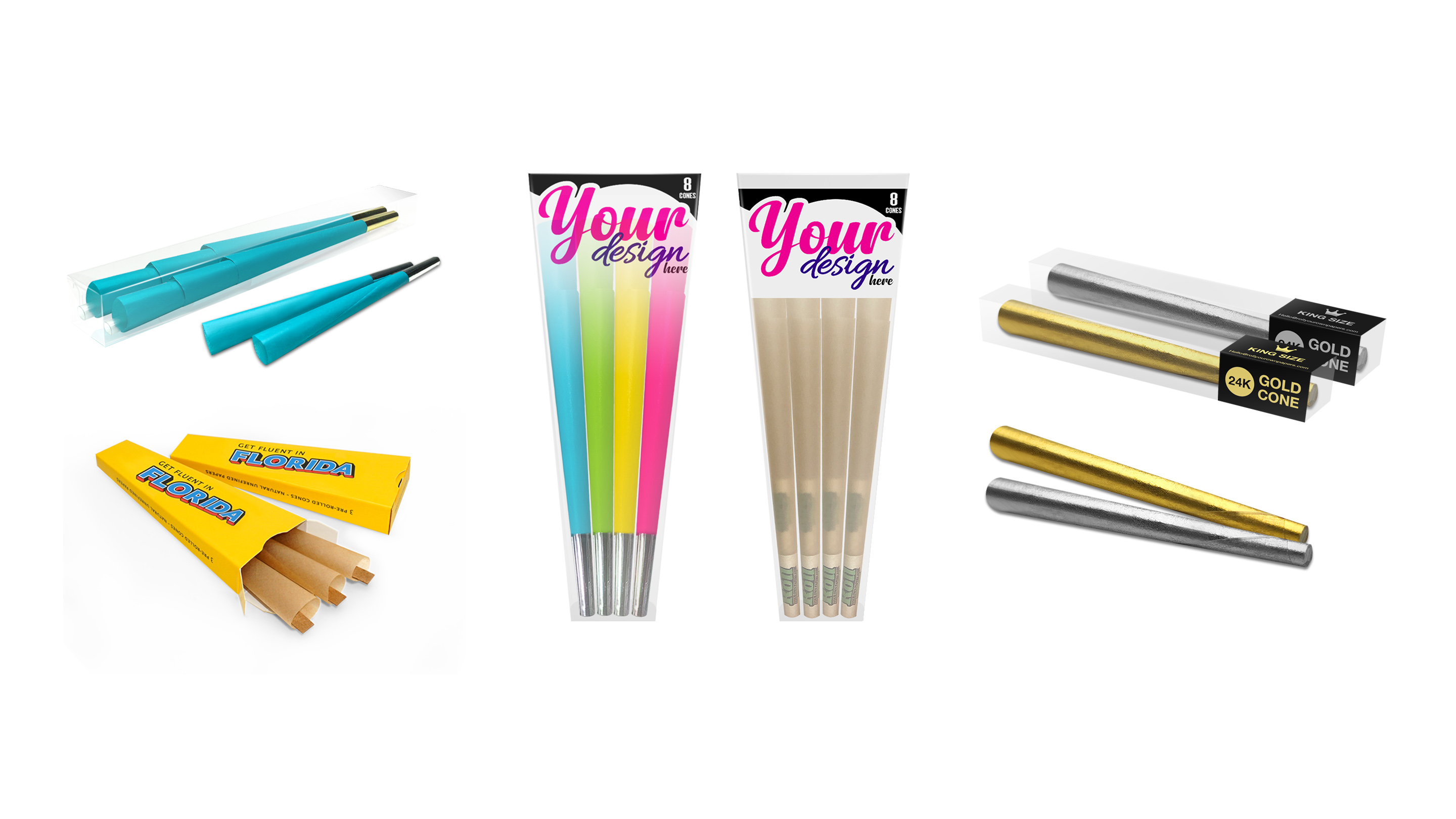
Pre-rolled cones: Start with quality pre-rolls as your base. The paper quality matters - thicker papers hold coatings better without tearing or soaking through.
Coating medium: Choose from oil, wax, or concentrate based on your method. Quality matters here - food-grade materials only!
Outer coating: Kief is traditional, but you can also use finely ground flower, colored kief (yes, that's a thing!), or even edible glitter for special editions.
Binding agent (optional): Some producers use natural gum arabic or vegetable-based binding agents to improve adhesion and prevent coating loss.
Equipment You'll Need:
Temperature-controlled heating source: Hot plate, heating mantle, or specialized wax warmer. Consistent temperature is crucial for quality results.
Application tools: Small brushes (food-safe), silicone spatulas, rolling trays, or spray equipment for larger operations.
Rolling tray or kief tray: A shallow tray to roll your coated pre rolls in. Professional tip: use a tray with slightly raised edges to prevent material loss.
Thermometer: Infrared thermometers are cheap and give instant readings. Don't guess at temperatures!
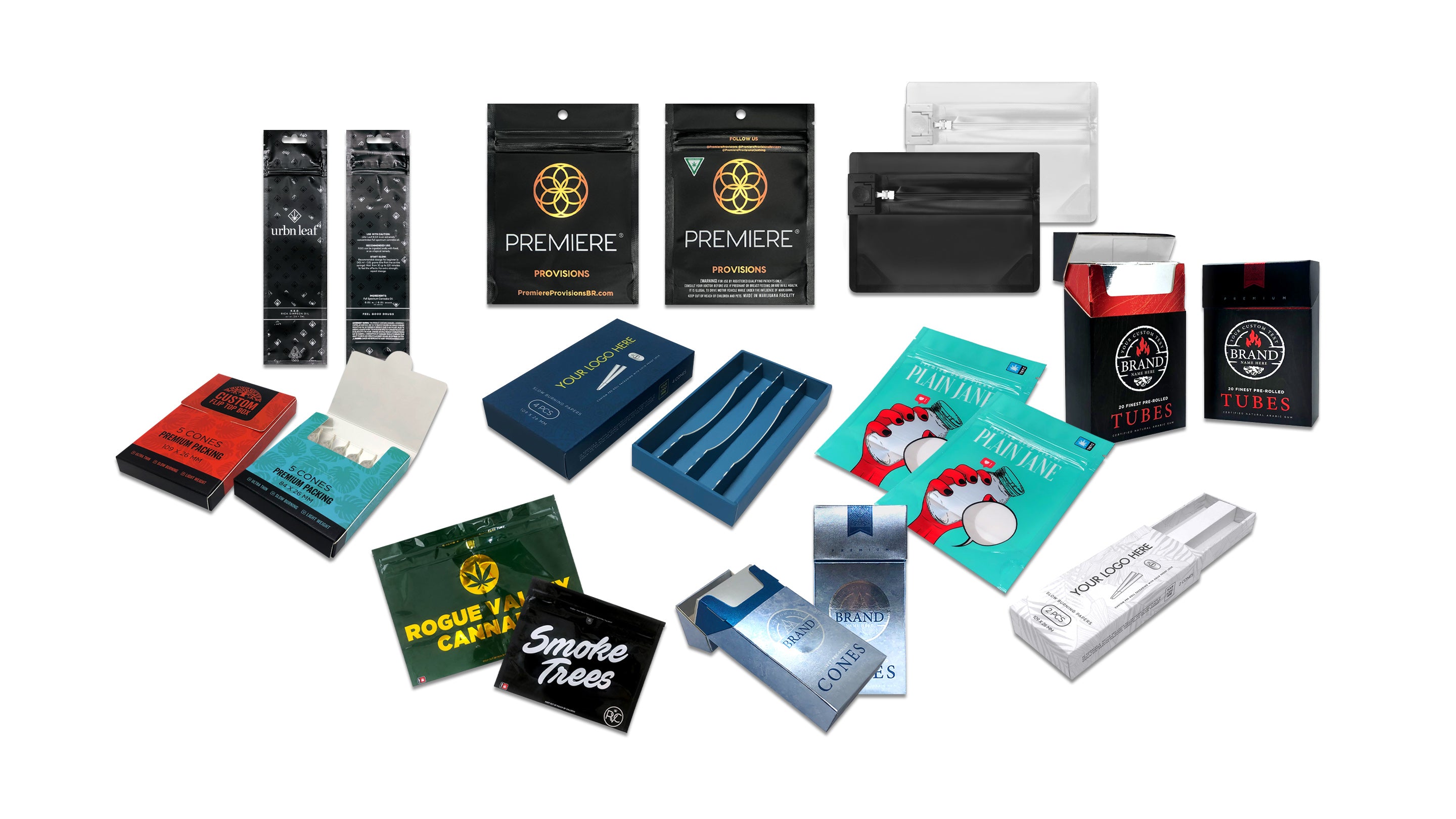
Protective packaging: Glass tubes with cork tops or plastic doob tubes work well. The key is preventing the coated pre roll from touching packaging surfaces before fully cured.
Optional Pro Equipment:
Small spray gun for concentrate application, heated spatulas for wax work, vibrating tables for kief application (helps create even coverage), humidity-controlled curing chamber for optimal drying.
Step-by-Step Coating Process 📝
Phase 1: Preparation (The Foundation) 🏗️
Step 1: Set Up Your Workspace
Work in a clean, temperature-controlled environment ideally between 65-72°F (18-22°C) with low humidity (30-40% RH). Higher temperatures cause coating materials to become too fluid, while lower temps make them too stiff.
Step 2: Prepare Your Pre Rolls
Ensure your pre rolls are properly packed (not too tight, not too loose) and have clean, even surfaces. Gently roll them on a clean surface to remove any loose material or paper fibers. Mark your "no-coat zone" - typically the last 1/4 inch (6mm) where the user will hold the pre roll.
Step 3: Prepare Your Coating Materials
Heat your oil, wax, or concentrate to the appropriate temperature range discussed earlier. For oil: 100-120°F, for wax: 140-160°F, for concentrates: 110-130°F. Use a thermometer to verify - this step separates amateurs from pros.
Prepare your kief or outer coating material in a shallow tray. Pro tip: slightly warm your kief tray (to about 80°F) - this helps the coating material stay tacky longer during rolling.
Phase 2: Application Techniques 🎨
Step 4: Apply the Base Coating
Brush Method: Using a small, soft brush, apply your coating material in thin, even strokes. Start at the tip and work toward the base, rotating the pre roll as you go. Apply pressure gently - you want coverage, not saturation.
Roll Method: For wax coatings, quickly roll the pre roll through your heated coating material, rotating smoothly to ensure even coverage. This should take 2-3 seconds maximum.
Spray Method: Hold the spray gun 6-8 inches away and apply a light mist while rotating the pre roll. Make 2-3 passes rather than one heavy coat.
Step 5: Apply the Outer Coating
Immediately after applying your base coat (while it's still tacky), roll the pre roll in your kief or outer material. Use gentle pressure and roll in one direction 2-3 times. Don't overwork it - you want an even coating, not a thick crust.
For extra coverage, some producers do a "double dip" - apply a very light second coat of your base material and roll in kief again. This creates those super-thick coatings you see on premium products.
Step 6: The Settling Technique
Here's a pro tip most guides miss: after coating, gently tap the pre roll on a hard surface 3-4 times. This helps settle the kief into the coating material for better adhesion. Then, let it rest vertically (tip-up) for 2-3 minutes before packaging.
Phase 3: Drying & Curing 🌡️
Step 7: Initial Drying
Place coated pre rolls tip-up in a drying rack or custom holder (punch holes in cardboard works great). Keep them vertical to prevent coating migration. Initial drying takes 30-60 minutes at room temperature.
Step 8: Curing Phase
For optimal results, cure your coated pre rolls for 2-4 hours before packaging. This allows any terpenes to partially evaporate, the coating to fully set, and ensures the product is stable for storage.
During curing, maintain 65-70°F (18-21°C) and 35-40% humidity. Too humid and the coating stays soft; too dry and kief may fall off.
Step 9: Quality Check & Packaging
Before packaging, inspect each pre roll for even coating, proper adhesion, and no soft spots. The coating should be firm to gentle touch but not brittle. Package in tubes or containers that prevent contact with surfaces - glass tubes with cork tops are ideal.
Common Problems & Solutions 🔧
Problem: Coating Soaks Into Paper
Cause: Base coating applied too hot or too thick.
Solution: Lower your material temperature by 10-15°F and apply thinner coats. Consider using a double-wrap method with thin rolling paper as a barrier.
Problem: Kief Won't Stick
Cause: Base coat cooled too much before rolling, or not enough coating applied.
Solution: Work faster between coating and rolling (less than 10 seconds). Warm your kief tray slightly to extend working time. Apply slightly more base coat.
Problem: Coating Falls Off After Drying
Cause: Insufficient adhesion or coating dried too quickly.
Solution: Use binding agents like food-grade gum arabic mixed into your base coat (5-10%). Slow your drying process - patience pays off here.
Problem: Product Sticks to Packaging 😤
Cause: This was a major issue discussed in the industry forum - coating not fully cured or too much material applied.
Solution: Extend curing time to 4-6 hours. Use glass tubes with cork tops instead of plastic. Store vertically, not horizontally. Consider wrapping in thin parchment before tubing.
Problem: Uneven Coating or Bare Spots
Cause: Inconsistent application technique or pre roll surface issues.
Solution: Practice your rotation technique to ensure even coverage. Inspect pre rolls before coating and reject any with tears or imperfections. Use a vibrating table during kief application for ultra-even coverage.
Problem: Coating Migrates in Storage
Cause: Temperature fluctuations causing oil/wax to become fluid.
Solution: Store at consistent cool temperatures (60-65°F). Use wax-based coatings instead of oils for products that won't be refrigerated. The double-wrap method also prevents migration.
Advanced Pro Techniques 🚀
Flavor Infusion & Terpene Enhancement
Take your coated pre rolls to the next level by infusing your coating materials with specific terpene profiles. Mix 3-5% food-grade terpenes into your oil or concentrate base for strain-specific flavors. Popular options include limonene for citrus notes, myrcene for earthy tones, and pinene for pine forest vibes.
Colored Kief & Visual Design 🎨
Create signature looks using naturally colored kief or food-grade coloring. Some producers create patterns by applying different colors in sections or creating gradient effects. This is huge for brand recognition and Instagram appeal.
The Triple-Layer Method
For ultra-premium products: Apply thin concentrate layer, roll in kief, apply second ultra-thin oil layer, roll in fine kief again. This creates a smooth, professional finish that looks incredible and provides layered effects.
Temperature Gradient Technique
Apply your base coat at standard temperature (110°F), then reduce to 95°F for a second very light coat. This creates better kief adhesion while preventing soak-through.
Automated Coating for Scale
For larger operations, invest in coating machines that can handle 100+ pre rolls per hour. These use controlled spray application and automated rolling systems. Initial investment is high ($3,000-8,000) but pays off quickly at production volumes over 1,000 units per week.
Quality Control & Testing 🔍
Visual Inspection Standards
Every coated pre roll should meet these criteria: Even coating coverage (90%+ of surface), no bare spots larger than 2mm, consistent color throughout, no soft or wet spots, clean filter area, no loose kief falling off with gentle shake.
Burn Testing
Sample test at least 1 in every 50 pre rolls for burn quality. It should burn evenly without canoeing, maintain the cherry throughout, burn 20-30% slower than uncoated versions, and produce consistent effects.
Weight Consistency
Track coating weight consistency. Your coating should add 0.15-0.25g to a standard 1g pre roll. Variations of more than 0.05g indicate inconsistent application that needs addressing.
Storage Stability Testing
Test samples should maintain quality for 30+ days at room temperature, show no coating migration or oil bleeding, maintain kief adhesion, and preserve potency within 5% of initial levels.
Storage & Shelf Life Tips 📦
Immediate Post-Production Storage
After curing, store coated pre rolls vertically in glass tubes with cork tops or high-quality plastic tubes with tight seals. Avoid stacking horizontally for the first 24 hours to prevent coating distortion.
Optimal Storage Conditions
Temperature: 60-70°F (15-21°C) is ideal. Above 75°F can cause oil-based coatings to become soft. Humidity: 55-62% RH maintains paper integrity without making coating tacky. Light: Store in dark or opaque containers - UV degrades coating materials over time.
Shelf Life Expectations 📅
Oil-coated: 30-45 days at room temperature, 60-90 days refrigerated. Wax-coated: 45-60 days at room temperature, 90-120 days refrigerated. Concentrate-coated: 30-40 days at room temperature, up to 90 days refrigerated.
Packaging Best Practices
Use individual tubes rather than multi-packs to prevent cross-contamination. Include small humidity packs (58-62% RH) for extended freshness. Label with production date for inventory rotation. Consider nitrogen flushing for premium products to extend shelf life.
Ready to Experience Premium Coated Pre Rolls? 🎉
If all this seems like a lot of work (because it is!), we've got you covered. At Roll Your Own Papers, we offer premium pre-rolled cones that are perfect for coating projects or enjoying as-is. Our pre rolls are crafted with high-quality materials, ensuring a smooth, even burn every time.
Whether you're looking to coat your own pre rolls using the techniques in this guide or simply want to enjoy a quality product ready to go, our pre roll selection has you covered. We use food-safe materials, organic options, and precision manufacturing to deliver pre rolls that consistently perform.
Plus, with our low minimum order quantities and wholesale pricing, you can experiment with coating techniques without breaking the bank. Check out our full range of pre rolls and rolling papers to find the perfect base for your coated pre roll projects!
Frequently Asked Questions 💬
What temperature should I coat pre rolls at?
The ideal temperature depends on your coating material. For oil-based coatings, maintain 100-120°F (38-49°C). Wax-based coatings work best at 140-160°F (60-71°C). Concentrate coatings should be applied at 110-130°F (43-54°C). Your working environment should be 65-72°F with 30-40% humidity for best results. Using a thermometer is essential - guessing temperatures is the number one cause of coating failures.
How do I prevent my coated pre rolls from sticking to packaging?
Sticking is one of the most common issues with coated pre rolls. The solution involves proper curing and packaging choices. First, allow your coated pre rolls to cure for at least 2-4 hours before packaging. Store them vertically during this time. Use glass tubes with cork tops or high-quality plastic tubes with smooth interiors. For oil-based coatings, consider wrapping in thin parchment paper before tubing. The double-wrap method (applying an ultra-thin rolling paper over the concentrate layer) also prevents direct contact with packaging. Finally, store at consistent cool temperatures to prevent the coating from becoming tacky.
Why won't my kief stick to the pre roll coating?
Kief adhesion problems usually come from timing or temperature issues. Your base coating must still be tacky when you apply kief - this means working quickly (less than 10 seconds between coating and rolling). If your coating cools too fast, try warming your kief tray slightly to around 80°F to extend your working time. You can also add a binding agent like food-grade gum arabic (5-10% by weight) to your base coating for better adhesion. Make sure you're applying enough base coat - too thin and there's nothing for the kief to stick to. Finally, use the tapping technique after coating to help settle kief into the base layer.
Can I coat pre rolls with just oil and kief without wax or concentrate?
Absolutely! Oil and kief is actually one of the most popular coating combinations, especially for beginners. It's more forgiving than wax methods and less expensive than concentrate methods. The key is using high-quality oil heated to the proper temperature (100-120°F) and applying it thinly. Oil-based coatings create excellent adhesion for kief and are easy to work with. The main consideration is shelf life - oil coatings typically last 30-45 days at room temperature versus 45-60 days for wax coatings. For most small batch producers or personal use, oil and kief is the perfect method to start with.
How long do coated pre rolls last?
Shelf life varies by coating type and storage conditions. Oil-coated pre rolls last 30-45 days at room temperature or 60-90 days when refrigerated. Wax-coated versions last longer: 45-60 days at room temperature or 90-120 days refrigerated. Concentrate-coated products fall in between at 30-40 days room temperature or up to 90 days refrigerated. For maximum shelf life, store at 60-70°F with 55-62% humidity in airtight, opaque containers. Individual glass tubes work best. Adding humidity packs and nitrogen flushing can extend these timeframes by 20-30%. Always use a "first in, first out" rotation system and date your products.
What's the best method for coating pre rolls in large quantities?
For large-scale production (100+ units per day), the spray application method is most efficient. Dilute your concentrate or oil with 15-25% terpenes for proper viscosity and use a small spray gun held 6-8 inches away. Apply 2-3 light coats while rotating the pre roll. For kief application, use a vibrating table to ensure even coverage - this dramatically speeds up the process and improves consistency. Consider investing in semi-automated coating equipment once you exceed 500 units per week. These systems can handle temperature control, application, and drying in one streamlined process. The initial investment ($3,000-8,000) pays for itself quickly through labor savings and consistency improvements. For mid-volume production (50-100 per day), the brush or roll method with efficient workflow setup is most cost-effective.
Do I need special equipment to coat pre rolls?
You can start coating pre rolls with minimal equipment, though some tools make the process much easier. At minimum, you need: a temperature-controlled heat source (hot plate or small warmer), an accurate thermometer, application tools (small brushes or spatulas), a shallow rolling tray, and appropriate packaging (glass or plastic tubes). Nice-to-have items that improve results include: infrared thermometer for instant readings, vibrating table for even kief coverage, heated spatulas for wax application, and a drying rack or custom holders. For larger operations, consider spray guns, humidity-controlled curing chambers, and automated coating machines. Start simple and upgrade as your volume increases - many successful small batch producers create amazing products with just basic equipment and good technique.
Final Thoughts 🎯
Coating pre rolls is equal parts art and science. It takes practice, patience, and attention to detail - but the results are absolutely worth it. Whether you're creating products for sale or just want to elevate your personal experience, the techniques in this guide will help you create professional-quality coated pre rolls every time.
Remember the key principles: temperature control is everything, thin coats work better than thick ones, cure properly before packaging, and don't be afraid to experiment with different methods until you find what works for you.
The market for premium coated pre rolls continues to grow, and there's never been a better time to master this craft. Start with the basic oil and kief method, perfect your technique, then gradually explore more advanced methods like concentrate coatings and flavor infusions.
Most importantly, have fun with it! Some of the coolest coated pre roll innovations have come from small producers experimenting in their garage or kitchen. Your next coating experiment might just become your signature product. Now get out there and start creating something amazing! ✨
🔥 Ready to Roll Your Own Custom Pre-rolled Cones Like a Pro?
Why gamble on mystery pre rolls from questionable smoke shops when you can create your own premium experience? 🎯 Take control of your sessions with professional-grade rolling supplies that make every roll consistent, smooth, and exactly how you like it.
- ✔️ Made from organic hemp
- ✔️ Printed with food-grade ink
- ✔️ Sealed with 100% natural gum
- ✔️ Customize them with your brand, artwork, or vibe
📦 Bulk orders available | 🚚 Fast shipping | 🌱 Always chemical-free





Leave a comment