
💡 How to Get Rolling Paper to Stick: 15 Proven Solutions That Actually Work 🔥

📑 Table of Contents
We've all been there—you've got everything ready, you're about to seal your masterpiece, and then… nothing. Your rolling paper just won't stick. Frustrating, right? 😤
The good news? This is one of the most common problems people face, and it's almost always fixable. Whether you're dealing with stubborn papers that refuse to seal, gum that seems completely non-existent, or a roll that keeps unraveling at the worst possible moment, this guide has you covered.
In this comprehensive guide, we're diving deep into everything you need to know about getting your rolling papers to stick properly every single time. We'll explore the science behind paper adhesives, reveal the most common mistakes people make, and share 15 proven techniques that actually work.
Let's turn those frustrating rolling sessions into smooth, successful ones! 🎉
Why Your Rolling Papers Won't Stick (The Real Reasons) 🤔
Before we jump into solutions, let's understand what's actually going wrong. Knowing the root cause makes fixing the problem way easier.
The Over-Licking Problem 👅
Here's the number one culprit that catches most people off guard: you're probably licking your papers too much. Sounds counterintuitive, right? But here's what happens—that gum line on your paper is designed to activate with just a tiny bit of moisture. When you go overboard with the licking, you're actually washing away or diluting the adhesive instead of activating it.
Think of it like this: the gum is water-soluble, so too much saliva literally dissolves it and carries it away. What you need is just enough moisture to make it tacky, not enough to turn it into a slippery mess.
Quality Control Issues 📉
Not all rolling papers are created equal. Some brands have inconsistent manufacturing processes, which means one pack might be perfect while the next is basically unusable. Cheaper papers often skimp on the adhesive application, leaving you with weak or spotty gum lines.
The adhesive strip might be too thin, unevenly applied, or made from lower-quality materials that just don't bond well. This is especially common with ultra-cheap papers from gas stations or convenience stores.
Environmental Factors 🌡️
Your environment plays a bigger role than you might think. Papers that are too dry (from low humidity or age) won't activate properly because the gum has dried out. On the flip side, papers stored in super humid conditions might get soggy and lose their stickiness entirely.
Temperature matters too! Cold papers don't seal as well because the adhesive is less pliable. If you're rolling in a chilly room or your papers have been sitting in a cold car, they might give you trouble.
Contamination from Oils and Residue 🧴
The natural oils from your fingers, lotions, or even what you ate for lunch can transfer onto the gum line and create a barrier that prevents proper adhesion. This is super common but often overlooked.
Even trace amounts of oil can make the difference between a perfect seal and a paper that won't stick no matter what you do.
The Science Behind Rolling Paper Adhesive ✨
Understanding how the adhesive actually works can help you troubleshoot issues like a pro. Let's geek out for a minute! 🤓
What Is That Gum Line Made Of? 🌱
Most quality papers use natural gum arabic (also called acacia gum) as their adhesive. This stuff comes from the sap of acacia trees and has been used as a binder for centuries. It's completely natural, safe, and highly effective when used correctly.
Gum arabic is water-soluble, which means it needs moisture to become sticky. In its dry state, it's hard and inactive. When you introduce saliva or water, it becomes tacky and bonds to paper fibers really well.
The Activation Process 💧
When you lick the gum line, here's what happens at a molecular level: the water in your saliva penetrates the dried gum, causing it to swell and become adhesive. The polysaccharides in the gum arabic create a network that bonds strongly to cellulose fibers in the paper.
But here's the key—this process needs just the right amount of moisture. Too little, and the gum doesn't fully activate. Too much, and you dilute or wash away the adhesive compounds before they can bond.
Why Premium Papers Stick Better 🏆
Higher-quality papers use more gum arabic and apply it more evenly. They also use better base materials (like hemp or rice paper) that bond more effectively with the adhesive. The paper's texture and porosity affect how well the activated gum penetrates and creates that strong seal.
Common Mistakes That Ruin Your Seal 🚫
Let's call out the most common mistakes people make so you can avoid them:
Mistake #1: The Flood Method 🌊
Soaking your paper with saliva is the fastest way to ruin a good seal. Remember—a light touch is all you need. Think of it like moistening an envelope, not taking a drink.
Mistake #2: Dirty Hands 🙌
Rolling with oily or dirty fingers transfers residue onto the gum line. Always make sure your hands are clean and dry before you start rolling. If you just ate something greasy or applied lotion, wash your hands first.
Mistake #3: Old or Improperly Stored Papers 📅
Papers don't last forever. If they've been sitting in your glove compartment for months or stored in a humid bathroom, the adhesive has probably degraded. Fresh papers from proper storage will always perform better.
Mistake #4: Using the Wrong Technique 🎯
Some people lick across the gum line, some run their tongue along it, and others basically try to drink it. The right technique matters! A single, light pass with the tip of your tongue is ideal.
15 Proven Solutions to Make Your Papers Stick 💡
Alright, here's what you've been waiting for—actual solutions that work! Try these techniques in order, starting with the simplest ones.
Solution #1: Master the Light Lick Technique 👌
This is your first line of defense. Use just the tip of your tongue and make one smooth pass along the gum line. Don't go back for seconds! The saliva should make the gum line slightly glossy but not soaking wet. Press and hold for 2-3 seconds to let the bond form.
Solution #2: Try the "Damp Finger" Method 💦
If you're uncomfortable with licking, or if you've been over-licking, try this: wet your finger very slightly (just barely damp), then run it along the gum line. This gives you more control over moisture levels and can produce more consistent results.
Solution #3: The Warm Breath Trick 🌬️
Before sealing, breathe gently on the gum line. The warmth and slight moisture from your breath can help activate stubborn adhesive. Then do your light lick and seal immediately.
Solution #4: Use a Rolling Machine 🎰
Rolling machines aren't just for beginners—they're fantastic for consistent, perfect seals every time. They apply even pressure along the entire length of the paper and help you avoid over-moistening. This eliminates the human error factor completely.
Solution #5: The Honey Solution 🍯
If your gum line is completely shot, here's a natural fix: dilute a tiny bit of honey with water (think one drop of honey to a teaspoon of water). Use a clean brush or cotton swab to apply the tiniest amount to the gum line. Honey is a natural adhesive and works surprisingly well. Just don't overdo it—a little goes a long way!
Solution #6: Sugar Water Alternative 🧃
Similar to honey but less sticky, you can use sugar water. Mix a small amount of sugar with water until dissolved, then apply sparingly to the gum line with a brush or swab. This mimics the "candy trick" but gives you more control.
Solution #7: Professional Wrap Glue Products 🧪
There are products specifically designed to fix this problem. Wrap glue or paper glue made for rolling can be applied to papers with weak adhesive. These products are formulated to work with paper and won't affect taste or quality.
Solution #8: The Pre-Roll Moisture Prep 💨
Store your papers with a humidity pack (like the ones used for keeping herbs fresh) for a few hours before use. This rehydrates dried-out gum and can restore stickiness to papers that have lost it. Aim for about 62% humidity.
Solution #9: Clean Hands Protocol 🧼
This sounds basic, but it makes a huge difference. Wash your hands thoroughly with soap and dry them completely before rolling. Avoid hand lotions or oils for at least 30 minutes before your rolling session.
Solution #10: The Double-Press Technique 🤲
After your initial seal, press along the entire seam firmly with your thumb, working from one end to the other. This helps the adhesive bond penetrate the paper fibers more deeply. Hold the sealed area between your fingers for 5-10 seconds to let the bond set.
Solution #11: Temperature Control 🔥
Gently warm your papers before rolling by holding them near (not on!) a warm surface or using body heat from your hands. Warmer papers seal better because the adhesive is more pliable. Don't use direct heat—you just want them slightly warm to the touch.
Solution #12: Switch to Premium Papers 💎
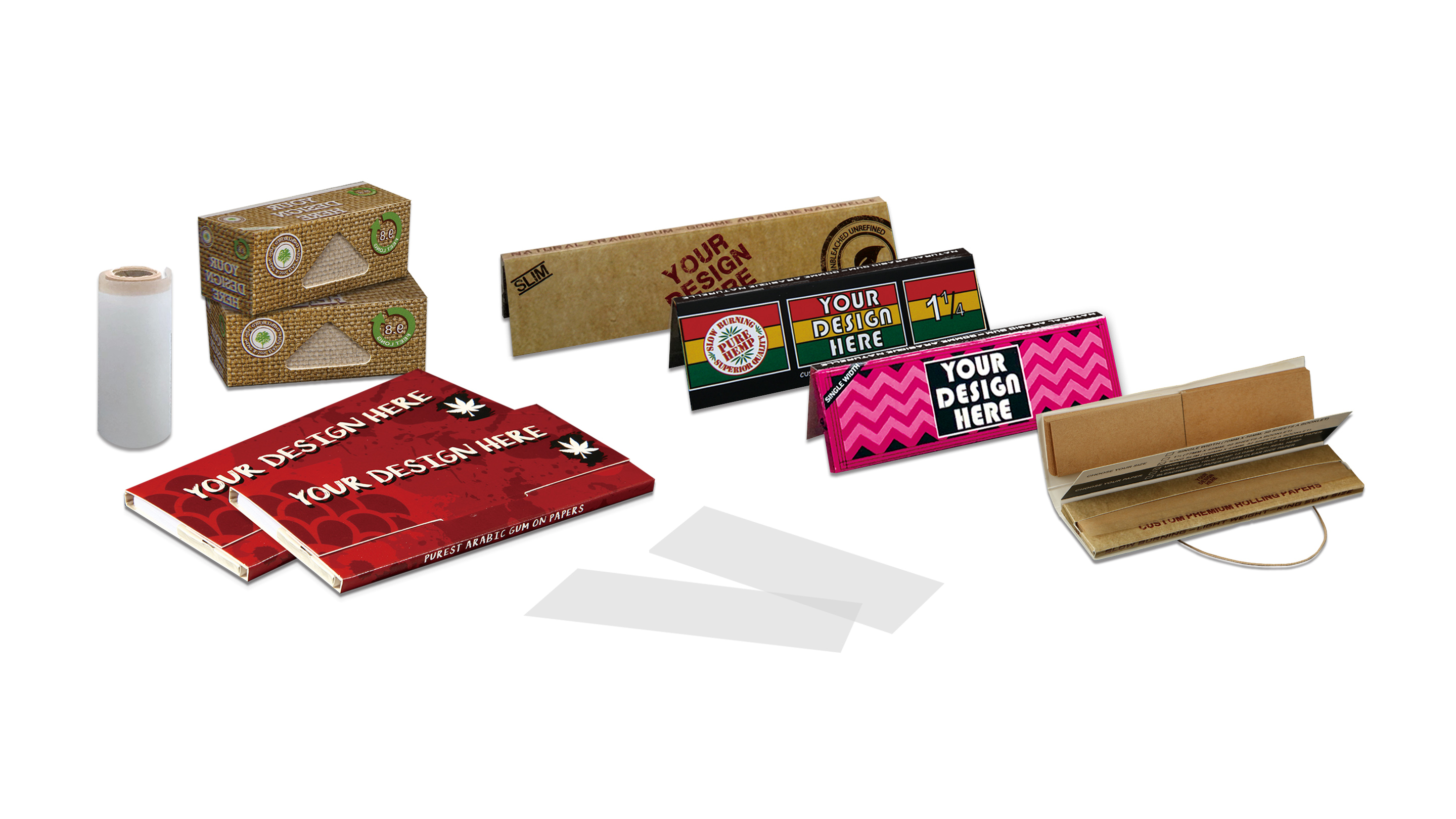
Sometimes the solution is simply upgrading your paper quality. Invest in premium custom rolling paper made from hemp or rice with natural gum arabic. The difference in adhesive quality is night and day. Yes, they cost more, but they save you from the frustration and waste of papers that don't work.
Solution #13: The Edge Prep Method ✂️
Before rolling, run your thumb nail very lightly along the gum line to ensure it's raised and ready to activate. This can help if the adhesive strip is too flat or embedded into the paper. Don't press hard—just enough to make the gum line prominent.
Solution #14: Moisture Test Before Rolling 🧪
Test your papers before committing. Touch the gum line with a slightly damp finger on a corner of the paper. If it becomes tacky within a second or two, you're good to go. If nothing happens, your papers might be too old or the gum might be compromised.
Solution #15: The Pre-Rolled Cone Alternative 🎯
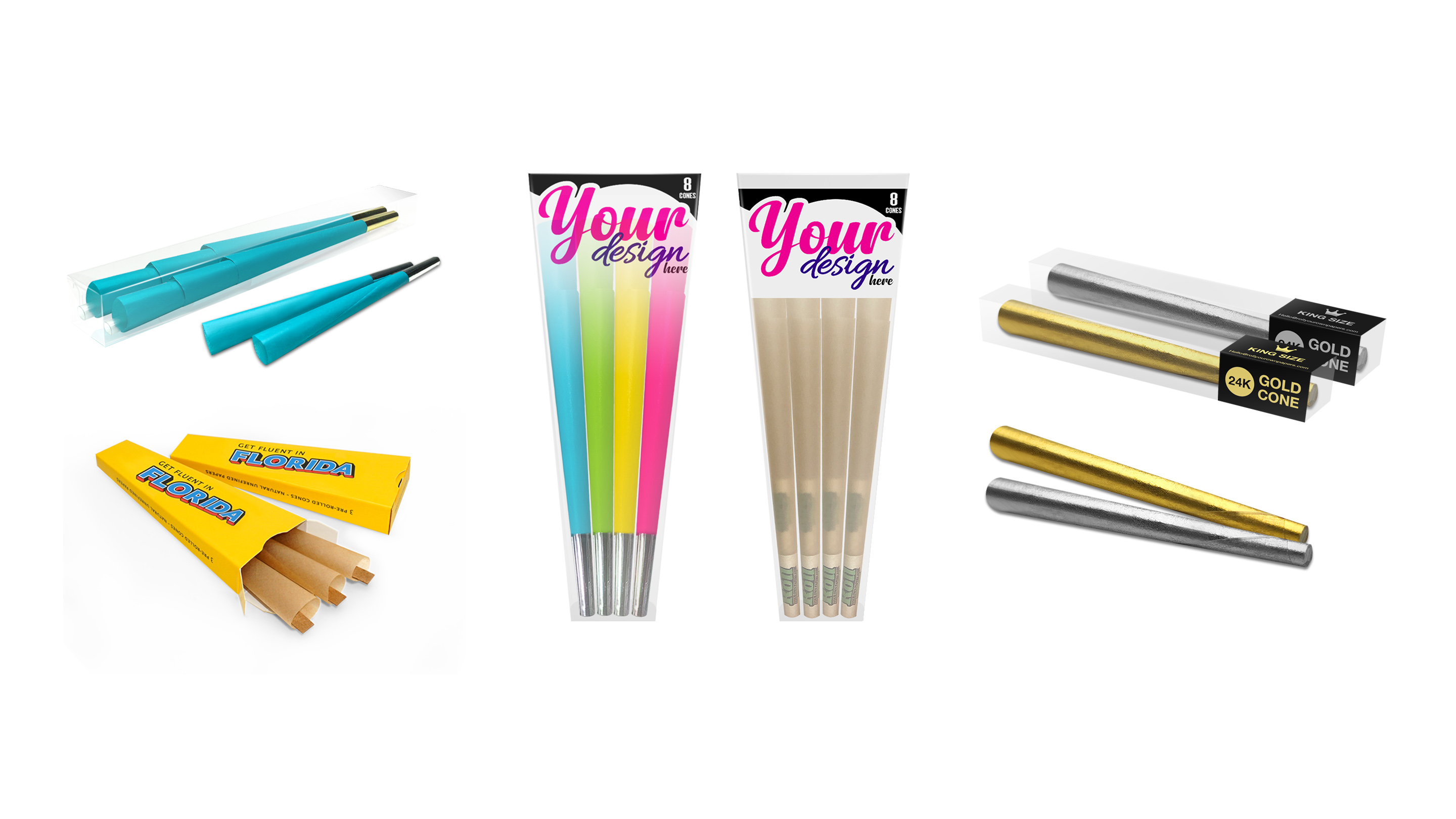
If you're constantly fighting with papers that won't stick, consider switching to pre-rolled cones. They come already shaped and sealed—you just fill them up and twist the end. This completely eliminates the sealing problem. It's not admitting defeat; it's working smarter, not harder!
Storage Tips for Maximum Stickiness 📦
Proper storage is half the battle. Here's how to keep your papers in perfect condition:
Keep Them Sealed 🔐
Always return papers to their original packaging after use. Those booklets are designed to protect the papers from environmental factors. If the packaging is damaged, transfer your papers to an airtight container or resealable bag.
Control Humidity Levels 💧
Store papers in an environment with moderate humidity—around 55-62% is ideal. Too dry, and the gum dries out; too humid, and they get soggy. Consider using a small humidity pack if you live in an extremely dry or humid climate.
Avoid Temperature Extremes 🌡️
Don't leave papers in your car where they'll experience temperature swings. Don't store them near heaters, in direct sunlight, or in the freezer. Room temperature in a drawer or cabinet is perfect.
Keep Away from Strong Odors 👃
Papers can absorb smells from their environment, and strong odors might affect the gum's performance. Store them away from cleaning products, perfumes, or anything with a strong scent.
Date Your Papers 📅
If you buy papers in bulk, write the purchase date on the packaging. This helps you rotate through older stock first and avoid using papers that have been sitting around too long. Most papers stay good for about a year under proper storage conditions.
Choosing the Right Rolling Papers 🎯
Not all papers are equal when it comes to sticking power. Here's what to look for:
Material Matters 🌾
Hemp papers typically have excellent adhesive and burn characteristics. Rice papers are ultra-thin and stick well when fresh. Wood pulp papers vary widely in quality—stick with reputable brands.
Gum Type 🌳
Natural gum arabic is the gold standard. Some cheaper papers use synthetic adhesives that don't perform as well. Check the packaging—quality brands will proudly advertise their natural gum.
Brand Reputation 🏅
Established brands have consistent quality control. While they might cost a bit more, you're paying for reliability. Look for brands that specialize in rolling papers rather than companies that make them as a side product.
Thickness Considerations 📏
Thinner papers generally have better adhesive application because the gum line is more prominent relative to the paper thickness. However, ultra-thin papers can be harder to handle. Find your sweet spot based on your rolling skills.
Why Quality Rolling Papers Make All the Difference 🌟
Look, we've covered all the tricks and techniques, but here's the truth: if you're using cheap, inconsistent papers, you're going to keep fighting this battle. Quality matters, especially when it comes to that adhesive strip.
That's where premium rolling papers come into play. When you invest in papers made from organic hemp with proper gum arabic adhesive, sealing problems basically disappear. The adhesive is applied evenly, the paper quality is consistent pack after pack, and you don't have to resort to tricks and workarounds.
Good papers aren't just about convenience—they're about respecting your experience. Papers that stick properly the first time mean less wasted material, less frustration, and more enjoyment. Plus, when you're using natural materials and proper manufacturing processes, you're getting a cleaner, safer product overall.
Whether you're rolling for yourself or you're a business looking to provide the best experience for your customers, paper quality is non-negotiable. Don't compromise on something as fundamental as the seal!
🔥 Ready to End Paper Frustration Forever?
Stop fighting with papers that won't stick! Upgrade to premium quality that seals perfectly every single time. 🎯 When you choose professional-grade papers, you're choosing consistency, reliability, and zero frustration.
- ✔️ Made from organic hemp
- ✔️ Printed with food-grade ink
- ✔️ Sealed with 100% natural gum arabic
- ✔️ Customize them with your brand, artwork, or vibe
📦 Bulk orders available | 🚚 Fast shipping | 🌱 Always chemical-free
Frequently Asked Questions ❓
Why won't my rolling paper stick properly?
Rolling papers typically won't stick due to over-licking (which washes away the gum), using too much moisture, dry or old papers, oils from your fingers contaminating the adhesive strip, or humidity issues. The gum line only needs a light touch of moisture to activate properly. Using just the tip of your tongue for a single light pass along the adhesive strip is usually all you need. If you're experiencing persistent sticking problems, it might also be a quality issue with the papers themselves or improper storage conditions affecting the adhesive.
How much should I lick my rolling paper?
Less is more! You only need a very light lick with just the tip of your tongue along the gum line. The adhesive is designed to activate with minimal moisture—think of it like moistening an envelope. A single smooth pass is typically sufficient. Over-licking actually dissolves the gum and prevents it from sticking properly by washing away the adhesive compounds before they can create a bond. If you find yourself going back for multiple licks, you're using too much moisture. The gum should appear slightly glossy after licking, not soaking wet.
Can I fix rolling papers that won't stick?
Yes! You have several options to fix non-sticking papers. Natural solutions include using a tiny bit of diluted honey or sugar water applied with a cotton swab. You can also try wrap glue products specifically designed for rolling papers. For a no-additive approach, use a joint roller for consistent results, ensure your fingers are clean and dry before handling, or slightly warm the paper before sealing (using body heat or holding near a warm surface). Another effective method is storing papers with a humidity pack to rehydrate dried-out gum. Some people swear by the candy trick—eating a mint then using that sugary saliva to seal the paper.
Do different rolling paper brands stick better than others?
Absolutely! Premium papers made from hemp or rice with natural gum arabic tend to have much more consistent adhesive quality and better sticking power. Higher-end brands invest in quality control and use better adhesive application processes, resulting in even, reliable gum lines on every paper. Cheaper papers often have inconsistent gum application, use lower-quality synthetic adhesives, or skimp on the amount of adhesive applied. Brand reputation matters—established companies that specialize in rolling papers will almost always outperform generic or low-cost alternatives. While premium papers cost more upfront, they eliminate frustration and waste from papers that don't seal properly.
How should I store rolling papers to keep them sticky?
Proper storage is crucial for maintaining adhesive quality. Store papers in their original packaging or transfer them to an airtight container if the original packaging is damaged. Keep them in a cool, dry place away from direct sunlight—room temperature is ideal. Avoid extreme environments like bathrooms (too humid), cars (temperature fluctuations), or areas near heat sources. The optimal humidity level is around 55-62%, so consider using humidity packs if you live in very dry or humid climates. Don't store papers near strong-smelling products as they can absorb odors. Fresh papers stored properly will maintain their stickiness for about a year.
What's the candy trick for making rolling papers stick?
The candy trick is a classic workaround that's been used for decades. Here's how it works: eat a mint candy (like an Altoid) or other sticky candy right before rolling. The sugar coats your mouth and tongue, so when you lick the paper's gum line, you're applying sugary saliva rather than plain saliva. The sugar acts as an additional adhesive that helps seal the paper, and as a bonus, it can add a subtle minty flavor. While this technique does work in a pinch, it's not the most reliable long-term solution and can affect the taste. It's best used as an emergency fix when you're dealing with papers that have lost their adhesive quality.
Are there alternatives if my rolling papers absolutely won't stick?
Yes, you have several excellent alternatives! Pre-rolled cones are the easiest solution—they come already shaped and sealed, so you just fill them and twist the end. No sealing required! Rolling machines are another great option that take human error out of the equation and consistently produce properly sealed rolls. You could also try switching to hemp wraps, which have different adhesive properties and might work better for you. Natural wrap glue products designed for rolling papers can be applied to strengthen weak adhesive strips. If all else fails and you're constantly frustrated with a particular brand, it's time to invest in higher-quality papers with better adhesive. Sometimes the best solution is simply upgrading your paper quality rather than fighting with inferior products.
Final Thoughts: Mastering the Perfect Seal 🎓
Getting your rolling papers to stick consistently isn't rocket science, but it does require understanding the basics and avoiding common mistakes. Remember—the adhesive on quality papers is designed to work with minimal moisture, so the lighter your touch, the better your results.
If you're still struggling after trying these techniques, the problem is probably your paper quality rather than your technique. Life's too short to fight with stubborn papers! Investing in premium materials means investing in your experience and peace of mind.
Whether you're new to rolling or you've been doing it for years, these tips should help you achieve perfect seals every single time. And remember—practice makes perfect. The more you roll, the more you'll develop a feel for exactly how much moisture your papers need.
Now get out there and roll with confidence! Your perfectly sealed masterpiece awaits. 🌟





Leave a comment