๐ก How to Make Rolling Paper at Home: ๐ฆ The Ultimate DIY Guide ๐ฟ

Ever found yourself ready to roll, only to discover you're completely out of papers? Or maybe you're just curious about creating your own rolling materials from scratch? Whether you're in a pinch or looking to explore more natural, eco-friendly alternatives, learning how to make rolling paper at home is a game-changer.
In this comprehensive guide, we'll show you exactly how to make rolling paper at home using everyday materials you probably already have. From traditional rice paper to creative alternatives like flower petals, corn husks, banana leaves, and even tea bags, we've got you covered with step-by-step instructions, safety tips, and pro techniques that'll make you wonder why you didn't try this sooner.
๐ Table of Contents
- Why Make Your Own Rolling Papers? ๐ฟ
- The Awesome Benefits of DIY Rolling Papers โจ
- What You'll Need to Get Started ๐ ๏ธ
- Safety First: What to Avoid โ ๏ธ
- Method #1: Rice Paper Rolling Papers ๐
- Method #2: Corn Husk Rolling Papers ๐ฝ
- Method #3: Hemp Paper Rolling Papers ๐ฑ
- Method #4: Flower Petal Rolling Papers ๐บ
- Method #5: Coffee Filter Rolling Papers โ
- Method #6: Natural Leaf Alternatives ๐
- Method #7: Banana Leaves (Tropical Alternative) ๐
- Method #8: Gum Wrapper (Emergency Only) ๐ฆ
- Method #9: Empty Tea Bags (Organic) ๐ต
- Method #10: Spring Roll Wrappers (Kitchen Staple) ๐ฅข
- How to Add Natural Flavors ๐
- Pro Rolling Techniques for Each Material ๐ฏ
- Storage Tips for Homemade Papers ๐ฆ
- Troubleshooting Common Problems ๐ง
- Cost Analysis: DIY vs Store-Bought ๐ฐ
- Environmental Impact & Sustainability ๐
- When to Upgrade to Premium Papers ๐๏ธ
- Frequently Asked Questions ๐ฌ
- Final Thoughts ๐
The Awesome Benefits of DIY Rolling Papers โจ
Before we dive into the how-to, let's talk about why making your own rolling papers is actually pretty brilliant:
You'll Save Serious Money ๐ธ
Store-bought rolling papers might seem cheap at $2-5 per pack, but it adds up fast. With DIY alternatives, you can create 50+ rolling papers for the same price. That's savings of 60-80% over time, and you'll always have materials on hand.
Total Control Over What You're Using ๐ฏ
When you make your own rolling papers, you know exactly what's going into them. No mystery chemicals, no questionable additives, no bleaching agents - just pure, natural materials that you've chosen yourself.
Eco-Friendly and Sustainable ๐ฑ
Most commercial rolling papers come with packaging waste and travel thousands of miles to reach you. Homemade alternatives often use biodegradable materials that are locally available, dramatically reducing your environmental footprint.
Emergency Backup Plan ๐
There's nothing worse than being caught without papers when you need them. Once you know how to make rolling paper at home, you'll never face that frustration again. Your kitchen becomes your backup supply.
Customization Options Galore ๐จ
Want flavored papers? Interested in different burn rates? Prefer ultra-thin or slightly thicker materials? When you DIY, you're in complete control of the experience.
What You'll Need to Get Started ๐ ๏ธ
The beauty of learning how to make rolling paper at home is that you don't need fancy equipment. Here's your essential toolkit:
Basic Supplies
- Sharp scissors or craft knife: For precise cutting
- Clean, flat work surface: Keep it sterile
- Paper towels: For drying and pressing
- Airtight containers: For storage
- Ruler or straight edge: For consistent sizing
Material Options (Choose Your Adventure!)
- Rice paper sheets
- Dried corn husks
- Hemp paper
- Organic rose or hibiscus petals
- Unbleached coffee filters
- Organic lettuce or cabbage leaves
Safety First: What to Avoid โ ๏ธ
Before we get into the fun stuff, let's talk safety. When learning how to make rolling paper at home, certain materials are absolute no-gos:
Never, Ever Use These Materials ๐ซ
โ ๏ธ RESEARCH-BACKED WARNING: A 2017 study found that people who rolled using newspaper, copybook paper, or improperly prepared leaves showed lung function reduction similar to coal exposure. Don't risk it!
- Newspaper or magazine pages: The ink contains toxic metals (lead, copper, chromium) and chemicals. Research shows these cause significant lung damage - comparable to inhaling coal dust!
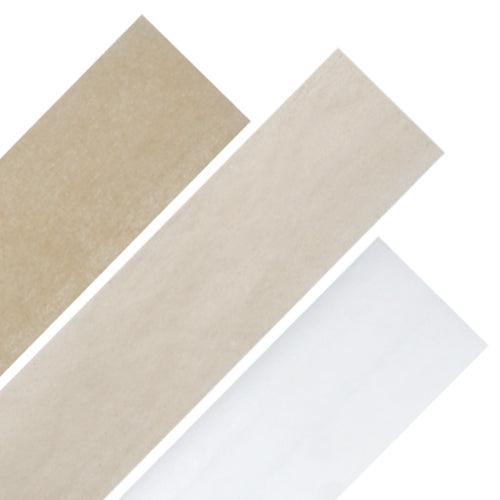
- Receipt paper (thermal paper): Contains BPA or BPS - endocrine disruptors that are extremely toxic when heated and inhaled. NEVER use these!
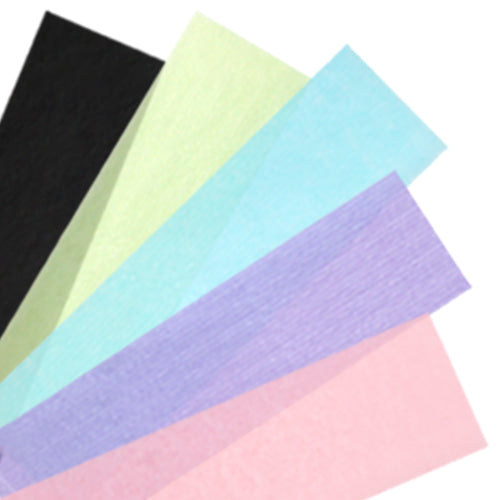
- Notebook, copybook, or printer paper: Contains bleaching agents, sizing chemicals, and wood pulp treatments. Studies link these to reduced lung function.
- Glossy or coated paper: Has plastic or wax coatings that produce toxic fumes and carcinogens
- Colored or dyed paper: A 2024 study found colored rolling papers contain copper-based pigments at 4.5x safe limits. Regular paper dyes are even worse!
- Sticky notes or post-its: The adhesive contains chemicals that release toxic fumes when burned
- Waxed paper or parchment: Wax and silicone coatings create harmful vapors
- Toilet paper or tissues: Contains bleach, lotions, fragrances, and softening chemicals - all toxic when inhaled
- Aluminum foil: Can release aluminum particles linked to health issues; creates dangerously harsh heat
- Plastic wrap or bags: Releases extremely toxic dioxins and other carcinogens when heated
- Dryer sheets: Loaded with fabric softeners, fragrances, and chemical coatings
- Brown paper bags: Often contains glue, ink, and recycled materials with unknown chemical additives
- Book pages or Bible paper: While thin, they contain ink that wasn't designed for combustion - toxic when burned
- Wrapping paper or gift wrap: Contains dyes, glitter, coatings, and decorative chemicals
๐ The Science: Recent research (2024-2025) found that 90% of commercial rolling papers contain some level of heavy metals. Imagine how much worse random household papers are! Papers with ink, dyes, or coatings had copper, lead, and chromium levels far exceeding safe inhalation limits. Your lungs deserve better than that.
The Golden Rules of Material Selection ๐
- Food-grade only: If you wouldn't eat it, don't use it
- Untreated and unbleached: Natural is always better
- No coatings: Paper should be uncoated and natural
- Organic when possible: Avoid pesticides and chemicals
- Test conservatively: Start with a tiny piece to check burn quality
Method #1: Rice Paper Rolling Papers ๐
Rice paper is the gold standard when you're learning how to make rolling paper at home. It's thin, burns cleanly, and has virtually no taste.
Why Rice Paper Rocks
- Ultra-thin texture similar to commercial papers
- Clean, slow burn with minimal ash
- Completely tasteless - won't interfere with flavor
- Easy to find at Asian grocery stores or online
- Naturally translucent and pliable
Step-by-Step Process
- Source quality rice paper: Look for Vietnamese spring roll wrappers or Chinese rice paper at Asian markets. They typically come in round or square sheets.
- Prep your workspace: Clean surface, sharp scissors, ruler, and a clean towel.
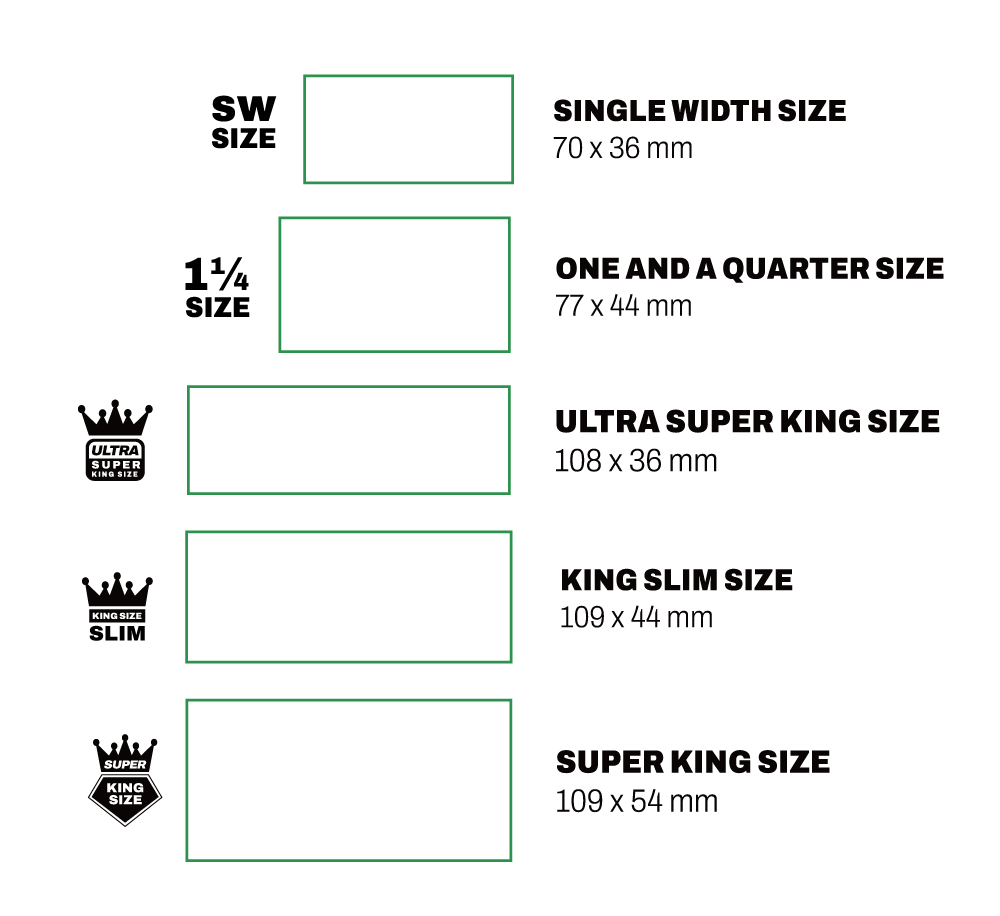
- Cut to size: Standard rolling paper dimensions are about 3 inches x 1.5 inches (76mm x 38mm). Cut your rice paper into strips of this size.
- Slightly dampen: Lightly mist one side with water using a spray bottle. This makes it more pliable without making it too wet.
- Let it rest: Allow the paper to sit for 30-60 seconds until it becomes flexible but not soggy.
- Dry properly: Lay flat on paper towels for 2-3 minutes to remove excess moisture.
- Store correctly: Keep in an airtight container between sheets of parchment paper to prevent sticking.
Pro Tips for Rice Paper
Rice paper can tear easily when it's too wet, so practice the dampening technique. Some folks prefer to work with completely dry rice paper and moisten it only at the seal point. Experiment to find what works best for you. The thinner varieties work better than thick rice paper sheets.
Method #2: Corn Husk Rolling Papers ๐ฝ
Corn husks are an old-school favorite that deliver smooth, slow burns. They're surprisingly easy to work with once you know the trick.
Why Corn Husks Are Awesome
- Naturally slow and even burn rate
- Sturdy enough for beginners to handle
- Adds a subtle, pleasant earthy flavor
- Inexpensive and readily available
- Traditional method with centuries of use
Preparing Corn Husks for Rolling
- Get fresh or dried husks: You can use the husks from fresh corn (free!) or buy dried husks from grocery stores for about $3 per bag.
- Clean thoroughly: Remove all silk strands and rinse well under cool water.
- Dry them out: If using fresh husks, spread them on a baking sheet and dry in the oven at 200ยฐF (93ยฐC) for 30-45 minutes until they're completely dry but still pliable.
- Peel into layers: Corn husks have multiple layers. Separate them to find the thinnest inner layers - these work best.
- Cut to size: Trim into rectangles approximately 3-4 inches long and 1.5-2 inches wide.
- Test burn: Always test a small piece first to check burn quality and make sure there's no harshness.
- Rehydrate before use: Lightly dampen the husk with water 2-3 minutes before rolling to make it more pliable.
Rolling with Corn Husks
The key is keeping the husk slightly moist while rolling - not soaking wet, just dampened. Roll it tighter than you would with regular papers since corn husks are thicker. The edges naturally seal when pressed together after they dry slightly.
Method #3: Hemp Paper Rolling Papers ๐ฑ
Hemp paper is a premium natural option that's gaining popularity for good reason. It's similar to what many commercial rolling papers are made from.
Hemp Paper Advantages
- Slow, consistent burn rate
- Slightly sweet, pleasant taste
- Stronger than rice paper (less tearing)
- Available in various thicknesses
- Environmentally sustainable crop
Working with Hemp Paper
- Source quality hemp paper: Look for unbleached, natural hemp paper at health food stores, craft stores, or online. Make sure it's food-grade quality.
- Check thickness: Thinner hemp paper (similar to tissue paper weight) works best for rolling.
- Cut precision strips: Use a ruler and sharp blade to cut 3" x 1.5" rectangles.
- No prep needed: Unlike rice paper or corn husks, hemp paper usually works great dry.
- Create a seal: Lick the edge lightly or use a tiny bit of honey as natural adhesive.
- Store flat: Keep hemp papers flat in a dry place to prevent warping.
Method #4: Flower Petal Rolling Papers ๐บ
This is where things get creative! Flower petals not only work as rolling papers, but they add natural aromatics to your experience.
Best Flowers for Rolling Papers
- Rose petals: Classic choice, delicate flavor, lovely aroma
- Hibiscus petals: Slightly tart, adds color, burns well
- Lavender petals: Calming scent, smooth burn
- Calendula petals: Neutral flavor, good structure
- Chamomile flowers: Gentle, relaxing properties
Preparing Flower Petals
- Source organic petals: Critical! Only use organically grown, pesticide-free petals. Florist flowers are treated with chemicals.
- Harvest at peak: Fresh petals need to be dried, so pick them when fully opened but not wilting.
- Clean gently: Rinse petals under cool water and pat completely dry.
- Dry thoroughly: Air dry petals by laying them flat on paper towels in a cool, dark place for 4-8 hours. They should feel papery but not brittle.
- Flatten carefully: Once dry, press petals between heavy books overnight to flatten them.
- Layer for strength: Overlap 2-3 petals slightly to create a stronger rolling surface.
- Moisten edges: Dampen the overlapping edges so they stick together naturally.
Pro Tips for Petal Papers
Rose petals work best when they're dried to about 70% of their moisture - not completely crispy. The natural oils in the petals act as a mild adhesive when slightly moist. Roll gently as petals can tear more easily than other materials.
Method #5: Coffee Filter Rolling Papers โ
In a real pinch, unbleached coffee filters can work as rolling papers. They're not the most elegant solution, but they get the job done.
Coffee Filter Basics
- Always choose unbleached, brown coffee filters
- They're porous, so expect a faster burn
- No flavor interference
- Super accessible - most people have them
- Very affordable option
Using Coffee Filters
- Select unbleached only: White bleached filters contain chemicals. Stick with natural brown ones.
- Flatten the filter: Coffee filters are cone-shaped. Flatten one out completely.
- Cut strategically: Cut strips from the filter, avoiding the seam where it's glued together.
- Trim to size: Cut into 2.5-3 inch strips, slightly smaller than traditional papers.
- Roll tighter: Coffee filters are thicker, so roll a bit tighter than normal.
- Seal with moisture: The filter material will stick to itself when slightly dampened.
Heads Up
Coffee filters burn faster than most alternatives because of their porous nature. This isn't ideal for a slow, leisurely session, but it works in emergencies. Some users report a slight papery taste, so this isn't our first recommendation for regular use.
Method #6: Natural Leaf Alternatives ๐
Certain natural leaves can work beautifully as rolling papers. People have been using leaves for centuries around the world.
Best Leaf Options
- Organic lettuce leaves: Thin outer leaves work best, neutral flavor
- Organic cabbage leaves: Sturdy structure, need thinning
- Grapevine leaves: Traditional in many cultures, good burn rate
- Mint leaves: Large spearmint or peppermint leaves add flavor
Preparing Leaf Alternatives
- Choose large, unblemished leaves: Look for leaves at least 3-4 inches across.
- Wash thoroughly: Remove any dirt, pesticides, or residue.
- Pat dry: Remove all surface moisture.
- Remove thick veins: The central vein is too thick for rolling. Carefully cut it out or work around it.
- Thin if needed: For thicker leaves like cabbage, lightly steam them for 30 seconds to make them more pliable.
- Dry slightly: Let steamed leaves air dry for 15-20 minutes before use.
- Cut to size: Trim leaves into workable rectangles.
Method #7: Banana Leaves (Tropical Alternative) ๐
Banana leaves have been used for rolling in Jamaica and tropical regions for centuries. They're becoming popular as a commercial product (brands like Million Bananas and Natives), but you can prepare your own at home.
Why Banana Leaves Work Well
- Large size - one leaf makes multiple rolls
- Natural, organic, chemical-free
- Earthy, slightly sweet flavor (not banana-flavored)
- Smooth, slow burn when properly prepared
- Traditional method with proven track record
CRITICAL Safety Note โ ๏ธ
Research from Vanuatu found that improperly prepared banana leaves, newspaper, or copybook paper caused severe lung damage. The key word is "improperly prepared." The problem wasn't the banana leaf itself - it was using uncured, dirty, or treated leaves. When properly cleaned and cured, banana leaves are safe.
How to Properly Prepare Banana Leaves
- Source fresh, organic leaves: Use leaves from pesticide-free banana plants. Asian or Latin markets often sell them fresh or frozen.
- Clean thoroughly: Wash leaves with clean water to remove any dirt, debris, or residue. Pat completely dry.
- Remove the thick central vein: Cut out the rigid spine running down the center - it's too tough to roll.
- Cut into sections: Cut leaves into 4-6 inch rectangles.
- Cure the leaves (important!): - Method A: Pass leaves quickly over low heat (not flame) to soften and sterilize - Method B: Dry in oven at 200ยฐF for 15-20 minutes until pliable but not brittle - Method C: Air dry in a clean, dry place for 24-48 hours
- Rehydrate before use: Lightly dampen with clean water and let sit for 2-3 minutes before rolling.
- Store properly: Keep dried leaves in an airtight container away from moisture.
Rolling with Banana Leaves
Banana leaves are thicker than paper, so roll loosely at first to allow airflow. The leaf won't stick to itself easily, so you might need natural adhesive like honey or agave. For large leaves, you can cut them to your preferred size - they're very forgiving.
The Taste Experience
Despite being banana leaves, they don't taste like bananas! The flavor is more earthy, slightly sweet, and very neutral - it actually enhances rather than overpowers your material's natural flavor.
Method #8: Gum Wrapper (Emergency Only) ๐ฆ
โ ๏ธ USE ONLY AS LAST RESORT - This method is controversial and should only be used in true emergencies when absolutely nothing else is available. We're including it because people do it, but please use extreme caution.
Why This Is Risky
- Most gum wrappers have a thin metallic foil layer that MUST be completely removed
- Even tiny bits of foil can release toxic fumes when heated
- Some wrappers have ink or coatings that aren't safe
- The paper burns very quickly and harshly
- Not meant for combustion at all
If You Absolutely Must Use a Gum Wrapper
- Choose plain wrappers only: Wrigley's-style plain paper wrappers are safest. Avoid anything metallic, shiny, or with heavy printing.
- Remove ALL foil: Carefully peel away every trace of metallic lining. Hold it up to light - if you see any shine, keep peeling. This is CRITICAL.
- Inspect for inks: If the wrapper has heavy ink or colored printing, don't use it. Plain white or lightly printed only.
- Flatten completely: Smooth out all creases and wrinkles.
- Cut to size: Trim to rolling paper dimensions (about 3" x 1.5").
- Roll very carefully: The paper is fragile and tears easily. Roll loosely.
- Seal with moisture: Lick edge or use tiny drop of honey.
- Expect fast burn: Gum wrapper paper burns much faster than regular papers.
Better Alternatives to Try First
Before resorting to gum wrappers, seriously consider these safer options: corn husks, rice paper from your kitchen, coffee filters, or even fresh lettuce leaves. Gum wrappers should be the absolute last option when nothing else exists.
Our Honest Take
We included this method because it's frequently mentioned online, but we don't recommend it. The risk of inhaling foil particles or ink chemicals isn't worth it. If you find yourself considering a gum wrapper, maybe it's a sign to just take a break and restock your supplies! Your lungs will thank you.
Method #9: Empty Tea Bags (Organic) ๐ต
Here's a creative kitchen hack that actually works pretty well: organic, unbleached tea bag paper. The key word is "empty" - you're using the bag material, not making tea-flavored rolls!
Why Tea Bag Paper Works
- Made from natural plant fibers (usually hemp, abaca, or wood pulp)
- Designed to withstand heat (for hot water)
- Thin and porous like rolling paper
- Typically unbleached in organic brands
- Burns relatively cleanly
Important Selection Criteria
Not all tea bags are created equal. You need:
- Organic, unbleached tea bags (brown, not white)
- Paper bags, not nylon or plastic "silk" bags
- Plain tea bags without staples or glue
- No flavor additives or oils on the paper
- Brands like Traditional Medicinals or Numi use safer materials
How to Use Tea Bag Paper
- Empty the tea: Carefully open the bag and remove all tea leaves. Save them for actual tea!
- Rinse gently: Rinse the empty bag under cool water to remove any remaining tea residue.
- Dry completely: Pat with paper towels and let air dry for 15-20 minutes. Must be bone dry.
- Carefully unfold: Many tea bags are folded and sealed. Gently unfold the paper to create a flat sheet.
- Remove staples/strings: Take out any metal staples or strings attached.
- Cut to size: Trim the bag material into rolling paper dimensions.
- Roll normally: The paper should handle like a thick rolling paper.
- Seal with moisture: The plant fiber material will stick to itself when moistened.
What to Expect
Tea bag paper tends to burn faster than traditional rolling papers due to its porous nature. The taste is generally neutral, though you might detect a very slight papery flavor. It's not ideal for everyday use, but it's definitely safer than most household alternatives.
Pro Tip
Save your organic tea bags after use! Rinse, dry, and store the empty bags in a container. You'll always have emergency paper available, and you're upcycling something that would otherwise be trash. Win-win for your wallet and the environment.
Method #10: Spring Roll Wrappers (Kitchen Staple) ๐ฅข
If you have Asian cuisine in your cooking rotation, you probably already have the perfect rolling paper alternative in your kitchen: spring roll wrappers (rice paper sheets).
Why Spring Roll Wrappers Are Perfect
- Made from pure rice flour and water
- Ultra-thin and translucent
- Completely natural with zero additives
- Burns slowly and evenly
- Tasteless - won't interfere with flavor
- Readily available at most grocery stores
- Costs $3-4 for 50+ rolling paper equivalents
Spring Roll Wrapper vs Regular Rice Paper
Spring roll wrappers are essentially the same as the rice paper we discussed in Method #1, but they're specifically sold for food use in the ethnic foods aisle. The advantage? They're usually higher quality, fresher, and easier to find than specialty paper products.
How to Prep Spring Roll Wrappers
- Buy the right kind: Look for Vietnamese rice paper (bรกnh trรกng) or Thai spring roll wrappers. They come in round or square sheets, usually 8-10 inches diameter.
- Check ingredients: Should only list: rice flour, water, salt. Nothing else!
- Cut to size: Use scissors to cut large sheets into rolling paper-sized rectangles (3" x 1.5").
- Hydrate properly: Here's the trick: - Fill a shallow dish with room temperature water - Dip the rice paper for 2-3 seconds only - Lay flat on a clean towel - Wait 30 seconds until pliable but not soggy
- Work quickly: Once hydrated, rice paper becomes workable for about 2-3 minutes before it gets too wet or dries out again.
- Roll with care: These sheets are delicate when wet. Use gentle, steady pressure.
- Seal naturally: The rice paper will stick to itself when moistened - no additional adhesive needed.
Storage and Shelf Life
Dry spring roll wrappers last almost indefinitely when stored in a cool, dry place. Keep them in the original packaging or transfer to an airtight container. Once you've cut them to size, store the pre-cut papers between sheets of parchment paper to prevent sticking.
Cost Comparison Reminder
A $3 package of spring roll wrappers (50 sheets) can make 200+ rolling papers when cut to size. That's literally a year's supply for many people, all for the price of one pack of premium rolling papers. Now that's a kitchen hack worth knowing!
Bonus Tip
Spring roll wrappers come in different thicknesses. For rolling purposes, look for the thinnest variety (often labeled "spring roll" rather than "summer roll" which tend to be thicker). The thinner they are, the closer they'll be to traditional rolling paper consistency.
How to Add Natural Flavors ๐
One of the coolest parts about learning how to make rolling paper at home is the ability to customize flavors naturally.
Natural Flavoring Methods
The Jar Method (Most Popular)
- Place your prepared rolling papers in an airtight jar
- Add your flavoring element in a separate tea bag or cheesecloth sachet
- Seal and let sit for 2-4 hours (or overnight for stronger flavor)
- Remove papers and use as normal
Best Flavoring Agents
- Citrus peels: Lemon, orange, grapefruit, lime (dried peels work best)
- Apple slices: Dried apple for a sweet, fruity note
- Vanilla bean: Split vanilla bean adds warm, sweet aroma
- Cinnamon sticks: Warm, spicy sweetness
- Fresh mint: Cool, refreshing flavor
- Lavender buds: Calming floral notes
- Food-grade essential oils: Just 2-3 drops on a cotton ball (never directly on papers)
Important Flavoring Tips
Never apply flavoring directly to your rolling papers - always use the indirect method. Only use food-grade flavoring agents that are safe for consumption. Remember that subtle flavoring is better than overwhelming taste. You can always add more but you can't remove excess flavor once it's absorbed.
Pro Rolling Techniques for Each Material ๐ฏ
Different materials require slightly different rolling techniques. Here's how to master each one:
Rice Paper Technique
Use the "pinch and roll" method. Start with the paper cupped in your fingers, distribute your material evenly, then use your thumbs to roll up while pinching the sides. The paper is delicate, so use gentle, consistent pressure. Moisten just the edge for sealing.
Corn Husk Technique
Dampen the entire husk slightly before starting. Roll tighter than you would with paper since husks are thicker. Press the seam firmly and hold for 5-10 seconds. The natural plant fibers will bond as they dry slightly.
Hemp Paper Technique
Hemp paper has a slight grain direction - roll parallel to the grain for easier rolling. It's more forgiving than rice paper but still requires even distribution. A tiny drop of honey works perfectly as a seal.
Flower Petal Technique
Layer 2-3 petals with slight overlaps before rolling. Work gently as petals can tear. Use natural moisture from your fingertips to help petals stick. Roll loosely at first, then tighten gradually.
Coffee Filter Technique
Roll tighter than normal due to thickness and porosity. Twist the ends slightly to secure contents. The filter material naturally grips itself when rolled properly.
Leaf Technique
Remove or work around the central vein. Roll with the natural curve of the leaf. The leaf should still be slightly moist (but not wet) for optimal pliability. Seal edges by pressing firmly.
Storage Tips for Homemade Papers ๐ฆ
Proper storage is crucial for maintaining quality when you make rolling paper at home. Here's how to keep your materials fresh:
General Storage Rules
- Keep it airtight: Use mason jars, ziplock bags, or plastic containers with tight seals
- Control humidity: Too dry = brittle papers; too moist = mold growth. Aim for 55-62% humidity
- Avoid direct light: UV rays can degrade organic materials
- Room temperature: Avoid temperature fluctuations
- Separate by type: Don't mix different materials in the same container
Material-Specific Storage
Rice paper: Store between parchment paper sheets in an airtight container. Lasts 6-12 months.
Corn husks: Store completely dry in a sealed bag or jar. Can last indefinitely when bone-dry. Rehydrate before use.
Hemp paper: Keep flat in a drawer or folder. Doesn't require airtight storage. Lasts indefinitely.
Flower petals: Store in a dark, airtight container with silica gel packets. Use within 3-6 months for best quality.
Leaves: Require higher moisture - store in the refrigerator in a sealed container with a slightly damp paper towel. Use within 3-5 days.
Troubleshooting Common Problems ๐ง
Running into issues? Here's how to fix the most common problems when learning how to make rolling paper at home:
Paper Keeps Tearing
Problem: Material rips during rolling
Solution: Your material might be too dry. Lightly mist with water and wait 30 seconds. Also try rolling more gently or using a thicker material like corn husks.
Won't Stay Sealed
Problem: The paper unrolls after sealing
Solution: Moisten the seal edge more thoroughly. For stubborn materials, use a tiny drop of honey or agave as natural adhesive. Press firmly and hold for 10-15 seconds.
Burns Too Fast
Problem: Material burns quickly and unevenly
Solution: You might be using too thin or porous material. Try doubling up layers or switching to a denser material like corn husks. Also check that you're rolling tightly enough.
Harsh or Bad Taste
Problem: Unpleasant flavor when using
Solution: Your material might not be clean or could have chemicals. Only use food-grade, organic materials. Wash thoroughly before preparation. Switch to a neutral option like rice paper.
Material Is Too Thick
Problem: Paper feels bulky and hard to roll
Solution: Peel materials into thinner layers (works for corn husks). For leaves, try steaming briefly. With flower petals, use only single petals rather than layering.
Sticks Together in Storage
Problem: Papers clump together
Solution: Store between parchment paper sheets. Make sure materials are completely dry before storing. Add small squares of parchment between each paper.
Cost Analysis: DIY vs Store-Bought ๐ฐ
Let's break down the real costs and savings when you make rolling paper at home:
Store-Bought Papers
- Regular papers (32 sheets): $2-3 per pack
- Premium papers (32 sheets): $4-5 per pack
- Specialty flavored papers: $5-7 per pack
- Average use: 1 pack per week = $104-364/year
DIY Materials Cost
- Rice paper (100 sheets): $3-4 = enough for 200+ rolls
- Corn husks (1 bag): $2-3 = enough for 100+ rolls
- Hemp paper (50 sheets): $8-10 = enough for 100+ rolls
- Organic rose petals (1 bag): $5-8 = enough for 20-30 rolls
- Coffee filters (100 pack): $3-4 = enough for 200+ rolls
The Real Savings
If you use papers regularly (say, 5 times per week), you're looking at approximately 260 rolls per year. Here's what that costs:
- Store-bought: $104-260 per year
- DIY rice paper: $15-20 per year (85% savings!)
- DIY corn husks: $8-12 per year (92% savings!)
- DIY hemp paper: $40-50 per year (62% savings!)
Over 5 years, using DIY methods could save you $400-1,200 depending on your usage and material choices. That's real money!
Environmental Impact & Sustainability ๐
Making rolling paper at home isn't just about saving money - it's also about reducing your environmental footprint.
The Commercial Paper Problem
- Most papers are shipped thousands of miles
- Packaging waste (plastic wrappers, cardboard boxes)
- Bleaching processes use harsh chemicals
- Single-use mentality creates waste
- Some brands use unsustainable farming practices
DIY Sustainability Benefits
- Zero packaging waste: No plastic wrappers or boxes
- Local materials: Dramatically reduced transport emissions
- Biodegradable: All natural materials break down quickly
- Upcycling: Use corn husks and leaves that would otherwise be discarded
- Chemical-free: No bleaching or processing chemicals
- Renewable: Most DIY materials come from rapidly renewable plants
Making the Most Sustainable Choices
For the lowest environmental impact, prioritize materials you can source locally and organically. Corn husks from fresh corn you're already buying for dinner? Perfect! Organic rose petals from your garden? Excellent! The absolute best choices are materials that would otherwise be composted or thrown away.
When to Upgrade to Premium Papers ๐๏ธ
While learning how to make rolling paper at home is awesome, sometimes you want the convenience and consistency of quality commercial papers. Here's when to consider upgrading:
Situations Where Store-Bought Makes Sense
- You're traveling: Prepared papers are more convenient on the go
- You're sharing with others: Pre-cut papers are more social-friendly
- You want perfection: Commercial papers offer consistent size and thickness
- Time is tight: No prep work needed with store-bought
- You're giving as gifts: Professional papers make better presents
The Best of Both Worlds
Many people use a hybrid approach - DIY for at-home use where you can take your time, and premium commercial papers for convenience when out and about. This gives you cost savings while maintaining flexibility.
Our Premium Paper Recommendation
If you're looking to upgrade from DIY, check out our selection of premium rolling papers at rollyourownpapers.com. We offer organic, unbleached papers made from sustainable sources, plus custom options if you want to personalize your rolling experience. Our papers are designed for those who appreciate quality craftsmanship while still caring about what goes into their papers.
Whether you make your own or choose our premium papers, the most important thing is using materials you trust and feel good about. Your rolling experience should be exactly what you want it to be.
Frequently Asked Questions ๐ฌ
Can you really make rolling paper at home that's safe to use?
Absolutely! You can make safe rolling papers at home using natural, untreated materials like rice paper, corn husks, hemp paper, and even certain dried leaves. The key is choosing materials that are free from chemicals, dyes, bleaches, and synthetic coatings. Always ensure your materials are food-grade or organic to avoid inhaling harmful substances. When done correctly with proper materials, homemade rolling papers can be just as safe (or safer) than many commercial options.
What household items work best as rolling paper alternatives?
The best household alternatives include corn husks (which burn slowly and evenly), rice paper (thin and tasteless), unbleached coffee filters (readily available), rose or hibiscus petals (add natural flavor), and lettuce or cabbage leaves (completely natural). Each material has unique properties - corn husks offer durability, while rice paper provides a clean burn. The key is choosing items that are natural, untreated, and free from any chemicals or additives.
How do homemade rolling papers compare to store-bought ones?
Homemade rolling papers can match or exceed store-bought quality when made correctly. Natural materials like rice paper and corn husks burn just as cleanly as commercial papers. The main differences are consistency (store-bought papers are uniform) and convenience (store-bought are pre-cut). However, homemade papers offer customization, significant cost savings, and the satisfaction of creating your own materials. Plus, you know exactly what's in them - no mystery chemicals or additives.
What materials should you absolutely avoid when making rolling papers?
Never use materials with ink, dyes, or printed text (newspapers, magazines, colored paper), bleached or treated papers, glossy or coated papers, plastic or synthetic materials, waxed paper, aluminum foil, or materials with adhesives. These can release toxic fumes when heated. Also avoid regular notebook paper, tissue paper with lotions, or anything not explicitly food-grade. Stick to natural, untreated, food-grade materials only. When in doubt, don't use it.
How long does it take to prepare homemade rolling papers?
Preparation time varies by material. Rice paper (already thin and ready) takes just 1-2 minutes to cut and prepare. Corn husks need 30-45 minutes of drying time in the oven if fresh. Flower petals require 4-8 hours of air drying. Coffee filters are instant - just cut to size. Leaves need minimal prep but work best when fresh. Plan ahead for the best results, especially with natural materials that need drying time. Once prepared, materials can be stored for weeks or months.
Can you add flavor to homemade rolling papers?
Yes! You can naturally flavor your materials by storing them with dried fruit peels (citrus, apple), culinary herbs (mint, lavender), or food-grade essential oils in a sealed container for 2-4 hours before use. The jar method works best - place your papers in an airtight jar with the flavoring agent (kept separate in a tea bag or sachet) and let them absorb the aroma. Flower petals like rose or hibiscus add built-in flavor. Avoid artificial flavoring or anything not food-grade. Subtle flavoring is better than overwhelming taste.
Is making your own rolling paper more cost-effective?
Absolutely! A pack of 32 rolling papers costs $2-5, while rice paper sheets (enough for 200+ rolls) cost $3-4, corn husks (100+ rolls) cost $2-3, and flower petals (20-30 rolls) cost $5-8. If you use papers 5 times per week, you'll spend $104-260 annually on store-bought versus just $8-50 on DIY materials - that's 60-92% savings! Over time, you'll save hundreds of dollars while always having materials on hand. Plus, you have complete control over quality and ingredients.
Are banana leaves safe to use as rolling papers?
Yes, when properly prepared! Banana leaves have been used for centuries in tropical regions like Jamaica and the Caribbean. The key is using organic, pesticide-free leaves, cleaning them thoroughly, and curing them correctly. You can air dry them for 24-48 hours, oven dry at 200ยฐF for 15-20 minutes, or pass them quickly over low heat to soften and sterilize. Improperly prepared or dirty leaves can be problematic, but when done right, banana leaves provide a smooth, earthy smoke. Commercial brands like Million Bananas and Natives sell pre-cured banana leaf wraps that are ready to use.
Can you use tea bag paper as a rolling paper substitute?
Yes, empty organic tea bags can work as an emergency rolling paper! The key is using unbleached, organic tea bags made from natural plant fibers (not plastic or nylon "silk" bags). Empty the tea leaves, rinse the bag thoroughly, let it dry completely, then unfold the bag material. Remove any staples or strings. The paper is thin, natural, and designed to handle heat from hot water, so it can handle combustion. It burns faster than traditional papers due to its porous nature, but it's much safer than most household alternatives like newspaper or notebook paper. Always choose brands with simple, natural ingredients.
Final Thoughts: Your Rolling Paper Journey Awaits ๐
Learning how to make rolling paper at home is more than just a practical skill - it's an opportunity to take control of your rolling experience while saving money and helping the environment. Whether you choose the classic reliability of rice paper, the earthy authenticity of corn husks, or the creative flair of flower petals, you now have the knowledge to create quality rolling papers anytime, anywhere.
Remember these key points as you start your DIY rolling paper journey:
- โ Always prioritize safety - use only food-grade, natural materials
- โ Start with easier materials like rice paper or corn husks
- โ Experiment to find your favorite method and materials
- โ Proper storage extends the life of your homemade papers
- โ DIY papers save you serious money over time
- โ Each material offers unique benefits and characteristics
- โ Don't be discouraged if your first attempts aren't perfect
The beauty of making your own rolling papers is the journey itself. Each material teaches you something new, and with practice, you'll develop preferences and techniques that work perfectly for you. Some days you might want the clean simplicity of rice paper, while other times the aromatic experience of rose petals calls to you. That's the magic of DIY - you're in complete control.
And hey, if you ever want to take a break from the DIY life and treat yourself to professionally crafted, premium rolling papers, we've got you covered at rollyourownpapers.com. We understand the appeal of both worlds because we're rolling enthusiasts just like you.
Now grab your materials, follow these techniques, and enjoy the satisfaction of rolling with papers you made yourself. Your wallet, your health, and the environment will thank you. Happy rolling! โ๏ธ
Leave a comment