





🌿 How to Use Herb Grinder with Teeth: The Ultimate 2026 Guide ✨

So you've got yourself a shiny new herb grinder with those sharp, intimidating teeth staring back at you. Maybe you're wondering: "How exactly do these little metal spikes turn my herbs into the perfect consistency?" or "Am I doing this right?" Don't sweat it! By the end of this guide, you'll be grinding like an absolute pro, getting consistent results every single time, and avoiding the rookie mistakes that make people give up on grinders altogether.
Whether you're Team Vaporizer, a rolling enthusiast, or just someone who appreciates the finer things in botanical life, mastering your herb grinder with teeth is going to change everything. Let's break it down step by step, with zero judgment and lots of practical tips you can actually use. 🚀
📋 Table of Contents
- What Exactly Is an Herb Grinder with Teeth? 🤔
- Why the Teeth Actually Matter (Spoiler: They're Not Just for Show) ⚙️
- Anatomy of a Grinder: Know Your Parts 🔍
- Types of Grinders: 2-Piece, 3-Piece, or 4-Piece? 📦
- Before You Grind: Prep Work That Actually Matters 🧑🔬
- Step-by-Step: How to Use Your Herb Grinder with Teeth 👣
- Grind Consistency Guide: Fine, Medium, or Coarse? 🎯
- Advanced Grinding Techniques for Better Results 🏆
- Kief Collection 101: That Golden Powder at the Bottom ✨
- Cleaning & Maintenance: Keep Those Teeth Sharp 🧼
- Troubleshooting Common Grinder Problems 🛠️
- 7 Common Mistakes Everyone Makes (And How to Avoid Them) ⚠️
- Frequently Asked Questions 💬
What Exactly Is an Herb Grinder with Teeth? 🤔
An herb grinder with teeth is basically a handheld device designed to break down dried botanical material into smaller, more uniform pieces. Think of it as a mini food processor, but way more portable and specifically engineered for herbs. The "teeth" are sharp, usually pyramid-shaped or diamond-cut metal pegs that interlock when you twist the two halves of the grinder together.
Here's the beautiful part: when you twist, those teeth don't just mash your herbs—they shear, tear, and slice them into consistent particles. This is completely different from using your fingers (sticky mess), scissors (uneven chunks), or other DIY methods that leave you frustrated and wasting good material.
Why Even Bother Using a Herb Grinder? 🤷♂️
Great question! Here's why herb grinders have become the standard tool for anyone serious about their herbs:
- Consistency is everything: Uniform particles mean even heating, whether you're vaporizing or rolling. No more hot spots or wasted material.
- Maximize surface area: Ground herbs expose way more surface area to heat or flame, which means better extraction of flavors, aromas, and active compounds.
- Keep your hands clean: No more sticky fingers or resin under your nails. Just clean, easy operation.
- Speed and efficiency: What takes 5 minutes by hand takes 15 seconds with a good grinder.
- Kief collection: Many grinders catch that super-potent powder that falls off during grinding—free bonus material!
Why the Teeth Actually Matter (Spoiler: They're Not Just for Show) ⚙️
Not all grinder teeth are created equal, my friend. The design, sharpness, and arrangement of those teeth determine whether you get a fluffy, even grind or an inconsistent mess with unground chunks mixed in.
Teeth Design 101 🦷
Premium herb grinders typically feature diamond-cut teeth that are precision-machined using CNC technology. These babies stay sharp for years and create a scissor-like shearing action that's incredibly efficient. Cheaper grinders often use stamped or molded teeth that dull quickly and give you that frustrating "crunchy" grind.
The arrangement matters too. Look for grinders with 50+ teeth that are staggered at different heights. This creates multiple cutting planes so herbs get processed evenly no matter where they land. Some grinders have fewer, larger teeth—these work fine but require more twisting and effort.
The Science Behind the Shred 🔬
When you twist your grinder, the teeth from the top and bottom pieces move past each other in a scissoring motion. Herbs caught between these teeth get sheared apart, similar to how a paper shredder works. The key is maintaining sharp edges and proper spacing so nothing gets crushed or compressed—just cleanly cut.
That's why metal grinders with CNC-machined teeth outperform plastic or wooden ones. The teeth stay sharp, the tolerances are tighter, and you get that satisfying "butter smooth" twist that tells you everything is working as intended.
Anatomy of a Grinder: Know Your Parts 🔍
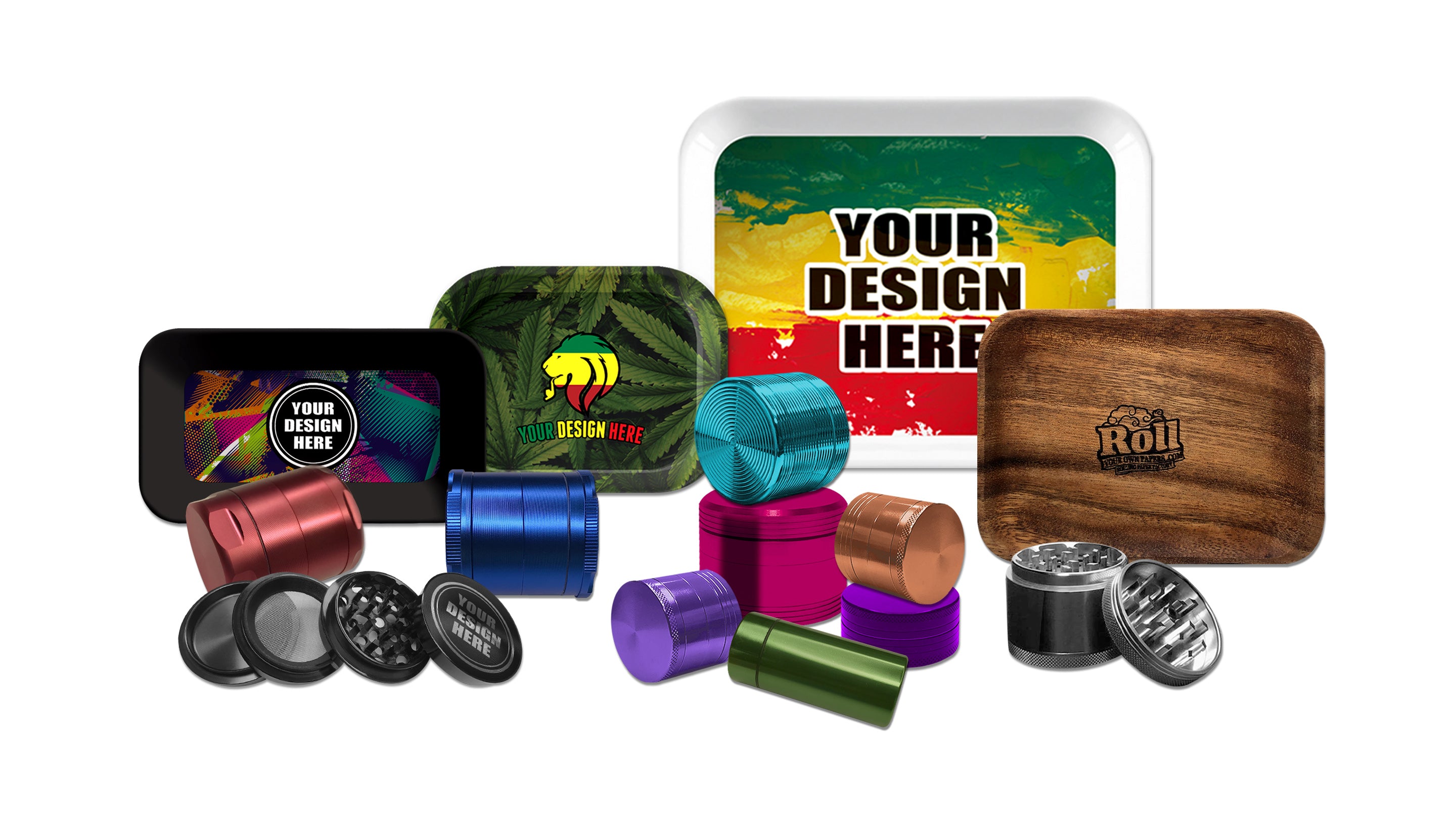
Before we get into the how-to, let's make sure you know what you're working with. Understanding each component helps you use your custom herb grinder more effectively and maintain it properly.
The Essential Components 🧩
1. Lid (Top Piece) 🎩
This is where you grip and twist. Usually features a textured edge for better grip and contains the top set of teeth. Many lids have a clear viewing window so you can see what you're grinding without opening it up.
2. Grinding Chamber 🌀
This is where the magic happens. Both the top and bottom of this chamber are lined with interlocking teeth. When you twist, herbs get caught between these teeth and shredded to perfection. The bottom of this chamber typically has holes that allow properly ground material to fall through.
3. Collection Chamber 📥
Found in 3-piece and 4-piece grinders, this is where your ground herbs collect after falling through the holes. It's basically your "catch basket" that keeps everything contained and ready to use.
4. Kief Catcher (4-Piece Models Only) ✨
The secret weapon of serious herb grinders users. This bottom chamber is separated by a super-fine mesh screen (usually 80-100 microns). As you grind and shake, the finest particles—loaded with trichomes and potent compounds—fall through and accumulate here. We'll talk more about this golden powder later!
5. Center Magnet 🧲
That little metal disc in the center of your grinder's lid? That's a magnet that keeps the lid securely attached during grinding. It prevents spillage and ensures consistent pressure across all the teeth. Never place herbs directly over this magnet—they won't get ground!
Types of Grinders: 2-Piece, 3-Piece, or 4-Piece? 📦
Choosing the right grinder type depends on your needs and preferences. Let's break down each style:
2-Piece Grinders: Simple and Effective 🥇
The minimalist choice. Just a lid and a grinding chamber—that's it. You grind, open it up, and dump your herbs directly onto your rolling tray or into your device. Perfect for people who want zero fuss and don't care about collecting kief. These are also the most portable and easiest to clean.
Best for: Travelers, minimalists, people who grind small amounts frequently
3-Piece Grinders: The Sweet Spot 🥈
Adds a collection chamber below the grinding teeth. After grinding, your herbs fall through small holes into this catch chamber, keeping everything contained. You get cleaner handling and can grind multiple sessions' worth at once without making a mess.
Best for: Most users, especially those who want convenience without complexity
4-Piece Grinders: The Full Package 🥉
The deluxe model with a kief catcher at the bottom. You grind, collect your herbs in the middle chamber, and watch that golden powder accumulate in the bottom section. It's like having a grinder and a kief collector in one tool.
Best for: Regular users, kief collectors, people who want maximum value from their herbs
Before You Grind: Prep Work That Actually Matters 🧑🔬
Listen, I know you're eager to start grinding, but proper prep makes a huge difference in your results. Skip these steps and you'll end up with jammed teeth, uneven grinds, or damaged equipment. Trust me on this.
Step 1: Inspect Your Herbs 👀
Take a quick look at what you're about to grind. Is it too dry? Too moist? Proper moisture content makes all the difference. Herbs that are slightly springy when you squeeze them are perfect. If they crumble to dust when touched, they're too dry. If they feel damp or won't break apart easily, let them air out for a bit.
Step 2: Remove Stems and Seeds 🌱
This is crucial. Thick stems and hard seeds will wreck your grinder teeth over time and create uneven grinds. Pull out any stems thicker than a toothpick and remove any seeds you spot. Your grinder (and your experience) will thank you.
Step 3: Break Into Smaller Pieces ✋
Don't just toss a whole bud into your grinder. Break it down with your fingers into pieces about the size of your thumbnail. This makes grinding way easier and prevents jamming. Think "popcorn-sized" chunks—small enough to fit between teeth but not so tiny that they fall through without getting ground.
Step 4: Clean Your Herb Grinders (If Needed) 🧽
If your grinder feels sticky, gritty, or harder to twist than usual, give it a quick clean before loading new herbs. A clean grinder grinds better, period. We'll cover full cleaning techniques later, but even a quick brush-out makes a difference.
Step-by-Step: How to Use Your Herb Grinder with Teeth 👣
Alright, moment of truth. Let's actually grind some herbs! Follow these steps and you'll get perfect results every time.
Step 1: Open Your Grinder 🔓
Remove the lid by gently pulling or twisting it off (depending on your grinder style). If you have a 4-piece grinder, make sure you're opening the top grinding chamber, not one of the lower collection chambers. The grinding chamber is the one with teeth on both sides.
Step 2: Load Your Herbs 🌿
Here's where most beginners mess up. Place your broken-up herbs evenly around the teeth, avoiding the center area where the magnet sits. Think of it like loading a washing machine—distribute evenly for best results.
Pro tip: Fill your grinder to about 60-70% capacity. Overloading makes grinding harder and creates uneven results. Underloading works, but it's less efficient. Find that sweet spot where you have enough material to work with but enough space for it to move around.
Step 3: Replace the Lid 🎩
Put the lid back on, making sure it's properly aligned. If your grinder has a magnet, you'll feel it snap into place. Give it a gentle wiggle to ensure it's seated correctly—you don't want it popping off mid-grind!
Step 4: Start Grinding 🌀
Hold the base of your grinder firmly with one hand. With your other hand, grip the lid and twist back and forth. You should feel moderate resistance initially—that's the teeth doing their job. Don't force it! If it's super hard to turn, you've probably overloaded it or caught a stem.
Keep twisting in both directions (clockwise and counterclockwise) for about 10-15 seconds. You'll notice the resistance decreasing as your herbs get broken down. That smoothness is your signal that grinding is nearly complete.
Step 5: Check Your Progress 🔍
After your initial grinding session, carefully open the lid and peek inside. Are there still chunky bits? Give it a few more twists. Is everything too fine? You might be grinding too long. The goal is consistency—all pieces roughly the same size.
Step 6: Tap and Settle 🥁
Give your grinder a few gentle taps on your palm or a hard surface. This helps any remaining ground herbs fall through the holes into the collection chamber (if you have one). Shake it side to side too—this really helps clear the teeth.
Step 7: Collect Your Herbs 📥
For 2-piece grinders: Simply open the top and dump or brush out your ground herbs onto a rolling tray or paper.
For 3-piece and 4-piece grinders: Unscrew the grinding chamber from the collection chamber below it. Your perfectly ground herbs will be sitting there, ready to use. Use a small brush or your fingers to collect every bit.
Step 8: Quick Maintenance 🔧
Take 10 seconds to brush out any remaining particles from the teeth and threads. This prevents buildup and keeps your grinder working smoothly. A small brush (even an old toothbrush works) is perfect for this.
Grind Consistency Guide: Fine, Medium, or Coarse? 🎯
Different methods require different grind consistencies. Here's how to achieve each type and when to use them:
Fine Grind (Powdery) ⚡
What it looks like: Almost like fine breadcrumbs or ground coffee
How to achieve it: Grind for 20-30 seconds, or use the upside-down method (flip your grinder over so material can't fall through the holes, forcing it to stay in the teeth longer)
Best for: Vaporizers (especially conduction-style devices), making edibles, maximum extraction
Medium Grind (The Goldilocks) 🎯
What it looks like: Like dried oregano or coarsely ground black pepper
How to achieve it: Standard grinding technique for 10-15 seconds
Best for: Rolling, most vaporizers, general use—this is your default grind
Coarse Grind (Chunky) 🪨
What it looks like: Small pebbles or torn pieces, larger particles
How to achieve it: Grind for just 5-8 seconds, stopping early
Best for: Pipes, bongs, water pipes (prevents material from getting sucked through), longer sessions
Advanced Grinding Techniques for Better Results 🏆
Ready to level up? These pro techniques will take your grinding game from amateur to expert.
The Upside-Down Method 🔄
Want an ultra-fine, fluffy grind? After loading your herbs, flip your entire grinder upside down before twisting. This prevents ground material from falling through the holes, keeping everything in the teeth chamber for extra processing. After 15-20 seconds, flip it back right-side up and give it a few more twists to let everything fall through. You'll get an incredibly fine, uniform consistency.
The Shake-and-Grind Technique 🥤
Between sets of twists, give your grinder a good shake (like a cocktail shaker). This redistributes material and ensures everything gets equal time in the teeth. Shake, twist 5 times, shake again, twist 5 more times. Repeat until smooth.
The Pulse Method 💫
Instead of continuous twisting, use short, deliberate pulses—twist, pause, twist back, pause. This gives the teeth time to "bite" into material and prevents jamming. It's especially useful if you're grinding slightly moist herbs or dealing with a full chamber.
The Freeze Trick ❄️
Having trouble with sticky herbs or want to maximize kief collection? Put your loaded grinder in the freezer for 10-15 minutes before grinding. The cold makes trichomes brittle and easier to separate, plus it reduces stickiness. Grind immediately after removing from the freezer for best results.
The Quarter Trick (For Kief Collectors) 🪙
After grinding, drop a clean coin (quarter or nickel) into your collection chamber. Close everything up and shake vigorously for 30 seconds. The coin bounces around, knocking fine particles through the screen and significantly boosting your kief collection. Do this every few sessions for maximum accumulation.
Kief Collection 101: That Golden Powder at the Bottom ✨
If you've got a 4-piece custom printed herb grinder, you're probably wondering about that fine powder collecting in the bottom chamber. That, my friend, is kief—and it's liquid gold.
What Is Kief, Really? 💎
Kief consists of the tiny, crystal-like trichomes that coat your herbs. These microscopic structures contain the highest concentrations of active compounds, making kief significantly more potent than regular ground material. When you grind, these trichomes break off and fall through the fine mesh screen into the bottom chamber.
How to Collect More Kief 📈
- Use the coin trick: As mentioned earlier, a clean coin in your collection chamber works wonders
- Freeze your grinder: Cold makes trichomes brittle and easier to separate
- Don't over-clean: Some buildup on the screen is normal; over-cleaning reduces kief collection
- Be patient: Kief accumulates slowly. Regular users might need a week or two to collect a decent amount
- Gentle tapping: After each grind session, tap your grinder gently to help kief fall through
What to Do with Your Kief ✨
Once you've collected a nice stash, here are the best ways to use it:
- Sprinkle on top: Add a layer to your next bowl or roll for enhanced effects
- Make moon rocks: Coat herbs in oil, then roll in kief for maximum potency
- Press it into hash: Apply heat and pressure to create solid hash blocks
- Vaporize it: Many vaporizers have special settings for concentrates
- Save it: Build up a collection for special occasions
Cleaning Your Kief Screen 🧽
Over time, the mesh screen gets clogged with resin and compacted kief. Every month or so, use a soft brush (like a clean paintbrush) to gently sweep the screen. For stubborn clogs, soak in isopropyl alcohol for 20 minutes, then brush clean and rinse thoroughly. Let it dry completely before reassembling.
Cleaning & Maintenance: Keep Those Herb Grinders Teeth Sharp 🧼
A clean grinder is a happy grinder. Regular maintenance keeps your teeth sharp, your threads smooth, and your grinds consistent. Here's everything you need to know.
Quick Clean (After Each Session) ⏱️
Time needed: 30 seconds
What to do:
- Empty all chambers completely
- Use a small brush to sweep out teeth, threads, and edges
- Wipe the outside with a dry cloth
- Check the magnet and center post for buildup
Deep Clean (Every 2-4 Weeks) 🛁
Time needed: 30 minutes (mostly soaking time)
What you need: Isopropyl alcohol (90%+ preferred), coarse salt, small brush, container with lid
Step-by-step:
- Disassemble your grinder completely, removing all parts
- Scrape off any visible buildup with a small tool or toothpick
- Place all metal parts in a container (skip this for wooden or acrylic grinders)
- Add isopropyl alcohol until parts are submerged
- Add a tablespoon of coarse salt (acts as an abrasive)
- Seal the container and shake vigorously for 2 minutes
- Let soak for 15-20 minutes
- Remove parts and scrub with a brush under warm water
- Rinse thoroughly with warm water
- Dry completely with a clean towel or let air dry for a few hours
- Reassemble and enjoy that "like new" feeling
Special Considerations for Different Materials 🎨
Metal Grinders 🔩
The most durable and easiest to clean. Alcohol soaks work great. Avoid abrasive tools that could scratch the finish or dull teeth.
Acrylic/Plastic Grinders 🎨
Skip the alcohol—it can damage or cloud the plastic. Use warm soapy water and a soft brush instead. Dry completely to prevent mold.
Wooden Grinders 🪵
Never submerge in liquid or use alcohol. Brush out debris, then wipe with a barely damp cloth. The wood is usually just decorative; the teeth are metal and can be cleaned carefully with alcohol if needed.
Thread Maintenance 🧵
Those threads that screw your grinder together? They need love too. Sticky or grimy threads make your grinder frustrating to use. After cleaning, you can apply a tiny amount of food-grade lubricant (like coconut oil) to the threads for buttery-smooth operation. Just use a toothpick to apply a thin layer—you barely need any.
Troubleshooting Common Grinder Problems 🛠️
Even the best grinders run into issues. Here's how to fix the most common problems:
Problem: Grinder Won't Twist or Is Very Stiff 😤
Causes: Overloading, stems caught in teeth, sticky buildup, misaligned threads
Solutions:
- Don't force it! Stop and check for jams
- Remove about half the material and try again
- Look for stems or seeds stuck between teeth
- Clean threads and teeth thoroughly
- Make sure threads are aligned properly when closing
Problem: Herbs Getting Stuck in Teeth 🦷
Causes: Material too sticky/moist, teeth need cleaning, grinding too long
Solutions:
- Let herbs dry out slightly before grinding
- Clean teeth after each use to prevent buildup
- Use the freezer trick for sticky material
- Don't over-grind—stop when resistance decreases
- Brush out after each session
Problem: Uneven Grind (Some Chunks, Some Powder) 🎲
Causes: Overloading, not distributing evenly, dull teeth, grinding too quickly
Solutions:
- Load herbs evenly around teeth (not piled in center)
- Don't overload—leave 30% empty space
- Use the shake-and-grind technique
- Grind in shorter sessions rather than one long one
- Consider upgrading to a grinder with sharper teeth
Problem: Herbs Falling Past Teeth Without Grinding 🌊
Causes: Material too dry, teeth worn down, holes too large
Solutions:
- Don't grind overly dry herbs—they'll just fall apart
- Check if teeth are damaged or worn flat
- Try the upside-down method to keep material in teeth longer
- If teeth are worn, it might be time for a new grinder
Problem: Lid Keeps Popping Off During Grinding 🎪
Causes: Weak magnet, threads not aligned, overloading
Solutions:
- Ensure lid is properly aligned before starting
- Don't overfill the grinding chamber
- Check if magnet is still strong (they can weaken over time)
- Clean magnet area of any debris
- If magnet is failing, consider upgrading
Problem: Grinder Makes Scratching or Grinding Noises 🔊
Causes: Debris in threads, damaged teeth, dirt/grit in mechanism
Solutions:
- Disassemble and deep clean immediately
- Check for metal shavings or damaged teeth
- Clean threads thoroughly
- If teeth are damaged, stop using to avoid contamination
- Apply food-grade lubricant to threads
7 Common Mistakes Everyone Makes (And How to Avoid Them) ⚠️
Let's get real for a second. Everyone makes mistakes when they're learning how to use an herb grinder with teeth. Here are the most common ones and how to avoid them:
Mistake #1: Overloading the Grinder 💥
You think more = faster, but overloading actually makes grinding harder and less effective. Herbs need room to move around and get caught by teeth. Stick to 60-70% capacity max.
Mistake #2: Putting Herbs Over the Center Magnet 🧲
That center post has zero grinding teeth. Material placed there just spins around uselessly. Always spread herbs around the teeth, avoiding the center completely.
Mistake #3: Grinding Without Removing Stems 🌱
Stems damage teeth, cause jams, and create an uneven grind. Take 10 seconds to remove thick stems before grinding. Your grinder will last years longer.
Mistake #4: Never Cleaning Your Grinder 🤢
Buildup makes everything harder—twisting, grinding, even just opening your grinder becomes a chore. A quick brush-out after each use prevents this completely.
Mistake #5: Forcing a Stuck Grinder 💪
If it won't twist easily, don't force it! You'll damage teeth or strip threads. Stop, open carefully, remove the obstruction, redistribute material, and try again.
Mistake #6: Using the Wrong Grind Consistency 🎯
Rolling with powder-fine grinds? Your rolls will be too tight and burn unevenly. Vaping with coarse chunks? Poor extraction and wasted material. Match your grind to your method.
Mistake #7: Storing Herbs in the Grinder Long-Term 📦
Grinders aren't storage containers. Leaving herbs in there makes them dry out, stick to everything, and creates cleaning nightmares. Grind what you need, then store the rest properly in an airtight container.
Frequently Asked Questions 💬
Why should I avoid placing herbs in the center of my grinder?
The center of your grinder is where the magnet sits, and there are no grinding teeth in that area. When you place herbs directly over the center post, they won't get processed properly and will just spin around without being ground. Always distribute your herbs evenly around the teeth for the best results.
How do I know when my herbs are fully ground?
You'll feel the resistance decrease significantly as you twist. Initially, grinding feels tough and chunky, but once everything is properly broken down, the grinder will spin much more smoothly with almost no resistance. Most herbs take about 10-15 twists to reach the perfect consistency. You can also open and visually check—if all pieces are roughly the same size with no large chunks, you're done.
What's the upside-down grinding trick and when should I use it?
The upside-down trick involves flipping your grinder completely over while grinding. This keeps your herbs in the teeth chamber longer instead of falling through the holes right away, giving you a much finer, almost powder-like consistency. It's perfect for vaporizers that need ultra-fine material, but skip it if you prefer a fluffier grind for rolling. Just remember to flip it back right-side up after 15-20 seconds to let the ground material fall through.
How often should I clean my herb grinder with teeth?
For regular users, a quick brush-out after each session prevents buildup. Do a deep clean with isopropyl alcohol every 2-3 weeks if you grind daily, or monthly for occasional users. Signs you need to clean include sticky threads, difficult twisting, or a noticeable drop in grinding performance. If your grinder feels gritty or makes weird noises, that's a definite sign it needs attention.
Can I grind different types of herbs in the same grinder?
Yes, but clean thoroughly between different herbs to prevent flavor mixing. Residual oils and particles from one herb can affect the taste and aroma of the next. If you regularly use multiple herbs, consider dedicating separate grinders to each type, or do a full isopropyl alcohol clean between switches. For occasional variety, a thorough brush-out is usually sufficient.
Why are my grinder teeth getting dull or damaged?
Teeth damage usually comes from grinding stems, seeds, or overly dry herbs that are too hard. Always remove thick stems before grinding, don't force the grinder when it's stuck, and avoid dropping your grinder (impacts can chip or bend teeth). Metal grinders with diamond-cut or CNC-machined teeth last much longer than cheaper alternatives with stamped teeth. Quality matters!
What's the best grind consistency for different methods?
Rolling requires a medium grind (looks like dried oregano) for easy rolling and even burning. Vaporizers need a fine to medium-fine grind for optimal heat distribution and extraction. Pipes and bongs work best with a slightly coarser grind to prevent material from pulling through the holes. Ultimately though, it comes down to personal preference—experiment to find what works best for your specific device and taste.
🌿 Ready to Experience the Perfect Grind Every Time?
Those sticky fingers and uneven chunks don't stand a chance against a quality custom printed herb grinder! 🎯 If you're tired of struggling with cheap grinders that jam, dull quickly, or give you inconsistent results—we've engineered the solution you've been searching for.
- ✔️ Diamond-cut CNC-machined teeth that stay razor-sharp
- ✔️ Aircraft-grade aluminum construction
- ✔️ Ultra-fine mesh kief screen (100 microns)
- ✔️ Neodymium magnets for secure closure
- ✔️ Custom branding available—make it uniquely yours!
📦 Bulk orders available | 🚚 Fast shipping | 🌱 Lifetime quality guarantee
Final Thoughts: Master Your Custom Herb Grinders, Master Your Experience 🎓
There you have it—everything you need to know about how to use herb grinder with teeth like an absolute pro. From understanding why those teeth matter to mastering advanced grinding techniques, you're now equipped with knowledge that most people never bother to learn.
Remember, consistency is key. Whether you're vaporizing, rolling, or packing a bowl, a proper grind makes all the difference in flavor, potency, and overall experience. Your custom herb grinder isn't just a tool—it's an investment in better sessions, less waste, and more enjoyment from your botanical materials.
Take care of your grinder (regular cleaning and proper use), and it'll take care of you for years to come. Happy grinding! ✨🌿





Leave a comment