
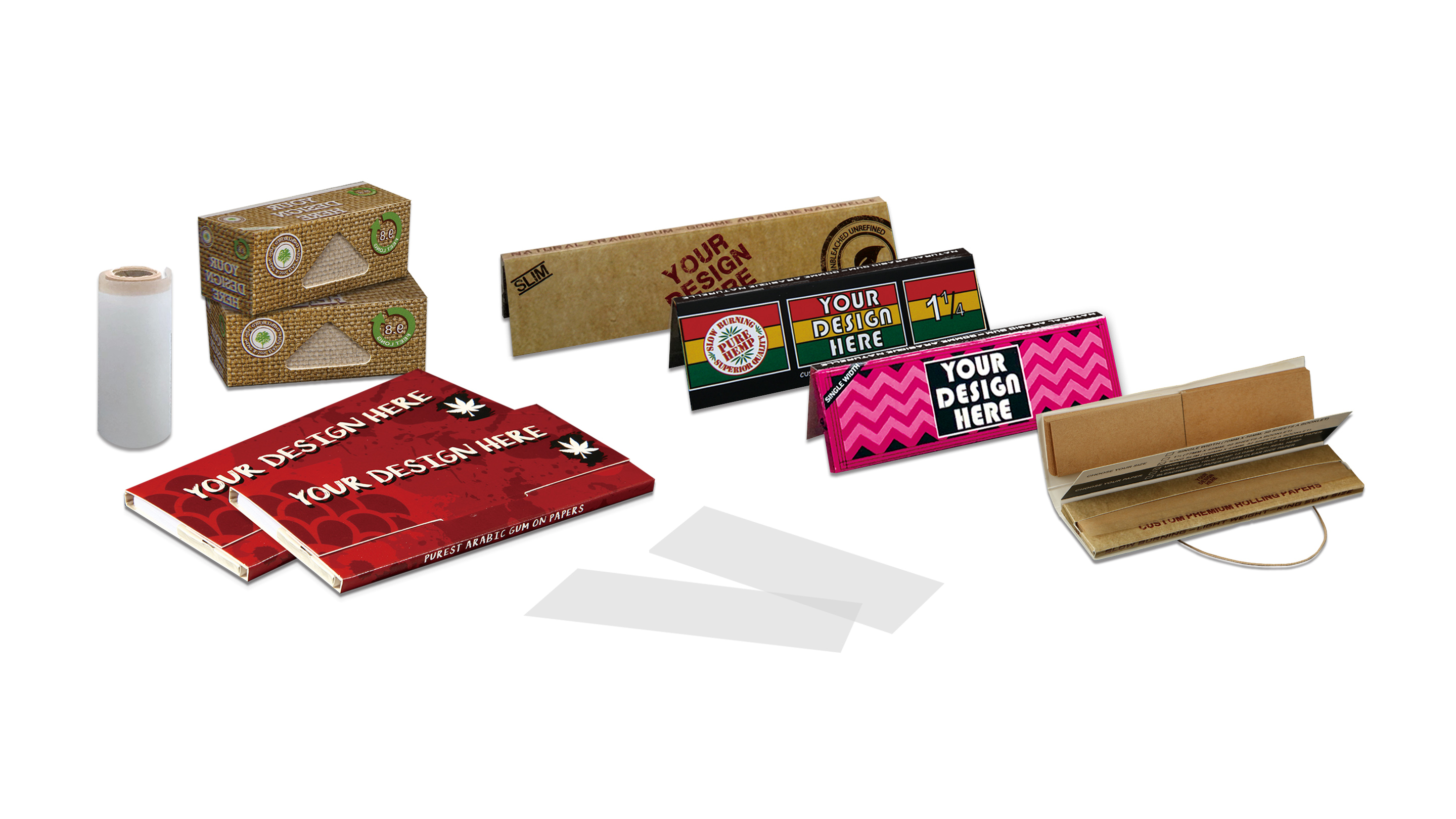
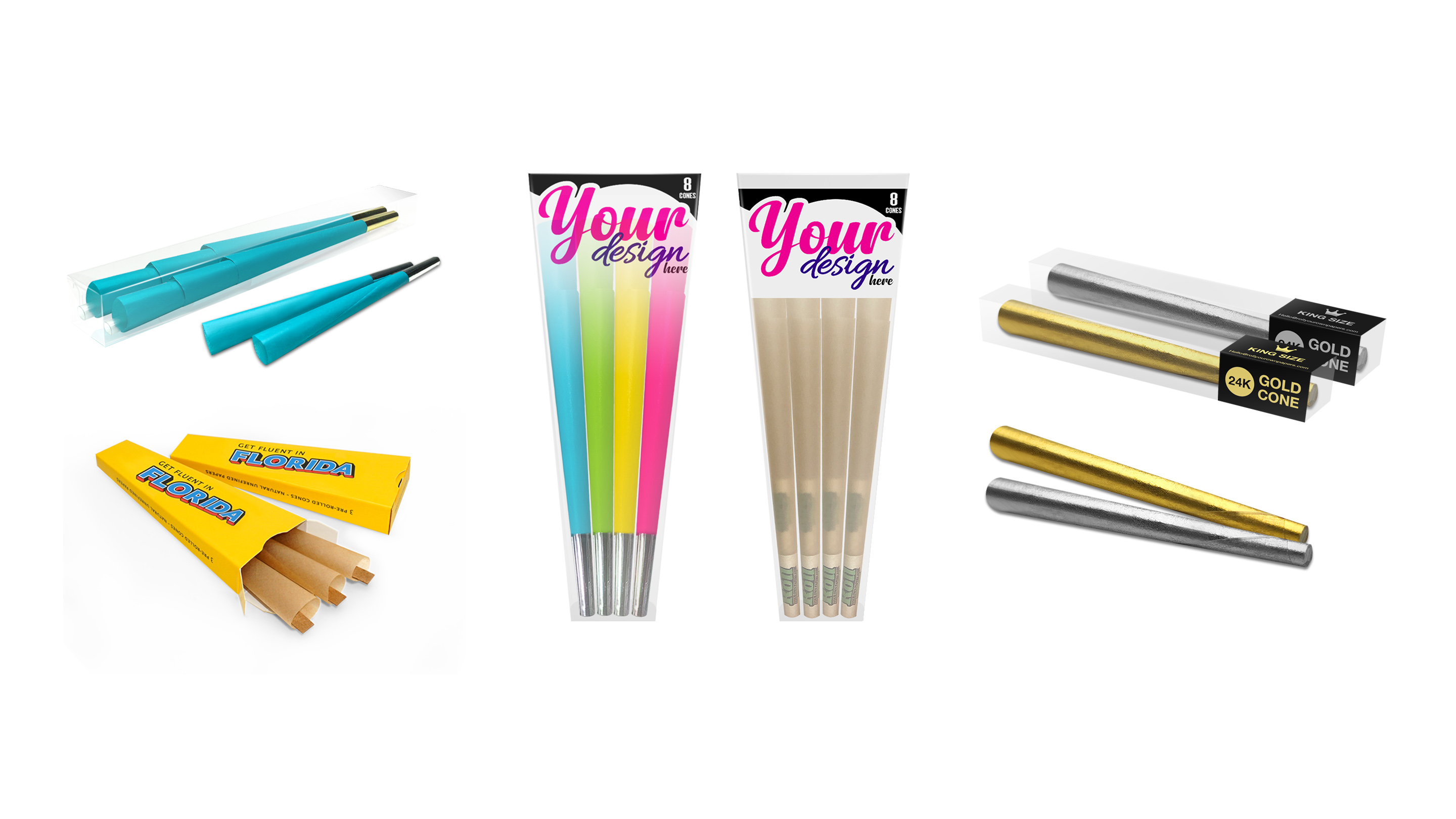
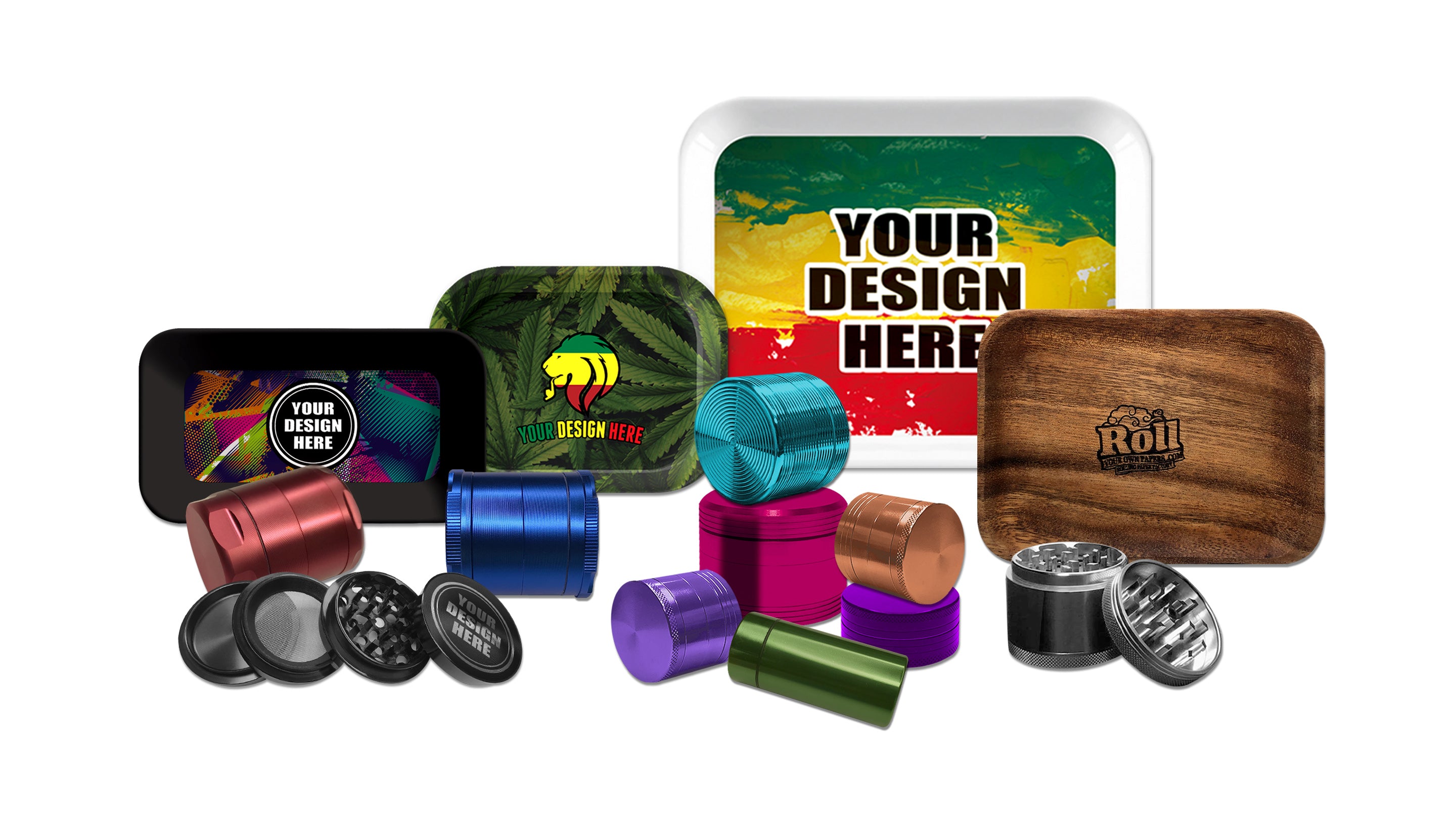
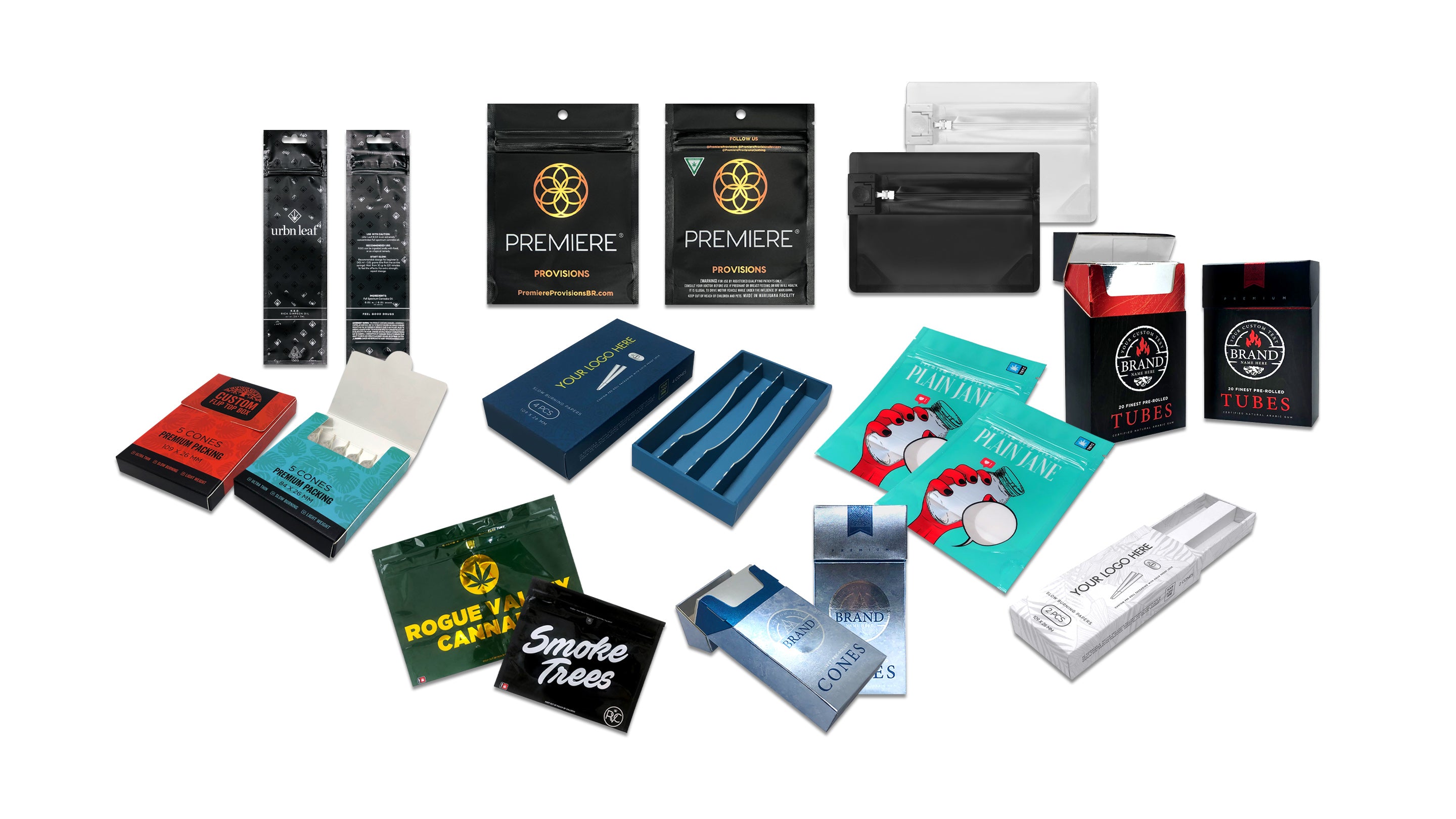
How to Market Custom Rolling Papers and Actually Stand Out

If you want to market custom rolling papers the right way, you've got to stop thinking of them as a commodity. They're a branded experience — a pocket-sized billboard your audience actually wants to hold onto and use. The brands winning in 2026? They're combining sharp visual identity, smart distribution, and a healthy mix of digital and in-person tactics to turn a simple accessory into something people remember.
Here's the thing — most businesses that invest in custom rolling papers nail the product but totally fumble the marketing. They'll print gorgeous booklets... then let them collect dust in a box under a table at one event a year. That's leaving money — and brand impressions — on the table. This guide isn't your typical "post it on Instagram" advice. We're diving into channel-specific tactics, audience segmentation, and real-world distribution strategies that actually drive measurable results.
Whether you're an entrepreneur launching your own accessories line, an event planner hunting for unforgettable giveaways, or a brand manager exploring unconventional promotional products — this one's for you. Let's get into it.
Table of Contents
- Why Custom Papers Work as Marketing Tools
- Know Your Audience: B2C vs. B2B Buyer Personas
- Build a Brand Identity That Sticks
- Digital Marketing Channels That Actually Convert
- Event and Experiential Marketing
- Wholesale Outreach and B2B Sales Strategies
- Packaging, Unboxing, and Retention
- Influencer and Community-Driven Marketing
- Measuring ROI on Your Rolling Paper Marketing
- Common Marketing Mistakes (and How to Avoid Them)
- Frequently Asked Questions
Why Custom Papers Work as Marketing Tools
Custom rolling papers are one of those rare promotional products people genuinely use, hold onto, and share with friends. Think about it — a branded pen ends up in a junk drawer. A flyer goes straight into the recycling bin. But a well-designed booklet of papers? It lives in someone's pocket. It gets pulled out in social settings. It sparks conversations.
The numbers tell the story, too. Recent promotional products industry data shows functional accessories have a retention rate above 78%. That means nearly four out of five people who receive one keep it for at least six months. Compare that to printed materials like brochures — those hover around 20%. So if you want repeated brand impressions from a single giveaway, rolling accessories are incredibly hard to beat.
But here's what most people miss — the marketing doesn't happen on autopilot just because you slapped your logo on something. You still need a strategy to get those papers into the right hands, at the right time, in the right context. That's exactly what the rest of this guide covers.
The "Pocket Billboard" Effect
Picture the lifecycle of a single branded booklet. Someone picks it up at an event. Puts it in their pocket. Over the next few weeks, they pull it out multiple times — usually around friends. Each time? Your brand gets seen.
And because the product is inherently social, there's a natural word-of-mouth loop baked right in.
No other promotional item under $2 per unit delivers that kind of repeated, social-context exposure. That's the core value proposition you should lean into when you're positioning your marketing — and it's a powerful one.
Know Your Audience: B2C vs. B2B Buyer Personas
Before you spend a single dollar on ads — or print a single booklet — you need to get clear on who you're selling to and why they're buying. The motivations for a B2C buyer and a B2B buyer are fundamentally different. Your messaging needs to reflect that.
B2C Buyer Personas
Your direct-to-consumer audience typically falls into three buckets:
- The Enthusiast: This person loves curating their rolling accessory collection. They care about paper material, burn quality, aesthetic design — the whole experience. They'll happily pay a premium for something unique.
- The Gift Buyer: They're hunting for a novelty or personalized gift — think birthdays, holidays, bachelor or bachelorette parties. They want easy ordering and fast shipping. That's it.
- The DIY Brand Builder: A small business owner, artist, or content creator who wants a short run of branded papers to sell at markets, toss in subscription boxes, or hand out at pop-ups.
Each persona responds to completely different messaging. The enthusiast wants specs and details. The gift buyer wants convenience and a "wow" factor. And the DIY brand builder? They want MOQ info, mockup previews, and pricing transparency — no runaround.
B2B Buyer Personas
On the wholesale side, your audience shifts quite a bit:
- Event Planners & Agencies: They need bulk quantities, fast turnaround, and the ability to match specific brand guidelines. Lead time is everything for these folks.
- Dispensary and Lounge Operators: They're looking for co-branded or white-label products to sell or give away in-store. Consistency, quality, and easy reordering matter most.
- Corporate Marketing Teams: These are people exploring unconventional promotional products. They need case studies, samples, and a clear pitch on ROI before they'll pull the trigger.
If you're a brand manager reading this — pay close attention to that last category. Corporate gifting and promotional product budgets in the U.S. topped $26 billion in 2025, and the unconventional promo items segment is growing faster than the rest. Custom papers sit right at that sweet spot of novelty and utility.
Build a Brand Identity That Sticks
Your papers are the product. But your brand identity — the visuals, voice, and values surrounding them — is what makes people choose you over generic alternatives. Don't underestimate this part.
Visual Identity
Start with the booklet itself. High-quality full-color printing on the cover, a clean interior design, consistent use of your brand colors — all of it matters. But don't stop there. Your website, social media profiles, packaging, even your invoices should feel like they come from the same universe.
Worth noting: over 63% of consumers say the quality of a product's packaging directly shapes their perception of the brand. Your rolling paper booklet isn't just a product — it's packaging for your brand identity.
Brand Voice and Positioning
How do you want to sound? Premium and minimalist? Fun and irreverent? Eco-conscious and earthy? Pick a lane. Commit to it. Your brand voice should stay consistent across every customer touchpoint — from Instagram captions to wholesale inquiry response emails.
And honestly? Most rolling paper brands don't have a distinct voice at all. They default to generic "premium quality" language that just... blends in. This is your opportunity to stand out. Develop a tone that's uniquely yours, and your audience will remember you long after the booklet's gone.
Digital Marketing Channels That Actually Convert
Let's be real — not every digital channel is worth your time when you're marketing rolling accessories. Here's an honest breakdown of where to invest your energy in 2026.
| Channel | Best For | Difficulty | Expected ROI Timeline |
|---|---|---|---|
| SEO / Blog Content | Long-term organic traffic | Medium | 3–6 months |
| Email Marketing | Repeat purchases, wholesale nurture | Low | Immediate to 30 days |
| Instagram / TikTok | Brand awareness, visual storytelling | Medium–High | 1–3 months |
| Google Shopping Ads | Direct product sales | Medium | Immediate |
| Design-driven discovery, gift buyers | Low | 2–4 months | |
| B2B wholesale outreach | Low–Medium | 1–3 months |
SEO: The Long Game That Pays Off
If you're reading this article right now, you already understand the power of search. Creating content that answers real questions — like "how to market custom rolling papers" — drives qualified traffic to your site month after month. No ongoing ad spend required.
Focus on long-tail keywords tied to your products. Think buyer-intent phrases: "custom printed rolling papers for events," "branded rolling accessories wholesale," "personalized rolling paper booklets for weddings." Build a content calendar around topics like these and publish consistently.
Email Marketing: Your Highest-ROI Channel
Email is still the single highest-ROI digital marketing channel across industries. We're talking roughly $36 back for every $1 spent, according to industry benchmarks. For rolling paper brands, email is perfect for:
- Announcing new designs or limited-edition drops
- Nurturing wholesale leads with case studies and bulk pricing info
- Re-engaging past customers with reorder reminders
- Sharing behind-the-scenes content from the design and printing process
Build your list from day one. Offer a small discount or a free design consultation in exchange for signups. And segment that list into B2C and B2B — so you can tailor your messaging for each group.
Social Media: Show, Don't Tell
Rolling papers are inherently visual products. Use that to your advantage. Short-form video content — unboxing clips, design process timelapses, close-up texture shots — performs incredibly well on Instagram Reels and TikTok.
Fair warning, though — paid advertising on social platforms can be tricky for this product category. Many platforms have strict ad policies around rolling accessories. So focus on organic content, collaborations, and community engagement rather than leaning heavily on paid social.
Pinterest: The Underrated Powerhouse
Here's a channel most rolling paper brands completely sleep on. Pinterest users are actively searching for gift ideas, party accessories, and design inspiration. If you create beautiful product shots and pin them with keyword-rich descriptions, you can drive consistent traffic from a highly motivated audience — especially around holidays and event-planning seasons.
Why wouldn't you take advantage of that?
Event and Experiential Marketing
This is where custom rolling papers truly shine. In-person events create emotional connections with your brand that digital channels just can't replicate.
Music Festivals and Concerts
Over 32 million Americans attend at least one music festival per year. These events attract exactly the demographic most likely to appreciate custom rolling accessories. Whether you're sponsoring a stage, setting up a vendor booth, or distributing branded booklets through street teams — festivals offer massive exposure.
Pro tip: don't just hand papers out randomly. Create a mini-experience. Set up a design station where people can vote on next season's look. Put a QR code on the booklet that links to an exclusive playlist or discount code. Give people a reason to engage beyond just grabbing a freebie.
Trade Shows and Industry Expos
Event planners — this one's for you. Trade shows are prime territory for B2B lead generation. Bring samples of your custom work, have a pricing sheet ready, and collect contact information from every interested visitor. A well-designed booklet sitting on a trade show table does more selling than most salespeople do.
Pop-Ups and Local Markets
If you're a smaller brand or just getting started, local pop-up markets are a low-cost way to test designs, gather real feedback, and build a local following. Bring a variety of designs, offer bundle pricing, and make sure you've got business cards or a QR code that links to your online store.
Private Events and Corporate Functions
Branded rolling papers are gaining real traction as unique favors at weddings, milestone birthdays, brand launch parties, and corporate retreats. The key? Position them correctly — as a premium, curated accessory rather than an afterthought tossed in a goody bag.
For corporate clients, lean into the novelty factor. These aren't the same branded pens everyone's seen a thousand times. They're conversation starters. And that conversation starts with your client's brand name front and center.
Wholesale Outreach and B2B Sales Strategies
The short answer? B2B sales are where the real volume lives. A single wholesale account can be worth more than hundreds of individual retail orders. But landing those accounts takes a different playbook.
Build a Wholesale-Ready Product Page
Your website needs a clear, easy-to-find section for wholesale buyers. Include MOQ information (most custom paper orders start at 1,000–2,500 units for printed work), lead times (typically 2–4 weeks for standard orders), pricing tiers, and a simple inquiry form. Don't make B2B buyers hunt around for this stuff — they won't.
Cold Outreach That Actually Works
Forget those generic "Hey, want to partner?" emails. Here's a cold outreach framework that actually converts:
- Personalize: Reference something specific about the prospect's brand, a recent event they hosted, or their product line.
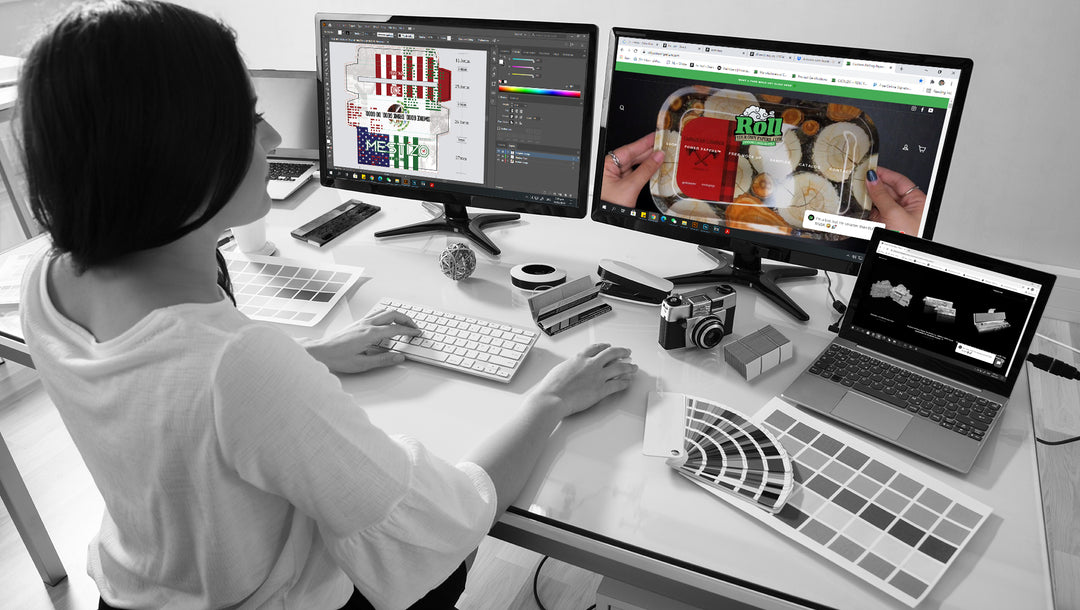
- Show Value: Include a mockup of what their custom papers could look like — even a rough concept. Visual proof beats abstract promises every time.
- Make It Easy: End with one clear call to action — usually a request for a 15-minute call or a free sample pack.
This three-step approach has been shown to improve B2B cold email response rates by up to 40% compared to generic outreach. That's not a small difference.
Strategic Partnerships
Think beyond direct sales. Partner with complementary brands — rolling tray companies, herbal blend producers, lifestyle subscription boxes, accessory retailers. Co-branded products and cross-promotions expand your reach without doubling your ad budget. It's a win-win.
Packaging, Unboxing, and Retention
Your marketing doesn't end when someone receives their order. In fact, the unboxing moment might be your single most powerful marketing opportunity — because it's the one touchpoint where you have 100% of the customer's attention.
Designing the Unboxing Experience
Even for a product as compact as rolling papers, unboxing can feel special. Consider these touches:
- Custom tissue paper or wrapping inside the mailer
- A branded sticker seal on the packaging
- A handwritten (or handwritten-style) thank-you card
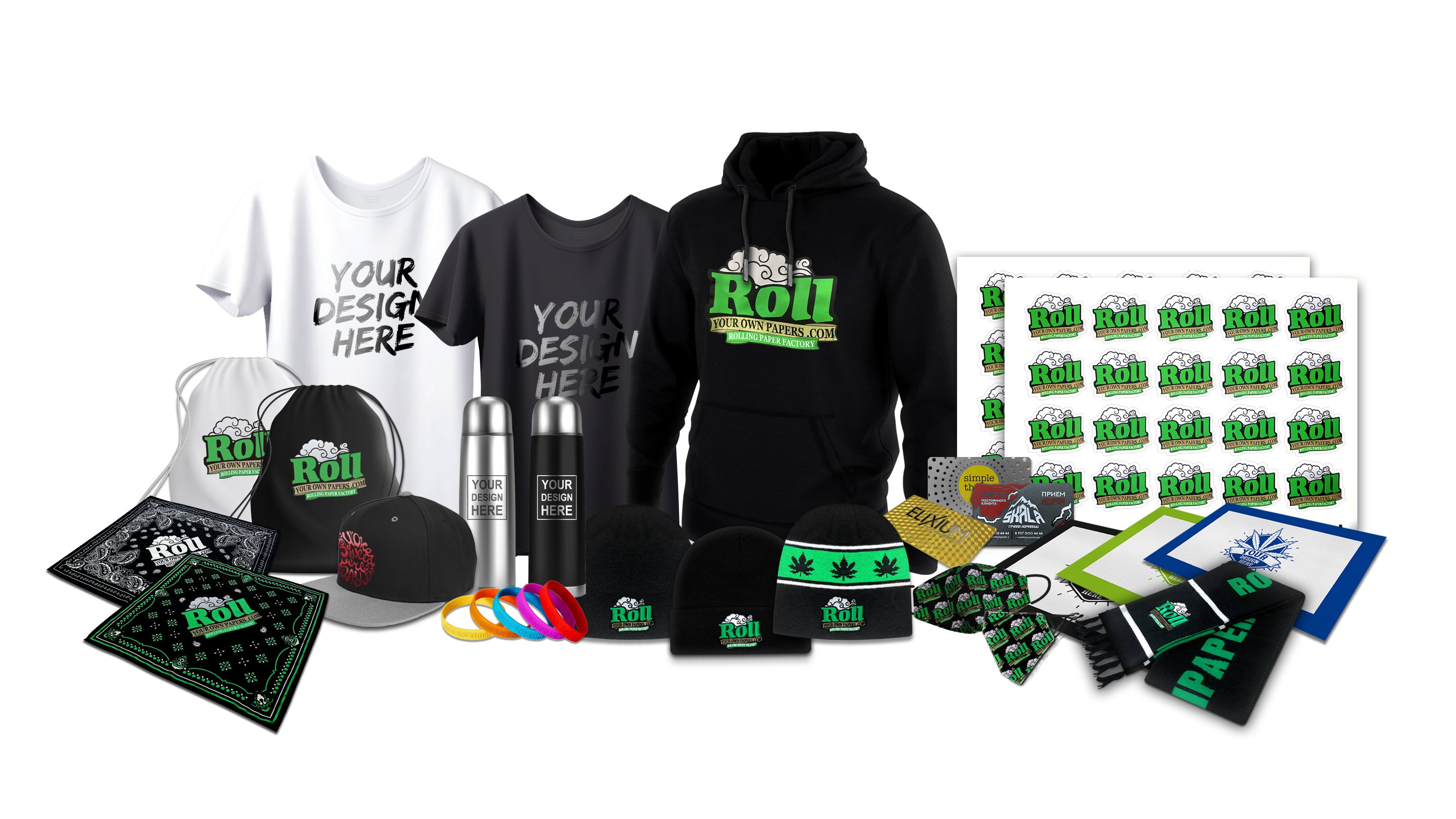
- A small freebie — a branded matchbook, a sample of a different paper variety, or a discount code for their next order
Nearly 40% of online shoppers say they've shared an unboxing photo or video on social media. That's free, authentic marketing you literally can't buy.
Customer Retention Strategies
Acquiring a new customer costs 5–7 times more than retaining one you already have. So once someone orders, your focus should shift to bringing them back:
- Subscription model: Offer an auto-ship option for enthusiasts who go through papers regularly.
- Loyalty discounts: Reward repeat buyers with escalating discounts — 5% off the second order, 10% off the third, and so on.
- Referral program: Give customers a unique code that earns them credit when friends purchase.
- Seasonal drops: Create limited-edition designs tied to seasons, holidays, or cultural moments to drive urgency and excitement.
Influencer and Community-Driven Marketing
Traditional influencer marketing can be pricey and hit-or-miss. But there's a smarter way to approach it for niche products like rolling papers.
Micro-Influencers Over Mega-Influencers
Don't chase accounts with millions of followers. Instead, partner with micro-influencers — people with 1,000 to 50,000 followers who have highly engaged, niche audiences. A lifestyle content creator who regularly features rolling accessories and herbal products will drive way more qualified traffic than a generic lifestyle account with ten times the following.
The economics work out, too. A typical micro-influencer collaboration costs between $50 and $500 — often just free product plus a small fee. Compare that to the $5,000–$50,000 price tag for a single post from a macro-influencer. The math speaks for itself.
Building a Brand Community
Here's what most people miss about marketing in 2026 — it's not just about broadcasting your message anymore. It's about building a community that markets for you.
Start a Discord server, a private Facebook group, or even a subreddit around your niche. Share exclusive content, early access to new designs, behind-the-scenes looks at production. When customers feel like insiders, they become evangelists. And word-of-mouth from genuine fans? It's worth more than any paid campaign you'll ever run.
User-Generated Content (UGC)
Encourage customers to share photos or videos featuring your products. Create a branded hashtag. Feature the best submissions on your social channels and website. This does two things at once: it gives you free, authentic content — and it makes your customers feel valued and seen.
So how do you actually get more UGC? Ask for it. Include a small card in every shipment that says something like: "Love your papers? Tag us @YourBrand for a chance to be featured." Simple. Effective. And practically free.
Measuring ROI on Your Rolling Paper Marketing
You can't improve what you don't measure. But tracking ROI on branded rolling papers — especially when they're used as promotional items — takes some creative thinking.
Direct Sales Metrics
For retail and wholesale sales, your standard e-commerce metrics apply:
- Customer Acquisition Cost (CAC): Total marketing spend divided by new customers acquired
- Average Order Value (AOV): Track whether bundles and upsells are actually working
- Lifetime Value (LTV): How much does a typical customer spend over their entire relationship with you?
- Conversion Rate: What percentage of website visitors actually pull the trigger and purchase?
Promotional Product Metrics
When custom rolling papers are used as giveaways or promotional items, measurement gets trickier. Here are some practical approaches:
- Unique QR codes: Print a trackable QR code on each booklet linking to a specific landing page. Monitor scans to gauge engagement.
- Unique discount codes: Print event-specific or batch-specific codes on the papers. Track redemptions to see what's working.
- Post-event surveys: Ask new customers how they heard about you. Old-school? Sure. But it works.
- Social mentions: Track branded hashtags and @mentions around event dates.
That said — not every marketing outcome can be reduced to a number. Brand awareness and positive association are real, even when they're hard to quantify. Don't abandon a strategy just because attribution is messy. If your papers are getting into the right hands and your overall brand metrics are trending upward, you're on the right track.
Common Marketing Mistakes (and How to Avoid Them)
After working with thousands of custom orders, certain patterns show up again and again. Here are the most frequent marketing mistakes we see — and how to sidestep them.
Mistake #1: Treating Papers as an Afterthought
Some businesses order custom papers and then... don't have a plan for distributing them. Sound familiar? Before you place your order, map out exactly where, when, and to whom those papers will go. Every booklet should have a purpose.
Mistake #2: Overcomplicating the Design
Your booklet cover is small — roughly 2.5" x 3.5" for a standard size. Cramming it with text, multiple logos, and complex graphics creates a cluttered mess nobody wants to look at. Keep it clean. One logo, one tagline, one visual element. Let the design breathe.
Mistake #3: Ignoring the Back Cover and Interior
Most brands pour all their design effort into the front cover and totally ignore the back and interior flap. Those are prime real estate for a website URL, social media handle, QR code, or some clever micro-copy. Use every surface strategically — you're paying for the space anyway.
Mistake #4: Ordering Too Few
Here's a scenario that plays out constantly: a brand orders 500 booklets for a festival, runs out in two hours, and misses thousands of potential impressions. Custom papers are cost-effective at volume. The per-unit price drops significantly at higher quantities — often 40–60% cheaper at 5,000 units versus 1,000. Order more than you think you need. You'll use them.
Mistake #5: No Follow-Up System
You distributed 3,000 booklets at an event. Great. But if there's no mechanism to capture those people — no QR code, no discount code, no social CTA — those impressions just... evaporate. Always include a digital bridge between the physical product and your online presence.
Mistake #6: Skipping Samples Before Large Orders
Never commit to a large wholesale run without approving a physical sample first. Colors look different on screen than they do in print. Paper weight feels different in your hand than it does in a product description. Always request samples — reputable suppliers expect this and are happy to oblige.
🔥 Shop Custom Rolling Papers at RYOP
Get premium custom rolling papers for your brand, event, or personal use. Bulk pricing available.
- ✔️ Premium quality
- ✔️ Custom branding available
- ✔️ Bulk & wholesale pricing
- ✔️ Fast shipping worldwide
📦 Bulk orders available | 🚚 Fast shipping | 🌱 Eco-friendly options
Frequently Asked Questions
- What's the minimum order quantity for custom rolling papers? Most custom printed rolling papers start at a minimum of 1,000 to 2,500 units, depending on printing method and design complexity. Short-run orders of 100–500 units may be available for simpler designs, though per-unit costs will be higher.
- How long does it take to produce a custom order? Standard production time runs about 2–4 weeks from final design approval. Rush orders may be available for an extra fee. We always recommend ordering at least 6 weeks before your event or launch date — that gives you time for design revisions and shipping.
- Can I see a sample before committing to a large order? Absolutely — and you should. Reputable suppliers will provide physical samples or proof prints so you can evaluate paper quality, color accuracy, and overall feel before committing to a full production run.
- Do you offer eco-friendly rolling paper options? Yes. Unbleached, sustainably sourced, and organic paper options are available. A growing number of brands in 2026 are specifically requesting eco-friendly materials to align with their sustainability values, and we're happy to accommodate those preferences.
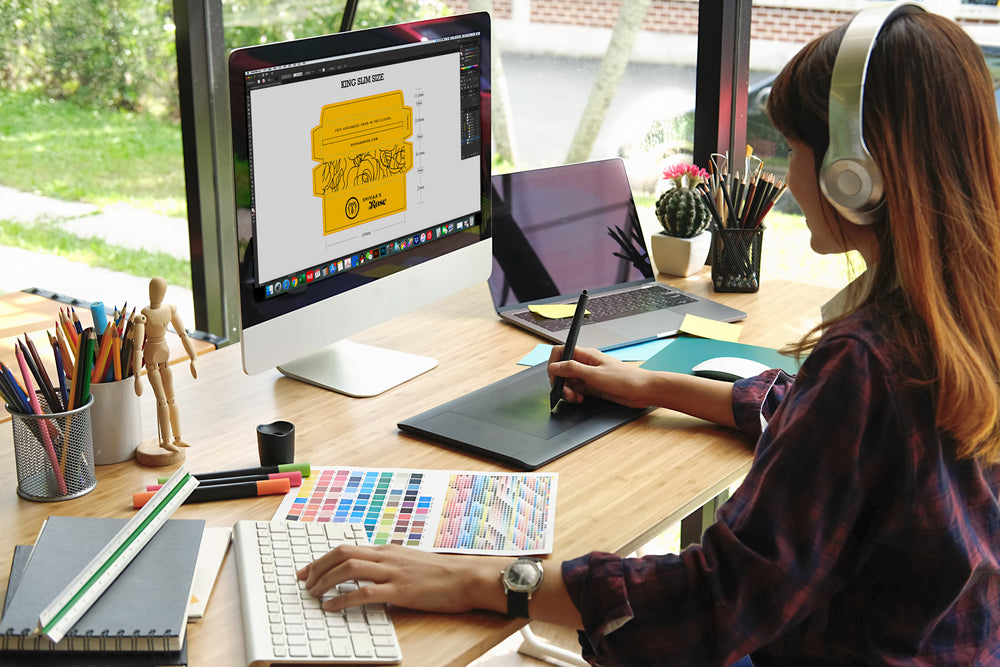
- How do I design artwork for custom rolling papers? Most suppliers provide design templates with exact dimensions and bleed areas. You can use these in software like Adobe Illustrator or Canva. And if you don't have a designer on hand, many custom paper suppliers — including RYOP — offer design assistance to help bring your vision to life.
- Are custom rolling papers effective as promotional items? Extremely. Functional promotional accessories have retention rates above 78%, meaning people actually keep and use them. Unlike flyers or business cards, branded rolling papers create repeated brand impressions over weeks or months — making them one of the most cost-effective promotional items per impression out there.
- What's the best way to distribute branded rolling papers at events? Combine street-team distribution with strategic placement at high-traffic areas. Include a QR code or unique discount code on each booklet to bridge the physical product to your digital presence. And consider pairing them with other branded accessories — like matchbooks or rolling trays — for a memorable branded kit.


Leave a comment