
How to Start a Profitable Rolling Accessories Business in 2026

If you want to start a rolling accessories business, you really only need three things: a product niche you actually understand, a supplier who can handle custom branding, and a go-to-market plan that fits your budget. Whether you're building a direct-to-consumer brand online or filling bulk orders for retailers and event organizers, this market offers serious margins — we're talking 50–70% on branded items — with demand that doesn't really dip seasonally.
Here's what most "start a business" guides won't tell you, though. The rolling accessories space isn't one market. It's at least four distinct markets stacked on top of each other — lifestyle consumers, brand merchandisers, event planners, and wholesale distributors. Your success hinges on which segment you decide to serve first.
And the founders who try to chase all four from day one? They're usually the ones who burn out fastest.
This guide comes from real supplier conversations, actual margin math, and the kind of nuts-and-bolts operational detail that matters when you're writing your first purchase order. No vague motivational fluff. Let's get into it.
Table of Contents
- Why the Rolling Accessories Market Is Worth Entering
- Choose Your Business Model Before You Choose Products
- Product Selection Strategy: What to Sell First
- Sourcing — White Label vs. Fully Custom
- Build a Brand Identity That Actually Sells
- Setting Up Your Sales Channels
- Pricing Architecture That Protects Your Margins
- Compliance, Payment Processing, and Legal Realities
- A Marketing Playbook That Works for This Niche
- Common Mistakes That Kill Rolling Accessories Brands
- Scaling From Side Hustle to Full Operation
- Frequently Asked Questions
Why the Rolling Accessories Market Is Worth Entering
The rolling accessories industry has quietly ballooned into a multi-billion-dollar global market — and it's way less saturated than most consumer product categories. Industry analysts project the global rolling paper segment alone will top $6 billion in annual revenue by 2028. That number doesn't even include grinders, trays, cones, or branded accessories.
So what makes this space so appealing for new entrepreneurs? Three things stand out.
Low Barriers, High Margins
Unlike launching a food brand or a tech gadget, rolling accessories don't need FDA approvals, complex IP protections, or pricey R&D cycles. Your minimum viable product can be a single SKU — say, a pack of branded papers — ordered in quantities as low as 1,000 units. And because customization adds perceived value, margins on branded products can hit 60–70%. Compare that to 25–35% for generic alternatives. The difference is massive.
Multiple Revenue Channels
You aren't boxed into one type of buyer. The same custom rolling papers you sell on your Shopify store can also work as promotional items for events, get bundled into subscription boxes, or move wholesale to brick-and-mortar shops. That kind of versatility? It's rare in consumer goods.
Cultural Momentum
Rolling accessories have moved well beyond utility. They're lifestyle products now — tied to self-expression, ritual, and curated experiences. That cultural shift means people are willing to pay more for thoughtful design, quality materials, and brand alignment. It also means there's genuine room for new brands with a distinct point of view.
Choose Your Business Model Before You Choose Products
The short answer? Your business model shapes everything — product mix, pricing, marketing approach, capital requirements. Don't skip this step.
Most first-time founders jump straight to products. They think, "I'll sell rolling papers and grinders," without asking the harder question: to whom, and through what channel?
Model 1: Direct-to-Consumer (D2C) Brand
You build your own brand, sell through your own site and social channels, and own the customer relationship entirely. This gets you the highest margins — but it demands the most marketing hustle. Average customer acquisition cost in the accessories space runs $12–$22 per buyer, depending on your ad platform and how good your creative is.
Model 2: B2B / Wholesale Supplier
Here, you're selling branded or white-label accessories to retailers, lounges, dispensaries, and event companies. Margins per unit are lower — typically 30–45% — but order volumes are bigger and revenue's more predictable. You'll want to invest in sample kits, a wholesale catalog, and a fulfillment process that doesn't let people down.
Model 3: Event and Promo Specialist
Event planners — this one's for you. A surprising number of rolling accessories businesses got their start focusing entirely on custom-branded items for festivals, corporate gifting, brand activations, and private events. Lead times can be tight, but order values tend to be chunky — often $2,000–$10,000 per project.
Model 4: Hybrid
Most successful brands eventually become hybrids. But fair warning — starting as one spreads your attention and your capital dangerously thin. Pick one model to launch with. Prove it works. Then layer on the next.
Product Selection Strategy: What to Sell First
Not all rolling accessories are equal when it comes to startup economics. Here's a comparison of core product categories, pulled from real supplier data and typical market pricing.
| Product Category | Typical MOQ | Unit Cost Range | Retail Margin | Customization Complexity | Best For |
|---|---|---|---|---|---|
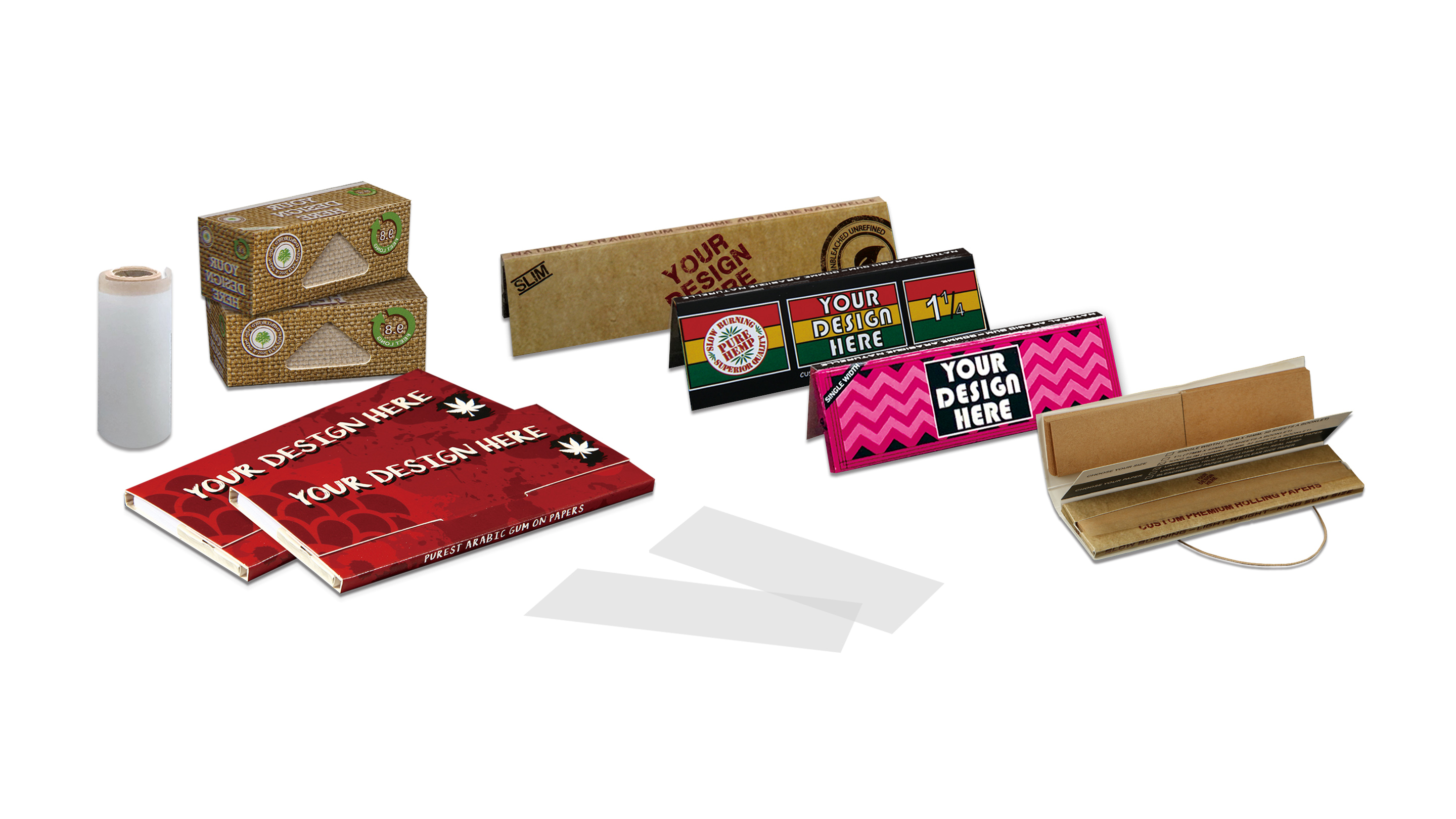
| Custom Rolling Papers | 1,000–3,000 packs | $0.40–$1.20/pack | 60–75% | Low (print on booklet) | D2C brands, events |
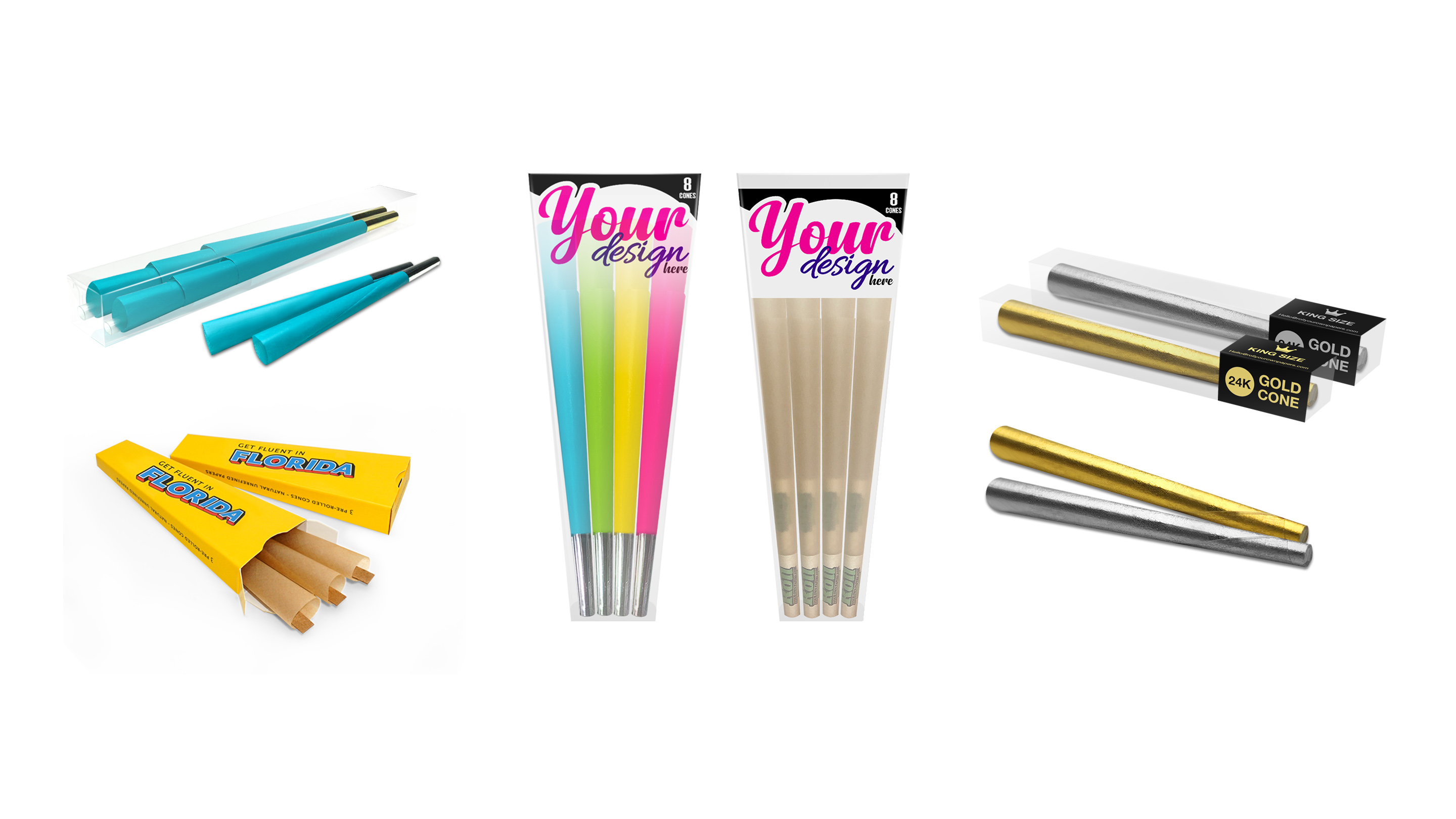
| Pre-Rolled Cones | 1,000–5,000 units | $0.08–$0.25/cone | 55–70% | Low–Medium | B2B wholesale |
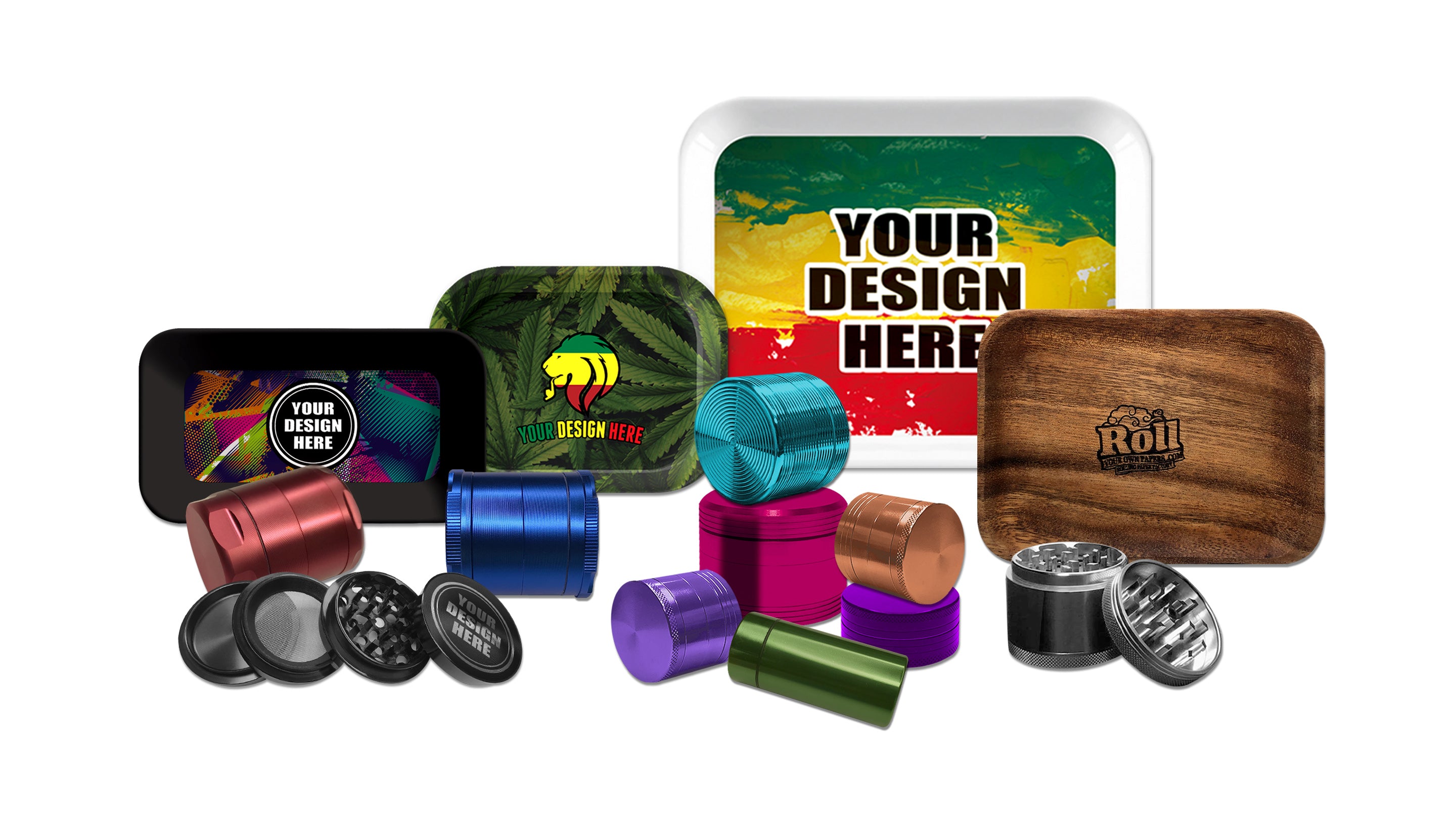
| Herb Grinders | 100–500 units | $2.50–$8.00/unit | 50–65% | Medium (engraving/print) | D2C, gift bundles |
| Rolling Trays | 100–500 units | $2.00–$6.00/unit | 55–70% | Medium (full surface print) | D2C, brand merch |
| Glass Filter Tips | 200–1,000 units | $0.80–$2.50/unit | 60–75% | Low | Premium bundles |
| Custom Lighters | 500–2,000 units | $0.90–$2.50/unit | 50–65% | Low (wrap print) | Events, promos |
| Custom Matchbooks | 1,000–5,000 units | $0.15–$0.45/unit | 65–80% | Low | Events, hospitality |
Here's the thing — you don't need to launch with seven product lines. The most capital-efficient move is starting with one or two high-margin, low-MOQ products. That usually means custom rolling papers plus one complementary item like custom matchbooks or custom lighters. Prove demand first. Then expand your catalog.
The Bundle Advantage
Most people miss this: bundling accessories together dramatically boosts average order value — without proportionally raising your acquisition costs. A "session kit" with papers, a grinder, and a tray can retail for $35–$55. Those same items sold individually? Maybe $8–$18 each. Bundles also make your brand feel more premium and gift-worthy, which is a huge advantage during holiday and event seasons.
Sourcing — White Label vs. Fully Custom
Your sourcing decision shapes brand positioning, lead times, and unit economics. Let's break down the two main paths.
White Label
You take an existing product — a standard-size rolling paper or a two-piece aluminum grinder — and put your branding on it. It's faster and cheaper. Turnaround is typically 2–4 weeks, and MOQs stay lower because the manufacturer already has the base product on hand. If you're testing a concept or launching on a tight budget, this is the right call.
Fully Custom
You work with a manufacturer to build a product to your exact specs — paper material, size, ink type, packaging format, even the texture of a tray surface. It takes longer (4–8 weeks is normal) and demands higher MOQs. But it gives you something nobody else can copy. If you're building a brand with real long-term defensibility, full customization is where you want to end up.
And honestly? Many successful brands start white label and shift to fully custom once they've proven demand. There's zero shame in that approach. The brands that fail are the ones who dump $15,000 into custom tooling before selling a single unit.
Vetting Your Supplier
Before placing any production order, request physical samples. Always. Check print quality under natural light. Bend the papers. Inspect grinder threading. A supplier who won't send samples before a bulk order? Walk away. Period.
Look for suppliers offering food-grade or plant-based inks, unbleached paper options, and sustainable packaging. Over 58% of accessory buyers under 35 say they prefer eco-friendly materials — that's a real competitive edge, not just a marketing talking point.
Build a Brand Identity That Actually Sells
Let's be real — in a market where physical products look similar across brands, your identity is your moat. A $1.20 pack of papers with sharp branding, a clear story, and premium packaging will outsell a $0.60 pack of generics every single time.
Name and Visual Identity
Your brand name should be easy to remember, easy to spell, and available as a .com domain. Steer clear of names that lean on restricted terminology — payment processors and ad platforms will flag you before you even get off the ground. Think lifestyle, ritual, nature, craft. And run your shortlisted names through a trademark search at the USPTO before committing.
Packaging as a Marketing Channel
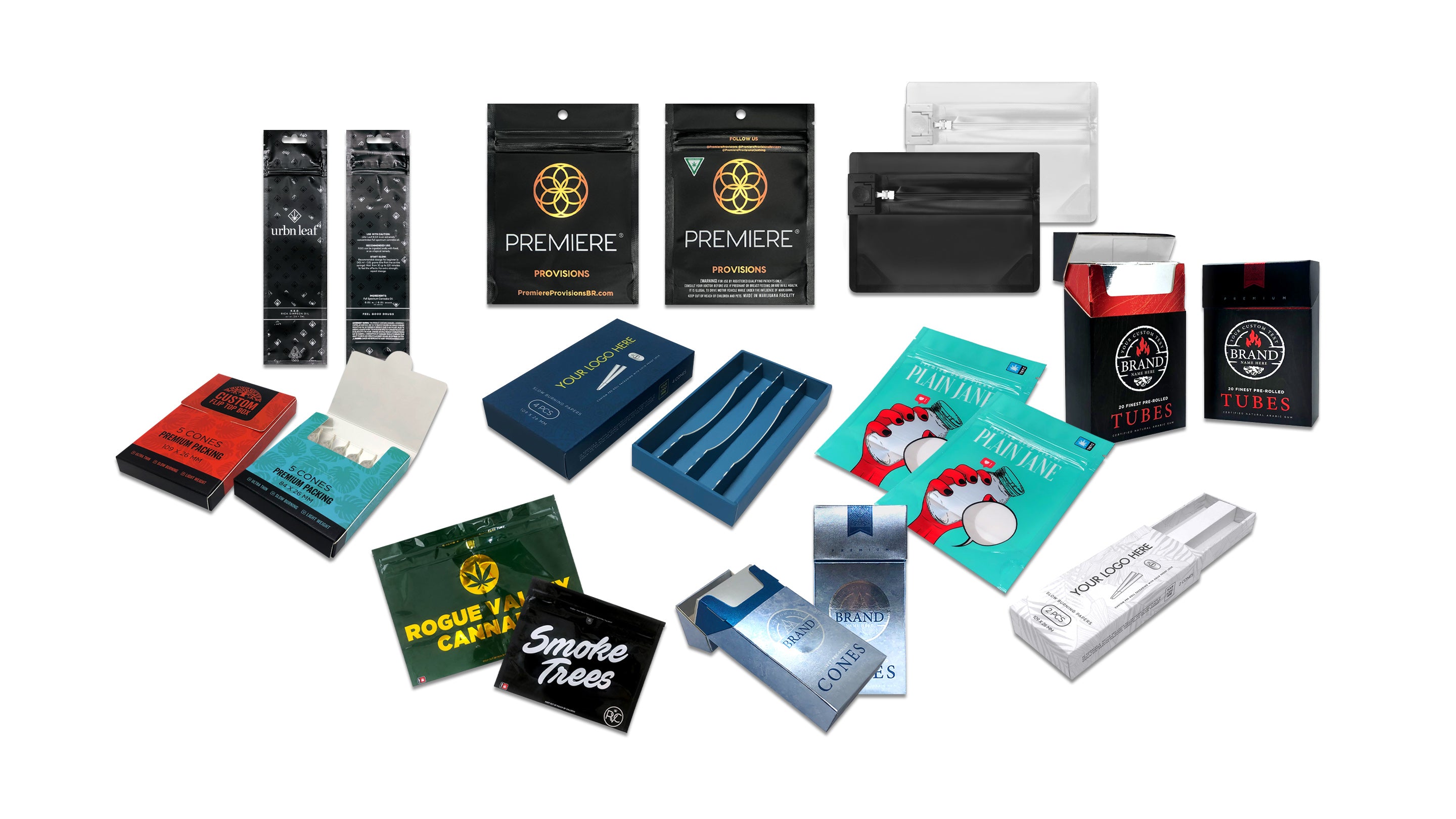
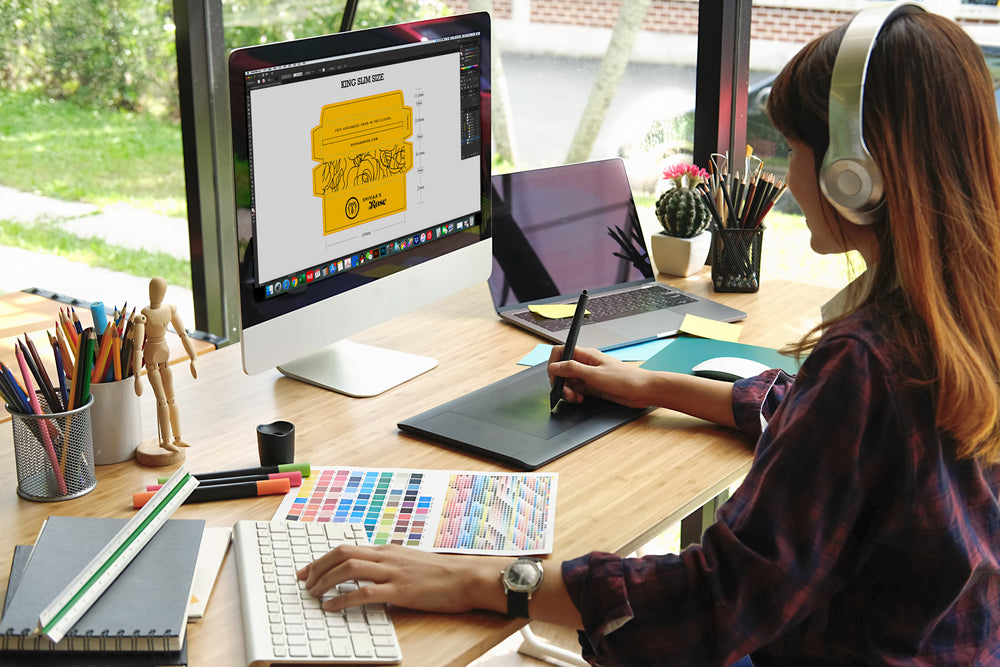
Your packaging isn't just protection — it's the first physical touchpoint a customer has with your brand. For rolling papers and cones, that booklet or tube design is the product's face. Invest in high-quality mockups before production so you can see exactly how your design translates to the real thing.
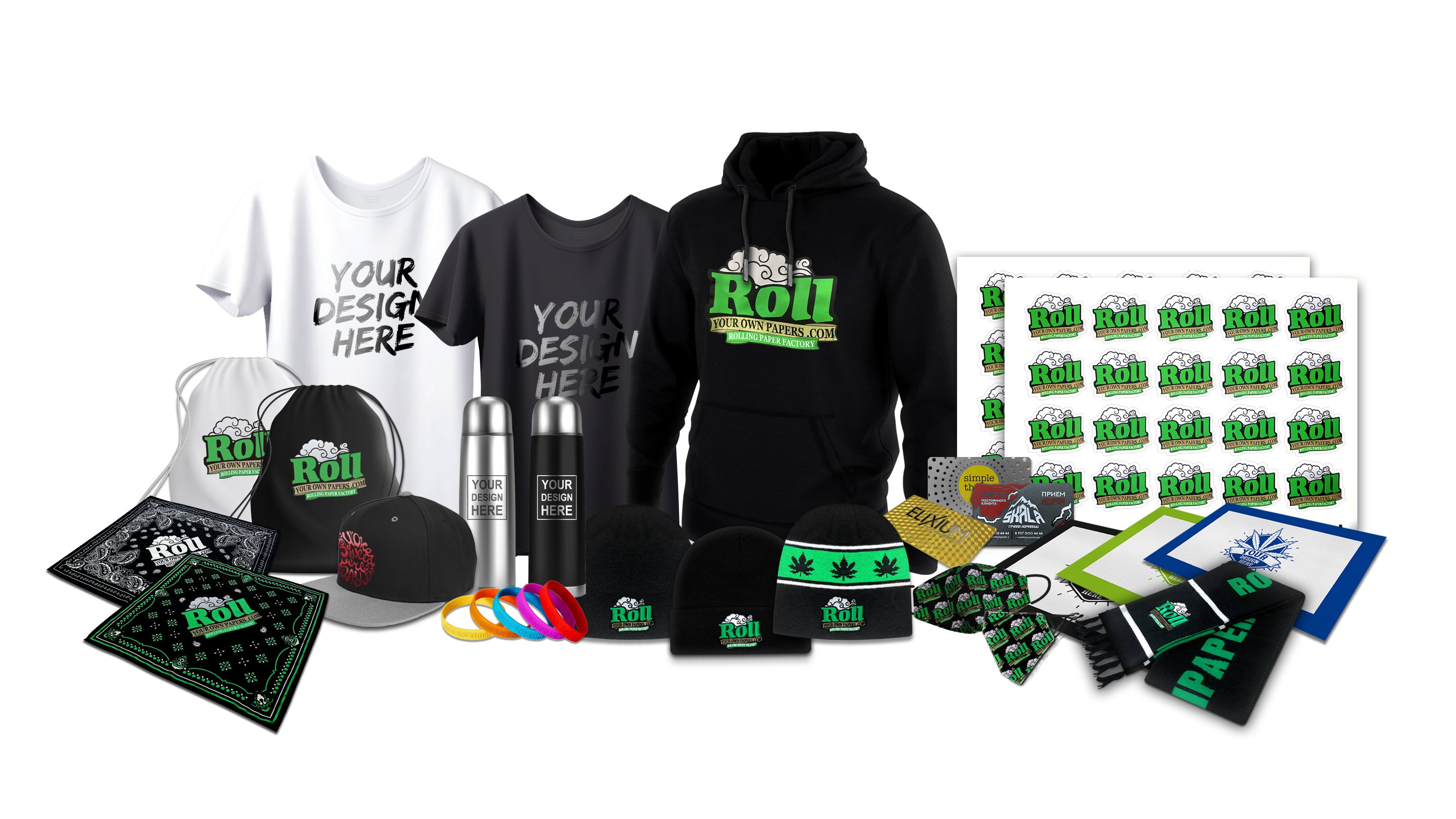
If you're a brand manager thinking about launching a line of branded accessories for an existing company — maybe a lounge, a festival brand, or a lifestyle label — this is where you should obsess. Your custom rolling papers need to feel like a natural extension of your brand. Not a generic product with a logo slapped on it.
Setting Up Your Sales Channels
Bottom line? Launch on one owned channel first, then expand. Trying to be everywhere at once leads to inventory nightmares and scattered focus.
Your Own Shopify Store
A Shopify store is basically the standard for rolling accessories brands in 2026. Setup costs are minimal — roughly $39/month for a basic plan — and it integrates easily with fulfillment, email marketing, and analytics tools. Focus on clean product photography, clear descriptions, and a simple checkout flow. You don't need a complex site. You need a fast, trustworthy one.
Wholesale and B2B Channels
Going wholesale? You'll need a line sheet (that's a PDF catalog showing pricing, MOQs, and lead times), sample kits, and some system for managing bigger orders. A lot of B2B buyers find suppliers at trade shows — events like the Champs Trade Show or regional industry expos are worth attending even in year one. Bring samples, not just business cards.
Marketplace Considerations
Selling rolling accessories on mainstream marketplaces can get tricky thanks to category restrictions. Some platforms limit certain accessory listings, so read their terms carefully before investing time in product pages. Your own website will always be the safest, most controllable channel.
Pricing Architecture That Protects Your Margins
Pricing isn't just "cost plus markup." It's a strategic decision that signals where your brand sits in the market — and it determines whether your business can actually sustain itself.
Cost-Plus vs. Value-Based
Cost-plus pricing means you calculate your landed cost (product + shipping + packaging + transaction fees) and slap on a fixed markup — say, 2.5x. It's safe. But it often leaves money sitting on the table.
Value-based pricing means you charge what your customer segment is actually willing to pay. A beautifully branded, well-packaged set of papers can command $6–$10 retail even when your unit cost is $1.10 — because you're selling identity, not just a functional item.
Tiered Pricing for B2B
Wholesale buyers expect volume discounts. A common structure looks something like this:
- 100–499 units: 25% off retail
- 500–1,999 units: 35% off retail
- 2,000+ units: 45% off retail + free custom branding
Build these tiers into your pricing from day one. If your retail margin can't absorb a 45% wholesale discount and still leave you in the black, your retail price is too low — or your unit cost is too high. Fix one or both before you scale.
Don't Forget Hidden Costs
New entrepreneurs consistently underestimate three things: payment processing fees (typically 2.9% + $0.30 per transaction), return and exchange costs, and the real expense of offering free shipping thresholds. Bake these into your pricing from the start. A 65% gross margin can quietly shrink to 38% net margin once you account for everything.
Compliance, Payment Processing, and Legal Realities
This section isn't glamorous. But it might be the most important one in this entire guide. Get compliance wrong and your business can shut down before it even gains traction.
Business Formation
Register as an LLC (or your country's equivalent). This shields your personal assets and gives you the EIN/tax ID you'll need for wholesale accounts, business banking, and supplier agreements. Most states let you file online for under $200.
Payment Processing
Here's the thing — rolling accessories sit in a gray area for payment processors. Some providers classify these products as "high risk" and either reject your application outright or hit you with elevated processing fees. To avoid trouble, keep your product descriptions clean and factual. Focus on materials, dimensions, customization options. Stay away from any language that triggers automated content filters.
Stripe, Square, and PayPal all have specific acceptable use policies. Read them carefully. If you get declined, specialized high-risk processors exist — they typically charge 3.5–5.5% per transaction instead of the usual 2.9%.
Labeling and Import Compliance
If you're importing products from overseas — and most accessories are manufactured in China, India, or Europe — you'll need to understand customs classifications, import duties, and country-of-origin labeling rules. Duties on paper products coming into the US usually run 0–5%, while metal items like grinders may attract 3–8% depending on material and classification.
A Marketing Playbook That Works for This Niche
Marketing rolling accessories takes creativity because traditional paid ad channels have strict content policies. But here's what's interesting — brands that adapt to those constraints often end up building more resilient, organic-driven businesses as a result.
Content Marketing and SEO
This is your highest-ROI channel. Blog posts targeting long-tail keywords — things like "best rolling tray materials" or "how to choose pre-rolled cones for events" — bring in buyers who are already in research mode. Aim for 2–4 in-depth articles per month. It takes 3–6 months to see meaningful organic traffic, but the compounding effect is real and powerful.
Social Media (Organic)
Instagram, TikTok, and Pinterest are your best friends here. Showcase products in lifestyle settings — flat lays on premium rolling trays, unboxing videos, behind-the-scenes peeks at your design process. User-generated content is pure gold. Encourage customers to post with a branded hashtag and repost the best stuff.
Email Marketing
Don't sleep on email. For accessories brands, email typically returns $36–$42 per dollar spent — way higher than social ads. Start building your list from day one with a pop-up offering 10–15% off the first order. Then nurture those subscribers with product launches, restock alerts, and genuinely useful content.
Trade Shows and Events
For B2B acquisition, nothing beats face-to-face. A well-designed booth stocked with sample products — custom pre-rolled cones in branded packaging, herb grinders with laser-engraved logos — creates a tactile impression no digital ad can replicate. Budget $1,500–$5,000 for your first show, including booth rental, travel, and sample production.
Influencer Partnerships
Micro-influencers (5,000–50,000 followers) in the lifestyle and accessories space often outperform bigger creators on both engagement and conversion. Offer product-for-post deals or small flat fees — $50–$200 per post is typical. Track everything with unique discount codes for each creator.
Common Mistakes That Kill Rolling Accessories Brands
After watching dozens of accessories brands launch, grow, and — in some cases — crash, certain patterns jump out. Here are the most common traps and how to sidestep them.
Mistake 1: Over-Ordering Inventory
Enthusiasm leads to overcommitment. A first-time founder orders 10,000 units across five products, spends $15,000+, then discovers only one product has any real demand. Start with minimum orders on 1–2 products. Test. Then scale what's actually working.
Mistake 2: Ignoring Packaging Quality
Your product might be excellent. But if it shows up in a flimsy plastic bag with a blurry label, the customer's perception of quality tanks immediately. About 72% of consumers say packaging design influences their buying decisions. Invest accordingly.
Mistake 3: Pricing Too Low
New brands often undercut the market hoping to win on price. This is a trap. You'll attract price-sensitive buyers who won't stick around, and you'll wreck your margins in the process. Position on quality, design, or customization — never on being the cheapest option.
Mistake 4: No Clear B2B Strategy
Lots of brands focus entirely on D2C and completely ignore the B2B opportunity. But think about it — a single wholesale account placing recurring monthly orders can generate more revenue than 200 individual online sales. Develop a wholesale program early, even if it's a simple one.
Mistake 5: Neglecting Product Photos
In the accessories market, visual presentation is everything. Invest in professional product photography — or at the very least, learn to shoot clean flat lays with natural lighting. Your conversion rate will thank you. Brands that upgrade from phone photos to professional images typically see a 25–40% jump in conversions.
Scaling From Side Hustle to Full Operation
So you've validated demand, you're profitable at a small scale, and you're ready to grow. Here's how to scale without breaking what's already working.
Expand Your Product Line Strategically
Add products that complement what you already sell. If you started with papers, the natural next additions are custom filter tips and cones — they share the same customer base and often get purchased together. From there, layer in trays and grinders to push your average order value higher.
Hire Your First Team Member
The first hire for most accessories brands is operations — someone to handle inventory, fulfill orders, and field customer service questions. That frees you up to focus on marketing, partnerships, and product development. Consider bringing on a part-time contractor before committing to a full-time employee.
Automate What You Can
Once you're processing 50+ orders a week, manual fulfillment becomes a real bottleneck. Look into third-party logistics (3PL) providers who specialize in small consumer goods. Costs typically run $2–$5 per order for pick, pack, and ship — and it's well worth it once your volume justifies the monthly minimums.
Pursue Recurring Revenue
Subscription boxes and recurring B2B orders are the holy grail here. A subscription model built around curated accessories kits generates predictable monthly revenue and cuts your dependence on constantly finding new customers. Even a modest base of 200 subscribers at $25/month creates $5,000 in reliable monthly income. That's not nothing.
Consider Private Label Partnerships
Once you've built solid manufacturing relationships and proven your brand's quality, other companies may come to you to produce accessories under their label. Private label manufacturing is a high-volume, moderate-margin revenue stream that leverages infrastructure you've already invested in.
That said — don't chase scale just for the sake of it. A lean, profitable accessories brand doing $15,000–$30,000 per month with healthy margins? That's a genuinely great business. Not every company needs to become a $10 million operation to be worth building.
🔥 Find Your Perfect Rolling Accessories
Whether you're stocking up for personal use or ordering in bulk for your brand or event, RYOP has everything you need.
- ✔️ Premium quality products
- ✔️ Custom branding available
- ✔️ Bulk & wholesale pricing
- ✔️ Fast shipping worldwide
📦 Bulk orders available | 🚚 Fast shipping | 🌱 Eco-friendly options
Frequently Asked Questions
- What's the minimum order quantity to start a rolling accessories brand? It depends on the product. Custom rolling papers typically have MOQs between 1,000 and 3,000 packs, while grinders and trays can start as low as 100–500 units. Some suppliers also offer sample runs of 50–100 units so you can test the market before committing to a full production order.
- How much money do I need to launch? A lean launch with one or two products, basic branding, and a Shopify store can be done for $2,000–$5,000. A more robust launch — multiple SKUs, professional photography, trade show attendance, and a marketing budget — typically runs $8,000–$15,000. Start lean and reinvest what you earn.
- Can I see physical samples before placing a bulk order? Absolutely — and you should insist on it. Reputable suppliers like RYOP provide pre-production samples so you can check print quality, material feel, and packaging before you commit. Never place a large order without holding the product in your hands first.
- How long does production and shipping take? White-label orders using existing designs typically ship within 2–3 weeks. Fully custom orders — new artwork, custom packaging, or special materials — usually take 4–8 weeks from design approval to delivery. Always add a 1-week buffer for unexpected delays.
- Do you offer eco-friendly product options? Yes. Unbleached papers, plant-based inks, biodegradable packaging, and sustainably sourced materials are available across most product categories. Eco-friendly options sometimes cost 10–15% more per unit, but they command higher retail prices and attract environmentally conscious buyers — a segment that keeps growing in 2026.
- What's the best product to start with if I have a small budget? Custom rolling papers offer the best mix of low MOQ, low unit cost, high margin, and strong brand visibility. They're lightweight (which keeps shipping costs down), easy to customize, and appeal to both D2C and B2B buyers. Plenty of successful brands started with papers alone and expanded from there.
- Can I sell these products online, or are there restrictions? You can sell rolling accessories through your own website without major restrictions, as long as your product descriptions and marketing use accurate, neutral language. Some third-party marketplaces have specific category rules, so check their policies before listing. Your own Shopify store remains the most flexible and reliable option.


Leave a comment