


🤟 How to Use Rolling Paper Cannabi: The Ultimate Step-by-Step Guide for Beginners 😎

Rolling your own herbal joint can seem a bit tricky at first, but with the right technique and a little practice, you’ll be rolling like a pro in no time. This guide breaks down how to use rolling paper (cannabi style) in a fun, easy-to-follow way. Whether you’re a complete beginner or just looking to refine your rolling skills, we’ve got you covered with tips, tricks, and insider info to make the process smooth and enjoyable. 🤟
Table of Contents:
- What Are Rolling Papers?
- Supplies You’ll Need
- Step-by-Step Rolling Guide
- Alternative Ways to Roll
- Tips & Tricks for a Better Roll
- Rolling Paper Product Spotlight
- FAQ
What Are Rolling Papers? 🤔
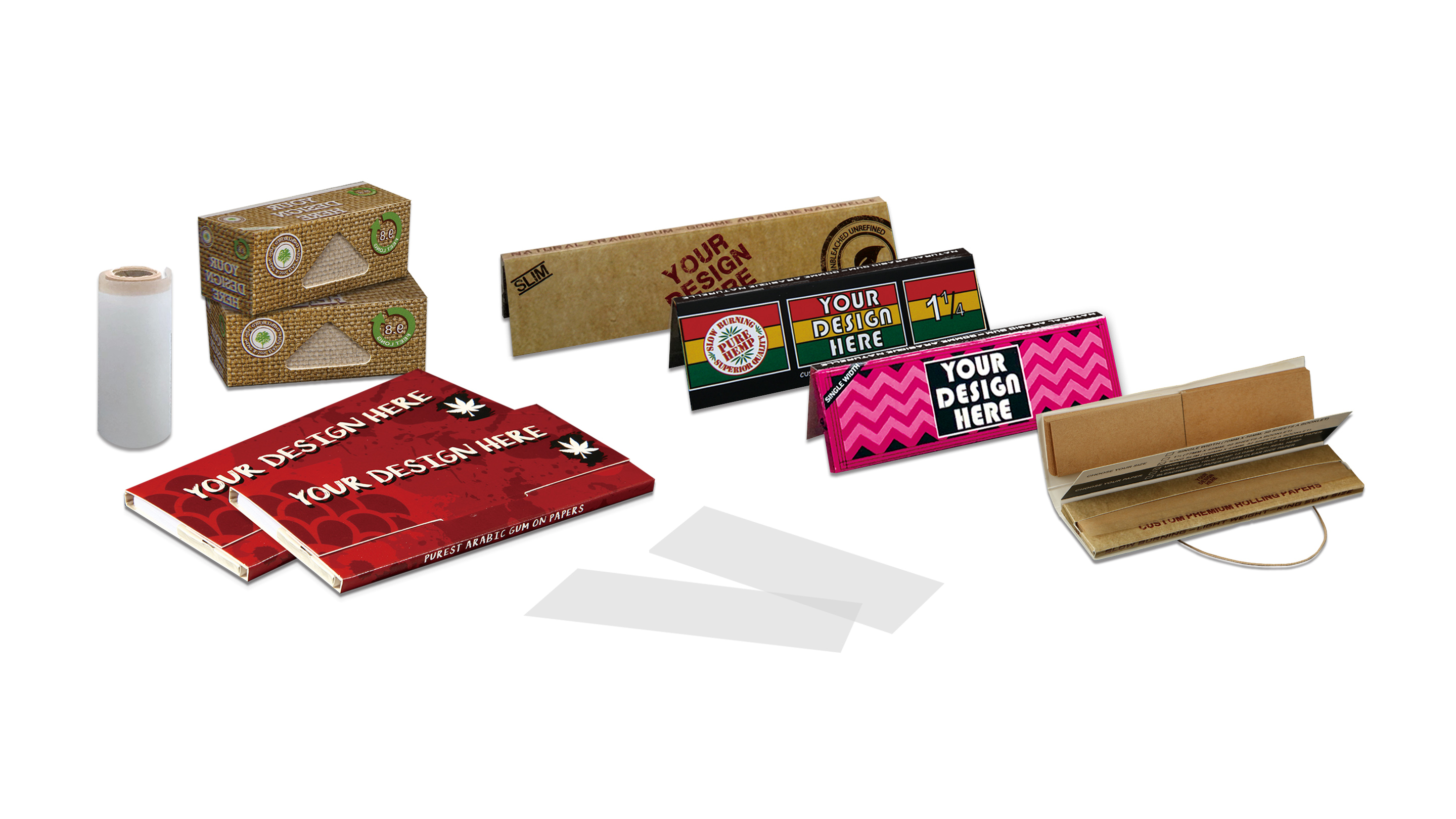
Rolling papers are small sheets (often made of hemp, rice straw, or thin wood pulp) used to hand-roll your own cigarettes or herbal joints. They come in various sizes and materials, each affecting the rolling experience and burn rate. Typically, rolling papers have a strip of natural gum or adhesive along one edge – this is what you’ll lick to seal your roll once it’s packed and rolled up.
When choosing a rolling paper, consider the following common types:
- Hemp Papers: Made from hemp fiber, these papers are popular for their balance of thickness and ease of use. They grip the herb well, making rolling a bit easier for newbies.
- Rice Papers: Thin and slow-burning, rice-based papers give a smooth, flavorless burn. However, their thinness means they can be slightly trickier to handle until you have some practice.
- Wood Pulp Papers: Classic white rolling papers (often made from wood pulp) are a bit thicker and easier to roll. They do tend to burn faster and might add a slight papery taste, especially if bleached. Many people opt for unbleached (brown) wood pulp papers for a cleaner experience.
No matter which type you choose, make sure your papers are fresh (old, dry papers can crack) and the right size for the amount of herb you plan to roll.
Supplies You’ll Need 🛠️
Before you start rolling, gather your tools and ingredients. Having everything on hand will make the process more enjoyable and hassle-free:
- Rolling Papers: Obviously! Grab a pack of your preferred papers (standard 1¼ size is great for beginners).
- Your Herb: Whatever dried herb or blend you’re rolling. Make sure it’s dry enough to crumble but not bone-dry (a little moisture helps it burn nicely).
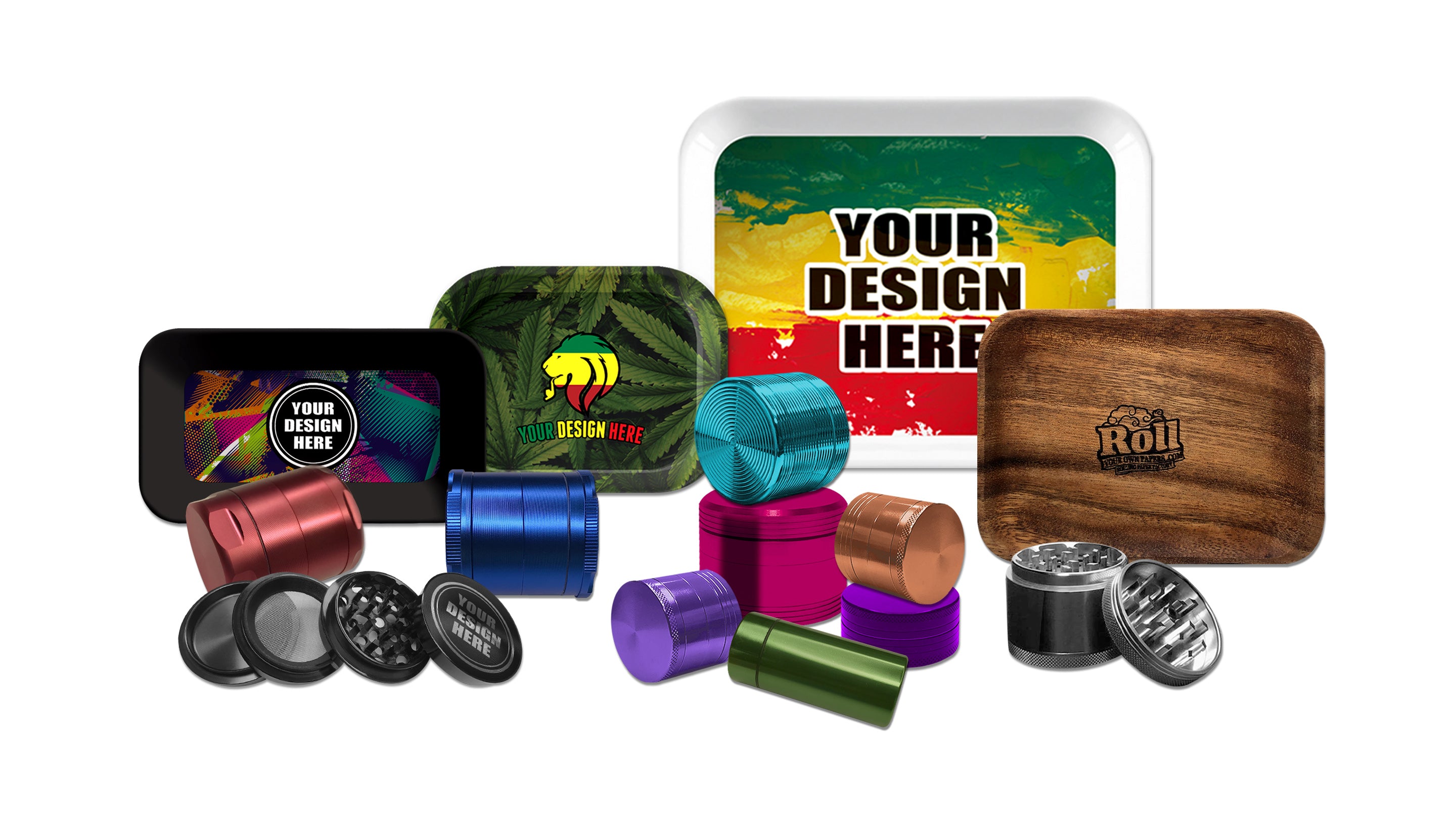
- Grinder: While not absolutely required, a grinder makes breaking down your herb much easier and more consistent. Consistency in texture = an even burn.
- Filter Tip (Crutch): (Optional) A small piece of rolled-up cardboard or a pre-made filter tip acts as the mouthpiece. It keeps the end open for airflow and prevents bits of herb from getting into your mouth. You can buy these or make one from stiff paper.
- Rolling Tray or Clean Surface: Spillage happens! 😅 Use a tray or at least a clean sheet of paper on your table to catch any herb that falls, so you can easily scoop it back up.
- Packing Tool: (Optional) Something like a pen, a thin stick, or a dedicated packing tool to gently pack the herb down (especially useful for cones or after you finish rolling).
- Lighter: To light up your creation when it’s ready. 🔥
Step-by-Step Rolling Guide 📝
Alright, let’s roll one up! Follow these steps, take your time, and you’ll get the hang of it. Remember, practice makes perfect – your first roll might not be pretty, but it’ll do the job. By your tenth, you’ll see a big improvement. Let’s go:
Step 1: Grind Your Herb
Start by breaking down your herb. If you have a grinder, put your herb in and give it a few turns until it’s evenly ground. (Aim for a medium grind – too fine and it could restrict airflow; too chunky and it may burn unevenly.) No grinder? No problem. You can use your fingers to crumble the herb into small pieces, or use scissors to cut it up. The goal is a fluffy pile of herb that’s roughly uniform in size. This makes it much easier to roll and helps it burn smoothly. Pro tip: If you’re totally new, practice with a pinch of inexpensive dried herbs (like oregano) to get a feel for rolling without wasting your good stuff.
Step 2: Shape a Filter Tip (Optional)
If you like using a filter tip (also called a crutch), now’s the time to make one. Take a small strip of stiff paper (like the ones included in some rolling paper packs or a piece of an index card). Make a few accordion folds at one end, then roll the paper around those folds into a small cylinder. Voilà, there’s your filter tip. It doesn’t need to be perfect; it just adds structure and keeps bits of herb out of your mouth. (If you skip the filter tip, just remember to twist the end of the joint closed after rolling to keep the herb from falling out.)
Step 3: Fill the Rolling Paper
Now for the fun part. Take one rolling paper out of the pack. Hold it with the adhesive gum strip at the top (facing you). If you’re using a filter tip, place it on one end of the paper where you want the mouthpiece to be. Now, gently sprinkle your ground herb along the crease of the paper. Distribute it evenly from end to end so it forms a nice line of herb. Imagine you’re making a tiny burrito 🌯: too much and everything spills out. You can always add a bit more herb later if needed, but it’s best to start with a modest amount so you can roll it easily.
Step 4: Roll the Paper
This is the step that trips up most beginners. Take a deep breath — you got this. With your thumbs and forefingers, pinch the paper between them, with the herb in the middle. Start rolling your fingers gently up and down, coaxing the paper to curl around the herb. The idea is to shape the herb into a cylinder as the paper tucks around it. Use the filter tip (if you have one) as a guide on one end. As you roll back and forth, the herb will start to compact and take shape. Continue rolling until the ungummed side of the paper can tuck inside the roll, just in front of the filter tip and the herb. Tuck that side in snugly around the herb all along the length of the joint. Now the sticky gum strip should be the only edge left untucked.
Step 5: Seal the Joint
Time to seal the deal! 😁 Once the paper is tucked and your roll is taking shape, lick the adhesive gum strip lightly from end to end. (You don’t need to slobber on it – just a light, even lick will do.) Then, continuing the rolling motion, wrap the moistened gum strip around the joint and press it down. The moisture will make it stick to the paper, sealing your joint. Run your fingers over the seam to ensure it’s sealed along the length.
Step 6: Finish and Enjoy
Now you have a basic hand-rolled joint! If you notice any loose spots or if the herb is a bit unevenly packed, take a slender object (like that pen or a toothpick) and gently tamp the open end to pack the herb slightly tighter. Once it’s packed to your satisfaction, twist the excess paper at the tip to close the joint. This keeps it all together for an easy light-up.
Finally, light the twisted end while gently puffing. Make sure to rotate the joint as you light for an even burn. Congrats – you’ve rolled your first joint! 🎉 Now sit back and enjoy your handiwork (take it slow if you’re new!).
Alternative Ways to Roll 🎯
Hand-rolling not your thing yet? No worries. There are a couple of handy alternatives that let you enjoy your herb without mastering the art of the freehand roll:
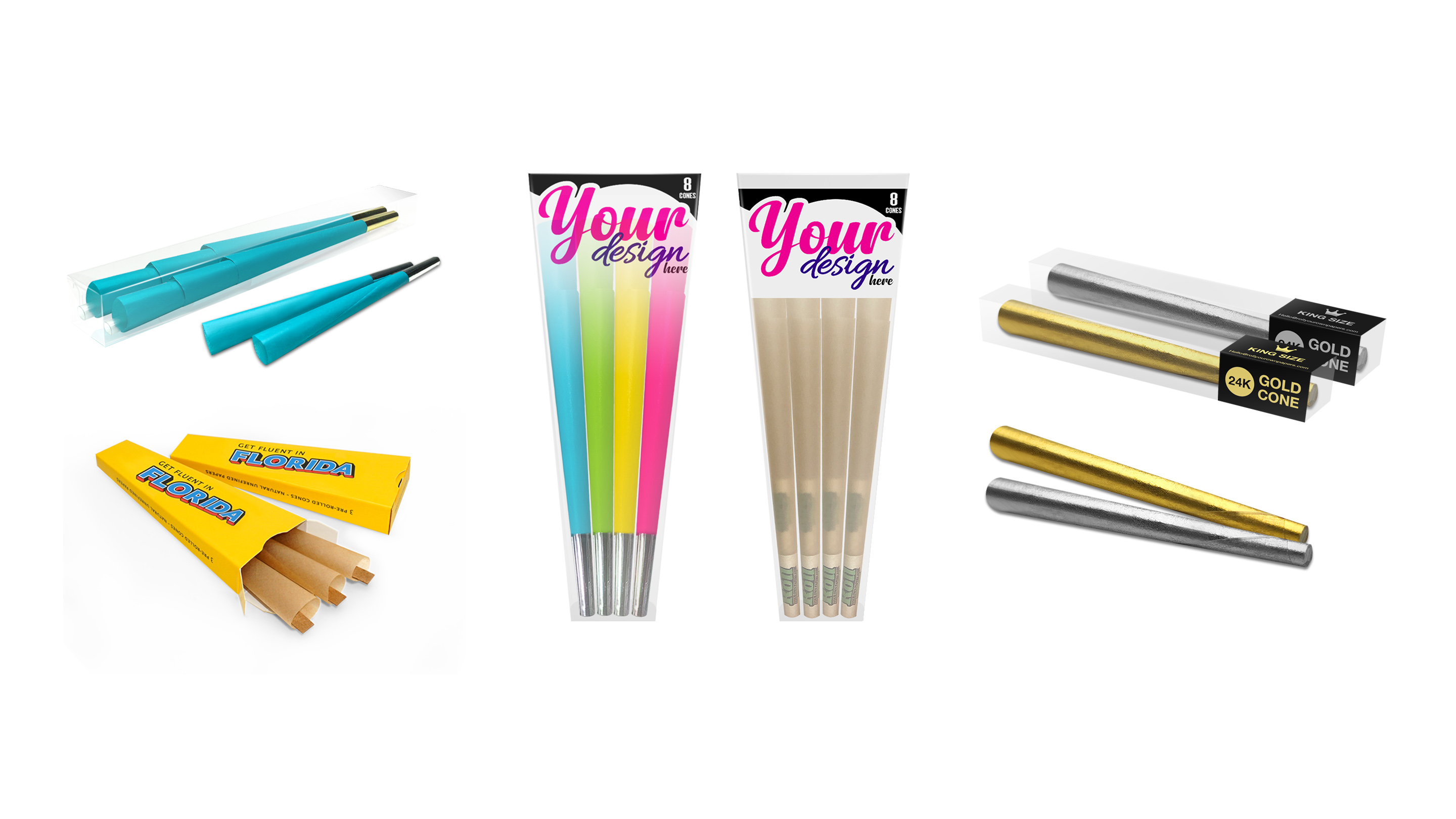
Pre-Rolled Cones
Pre-rolled cones are essentially papers already shaped into a cone (usually with a filter tip in place). Instead of rolling, you just fill the cone with your herb. Simply hold the empty cone (filter end down) and sprinkle your ground herb into it. Every so often, tap the cone or use a pen to gently pack the herb so it’s evenly distributed. When it’s full, give the tip a little twist to close it up. Done! Cones remove the tricky part of rolling – perfect for those who aren’t confident with rolling or want a quick, hassle-free session.
Rolling Machines
A rolling machine is a handy little gadget (think of training wheels for rolling). It has two rollers and holds your herb and paper for you. To use one: open the machine, put a filter tip and your ground herb in, then close it up. Insert a rolling paper into the slot with the sticky gum edge facing you. Roll the machine toward you – it will feed the paper in and wrap it around your herb. When just the gum strip remains visible, lick it and finish rolling. Open the machine and voilà – you have a nicely rolled joint! 🎊 Rolling machines are great for quick, consistent rolls, especially if you’re struggling to hand-roll or want to make a few in a hurry.
Tips & Tricks for a Better Roll 💡
Even seasoned rollers have a few tricks up their sleeve to make the process smoother and the end result better. Here are some pro tips and common fixes for rolling issues:
- Don’t Overdo It: Avoid overpacking your paper. Too much herb can make it impossible to close the joint and you’ll end up with a mess (and a frustrated vibe). It’s better to roll two small ones than one overstuffed monster.
- Even Distribution is Key: Uneven spreading of herb can cause one side of the joint to burn faster than the other (known as “canoeing”). Take your time to spread the herb in an even line. If a joint starts to canoe while burning, you can fix it by wetting the faster-burning side slightly or re-lighting the slower side.
- Tight, but Not Too Tight: Roll with firm pressure, but not so tight that air can’t flow. A joint that’s too tight won’t burn or draw properly (you’ll end up red in the face trying to take a puff), and one that’s too loose will burn quickly and unevenly. Aim for the Goldilocks zone: nicely snug, not crushed.
- The Dollar Bill Trick: If you’re struggling with hand-rolling, try using a dollar bill as a rolling aid. Simply place a rolling paper filled with your herb inside a folded bill. Pinch and roll the bill to roll the paper around the herb, then lick and seal the paper. It’s a handy hack for beginners to get a tight roll. 💵
Rolling Paper Product Spotlight 🚀
When it comes to rolling, the quality of your paper can make a big difference. If you’re ready to elevate your rolling experience, check out ROLLYOUROWNPAPERS – our premium rolling paper brand that lets you put a personal touch on your gear. We offer Free Design services (to help you customize your papers with your own artwork or logo), Low Minimum orders (you don’t have to buy a ton to get started), and Free Delivery right to your door. 😍 With ROLLYOUROWNPAPERS, you’re rolling in style. Give your sessions a boost with papers that are uniquely yours. Ready to roll your own? We’ve got you covered!
Frequently Asked Questions 🤓
1. Which rolling papers are easiest for beginners to use?
Answer: Hemp papers are typically easiest for beginners. They have a bit more texture and thickness, which makes rolling simpler. Rice papers are thinner and burn slower, but they can be a bit slippery for first-timers. It’s best to start with hemp or unbleached wood pulp papers until you get the hang of it.
2. Do I need a filter tip when rolling?
Answer: Not strictly, but it’s a good idea. A filter tip makes the joint sturdier, keeps the end open (no clogs or sogginess), and stops bits of herb from getting in your mouth. You can roll without one (just twist the paper end as a makeshift filter), but most people prefer using a tip once they try it.
3. How much herb should I put in a joint?
Answer: For a standard 1¼ size rolling paper, about 0.5 grams of herb is a common amount. That looks like a line of ground herb roughly as thick as a pencil laid out in the paper. You can use a little less or more depending on your paper size and preference, but 0.5g is a good start for an even burn and easy roll.
4. Why does my joint burn unevenly or too quickly?
Answer: Likely because of an uneven roll or pack. Make sure your herb is ground and spread evenly and that you rolled it uniformly (no one end fatter than the other). Also, light the joint evenly by rotating it under the flame. If it starts burning unevenly (canoeing), moisten the fast-burning side a bit or re-light the slower side to even it out.
5. What if I don’t have a grinder?
Answer: Just break your herb up by hand. Pinch and crumble it into small, even pieces. If it’s sticky or you want it finer, use a pair of small scissors to snip the herb (doing this in a clean cup or shot glass helps). The goal is a fluffy, uniform mix that’s easy to roll. Big chunks are a no-go, so take your time breaking it down.
6. What are pre-rolled cones and are they good for beginners?
Answer: They’re empty paper cones with a filter tip, ready to fill. Yes – they’re perfect for beginners because there’s no rolling skill needed. Just grind your herb, fill the cone, pack it gently, twist the end, and enjoy. It’s an easy, foolproof way to get rolling without any hassle.
7. How do I use a rolling machine to roll a joint?
Answer: Open the rolling machine and put your filter and ground herb inside, then close it. Insert a rolling paper (gum side up, facing you) into the machine’s slot. Roll the machine toward you; it will feed the paper and wrap it around the herb. Lick the gum strip when it’s almost pulled in, then finish rolling. Open the machine and you’ve got a perfectly rolled joint. It’s quick and makes rolling very simple!




Leave a comment