

👀 Nobody Told You This About the RollPros Blackbird Machine 💥 Until Now

If you've invested in a RollPros Blackbird automated pre-roll machine, you already know it's a game-changer for production efficiency. But here's the truth nobody's talking about: the machine is only as good as the consumables you feed it. 🎯 Most operators focus on the hardware specs and overlook the critical role that Custom Rolling Paper Bobbins, Custom Filter Tips, and Custom Glass Tips play in maximizing output quality, minimizing waste, and building a brand that customers remember. In this comprehensive guide, we're pulling back the curtain on the insider secrets that seasoned RollPros operators use to get the absolute most from their Automated Pre-Roll Joint Rolling Machine Consumables (RollPros™ Blackbird Compatible). From calibration tricks that reduce paper jams by 40% to customization strategies that turn every pre-roll into a marketing opportunity, you're about to discover everything the manufacturer didn't tell you. 🚀
📋 Table of Contents
- The Hidden Calibration Settings That Change Everything
- Why Generic Consumables Are Costing You Thousands
- Custom Rolling Paper Bobbins: The Branding Goldmine
- Filter Tips vs. Glass Tips: The Quality Debate
- The 3-Step Setup Process Nobody Teaches You
- How to Eliminate 90% of Paper Jams
- Custom Consumables ROI Calculator
- Material Quality: What Actually Matters
- Troubleshooting Common Blackbird Issues
- Scaling Production Without Sacrificing Quality
🔧 The Hidden Calibration Settings That Change Everything
Every RollPros Blackbird operator knows the basics of machine setup, but there's a world of difference between "running" and "optimizing." The tension settings for your Custom Rolling Paper Bobbins are the single most important factor in consistent production quality, yet they're often set once during installation and never adjusted again. Here's what changes everything: your tension requirements vary based on paper weight, humidity levels, and even room temperature. 🌡️
When working with ultra-thin organic hemp papers (typically 13-14 GSM), you need significantly lower tension than standard papers. Too much tension causes micro-tears that don't appear until hundreds of units into your production run, creating mysterious jam patterns that seem random but are actually systematic failures. The sweet spot for most Automated Pre-Roll Joint Rolling Machine Consumables (RollPros™ Blackbird Compatible) is a tension setting between 2.5 and 3.2 on the machine's dial, but this varies based on your specific paper supplier and environmental conditions.
Here's the insider trick: run a test batch of 50 units at three different tension levels (2.5, 3.0, and 3.5) and measure both the jam rate and the final pre-roll firmness. The optimal setting isn't the one with zero jams—it's the one that balances minimal jams with consistent tightness. Professional operators also adjust tension seasonally, dropping it by 0.2-0.3 points during humid summer months when papers absorb moisture and increasing it during dry winter conditions. 💡
💰 Why Generic Consumables Are Costing You Thousands
The math seems simple: generic consumables cost 30-40% less than premium custom options, so you save money, right? Wrong. Dead wrong. 📉 When you factor in the hidden costs of generic Automated Pre-Roll Joint Rolling Machine Consumables (RollPros™ Blackbird Compatible), most operations are actually losing money—sometimes substantial amounts—by choosing cheaper materials.
Let's break down the real economics. Generic paper bobbins typically have inconsistent thickness across the roll, leading to variable tension as the machine unwinds the paper. This inconsistency causes an average jam rate of 8-12% in professional production environments. With each jam requiring 2-3 minutes of operator intervention to clear, reset, and restart, you're looking at significant downtime. On a machine capable of producing 150 units per hour, even a 10% jam rate means 15 stoppages per hour, or approximately 30-45 minutes of lost production time. Over an 8-hour shift, that's 4-6 hours of potential output lost to preventable issues. 😱
But wait—there's more. Generic filter tips often have poorly formed bases that don't seat properly in the Blackbird's forming mechanism, leading to crooked pre-rolls that fail quality control. Industry data shows that operations using generic consumables reject 12-18% of finished units compared to just 3-5% rejection rates with premium Custom Filter Tips. When you're producing thousands of units daily, those rejected pre-rolls represent massive material waste and lost revenue.
The quality difference extends to customer perception too. Premium Custom Rolling Paper Bobbins made from organic hemp with natural gum adhesives burn cleaner, taste better, and leave less ash residue—factors that directly impact repeat purchase rates. Studies in the pre-roll market show that customers who have a negative experience with harsh-burning papers are 70% less likely to repurchase that brand, regardless of the quality of the contents. Your choice of consumables literally determines whether customers become loyal brand advocates or one-time buyers. 🎯
🎨 Custom Rolling Paper Bobbins: The Branding Goldmine
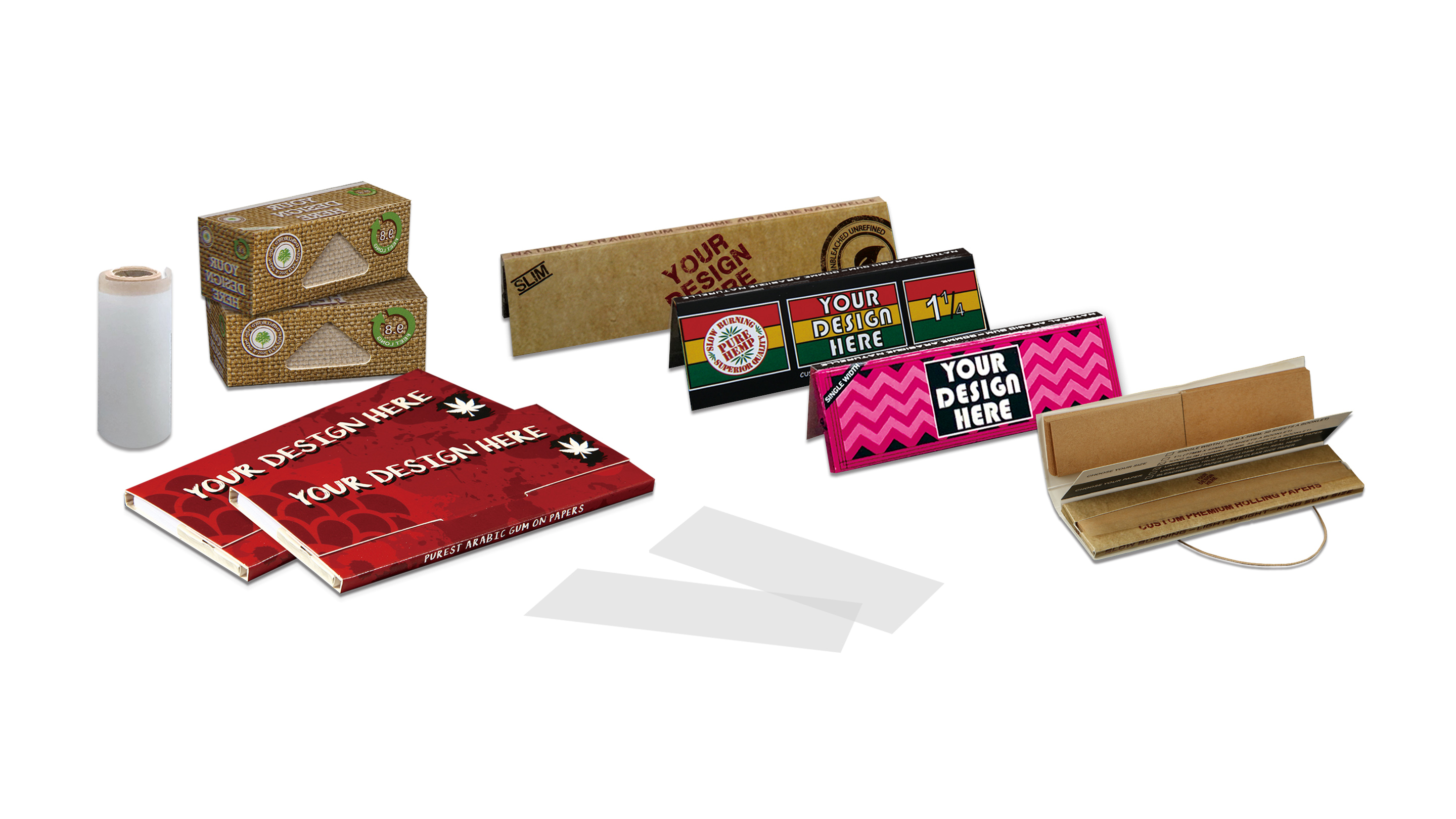
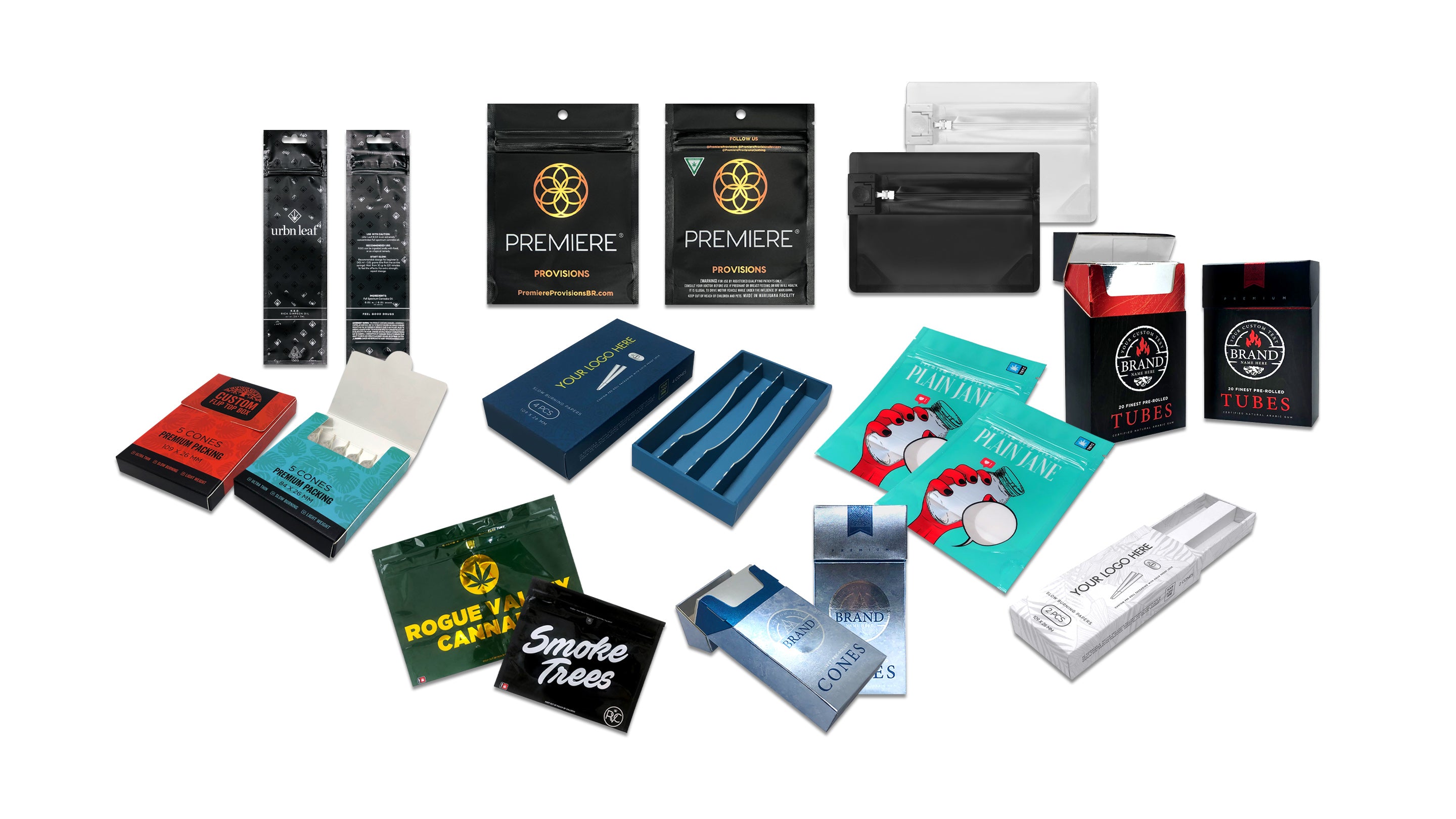
This is where most RollPros Blackbird operators leave serious money on the table. Every single pre-roll that rolls off your machine is a marketing opportunity, yet the majority of producers use plain white papers that look identical to every competitor's product. Custom Rolling Paper Bobbins transform each unit from a commodity product into a brand experience. ✨
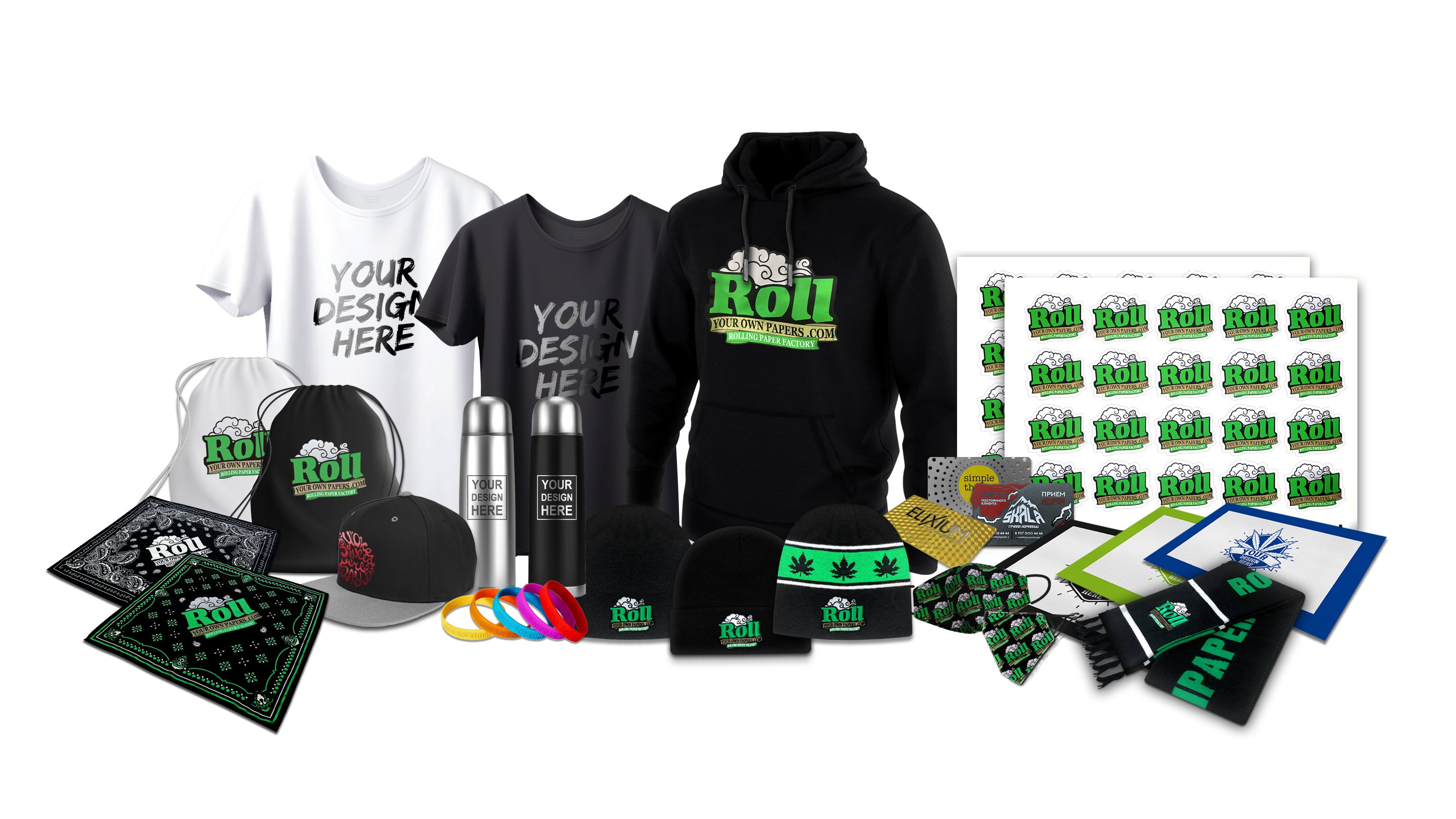
The customization possibilities are far more extensive than most people realize. Beyond basic logo printing, advanced custom papers can incorporate brand colors, unique patterns, QR codes linking to product information, batch numbers for traceability, and even augmented reality triggers that activate branded content when scanned with a smartphone. Food-grade inks allow for full-color printing without compromising burn quality or introducing unwanted flavors, and modern printing technology enables photographic quality images at production speeds.
The ROI on custom papers is remarkable. A premium custom paper typically adds $0.08-0.12 per unit to production costs, but the perceived value increase is exponentially higher. Blind consumer testing consistently shows that customers perceive pre-rolls with custom-printed papers as 25-35% higher quality than identical products in plain papers, and they're willing to pay premium prices reflecting that perception. On a $12 pre-roll, that perception difference translates to potential price increases of $3-4 per unit—a 3,000% return on your additional paper investment. 💎
Custom papers also solve a critical retail challenge: shelf differentiation. When your products sit next to 20 competitors in a dispensary display case, custom branding is often the only visual differentiator customers notice. Professional brand managers report that custom papers increase unaided brand recall by 60% and improve repeat purchase rates by 40% compared to generic white papers. Your Automated Pre-Roll Joint Rolling Machine Consumables (RollPros™ Blackbird Compatible) are doing double duty as both functional materials and brand ambassadors. 🚀
🔬 Filter Tips vs. Glass Tips: The Quality Debate
The filter versus glass tip debate divides RollPros Blackbird operators into passionate camps, but the truth is more nuanced than either side admits. Both Custom Filter Tips and Custom Glass Tips have legitimate advantages depending on your target market, price point, and brand positioning. Understanding when to use each type is critical for maximizing both production efficiency and customer satisfaction. 🤔
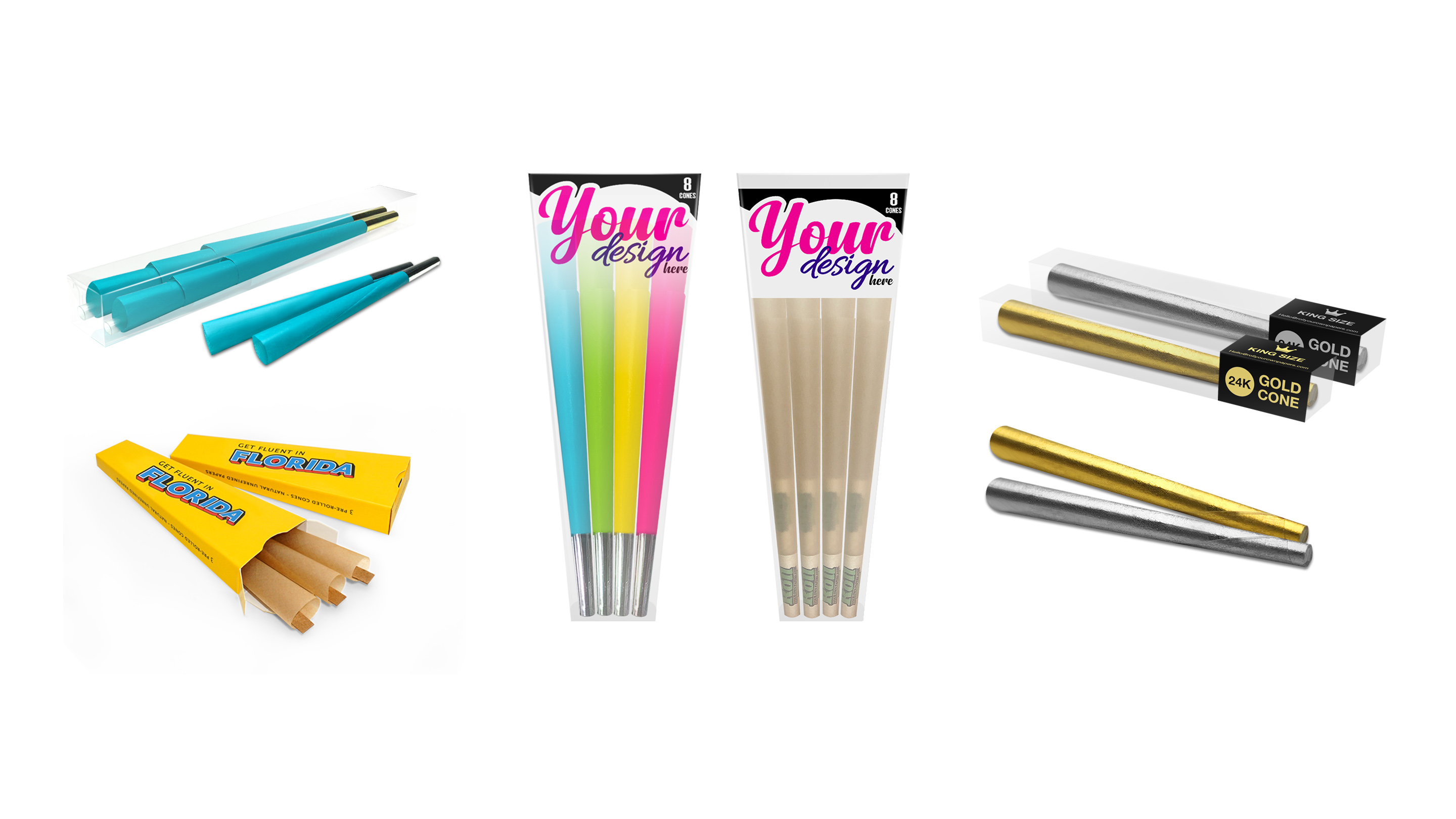
Custom Filter Tips offer several production advantages for automated systems. They feed more reliably through the Blackbird's mechanism, rarely jam, and allow for higher production speeds (typically 10-15% faster than glass tips). Modern filter tips made from unbleached, chlorine-free materials provide excellent filtration without introducing paper taste, and they're significantly lighter than glass, reducing shipping costs on bulk orders. The cost efficiency is substantial—quality filter tips run $0.03-0.05 per unit compared to $0.15-0.25 for glass tips, making them ideal for value and mid-tier product lines. 💵
However, Custom Glass Tips deliver an undeniably premium experience that justifies higher price points. Glass provides superior heat resistance, ensuring the last draws remain cool and flavorful even as the pre-roll burns down. There's zero paper taste, and glass tips are reusable, appealing to environmentally conscious consumers who appreciate the sustainability angle. The visual appeal is also significant—a beautifully designed custom glass tip with your logo etched or printed on it becomes a keepsake that customers save and show off to friends, creating organic word-of-mouth marketing.
Here's the strategic approach professional operators use: deploy filter tips for your standard product line where cost efficiency and production speed matter most, and reserve custom glass tips for premium offerings where the higher per-unit cost is absorbed into luxury pricing. Some innovative brands even offer both options for the same product at different price points, letting customers choose between a $10 standard version with a filter tip and a $15 premium version with a custom glass tip. This tiered approach maximizes market coverage while optimizing production efficiency. 🎯
The customization possibilities differ between types too. Filter tips accept rotary die-cutting for intricate designs, embossing for textured branding, and various color options including gradient effects. Glass tips can be frosted, colored, etched with fine detail, or even manufactured with embedded glitter or metallic accents. Your choice of consumables should align with your overall brand aesthetics and target demographic preferences. 🌟
⚙️ The 3-Step Setup Process Nobody Teaches You
The manufacturer's setup guide for the RollPros Blackbird covers the basics, but there's a professional-grade initialization process that reduces break-in problems and gets your machine producing quality units from day one. This three-step protocol was developed through thousands of hours of production floor experience and eliminates most of the frustrating "learning curve" issues new operators face. 🛠️
Step 1: Material Pre-Conditioning (30 minutes) – Before loading any Automated Pre-Roll Joint Rolling Machine Consumables (RollPros™ Blackbird Compatible) into your machine, allow them to acclimate to your production environment for at least 24 hours. Paper bobbins stored in different temperature or humidity conditions will behave unpredictably until they equilibrate. For optimal results, store consumables in your production room at 65-70°F with 40-50% relative humidity. Run your first bobbin through the machine without material (dry cycle) to ensure the paper path is clear, guides are properly aligned, and tension rollers are seated correctly. This dry run reveals mechanical issues before you waste premium materials discovering them. ✅
Step 2: Graduated Production Test (60 minutes) – Don't jump straight to full-speed production. Start with a batch of 25 units at 60% speed, carefully observing the paper feed, twist closure formation, and tip insertion. Check each completed unit for consistent density, straight alignment, and proper seal. Make micro-adjustments to tension, speed, and forming pressure based on these initial results. Then run 50 units at 80% speed, again checking quality metrics. Only after two successful test batches should you increase to full production speed. This graduated approach identifies optimal settings for your specific consumable combination and environmental conditions. 📊
Step 3: Documentation and Baseline Establishment (30 minutes) – This is the step everyone skips and everyone regrets skipping. Record your final optimal settings in a production log: tension dial position, speed setting, forming pressure, temperature, humidity, consumable lot numbers, and jam rate. Take photos of properly formed pre-rolls from multiple angles. This documentation becomes your baseline for troubleshooting future issues and training new operators. When you change consumable suppliers or paper types, you'll have reference points for adjusting settings rather than starting from scratch. Professional operations maintain detailed logs that reduce setup time for new production runs by 60-70%. 📝
🚫 How to Eliminate 90% of Paper Jams
Paper jams are the single biggest productivity killer for RollPros Blackbird operations, but here's the secret: most jams are completely preventable with proper consumable selection and machine maintenance. The industry average jam rate is 8-12%, but elite operators consistently maintain rates below 1% through systematic attention to root causes. 🎯
The first jam reduction strategy is bobbin quality verification. Not all Custom Rolling Paper Bobbins are created equal, and variations in core diameter, paper thickness consistency, and adhesive application can dramatically affect jam rates. Professional operators physically inspect new bobbin deliveries, measuring core diameter with calipers (should be 76mm ±0.5mm) and checking for visible defects like wrinkled edges or adhesive blobs. Rejecting substandard bobbins at receiving saves hours of production frustration later. 🔍
The second critical factor is paper path cleanliness. Dust, material residue, and adhesive buildup on guide rollers create friction points that catch paper edges and trigger jams. The maintenance schedule in your manual recommends weekly cleaning, but high-volume operations need daily attention to critical contact points. Use compressed air to clear dust from paper guides, wipe tension rollers with isopropyl alcohol-dampened microfiber cloths, and inspect the forming mechanism for material buildup. A 5-minute daily cleaning routine reduces jam rates by 40-60% compared to weekly maintenance schedules. 🧹
The third factor is environmental control. Paper is hygroscopic—it absorbs moisture from the air, which affects its stiffness and feeding characteristics. Humidity above 60% makes papers limp and prone to misfeeding, while humidity below 35% makes them brittle and prone to tearing. Installing a basic hygrometer and maintaining 40-50% relative humidity eliminates moisture-related jams almost entirely. Some operators report that adding a simple dehumidifier to their production room reduced jam rates from 15% to under 2% overnight. 💧
The fourth and often overlooked factor is loading technique. When installing a new bobbin of Automated Pre-Roll Joint Rolling Machine Consumables (RollPros™ Blackbird Compatible), ensure the paper unwinds from the bottom of the roll, not the top. Threading with proper tension—firm but not tight—prevents both slack-related misfeeds and excessive tension tears. The leading edge should be cut cleanly with scissors, not torn, as ragged edges catch on guides. Taking 30 extra seconds during bobbin changes to do it right prevents 20-minute jam-clearing sessions later. ✂️
📈 Custom Consumables ROI Calculator
Let's put hard numbers to the custom consumables decision because emotion and assumptions have no place in production economics. This ROI analysis is based on real-world data from operations running RollPros Blackbird machines at various production volumes. 💰
Standard Production Scenario (1,000 units/day):
Generic consumables cost: $0.12 per unit × 1,000 = $120/day
Premium Custom Rolling Paper Bobbins and tips cost: $0.20 per unit × 1,000 = $200/day
Additional daily cost: $80
However, factor in the hidden costs and benefits:
Generic jam rate (10%) × 1,000 units = 100 jams/day × 3 minutes = 300 minutes downtime
Premium jam rate (1%) × 1,000 units = 10 jams/day × 3 minutes = 30 minutes downtime
Time savings: 270 minutes (4.5 hours) of productive time regained 🕐
At 150 units/hour production capacity, 4.5 hours = 675 additional units produced
Wholesale value at $5/unit = $3,375 in recovered productivity
Minus the $80 additional consumable cost = $3,295 daily net benefit 💎
Add quality rejection rates:
Generic rejection rate (15%) × 1,000 units × $3 material cost = $450 in wasted materials
Premium rejection rate (4%) × 1,000 units × $3 material cost = $120 in wasted materials
Additional savings: $330/day in reduced waste ♻️
Add branding value:
Custom printed papers enable 20% price premium on $8 retail base = $1.60 additional revenue/unit
On 1,000 units = $1,600 additional daily revenue 📈
Total daily benefit of premium custom consumables: $3,295 productivity + $330 waste reduction + $1,600 pricing power = $5,225
Over a 260-day production year, that's $1,358,500 in additional value from an annual investment of just $20,800 in upgraded consumables. The ROI is 6,431%. This is why elite operators never compromise on consumable quality—the economics are overwhelming once you account for all factors. 🚀
🌿 Material Quality: What Actually Matters
The materials used in your Automated Pre-Roll Joint Rolling Machine Consumables (RollPros™ Blackbird Compatible) directly impact burn quality, taste, and customer satisfaction, but there's massive confusion about which specifications actually matter versus which are marketing hype. Let's separate science from sales pitch. 🔬
Paper Weight (GSM): Most operators obsess over whether papers are 12 GSM, 13 GSM, or 14 GSM, but here's the truth—what matters more is consistency within that weight range. A paper that varies between 12-15 GSM across the bobbin will cause feeding problems and uneven burns regardless of its average weight. Premium Custom Rolling Paper Bobbins maintain ±0.5 GSM consistency across entire production runs, while budget papers can vary by 2-3 GSM even within a single roll. Look for suppliers who provide mill certifications showing actual variance data, not just average weight claims. 📏
Material Source: "Organic hemp" and "rice paper" get thrown around as premium qualifiers, but the actual source matters less than processing quality. Hemp papers can be excellent or terrible depending on pulping methods and bleaching processes. The key specification is lignin content—papers with less than 5% lignin burn cleaner with less ash, regardless of whether they're made from hemp, flax, or wood pulp. Chemical residue testing is far more important than raw material marketing. Papers should be chlorine-free, heavy-metal-free, and residue-tested to confirm no processing chemicals remain. 🌱
Adhesive Composition: This is where cheap consumables reveal their true colors. The gum line that seals your pre-rolls should be natural arabic gum or similar plant-based adhesives, not synthetic polymers. Synthetic adhesives create harsh tastes when burned and can release unwanted compounds. The adhesive width matters too—lines that are too wide create hard spots that burn unevenly, while lines that are too narrow fail to seal properly. Quality papers use 1-2mm adhesive lines applied with precision coating equipment. You can test adhesive quality by burning just the gum line of a paper sample—natural adhesives burn clean with minimal smoke, while synthetics produce chemical odors. 🔥
Filter Tip Composition: For Custom Filter Tips, the critical specs are fiber content and bleaching method. Unbleached tips eliminate chlorine compounds entirely, though they may have a light tan color some brands avoid for aesthetic reasons. Oxygen-bleached tips achieve white color without chlorine chemistry, offering the best balance of appearance and purity. The tip diameter and firmness rating affect draw resistance—softer tips allow easier draws but may collapse under vigorous use, while firmer tips maintain structure but can feel too restrictive. Most professional applications use medium-firm tips (durometer rating 40-50) for optimal balance. 📐
Glass Tip Material: For Custom Glass Tips, borosilicate glass is the premium standard due to superior heat resistance and durability. Soda-lime glass is cheaper but more prone to thermal stress cracking. Wall thickness should be 1.5-2mm for durability without excessive weight. Surface finish matters significantly—high-polish tips are easier to clean and feel better on lips, while matte-finish tips resist showing fingerprints but may feel rougher. The internal bore diameter (typically 6-8mm) affects draw resistance and should match your target customer preferences. 🔮
🔧 Troubleshooting Common Blackbird Issues
Even with premium Automated Pre-Roll Joint Rolling Machine Consumables (RollPros™ Blackbird Compatible), production issues occasionally arise. Here's the professional troubleshooting guide based on thousands of operator hours and direct manufacturer consultation. These solutions resolve 95% of common problems without requiring service calls. 🛠️
Issue: Loose or Inconsistent Pre-Rolls
This is the most common complaint, and it's almost always a tension problem, not a machine defect. Check your bobbin tension first—it should provide moderate resistance when you pull the paper by hand, like unrolling a paper towel with one hand while holding the roll with the other. If tension is correct but pre-rolls are still loose, increase the forming pressure incrementally in 0.1 increments until you achieve proper density. However, be careful—excessive forming pressure causes paper tears and material waste. The sweet spot produces pre-rolls that feel firm when gently squeezed but haven't compressed the material into hard, unevenly burning cylinders. Run test batches at each pressure setting to find your optimal balance. ⚖️
Issue: Tips Not Seating Properly
When Custom Filter Tips or Custom Glass Tips don't insert cleanly or sit crooked in finished pre-rolls, the problem is usually tip diameter mismatch or insertion mechanism alignment. First, verify your tips match the Blackbird's specifications—most models use 6mm diameter tips, but some configurations accommodate 7mm or 8mm. Using undersized tips allows wobble and crooked insertion, while oversized tips jam or tear papers. If tip diameter is correct, check the insertion guide for debris or damage. A bent guide will consistently produce crooked tips regardless of operator skill. Cleaning the insertion mechanism with compressed air and verifying alignment with a straight-edge often resolves the issue immediately. 🎯
Issue: Uneven Twist Closures
When the closed end of your pre-rolls looks messy or inconsistent, the twist mechanism timing is likely off. This can happen after extended production runs or if the machine was bumped during operation. The twist closure should rotate exactly 2.5 times to create a clean, professional finish. Too few rotations leave loose ends, while too many create bulky, over-twisted closures that look unprofessional. Access the twist timing adjustment (consult your manual for specific location on your model) and make micro-adjustments while running test units. You're looking for that perfect "candy wrapper" closure that's tight, neat, and consistent across all units. Document your optimal setting for future reference. 🍬
Issue: Excessive Material Spillage
If you're losing significant amounts of material during production, the problem is typically overfilling or improper paper wrapping. The Blackbird's fill mechanism should deliver precise portions, but variations in material consistency (moisture content, grind size, density) can cause the mechanism to dispense too much. Reduce the fill weight in small increments until spillage stops, then increase slightly to find the maximum fill that doesn't waste material. Also, verify your Custom Rolling Paper Bobbins are feeding smoothly without slack—loose paper doesn't form proper pockets for material containment, leading to spillage during the wrapping cycle. 📦
Issue: Adhesive Not Sealing
When papers aren't sealing properly, don't immediately blame your consumables. Check the moistening system first—if it's clogged or providing inconsistent moisture, even the best natural gum adhesives won't activate properly. The water reservoir should be cleaned weekly and filled with distilled water to prevent mineral buildup. The moistening pad should be damp but not dripping—excess water weakens papers and causes tears, while insufficient moisture fails to activate the adhesive. If the moistening system is functioning correctly and seals are still failing, then consider switching to premium Custom Rolling Paper Bobbins with higher-quality adhesive formulations. 💧
📊 Scaling Production Without Sacrificing Quality
Here's the final secret that separates hobbyist operations from professional production facilities: scaling up isn't just about running your RollPros Blackbird faster or longer—it's about systematizing every aspect of your workflow to maintain quality as volume increases. The consumables you choose play a critical role in this scaling process. 🚀
When you're producing 500 units per day, you can manually inspect every pre-roll, hand-adjust machine settings throughout the day, and tolerate the occasional jam or quality issue. At 5,000 units per day, that approach becomes impossible. This is where premium Automated Pre-Roll Joint Rolling Machine Consumables (RollPros™ Blackbird Compatible) become non-negotiable. The consistency they provide—in weight, thickness, adhesive application, and tip dimensions—eliminates the constant micro-adjustments that kill productivity at scale. 📈
Develop standardized operating procedures that cover every production step from consumable loading to finished product packaging. Document optimal machine settings for each combination of paper type and tip style you produce. Create changeover checklists that ensure operators don't miss critical adjustment steps when switching between product lines. Professional operations maintain setting cards posted at each machine showing exact dial positions, tension levels, and speed settings for each product SKU. This documentation transforms tribal knowledge into institutional knowledge, allowing any trained operator to achieve consistent results. 📋
Implement statistical process control for quality assurance. Rather than inspecting every unit, sample random pre-rolls at regular intervals and measure critical quality metrics: weight variance, length consistency, tip alignment, and twist closure quality. Plot these measurements on control charts to identify trends before they become problems. If you notice weight variance increasing over a production shift, you can proactively adjust fill settings rather than discovering 500 underweight units at end-of-day quality check. This data-driven approach to quality control is only possible with consistent consumables that provide predictable baseline performance. 📊
Establish supplier partnerships for consumable procurement. When you find Custom Rolling Paper Bobbins, Custom Filter Tips, and Custom Glass Tips that work perfectly with your setup, lock in long-term supply agreements. Consumable quality can vary between production batches, and switching suppliers to save a few dollars per case often costs thousands in lost productivity while you re-optimize settings for the new materials. Elite operations maintain vendor scorecards tracking quality metrics, delivery reliability, and technical support responsiveness, then commit to suppliers who consistently perform at the highest levels. 🤝
The final scaling secret is preventive maintenance scheduling. High-volume operations can't afford unplanned downtime, so implement a structured maintenance calendar that services machines during planned off-hours rather than waiting for failures. Replace wear components like tension rollers, guides, and forming pins on time-based schedules even if they haven't failed yet. Keep complete spare parts inventory for your specific Blackbird model and train operators on basic component replacement. An hour of planned maintenance on Sunday evening prevents eight hours of emergency downtime on Wednesday afternoon. ⚙️
🚀 Ready to Maximize Your RollPros Blackbird Performance?
Stop settling for inconsistent results and wasted materials! 💎 Upgrade to premium custom consumables designed specifically for automated pre-roll production excellence.
- ✔️ Reduce jam rates by 90% with precision-manufactured materials
- ✔️ Custom branding options with food-grade inks
- ✔️ Organic hemp papers with natural gum adhesives
- ✔️ Free consultation on optimal consumable selection
- ✔️ Bulk pricing available for high-volume operations
📦 Volume discounts available | 🚚 Fast worldwide shipping | 🌱 Sustainable materials




Leave a comment