
Rolling Accessories Business Ideas That Actually Profit in 2026

Rolling accessories business ideas span everything from launching a branded e-commerce store and curating monthly subscription boxes to building a white-label wholesale operation — or becoming the go-to promo-products vendor for festivals and events. The global rolling accessories market is on track to blow past $14.8 billion by 2028. And 2026? It's shaping up as a particularly smart time to jump in, thanks to easier sourcing, print-on-demand customization, and a consumer base that's fiercely loyal to niche lifestyle brands.
Here's the thing — most "business idea" listicles in this space recycle the same vague advice. "Start a brand." "Sell online." That's not a plan. That's a wish.
In this post, we're going way deeper. You'll get nine concrete business models, real startup cost ranges, margin expectations, and sourcing strategies you can act on this month. Whether you're a solo entrepreneur testing the waters or a brand manager sniffing out new revenue channels, consider this your playbook.
And honestly? This niche rewards people who move fast and brand smart. The products are lightweight, shippable worldwide, and carry margins that make most retail categories jealous. So let's break it all down.
Table of Contents
- Why Rolling Accessories Are a Smart Business Bet in 2026
- Idea 1: Custom Branded Rolling Paper Resale
- Idea 2: Monthly Subscription Boxes for Herbal Enthusiasts
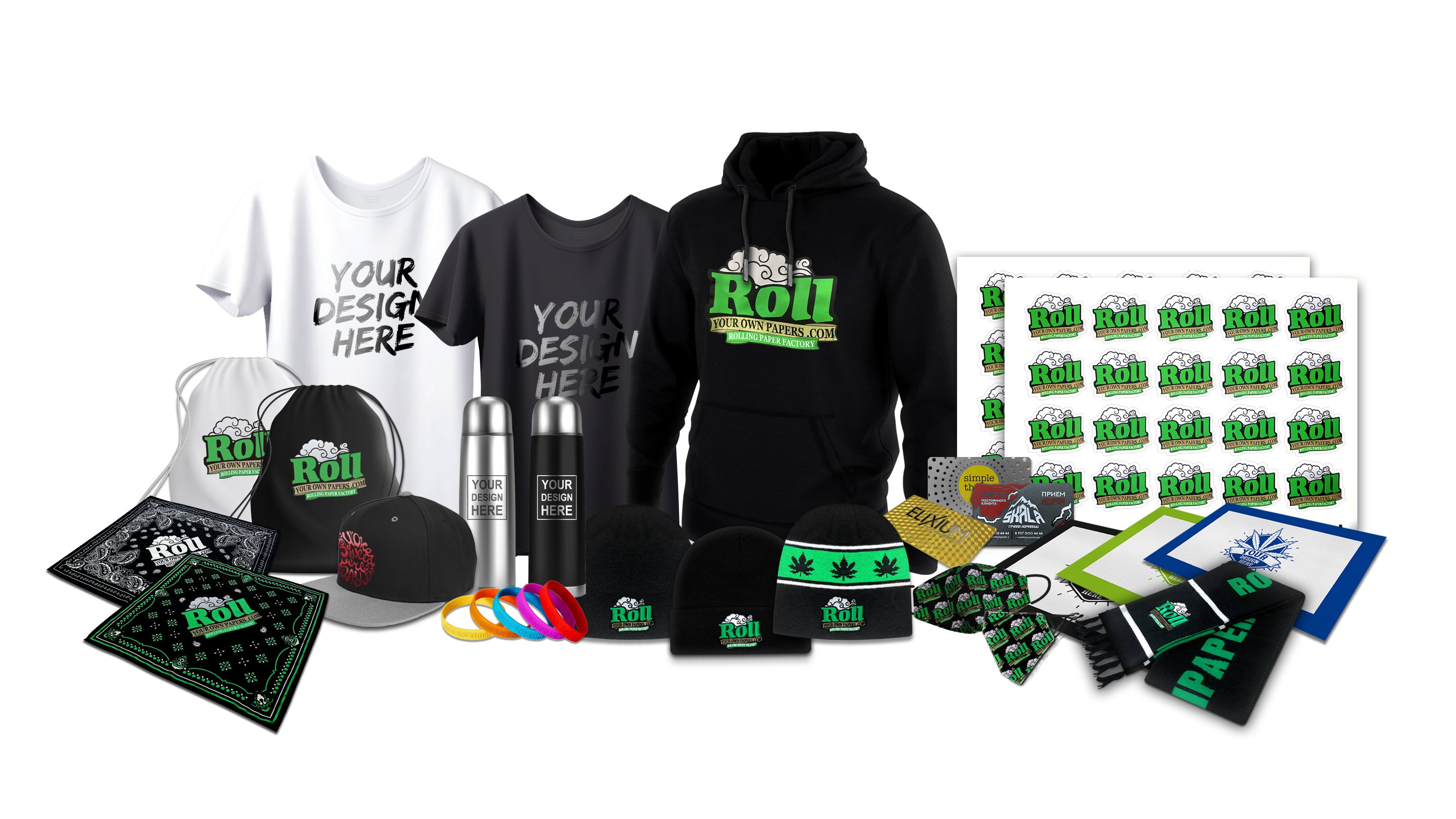
- Idea 3: Event & Festival Branded Merch Kits
- Idea 4: White-Label Wholesale Distribution
- Idea 5: Niche E-Commerce Store With Curated Bundles
- Idea 6: Corporate Gifting & Promotional Products
- Idea 7: Pop-Up Market Stalls & Mobile Retail
- Idea 8: Content-First Brand With Affiliate Revenue
- Idea 9: Pre-Roll Machine Consumables Supplier
- Startup Cost Comparison Table
- How to Source Products Without Getting Burned
- Marketing Strategies That Actually Work Right Now
- Common Mistakes That Sink New Accessories Brands
Why Rolling Accessories Are a Smart Business Bet in 2026
The short answer? High margins, low shipping weight, and a customer base that buys again and again. Rolling accessories aren't a one-and-done purchase. They're consumable, collectible, and deeply tied to personal identity. That combination creates a retention engine most product categories can only dream about.
Now consider the numbers. Industry surveys show that over 67% of herbal accessory consumers buy rolling-related products at least once a month. Average order value for bundled accessory kits sits around $28–$45 on the B2C side — and $300–$2,000+ for B2B wholesale. And because most of these products — papers, cones, filter tips, matchbooks — are compact and light, shipping costs eat less into your margins than nearly any other physical product category.
There's a cultural tailwind too. The dry herbal lifestyle has gone mainstream. It's not counterculture anymore — it's a legitimate lifestyle vertical with influencers, design-forward brands, and consumers who genuinely care about aesthetics, sustainability, and brand story. If you're thinking about entering this space, you're not early... but you're definitely not late either. Demand is validated. New entrants can still carve out meaningful share.
What Makes 2026 Different From Previous Years?
Three factors really stand out. First, print-on-demand and low-MOQ custom manufacturing have made it possible to launch a branded product line with as few as 100 units. Just five years ago? You'd need 10,000+ unit commitments. Second, platforms like Shopify, Faire, and TikTok Shop have dramatically lowered distribution barriers. Third — and this one's big — consumer demand for personalized and branded accessories has spiked hard. A recent retail trends report found that 73% of millennial and Gen Z buyers prefer products with custom branding or unique design elements over generic alternatives.
That said, not every business model works equally well. Let's get into the specifics.
Idea 1: Custom Branded Rolling Paper Resale
This is the most direct entry point. And it's more profitable than most people realize.
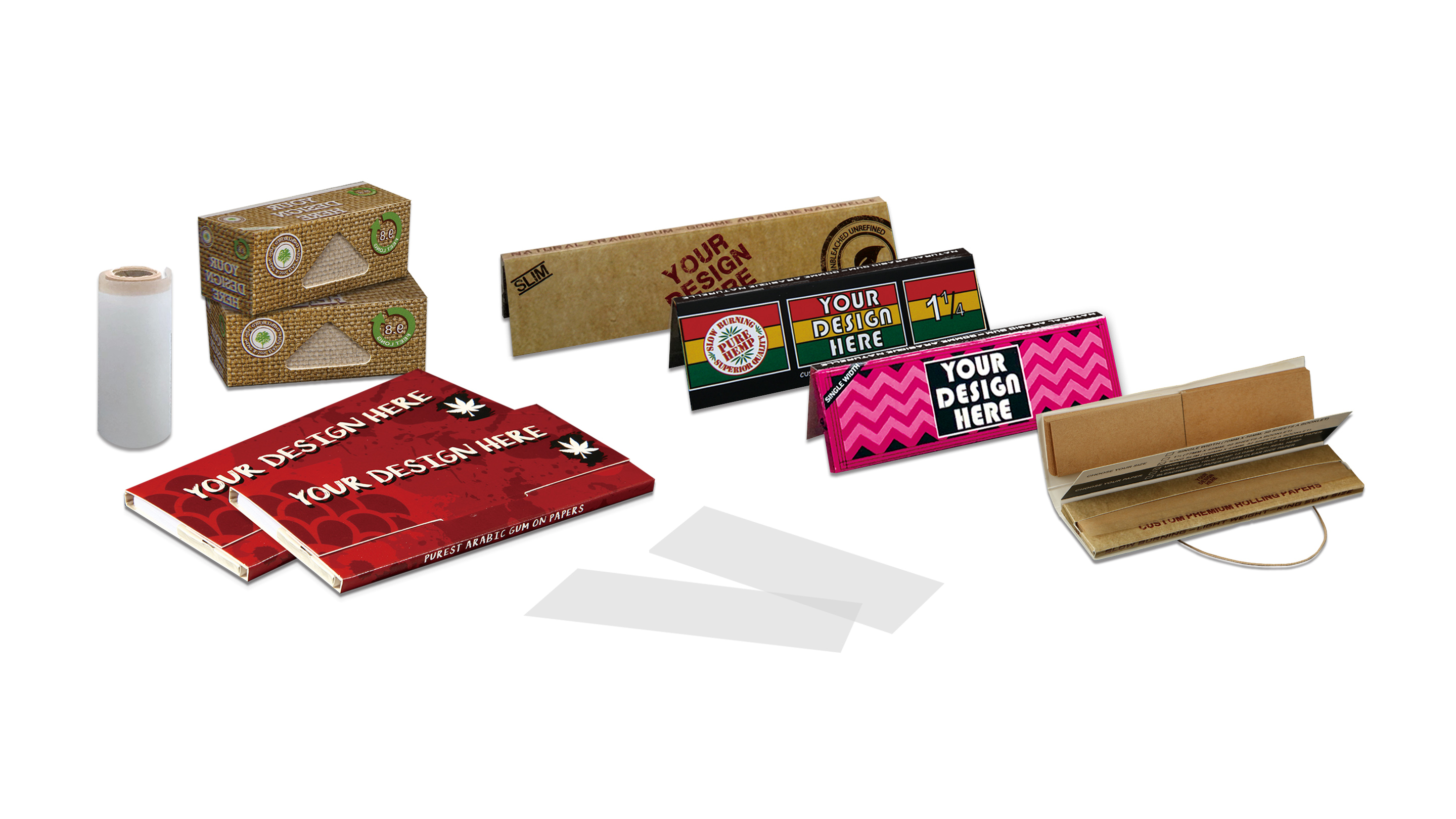
The model's simple: you design branded rolling papers with your logo, artwork, or tagline, then sell them direct-to-consumer through your own site, at retail locations, or at events.
Here's what most people miss — the margins on custom rolling papers are genuinely impressive. Your typical cost per booklet at wholesale quantities (1,000+ units) runs $0.80–$1.50. Retail pricing? $4.99 to $12.99, depending on branding, paper material, and packaging quality. That's a 5x to 10x markup — and it's standard in this market.
Who This Works Best For
Entrepreneurs who already have a brand identity — think streetwear labels, lifestyle influencers, music artists, or herbal product retailers looking to expand their SKU count. It's also a solid play for graphic designers who want to monetize their art on a functional product.
Pro Tip: Start With a Signature Pack
Don't launch with six SKUs. Launch with one signature booklet that tells a story. Limited edition packaging with bold artwork performs about 40% better than generic branded packs in initial sell-through — at least based on data from custom printing vendors. Build scarcity. Build demand. Then expand.
Idea 2: Monthly Subscription Boxes for Herbal Enthusiasts
Subscription boxes remain one of the stickiest business models in e-commerce. And the rolling accessories niche is practically tailor-made for them. Why? The products are consumable (papers, cones, filter tips), collectible (trays, grinders), and small enough to ship affordably in a flat-rate mailer.
A well-curated monthly box might include a booklet of custom rolling papers, a set of custom filter tips, a themed custom matchbooks design, and one rotating premium item — maybe a grinder one month, a rolling tray the next.
The Economics
Let's break it down. Say your product cost per box lands at $8–$12, and you charge $29.99/month with a $5.99 flat shipping fee absorbed into the price. Your gross margin per subscriber? Roughly $13–$17. At just 200 subscribers, you're clearing $2,600–$3,400 a month in gross profit.
And here's the kicker — subscription churn in niche lifestyle categories averages 8–12% monthly. That means loyal customers stick around 8–12 months on average. We're talking $104–$204 in lifetime value per subscriber before upsells even enter the picture.
How to Differentiate
The boxes that fail are the ones that feel random. The ones that thrive? They have a clear theme each month — seasonal designs, artist collaborations, regional botanical culture spotlights. Give people a reason to unbox it on camera. That's free marketing right there.
Idea 3: Event & Festival Branded Merch Kits
Event planners — this one's for you. Branded rolling accessory kits have quietly become one of the hottest promotional giveaways at music festivals, brand activations, launch parties, and trade shows. And the reason is obvious: they're useful, memorable, and ridiculously photogenic.
A typical event kit might include branded papers, a custom lighter, a small pack of filter tips, and a matchbook — all tucked into a printed pouch or tin. Total cost per kit at volume? Around $3.50–$7.00, depending on components and order size. Compare that to the $2–$5 cost of a generic branded pen that ends up in a landfill. The value proposition practically sells itself.
Why Event Organizers Love This
Over 61% of event marketing professionals say that functional, lifestyle-aligned giveaways generate measurably higher social media engagement than traditional branded swag. Rolling accessory kits check every box: they're on-brand for lifestyle events, they photograph beautifully, and recipients actually keep them.
If you're building a business around this model, your clients are event agencies, festival promoters, brand activation firms, and corporate marketing departments. The sales cycle is longer — 4–8 weeks from inquiry to order — but average order values are substantial. We're talking $2,000–$15,000 per event.
Idea 4: White-Label Wholesale Distribution
Here's a business model that doesn't require you to build a consumer brand at all. White-label distribution means you source high-quality rolling accessories — papers, cones, grinders, trays — and offer them to retailers, dispensaries, lounges, and online stores under their own branding.
You become the behind-the-scenes supplier. Your clients handle marketing and retail. You handle fulfillment, quality control, and customization. It's less glamorous than a DTC brand, sure. But the revenue can be significantly more predictable.
How It Works in Practice
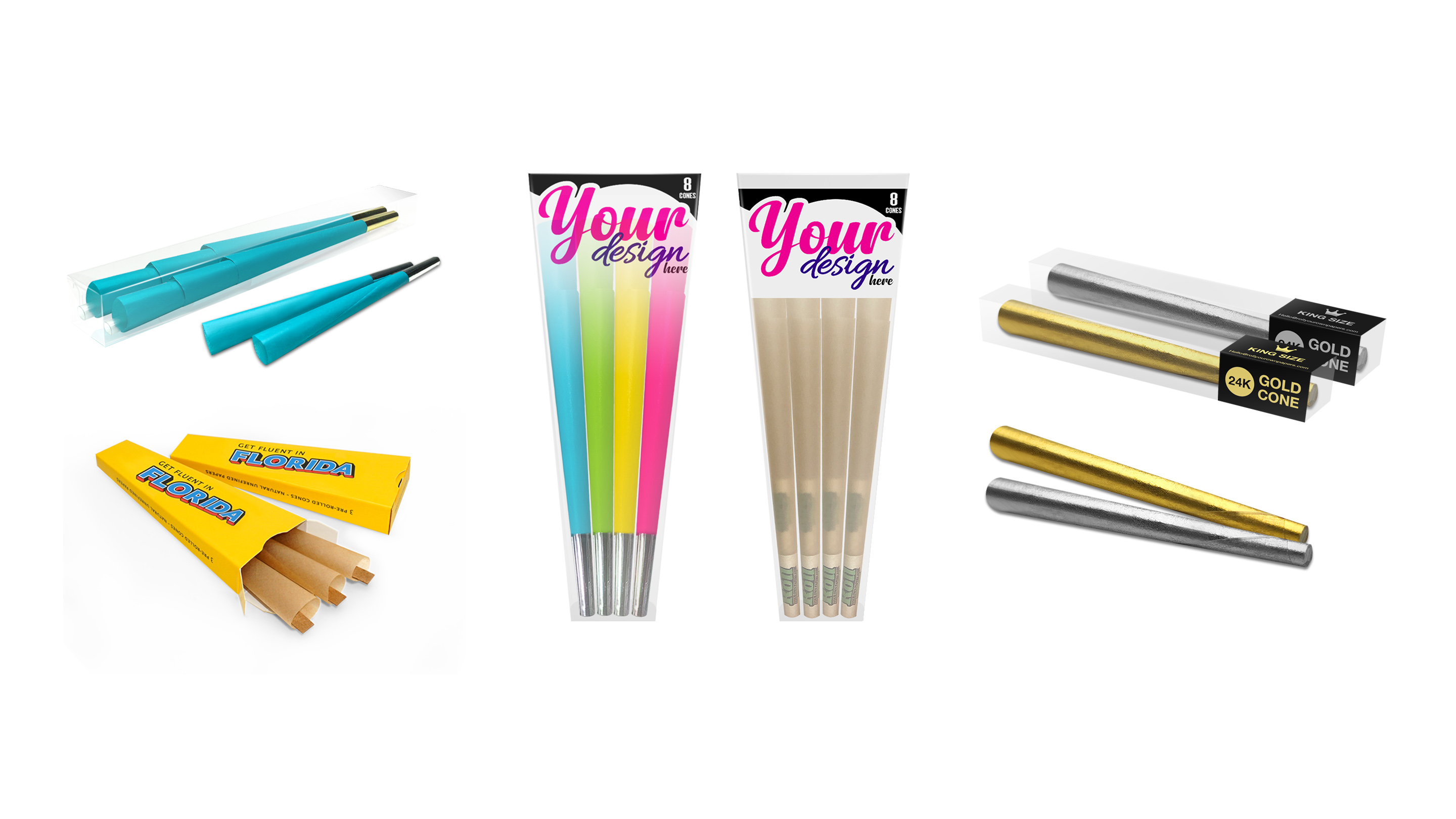
You'd partner with a manufacturer that offers low-MOQ custom printing — like RYOP, which can produce custom pre-rolled cones and branded papers at quantities starting from just a few hundred units. You take orders from your retail clients, submit the custom artwork, and either drop-ship directly or warehouse small batches. Your margin sits in the spread between your wholesale cost and what you charge retailers — typically 30–50%.
Scaling Strategy
Start with 5–10 retail accounts. Offer free design mockups to lower the barrier. Once you've proven reliability, expand through referrals and trade show networking. The businesses that scale fastest in white-label tend to focus on one product category first — say, custom papers only — then layer in cones, tips, and accessories as capacity grows.
Idea 5: Niche E-Commerce Store With Curated Bundles
Rather than competing with Amazon on individual SKUs, the smarter play is curating bundles that tell a story. Think "Starter Kit," "Travel Session Pack," "Artist Series Collection," or "Eco-Friendly Essentials Bundle."
Why does bundling work so well? Two reasons. First, it increases average order value — a $6 paper booklet becomes a $34 kit when paired with a grinder, tips, and a tray. Second, it creates a perception of expertise and curation. You're not just another store. You're a guide.
Recommended Bundle Combinations
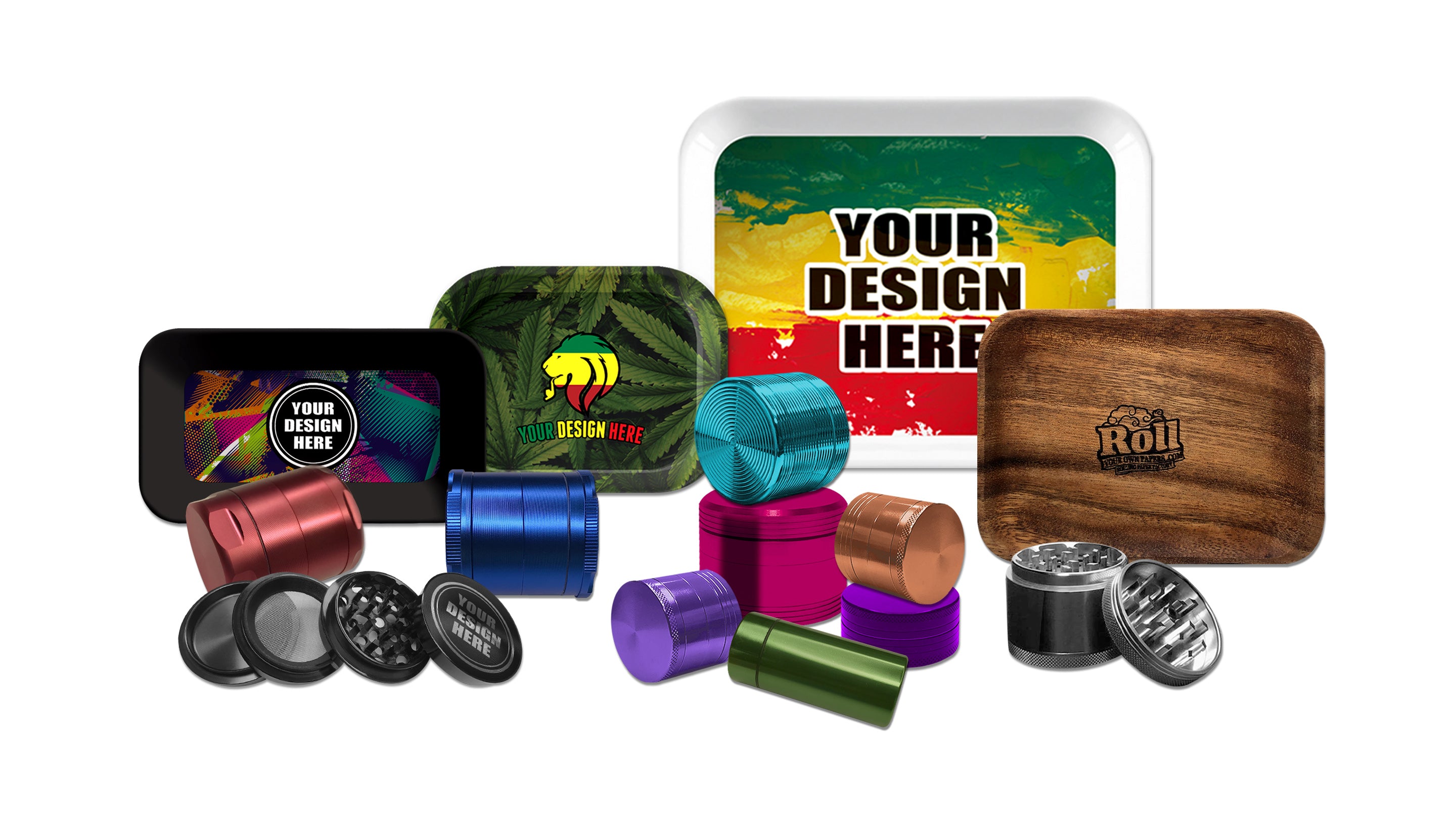
Here's a proven combo that consistently converts: one booklet of premium papers, one pack of glass or perforated filter tips, one compact herb grinders, and one premium rolling trays. Package it in a branded box with a card explaining each item. The unboxing experience matters more than you'd think — consumers consistently rate curated kits 4.5+ stars when the presentation feels intentional.
Fair warning though — bundling requires slightly more complex inventory management. You'll need to track component-level stock, not just kit-level stock. A Shopify app like Bundler or Bold Bundles can automate most of this.
Idea 6: Corporate Gifting & Promotional Products
This is the business idea nobody talks about. And it might be the most lucrative one on this entire list.
Corporate gifting is a $242 billion global industry, and companies are desperate for gifts that don't feel generic. Beautifully branded rolling accessories fit perfectly into the "unique lifestyle gift" category that corporate buyers crave.
Your clients in this model aren't end consumers. They're marketing directors, HR teams ordering employee appreciation gifts, and agencies assembling influencer PR packages. The products are the same — custom rolling papers, custom lighters, branded trays — but the positioning is completely different.
How to Position Yourself
Don't call yourself a "rolling paper company." Call yourself a "custom lifestyle accessories studio" or a "branded botanical accessories provider." Build a separate landing page — or even a separate brand entirely — that speaks corporate language: lead times, PMS color matching, bulk pricing tiers, sample programs. If you're a brand manager reading this, take note. The framing matters enormously when you're selling to B2B buyers who need to justify the purchase internally.
Lead Time Expectations
Most corporate gifting orders need 3–6 weeks from artwork approval to delivery. Rush orders (under 2 weeks) are possible but typically carry a 15–25% surcharge. Always build buffer time into your client communications — you'll thank yourself later.
Idea 7: Pop-Up Market Stalls & Mobile Retail
Pop-up retail is having a massive moment in 2026. Farmers markets, flea markets, art walks, music events, night markets — they're all viable venues for selling rolling accessories face-to-face. The overhead is minimal: a table, a display rack, a card reader, and your inventory.
But here's what makes this model especially interesting — the education component. You can explain paper materials (rice vs. unbleached pulp vs. natural fiber), demonstrate how different tip styles work, and let people actually touch the products. That tactile experience converts browsers into buyers at rates e-commerce simply can't match. Pop-up vendors in the accessories space report conversion rates of 25–40%, compared to a typical 2–4% online.
Startup Requirements
You'll need a vendor permit (varies by city, typically $50–$200 per event), an initial inventory investment of $500–$1,500, a portable display setup ($200–$400), and a mobile POS system. Total out-of-pocket to launch? Under $2,500 in most markets. And if you're testing products for an eventual online store, pop-ups give you invaluable real-time feedback on pricing, packaging, and product mix that no analytics dashboard can replicate.
Idea 8: Content-First Brand With Affiliate Revenue
Not every rolling accessories business needs to carry inventory on day one. A content-first approach means building an audience through educational or lifestyle content — blog posts, YouTube videos, TikTok tutorials, Instagram reels — and monetizing through affiliate partnerships, sponsored content, and eventually your own branded product line.
The rolling accessories space is surprisingly underserved when it comes to high-quality educational content. Topics like "how to choose the right paper weight," "best accessories for outdoor herbal sessions," and "rolling tray organization hacks" get meaningful search volume... but the content ranking for them is thin and low-effort. That's your opening.
Monetization Path
Start with affiliate revenue from accessory retailers (typical commissions: 8–15%). Once you've built an audience of 10,000+ followers or 5,000+ monthly site visitors, launch a branded accessory — even a single custom paper booklet with your logo. Your audience already trusts you. The conversion will surprise you.
Idea 9: Pre-Roll Machine Consumables Supplier
Here's an idea that's firmly B2B and wildly underexplored. Pre-roll production facilities burn through massive quantities of cones, tips, and packaging every single day. These facilities need reliable, consistent supply — and a lot of them are frustrated with vendors who deliver inconsistent quality or blow past lead times.
If you can position yourself as a dependable supplier of custom pre-rolled cones and filter tips at competitive wholesale pricing, you can build recurring B2B revenue that's far more stable than consumer sales. A single mid-size production facility might order 50,000–200,000 cones per month. Even at slim per-unit margins, that volume adds up fast.
How to Break In
Attend industry trade shows. Bring samples. Offer a free trial order of 1,000 units so facilities can test your product in their machines. Cone compatibility with automated filling equipment is non-negotiable — if your cones jam or tear, you'll lose the account instantly. Quality consistency is everything in this segment.
Startup Cost Comparison Table
Not all business models demand the same investment. Here's a realistic breakdown to help you pick the right entry point based on your budget and risk tolerance.
| Business Model | Startup Cost | Typical Gross Margin | Time to First Revenue | Best For |
|---|---|---|---|---|
| Custom Branded Paper Resale | $500–$2,000 | 60–80% | 2–4 weeks | Creatives, influencers |
| Subscription Box | $2,000–$5,000 | 45–60% | 4–8 weeks | E-commerce operators |
| Event Merch Kits | $1,000–$3,000 | 50–70% | 4–12 weeks | Event planners, agencies |
| White-Label Wholesale | $3,000–$10,000 | 30–50% | 6–12 weeks | B2B sales professionals |
| Niche E-Commerce Store | $1,500–$4,000 | 50–65% | 2–6 weeks | Digital marketers |
| Corporate Gifting | $1,000–$5,000 | 40–60% | 6–16 weeks | B2B relationship builders |
| Pop-Up Market Stalls | $500–$2,500 | 55–75% | 1–2 weeks | Local entrepreneurs |
| Content-First Brand | $200–$1,000 | Varies (affiliate) | 8–24 weeks | Content creators |
| Pre-Roll Consumables Supplier | $5,000–$20,000 | 20–35% | 8–16 weeks | Operations-focused founders |
Worth noting: these are estimates based on typical 2026 market conditions. Your actual costs will vary depending on location, order quantities, and whether you're handling fulfillment yourself or outsourcing it.
How to Source Products Without Getting Burned
Sourcing is where most new accessories businesses either build a rock-solid foundation — or create an expensive headache. Let's be real: there are a lot of mediocre suppliers out there promising low prices and then delivering inconsistent quality, missed deadlines, and radio silence when you need answers.
What to Look for in a Supplier
Prioritize these five factors, in this order:
1. Sample quality. Always order samples before committing to a bulk run. Check paper weight, print clarity, color accuracy, and packaging integrity. If a supplier won't send samples? That's a red flag the size of a billboard.
2. Minimum order quantities. For a startup, you need a supplier that offers MOQs under 1,000 units. RYOP, for example, offers custom printing on papers, cones, and accessories at quantities accessible to new brands — not just established enterprises ordering 100,000 units at a time.
3. Print capabilities. Full-color custom printing, edge-to-edge coverage, metallic foils, embossing — the more options available, the more differentiated your products can be. Ask specifically about Pantone color matching if brand consistency matters to you. And it should.
4. Lead times. Standard production for custom-printed rolling papers typically runs 2–4 weeks. Cones and accessories may take 3–5 weeks. Any supplier quoting under 7 days for custom work is either cutting corners or flat-out lying.
5. Communication responsiveness. Send a pre-order inquiry and time the response. If it takes more than 48 hours to hear back before they have your money, imagine how responsive they'll be after.
Domestic vs. Overseas Sourcing
Overseas manufacturers — primarily in China and India — offer lower per-unit costs but longer lead times (6–10 weeks), higher shipping costs, and quality control headaches. Domestic or near-shore suppliers cost more per unit but deliver faster turnaround, easier communication, and simpler returns.
For your first 3–5 orders, go domestic. Once you've validated demand and standardized your specs, you can explore overseas options for margin improvement.
Marketing Strategies That Actually Work Right Now
Having great products means nothing if nobody sees them. So here are the marketing channels delivering real ROI for rolling accessory businesses in 2026.
TikTok and Short-Form Video
No fluff here — short-form video is the single most effective organic marketing channel for rolling accessories right now. Product showcases, unboxings, tutorials, and "satisfying" compilation videos consistently generate strong engagement. One well-performing TikTok can drive more traffic than months of SEO work.
The key is consistency. Post 4–5 times per week and iterate based on what performs.
SEO and Blog Content
Search-driven content works best for high-intent buyers — people actively looking for products, comparisons, and recommendations. Target long-tail keywords like "best rolling accessories for beginners," "custom rolling papers for events," and "bulk pre-rolled cones wholesale." Each blog post should target one primary keyword and answer the searcher's question within the first two paragraphs. Sound familiar? That's exactly the strategy behind the post you're reading right now.
Email Marketing
Email is unglamorous. It's also the most profitable channel per dollar spent for most e-commerce accessories brands.
Build your list from day one — offer a 10% discount or a free accessory guide in exchange for signups. Send 2–3 emails per week: one educational, one promotional, one lifestyle or brand story. Accessory brands with active email programs report 25–40% of total revenue coming from email alone. Don't sleep on this channel.
Influencer Seeding
Send free product kits to 20–30 micro-influencers (5,000–50,000 followers) in the herbal lifestyle space. Don't demand posts. Just include a card that says "If you love it, share it — no pressure." About 30–40% will post organically. That's 6–12 authentic endorsements for the cost of product and shipping. At scale, this is probably the highest ROI awareness strategy available.
Common Mistakes That Sink New Accessories Brands
After looking at dozens of failed launches and struggling brands in this space, certain patterns keep showing up. Here are the mistakes that trip people up most often — and how to sidestep them.
Mistake 1: Launching Too Many SKUs
It's tempting to offer everything at once — papers, cones, tips, trays, grinders, lighters, matchbooks, stash jars. Don't do it. Start with 1–3 core products. Master sourcing, fulfillment, and marketing for those before you expand. Brands that launch with fewer than 5 SKUs are 2.3x more likely to survive their first year than those launching with 10+.
Mistake 2: Ignoring Packaging Design
Your packaging IS your product in this category.
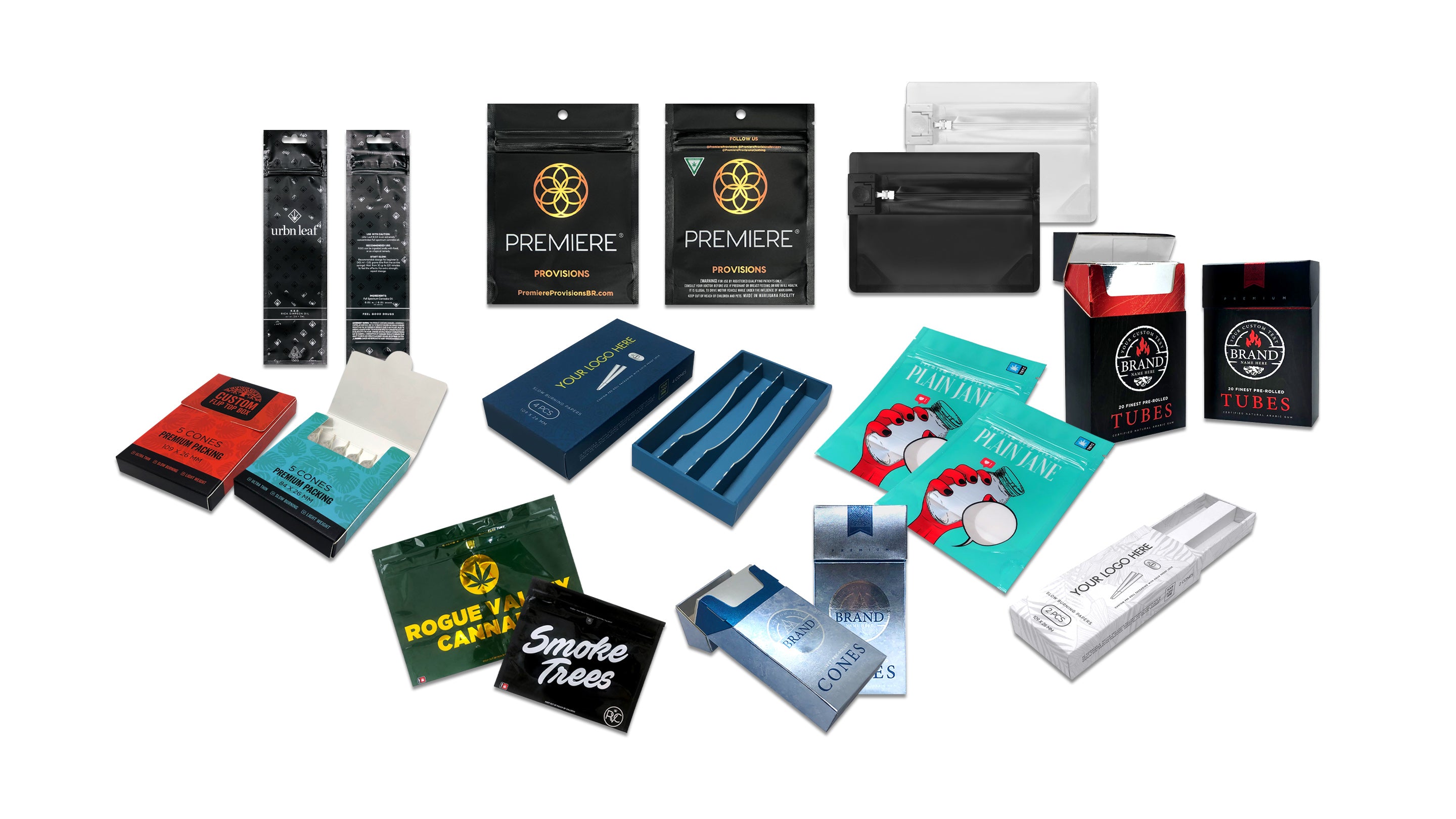
A beautifully designed booklet of papers in premium packaging sells at $9.99. The exact same paper in generic packaging sells at $3.99 — if it sells at all. Invest in design. It isn't an expense. It's your primary competitive advantage.
Mistake 3: Underpricing
New brands consistently price too low, thinking it'll drive volume. It doesn't — it signals low quality. Premium rolling accessories buyers expect to pay $6–$15 for a quality branded booklet. Price accordingly. Your margins need to sustain advertising, returns, and growth. At rock-bottom pricing, there's no room for any of that.
Mistake 4: No Reorder Strategy
Rolling papers and cones are consumable. Customers use them up. But surprisingly few brands have any systematic reorder trigger — no email sequences, no subscription option, no "replenish" button. Set up automated reorder reminders at 21, 30, and 45 days post-purchase. This single automation can increase repeat purchase rates by 35% or more.
Mistake 5: Trying to Serve Everyone
The accessories market is broad. Trying to appeal to everyone — budget-conscious students, luxury collectors, B2B wholesale buyers — dilutes your brand into nothing. Pick a lane. Own it. Expand later.
The most successful brands in 2026 are the ones with the tightest positioning, not the broadest catalog.
🔥 Find Your Perfect Rolling Accessories
Whether you're stocking up for personal use or ordering in bulk for your brand or event, RYOP has everything you need.
- ✔️ Premium quality products
- ✔️ Custom branding available
- ✔️ Bulk & wholesale pricing
- ✔️ Fast shipping worldwide
📦 Bulk orders available | 🚚 Fast shipping | 🌱 Eco-friendly options
Frequently Asked Questions
- What's the minimum order for custom branded rolling accessories? It depends on the product. Custom rolling papers typically start at MOQs as low as 100–250 booklets for short-run orders. Pre-rolled cones and grinders often start at 500+ units. For corporate or event orders, most suppliers offer tiered pricing that rewards larger quantities with lower per-unit costs.
- How long does it take to receive a custom order? Standard production and shipping for custom-printed papers and cones runs 2–5 weeks from artwork approval. Rush options are often available for an additional fee, typically cutting lead times to 7–10 business days. Always confirm timelines before placing your order, especially for event deadlines.
- Can I order a sample before committing to a bulk run? Yes — and you absolutely should. Reputable suppliers offer sample packs or proof prints so you can verify paper quality, print accuracy, and packaging before scaling up. At RYOP, sample requests are a standard part of the ordering process.
- Do you offer eco-friendly or sustainable rolling accessories? Absolutely. Unbleached papers, soy-based inks, recycled packaging, and natural fiber materials are all available. Eco-conscious products are among the fastest-growing segments in the accessories market, with over 58% of consumers indicating they


Leave a comment