
Rolling Paper Branding for Music Festivals: What Actually Works

Rolling paper branding for music festivals might just be the highest-ROI guerrilla marketing move you can make in 2026. Custom-printed papers — the kind featuring your logo, artwork, or event-specific design — travel from hand to hand all weekend long. They generate hundreds of organic brand impressions per unit. No paid ads required. They're lightweight, surprisingly affordable at scale, and genuinely useful to the people receiving them.
Here's what most folks miss, though: the festival merch landscape has shifted dramatically. Attendees are drowning in cheap sunglasses, foam koozies, and forgettable stickers. Rolling accessories stand out precisely because they're consumable and personal. They don't end up in a landfill the next morning — they end up in someone's pocket, their tent, their post-festival Instagram story.
And that's the magic.
Whether you're a brand manager looking to activate at a major festival or an event organizer building a merch line for your own show, this post breaks down exactly what works, what doesn't, and how to execute rolling paper branding that people actually remember. No fluff — just actionable strategy from years of producing custom orders for festivals of every size.
Table of Contents
- Why Music Festivals Are the Perfect Stage for Rolling Paper Branding
- What Makes Festival-Branded Papers Different From Standard Merch?
- Design Principles That Actually Pop at Festivals
- Planning Your Festival Rollout: Timeline, Lead Times, and Logistics
- 7 Distribution Strategies That Maximize Brand Impressions
- Cost Breakdown: MOQs, Bulk Pricing, and What to Budget
- Working With Festival Organizers and Sponsors (B2B Playbook)
- Mistakes That Tank Your Festival Branding — And How to Avoid Them
- How to Actually Measure the Impact of Festival Paper Branding
- Frequently Asked Questions
Why Music Festivals Are the Perfect Stage for Rolling Paper Branding
The short answer? Festivals combine three things that make branded rolling papers wildly effective: a captive audience, extended dwell time, and a culture that values authenticity over polish.
Think about it for a second. A typical festival attendee spends 2–4 days on-site. That's not a 30-second ad impression — it's a multi-day experience where your branded accessory becomes woven into someone's weekend ritual. Industry surveys show over 72% of festival-goers keep branded items they receive on-site for at least two weeks after the event. Rolling papers outperform most promotional items here because they're not just kept — they're used over and over again.
And honestly? The math is pretty compelling. A single booklet of custom rolling papers contains anywhere from 24 to 50 leaves depending on the format. Each leaf is a brand impression. Every time the booklet gets opened, shared, or photographed, your logo shows up again. Multiply that across 1,000 or 5,000 booklets distributed over a weekend — you're looking at tens of thousands of impressions, all from an item that cost you pennies per unit at scale.
The Cultural Fit Factor
Let's be real — not every promotional item fits the vibe of a festival. Branded pens? Corporate energy. Tote bags? Fine, but forgettable. Rolling papers, though, signal something different entirely. They say: "We get you. We're part of this culture, not just advertising at it."
That alignment between product and audience is what separates effective branding from noise.
Festival culture in 2026 continues to lean hard into individuality, sustainability, and experience-first consumption. Branded rolling accessories sit right at that intersection. They're personal. They're functional. And when designed well — they're genuinely beautiful objects that people want to hold onto.
What Makes Festival-Branded Papers Different From Standard Merch?
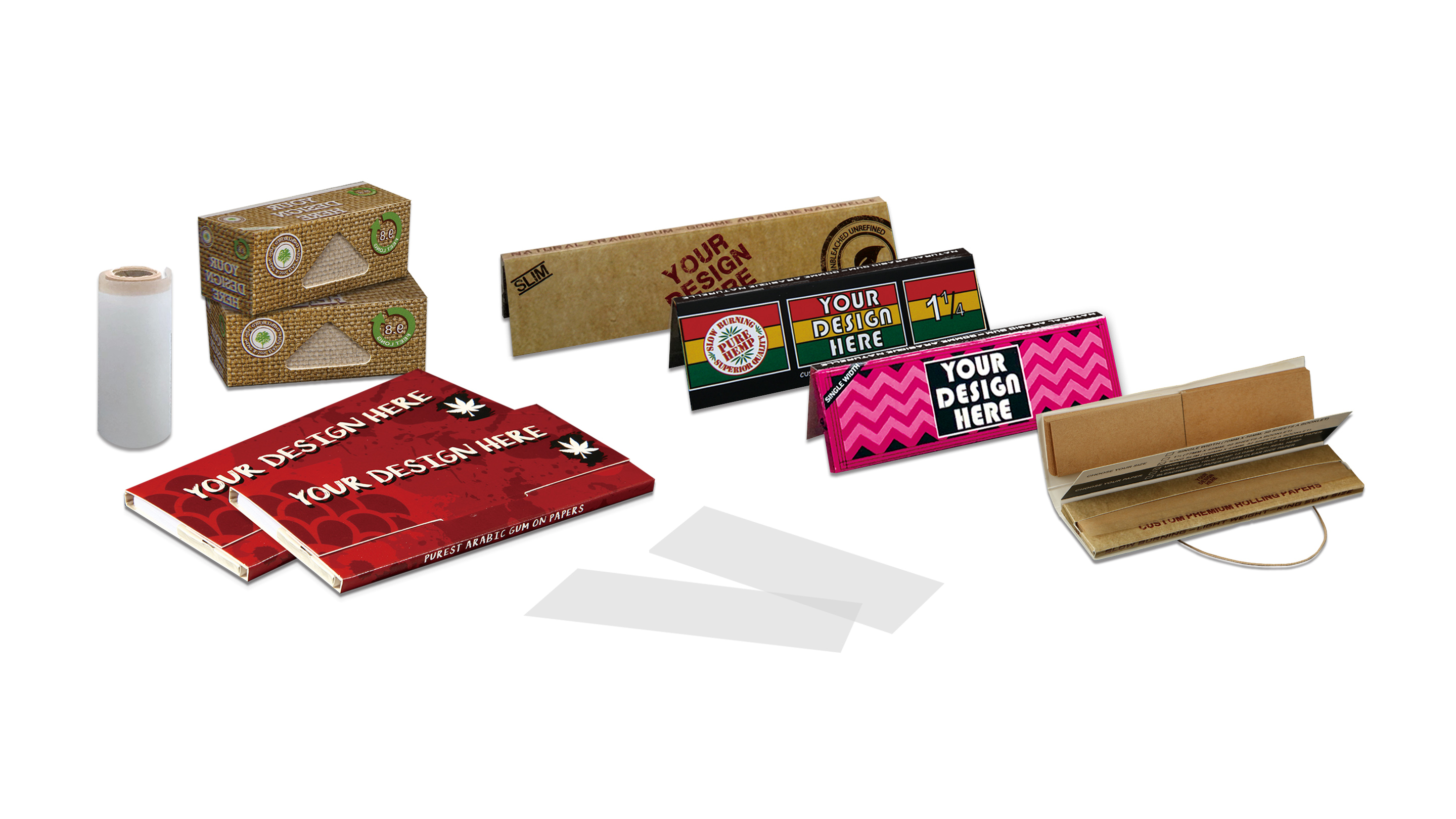
Festival-branded rolling papers aren't just a logo slapped on a booklet. The best ones are purpose-built for the environment they'll live in. Here's what separates a forgettable giveaway from something people actually talk about.
They're Designed for Discovery
Standard promotional papers might ship in a plain box. That doesn't cut it at festivals. Festival papers need to be discovered — in a swag bag, at a brand activation booth, tucked into a welcome kit, or handed out by street teams. That means the outer packaging needs to grab attention in under two seconds. Bold color. Unusual texture. A QR code that leads somewhere fun. The booklet itself is the medium, but the moment of discovery? That's the message.
They're Built for Sharing
Festival attendees share everything. Food, blankets, stories — and yes, rolling accessories. A booklet with a striking design becomes a conversation starter between total strangers. About 61% of festival attendees say they've shared or received a branded item from someone they'd just met. Your branding rides along on that social connection.
That's powerful.
They Survive the Elements
Rain, dust, heat, backpack compression — festival conditions are rough on paper products. This is where material quality matters enormously. Cheap papers that tear in the package or arrive wrinkled undermine your brand instantly. You'll want papers with proper gummed edges and packaging that can handle being tossed into a bag for three days straight. Fair warning — going with the cheapest supplier to save a fraction of a cent per unit almost always backfires in festival environments.
Design Principles That Actually Pop at Festivals
Design is where festival rolling paper branding lives or dies. You've got roughly 3 × 1.5 inches of printable space on a standard single-wide paper, and about 4 × 2.5 inches on a king-size. The booklet cover adds another canvas. So how do you use that space well?
Go Bold or Go Subtle — But Pick One
The worst festival paper designs are the ones that try to be both understated and eye-catching. They end up being neither. If your brand is playful and loud, lean into neon colors, oversized typography, and patterns that feel almost psychedelic. If your brand skews more premium or minimalist, go the other direction — matte black packaging, debossed logos, metallic foil accents.
Both approaches work. The mushy middle doesn't.
Use the Paper Itself Wisely
Some brands print on every single leaf. Others leave the papers clean and focus all branding on the booklet cover and inner flap. Here's the thing — both strategies have merit, but your audience cares about quality first. If you're printing on the leaf itself, make sure the inks are food-grade and don't mess with taste or burn quality. Nothing kills brand perception faster than a paper that tastes off.
Color Psychology for Festivals
| Festival Vibe | Recommended Color Palette | Design Style | Best For |
|---|---|---|---|
| Electronic / EDM | Neon green, electric blue, UV-reactive | Geometric, futuristic | Brands targeting 18–28 demo |
| Indie / Folk | Earth tones, kraft brown, sage green | Handwritten, botanical illustrations | Eco-conscious brands |
| Hip-Hop / Urban | Black, gold, deep purple | Bold typography, metallic accents | Premium positioning |
| Multi-Genre / General | White base with single accent color | Clean, logo-forward | Maximum brand recognition |
| Boutique / Craft | Pastel tones, hand-drawn elements | Artisan, limited-edition feel | Collectible merch lines |
Limited-Edition Drops Create Urgency
Here's a tactic that's gaining serious traction: releasing festival-specific, limited-edition paper designs that are only available during the event. Number them. Make 500 instead of 5,000. When people know an item is scarce, they treat it differently. It shifts from "free giveaway" to "collectible."
We've seen brands create entire series across a festival season — different artwork at each stop — and build a following of people who collect the full set. It works because it taps into something deeper than utility. It becomes about identity.
Planning Your Festival Rollout: Timeline, Lead Times, and Logistics
Timing is everything with festival branding. Miss your production window and you're scrambling — or worse, showing up empty-handed. Here's the realistic timeline you should work with.
The 12-Week Framework
Weeks 12–10 (3 months out): Finalize your design concept, confirm festival dates, and submit artwork. This is when you should be placing your order for custom rolling papers to give yourself breathing room for revisions.
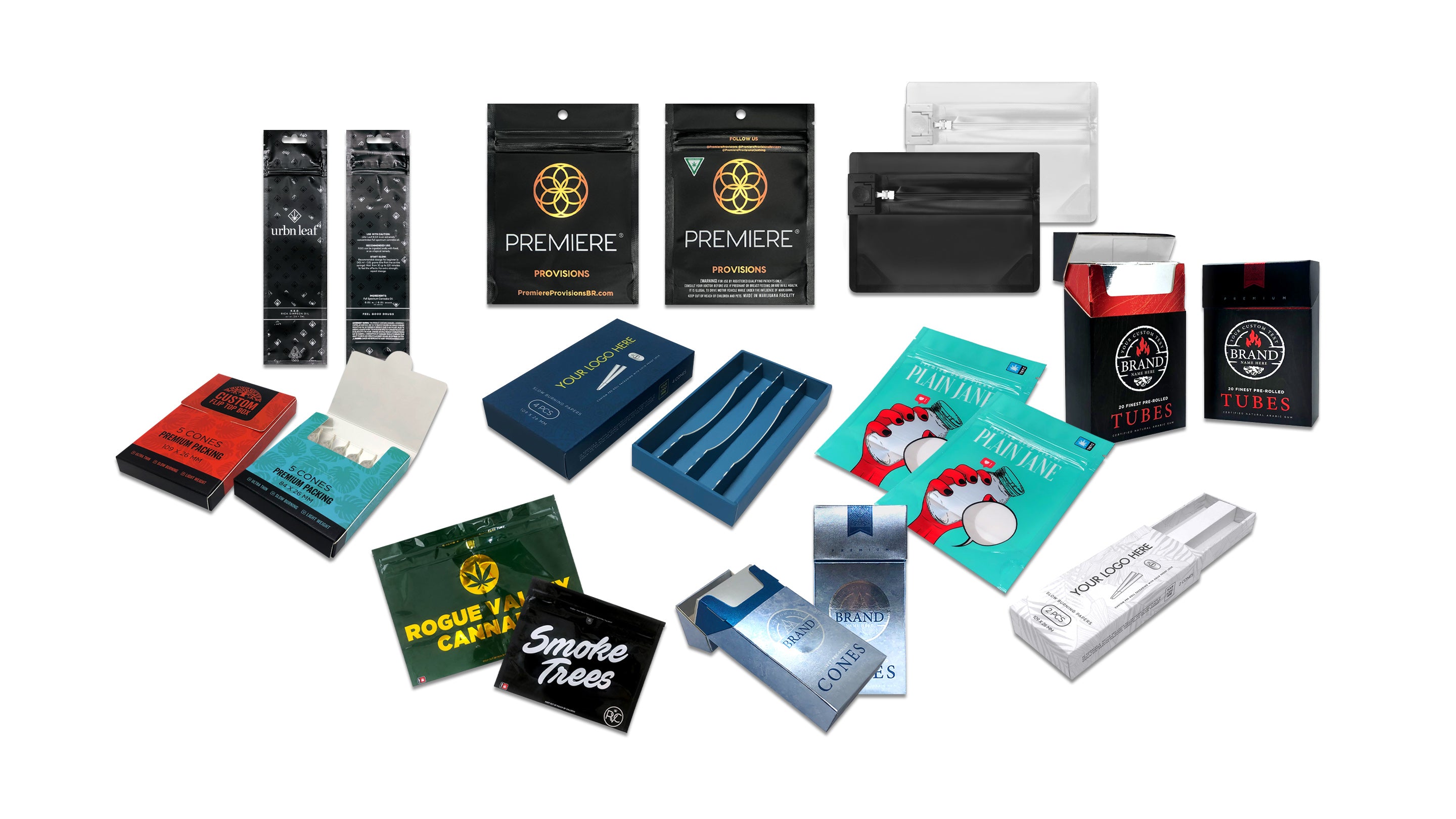
Weeks 9–7: Approve proofs, confirm quantities, and lock in your distribution strategy. If you're ordering custom packaging — foil stamping, custom booklet shapes, special closures — add an extra 1–2 weeks here.
Weeks 6–4: Production window. Most quality producers need 3–4 weeks for standard custom runs. Rush orders are sometimes doable, but they cost more and bump up the risk of quality issues.
Weeks 3–1: Shipping, warehousing, and pre-event logistics. If you're shipping to multiple festival sites, factor in freight timelines and on-site delivery coordination.
Week 0: Showtime. Have 10–15% extra inventory beyond what you think you'll need. Running out on Day 2 of a 3-day festival? That's a branding disaster.
What About Rush Orders?
They happen. Festival lineups change, sponsorship deals close late, and sometimes a brand decides to activate with only 4 weeks of lead time. Most producers can accommodate rush orders on standard formats with existing templates. But if you want fully custom packaging — think embossed booklets with foil and a custom insert — you'll need that full 12-week runway. Plan ahead when you can.
7 Distribution Strategies That Maximize Brand Impressions
Manufacturing great branded papers is only half the battle. How you get them into people's hands determines whether your investment pays off or ends up in a dumpster. Here are seven strategies that actually move the needle.
1. Welcome Kit Integration
Partner with the festival to include your branded booklet in every attendee welcome kit or wristband pickup bag. This guarantees one unit per attendee and positions your brand alongside the festival itself. It's the highest-reach play — but it requires a relationship with the organizer and typically a sponsorship fee.
2. Brand Activation Booth
Set up an experiential booth where attendees can interact with your brand and walk away with a branded booklet. But here's the key: don't just hand them out. Create a moment. A photo op, a game, a customization station where people pick their booklet design. Engagement drives recall — always.
3. Artist / Performer Gifting
This one's underrated. Supply branded rolling papers to artist green rooms and VIP areas. When a performer or DJ is seen with your branded booklet — even in the background of a backstage story — that's influencer-level exposure without the influencer price tag. Around 38% of festival brands that gift to artists report seeing organic social mentions as a result.
4. Street Team Drops
Deploy a team of brand ambassadors throughout the festival grounds. But here's what most people miss: timing matters more than volume. Distribute during set breaks, when attendees are walking between stages and actually have their hands free. Pushing papers during a headliner set? Nobody's paying attention.
5. Campground Seeding
For camping festivals, the campground is where the real community happens. Morning and evening — before and after the music — are your prime engagement windows. Leave branded booklets on car windshields in the lot. Tuck them into campsite welcome flags. Or set up a morning coffee-and-papers station. People remember those small, unexpected touches.
6. Merch Table Add-Ons
If you're a band, label, or festival brand, add branded rolling papers to your merch table as a low-cost add-on or a free-with-purchase bonus. A $1 add-on item that costs you $0.15 at bulk pricing? That's margin and marketing in one move.
7. Cross-Promotion With Food / Beverage Vendors
Partner with an on-site vendor — a coffee stand, a juice bar, a snack tent — to include a branded booklet with every purchase. The vendor gets added perceived value. You get distribution through a trusted touchpoint. Win-win.
Cost Breakdown: MOQs, Bulk Pricing, and What to Budget
Let's talk numbers. Event planners — this one's for you. Understanding the cost structure helps you plan smarter and negotiate better.
Typical MOQs for Festival Orders
Most custom rolling paper producers set their minimum order quantity (MOQ) between 1,000 and 5,000 booklets for a fully branded run. At RYOP, MOQs vary by product format and customization level. Standard single-wide booklets with full-color printing typically start at lower minimums than specialty formats like king-size with metallic foil packaging.
Price-Per-Unit at Scale
| Order Quantity | Estimated Cost Per Booklet | Total Investment | Best Use Case |
|---|---|---|---|
| 1,000 units | $0.45–$0.75 | $450–$750 | Small boutique festivals, single-day events |
| 5,000 units | $0.25–$0.50 | $1,250–$2,500 | Mid-size festivals, multi-day activations |
| 10,000 units | $0.18–$0.35 | $1,800–$3,500 | Major festivals, national tours |
| 25,000+ units | $0.12–$0.25 | $3,000–$6,250 | Festival season campaigns, multi-event rollouts |
Worth noting: those estimates include standard full-color printing on booklet covers with unprinted leaves. Upgrades like printed tips, foil stamping, spot UV coating, custom booklet shapes, or printed papers add to the per-unit cost. But even with premium finishes, you're looking at one of the most cost-effective branded items in the entire promotional products industry.
Budgeting Beyond Production
Don't forget the ancillary costs — shipping to the festival site, sponsorship fees for inclusion in welcome kits, street team labor, booth rental if applicable. A good rule of thumb: budget 30–40% on top of your production cost for distribution and logistics. So if you're spending $2,000 on 5,000 booklets, plan for around $2,600–$2,800 all-in.
Working With Festival Organizers and Sponsors (B2B Playbook)
If you're a brand manager reading this, you already know that festival activations aren't just about showing up with product. The real leverage comes from partnership-level integration with the festival itself.
How to Pitch Festival Organizers
Festival organizers are drowning in sponsorship pitches. Yours needs to be specific and value-forward. Don't lead with "we make custom papers." Lead with "we'll supply 10,000 premium branded booklets for your welcome kits at no cost to you, and we'll co-brand them with your festival artwork."
That's a value proposition. You're solving their problem — filling welcome kits with items attendees actually want — while getting your brand in front of every single ticket holder.
Co-Branding Opportunities
The most successful festival paper activations we've seen involve co-branding: your logo on one side of the booklet, the festival's artwork on the other. This turns the paper from a corporate giveaway into festival memorabilia. People keep memorabilia. They throw away ads.
About 67% of co-branded festival items are kept by attendees for 30+ days, compared to roughly 23% for single-brand promotional items. That gap tells you everything you need to know.
Sponsorship Tier Integration
Many festivals offer tiered sponsorship packages. Rolling paper branding fits naturally into mid-tier packages that include on-site activation rights, welcome kit inclusion, and logo placement on festival materials. If you're negotiating a sponsorship deal, suggest rolling papers as your branded contribution — it's unique enough to differentiate your activation from every other sponsor handing out the same old promotional items.
Multi-Event Deals
Here's where B2B buyers really win. If you're activating across multiple festivals in a season, negotiate a single production run that covers all events. You'll hit higher quantity tiers — meaning lower per-unit cost — and maintain brand consistency throughout. Just vary the packaging slightly: different festival name, date, and city on each run, while keeping your core design elements intact.
Mistakes That Tank Your Festival Branding — And How to Avoid Them
We've seen hundreds of festival branding projects. Here are the errors that come up again and again.
Mistake #1: Ordering the Wrong Paper Size
King-size papers are popular, but they're not universal. If your audience skews younger or you're at a day festival, single-wide booklets are often more practical. They fit in pockets more easily, cost less per unit, and get used faster — which means your brand gets repeated exposure sooner. Know your audience before locking in format.
Mistake #2: Skipping the Proof Stage
Color on screen looks different than color on paper. Always — always — request a physical proof before approving a festival run. A neon green that looks electric on your monitor might print as a muddy lime on unbleached paper stock. This is especially critical when matching brand Pantone colors.
Proof it or risk it.
Mistake #3: Underestimating Quantity
Running out of branded product midway through a festival is worse than not having it at all. It creates a negative impression: "Oh, they ran out already." Order 15–20% more than your projected distribution number. The surplus becomes future inventory for smaller events, retail giveaways, or social media contests.
Mistake #4: Ignoring Regulatory Requirements
Different festivals have different rules about what can be distributed on-site. Some require pre-approval of all promotional materials. Others restrict distribution to designated areas only. Check with the festival's vendor relations team well in advance. Getting your team kicked off-site for unauthorized distribution is a costly — and embarrassing — mistake.
Mistake #5: Treating Papers as an Afterthought
The brands that crush festival activations treat their custom rolling papers as a hero product, not filler. They invest in design. They plan distribution with military precision. And they integrate the papers into a broader campaign — social media, on-site signage, QR codes that link to exclusive content. Rolling papers work best as the centerpiece, not the garnish.
How to Actually Measure the Impact of Festival Paper Branding
Here's the question every CMO asks: "What's the ROI?" And honestly, it's a fair one. But you've gotta measure the right things.
Direct Metrics
Units distributed: Track this precisely. Count how many booklets your team gives out each day. If you're in welcome kits, the festival can usually provide exact pickup numbers.
QR code scans: Print a unique QR code on each festival's booklet that links to a landing page, discount code, or content hub. Track scan rates by event, day, and time. Average QR scan rates on festival promotional items hover around 3–7%, but well-designed papers with compelling calls to action can hit 12–15%.
Social mentions: Create a festival-specific hashtag and monitor it. Encourage attendees to share photos of the branded booklet for a chance to win extra merch. User-generated content from festivals has 4x the engagement rate of brand-generated content.
Indirect Metrics
Brand search volume: Monitor Google Trends and your branded search terms in the 2–4 weeks following a festival. A noticeable spike usually correlates with successful on-site activation.
Website traffic: Tag your festival landing page URLs and watch for traffic spikes during and after the event.
Retail velocity: If you sell through retail or online, track whether sales increase in the geographic regions where you activated. It's the hardest metric to isolate — but directional data is still valuable.
Cost Per Impression Math
Let's run a quick example. You distribute 5,000 booklets at a festival. Each booklet has 32 leaves. That's 160,000 individual paper uses. Even if each paper is only seen by 2 people — the user and one nearby person — you're at 320,000 impressions. At a total cost of $2,800 (production + distribution), your cost per impression lands under $0.009.
Compare that to the $5–$15 CPM you'd pay for digital festival advertising. The economics are genuinely compelling.
But here's the thing — the real value isn't in the raw impression number. It's in the quality of that impression. Someone holding your branded paper during one of the best weekends of their year creates a positive emotional association that no banner ad can replicate. That's the piece you can't easily put a number on... but it's exactly the piece that drives long-term brand loyalty.
So if you're planning your festival strategy for the rest of 2026 and beyond, rolling paper branding deserves a serious look. It's tangible, it's personal, it's culturally aligned — and the unit economics make it one of the most efficient brand-building tools in the experiential marketing toolkit.
🔥 Shop Custom Rolling Papers at RYOP
Get premium custom rolling papers for your brand, event, or personal use. Bulk pricing available.
- ✔️ Premium quality
- ✔️ Custom branding available
- ✔️ Bulk & wholesale pricing
- ✔️ Fast shipping worldwide
📦 Bulk orders available | 🚚 Fast shipping | 🌱 Eco-friendly options
Frequently Asked Questions
- What's the minimum order quantity for festival-branded rolling papers? Most fully custom runs start at 1,000 booklets, though this can vary based on the level of customization you need. Standard full-color printing on booklet covers is available at lower MOQs, while specialty finishes like metallic foil or embossing may require higher quantities to be cost-effective. Contact RYOP directly for a quote tailored to your specific festival needs.
- How long does it take to produce custom rolling papers for a festival? Plan on a 12-week timeline from initial design concept to delivery. Standard production takes 3–4 weeks once artwork is finalized and approved. Add time for design revisions, proof approval, and shipping logistics. Rush orders with shorter turnaround are sometimes possible for standard formats, but premium customizations need the full lead time.
- Can I see a physical sample before placing a large festival order? Absolutely. Requesting a proof or sample before committing to a large run is strongly recommended — especially when matching specific brand colors or testing paper quality. A physical proof ensures the colors, texture, and overall feel meet your expectations before thousands of units go into production.
- Do you offer eco-friendly rolling paper options for sustainability-focused festivals? Yes. Unbleached, sustainably sourced paper options are available and increasingly popular with festival brands in 2026. Many festival organizers now require that promotional items meet basic sustainability criteria, so eco-friendly papers help you align with event guidelines while appealing to environmentally conscious attendees.
- What's the best paper size for festival giveaways? It depends on your audience and budget. Single-wide booklets are more compact, pocket-friendly, and cost-effective at high volumes — ideal for mass distribution at large festivals. King-size booklets feel more premium and work well for VIP gifting or smaller boutique events. Many brands order a mix of both sizes for different distribution channels at the same festival.
- Can I print my logo directly on each individual paper leaf? Yes, printing on individual leaves is possible using food-grade, flavorless inks that don't compromise the rolling or burning experience. However, many brands choose to keep the leaves unprinted and focus all branding on the booklet cover, inner flap, and packaging. Both approaches are effective — it's a matter of brand preference and budget.
- How do I distribute branded rolling papers at a festival without violating event rules? Always coordinate with the festival's vendor relations or sponsorship team before the event. Many festivals require pre-approval of all promotional items distributed on-site and may restrict giveaways to designated brand activation zones. Submitting your product samples and distribution plan 4–6 weeks ahead of the event is best practice to avoid any compliance issues on the ground.


Leave a comment