

What Are Rolling Paper Cones? The Ultimate Guide to Pre-Rolled Perfection

📑 Table of Contents
- What Are Rolling Paper Cones? (The Basics)
- The Anatomy of a Cone 🔍
- Materials Used in Cone Manufacturing
- Types and Sizes of Cones 📏
- Cones vs. Traditional Rolling Papers 🥊
- How to Use Rolling Paper Cones Like a Pro 🎯
- Common Mistakes to Avoid ⚠️
- What to Look for When Buying Cones 🛒
- Storage and Shelf Life Tips 📦
- The Future of Cone Technology 🚀
- Frequently Asked Questions ❓
What Are Rolling Paper Cones? (The Basics) 🎓
If you've ever struggled with rolling a perfect cylinder or watched your handiwork unravel at the worst possible moment, you're not alone. Enter rolling paper cones — the game-changer that's revolutionizing how people enjoy their herbs and blends.
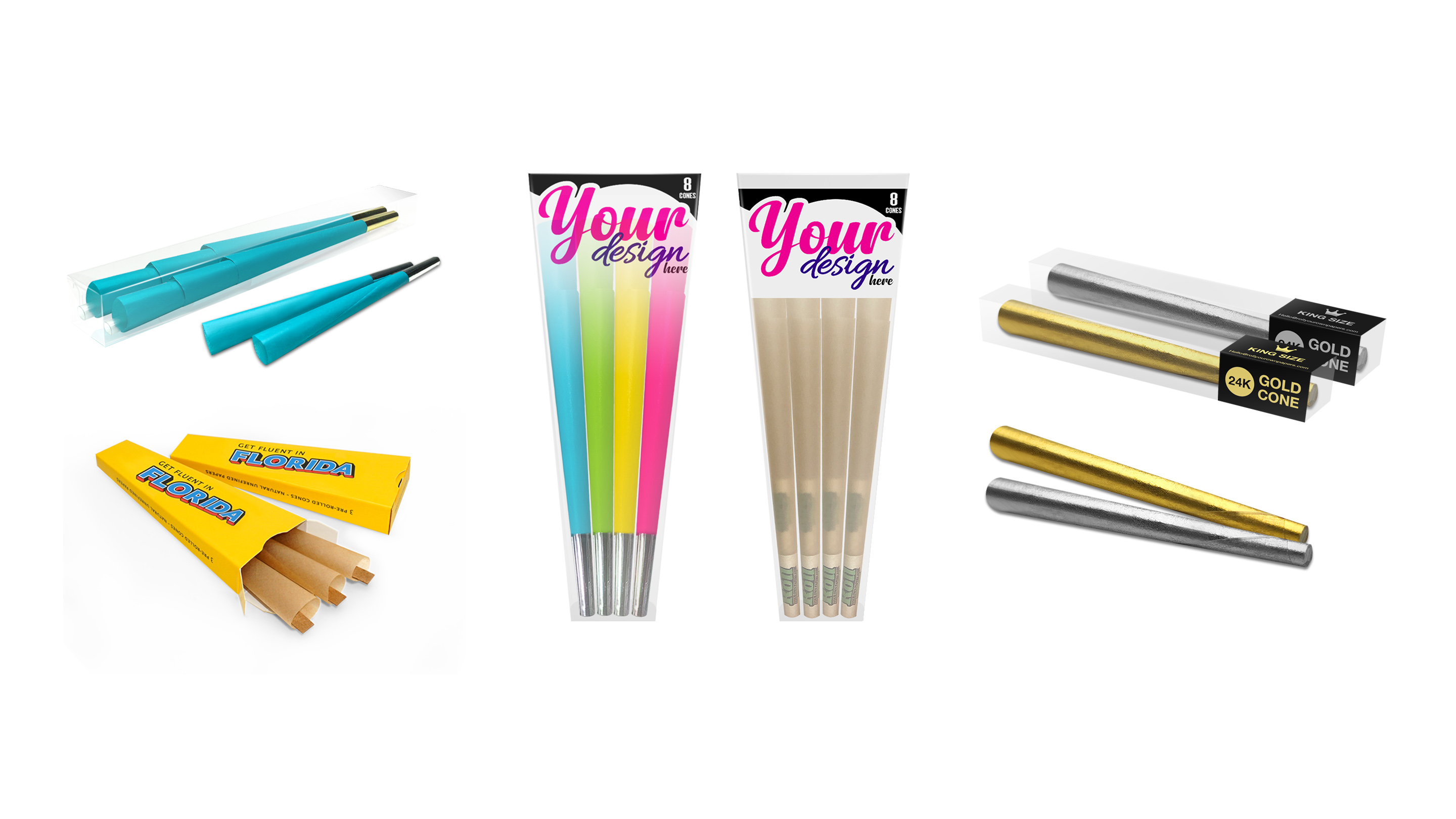
So what are rolling paper cones exactly? Simply put, they're pre-formed, cone-shaped papers that come ready to fill. Unlike traditional flat rolling papers that require you to roll, lick, and seal with skill and patience, cones arrive already shaped with a filter tip (or crutch) already attached. Think of them as the "easy mode" of rolling — but without compromising on quality or experience.
The cone shape isn't just for aesthetics, either. It serves a practical purpose: the wider end holds more material while the narrow end provides a comfortable mouthpiece and optimal airflow. This design creates a superior draw and more even burn compared to many hand-rolled cylinders. It's engineering meets convenience! 🏗️
The Anatomy of a Cone 🔍
Before we dive deeper, let's break down what you're actually getting when you buy a rolling paper cone. Understanding the components helps you appreciate why they work so well:
The Paper Body 📄
The main cone structure is made from thin, breathable paper that's been precision-cut and pre-formed into a cone shape. Quality matters here — thinner papers generally provide a cleaner taste and slower burn, while the cone shape ensures consistent airflow from top to bottom.
The Filter Tip 🔌
Also called a crutch or roach, this is the rolled paper cylinder at the narrow end of the cone. It serves multiple purposes: prevents material from reaching your mouth, provides structural support, allows better airflow, and gives you something cool to hold. Most cones use unbleached paper or cardboard filters, though some premium options offer activated charcoal or glass tips.
The Gum Line 💧
High-quality cones use natural gum arabic (a plant-based adhesive from acacia trees) to seal the paper. This creates a secure seam that holds the cone shape without adding any weird flavors or harmful chemicals. Cheap cones might use synthetic adhesives — another reason to choose quality brands.
The Twist Top 🔄
The open end where you fill the cone typically extends slightly beyond your material, allowing you to twist it closed after packing. This twist-top design keeps everything secure and provides a convenient "handle" for lighting.
Materials Used in Cone Manufacturing 🌿
Not all cones are created equal, and the material makes a huge difference in your experience. Here's what the best manufacturers use:
Hemp Papers 🌱
Organic hemp is the gold standard for many users. Hemp rolling papers burn slowly and evenly, produce minimal ash, and offer a neutral flavor that doesn't interfere with your herbs. They're also incredibly eco-friendly — hemp grows quickly without pesticides and requires less water than cotton or trees. The slightly thicker texture makes hemp cones durable and less likely to tear during filling.
Rice Papers 🍚
Ultra-thin rice paper cones are perfect for purists who want the cleanest possible taste. They're translucent, burn very slowly, and produce almost invisible smoke. The downside? They're more delicate and require a gentler touch when filling. Rice papers are also a great choice for those with gluten sensitivities since they're naturally gluten-free.
Wood Pulp 🌲
Traditional wood pulp cones offer a thicker, more robust construction. They're easier to handle for beginners and less likely to tear, but they burn slightly faster than hemp or rice. Quality matters significantly here — unbleached wood pulp is far superior to bleached varieties, which can contain trace chemicals.
Specialty Materials ✨
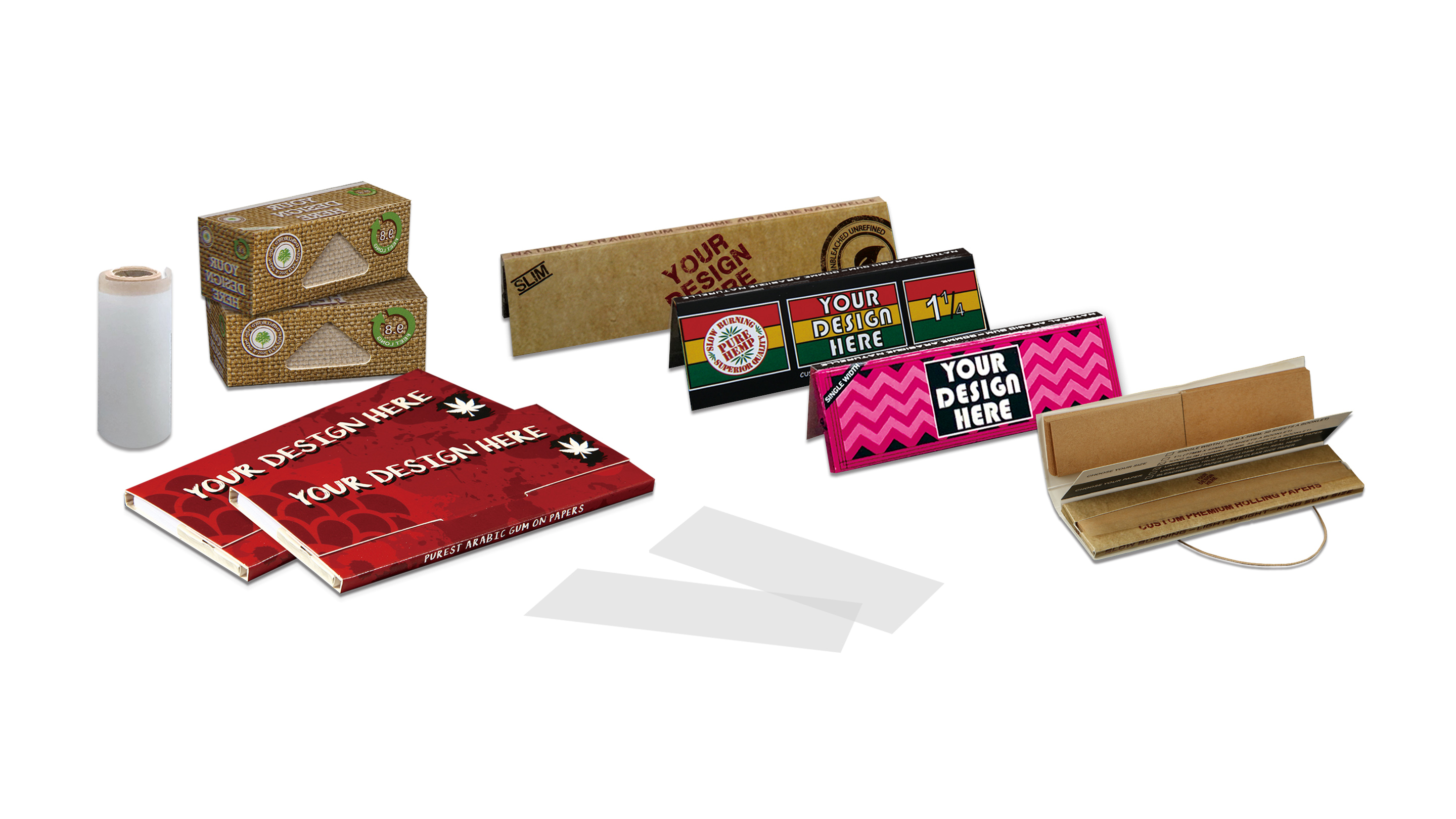
Innovation never stops! Some manufacturers now offer palm leaf cones (extra slow burn), flax seed cones (added nutrients), or even blended materials that combine the best properties of multiple sources. For those looking to make a statement, custom rolling paper cones can be printed with food-grade inks on any of these materials.
Types and Sizes of Cones 📏
Cones come in various sizes to match different needs and occasions. Here's your complete size guide:
Mini Cones (70mm) 🤏
Perfect for personal use or testing new blends. These small cones hold about 0.3-0.5 grams and burn for 5-8 minutes. Ideal for solo sessions or microdosing.
Small/1 1/4 Size (84mm) 🎯
The most popular size by far! These are the "Goldilocks" of cones — not too big, not too small. They hold 0.5-0.75 grams and provide a 10-15 minute session. Perfect for 1-2 people.
King Size (109mm) 👑
Sharing is caring! King size cones hold 1-1.5 grams and burn for 20-30 minutes. These are great for small groups or extended personal sessions. The longer cone also provides cooler smoke by the time it reaches you.
Extra Long/109mm (Same as King) 🔥
Sometimes labeled differently but essentially the same as king size. Look at the millimeter measurement to be sure what you're getting.
Mega/Foot-Long (305mm) 🎉
These party-sized cones are more novelty than necessity, but they're a blast for celebrations! They can hold 5+ grams and burn for over an hour. Fair warning: these are challenging to fill evenly and require multiple people to fully appreciate.
Cones vs. Traditional Rolling Papers 🥊
The age-old debate! Let's settle this with some honest comparison:
Why Cones Win 🏆
- Speed: Fill a cone in 30 seconds vs. 5+ minutes for hand-rolling
- Consistency: Every cone burns the same way — no more canoe burns or loose seams
- No skill required: Beginners can pack a cone on their first try
- Perfect shape: The cone design naturally creates optimal airflow
- Convenience: Pre-attached filters save time and hassle
- Portability: Pre-fill cones at home and take them on the go
Why Traditional Papers Still Rock 🎸
- Customization: Control the exact size and shape
- Ritual: Many people enjoy the meditative act of rolling
- Cost: Flat papers are typically cheaper per use
- Skill expression: Rolling is an art form for many enthusiasts
- Less waste: Use exactly what you need, no predetermined size
The verdict? There's no wrong choice! Many experienced users keep both rolling papers and cones on hand, choosing based on the situation. Cones for convenience and consistency, papers for those special hand-rolled moments. 🤝
How to Use Rolling Paper Cones Like a Pro 🎯
Filling a cone is easy, but doing it right makes all the difference. Follow this step-by-step guide for perfect results every time:
Step 1: Prepare Your Material 🔪
Grind your herbs to a medium-fine consistency. Too fine and it'll pack too tight (restricting airflow), too coarse and it'll burn unevenly with gaps. Think "oregano" texture — small pieces with some texture remaining.
Step 2: Set Up Your Workspace 🛠️
Place your cone in a cone holder, shot glass, or even a rolled-up piece of paper. You need the cone standing upright with the filter end down for easy filling. Some people use a cone filling machine for production-scale packing.
Step 3: Fill Gradually 📥
Drop small amounts of material into the open end of the cone. After each addition, gently tap the filter end on your table to settle the material. This prevents air pockets and ensures even distribution. Don't rush this process!
Step 4: Pack It Down (Gently!) 🥢
Use a packing tool, chopstick, or the back of a pen to gently compress the material. The key word is gently — you want it snug but not tight. A good test: you should be able to draw air through the filter before sealing.
Step 5: Leave Space at the Top 🔝
Stop filling about 5mm (quarter-inch) from the top. This space is crucial for twisting the end closed without crushing your packed material.
Step 6: Twist and Seal 🌀
Gently twist the excess paper at the open end. This creates a sealed tip and gives you something to hold when lighting. Some people twist it super tight for a "candlestick" look, others prefer a loose twist for easier lighting.
Pro Tips for Perfect Cones 💡
- Fill in layers: Add material, tap, pack, repeat. This creates the most even density.
- Check the draw: Before sealing, take a test draw through the filter. If it's too tight, poke the packing tool through to loosen it slightly.
- Pre-batch for parties: Fill multiple cones ahead of time and store them in a cigarette case for easy transport.
- Mix consistency: Pack slightly tighter at the filter end and looser at the tip for optimal burn progression.
Common Mistakes to Avoid ⚠️
Even with cones, there are ways to mess things up. Learn from others' mistakes:
Overpacking 🚫
The #1 mistake! Cramming too much material into a cone restricts airflow and makes it impossible to draw. If you feel resistance when inhaling, you've packed it too tight. It's better to underfill slightly than overfill.
Using Wet or Sticky Material 💦
Moisture is the enemy of a good burn. Material that's too fresh or improperly dried will cause uneven burning, harsh taste, and constant relighting. Always ensure your herbs are properly cured and dry before packing.
Rough Handling 🤲
Cones are tougher than flat papers, but they're not indestructible. Squeezing filled cones, dropping them, or storing them poorly can damage the structure and ruin your perfectly packed creation.
Ignoring Grind Consistency ⚙️
A bad grind leads to bad burns. Stems, chunks, and powder all cause problems. Take the extra 30 seconds to properly grind your material — your cone will thank you.
Skipping the Tap Test 🔨
After filling but before sealing, gently shake the cone. You should feel and hear the material settling. If nothing moves, you've packed it too tight. If it shifts dramatically, you need more material or tighter packing.
What to Look for When Buying Cones 🛒
Not all cones are created equal. Here's what separates premium products from gas station garbage:
Material Quality 🌟
Always choose organic, unbleached papers. Look for clear labeling about paper source (hemp, rice, wood pulp) and certifications (FSC-certified, organic, non-GMO). If a package doesn't list the material, that's a red flag.
Gum Type 💧
Natural gum arabic is the standard for quality cones. Avoid products that use synthetic adhesives or don't disclose their gum source. The gum should be applied in a thin, even line — too much causes harsh taste, too little means structural failure.
Filter Quality 🎯
The filter should be firmly attached and made from unbleached material. It should provide good airflow while preventing material from reaching your mouth. Some premium cones offer specialized filters (activated charcoal, perforated, etc.) for enhanced experiences.
Packaging Matters 📦
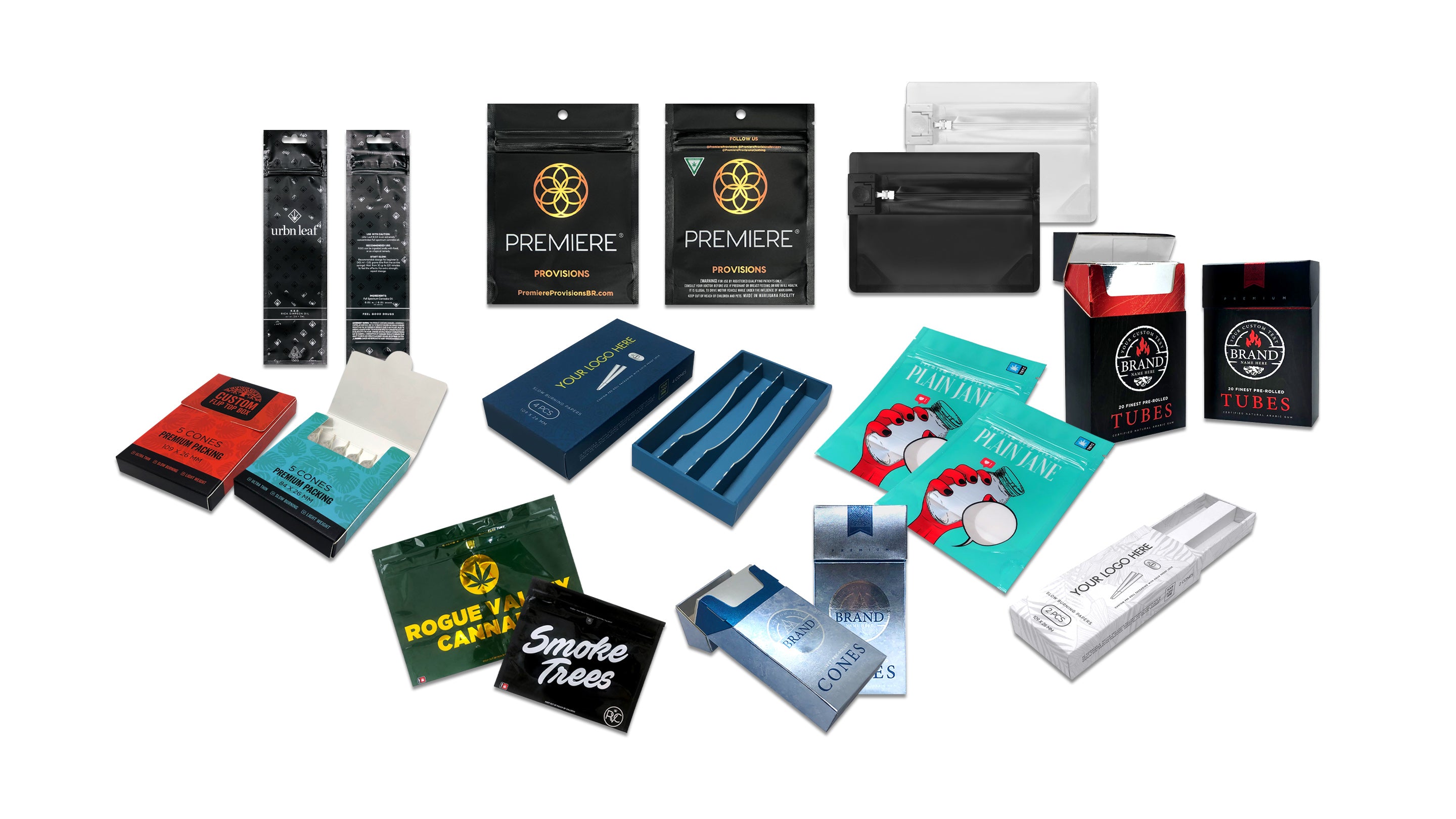
Good cones come in resealable, humidity-controlled packaging. Tube packaging is better than bags for preventing crushing. Bulk packaging should include desiccant packets to control moisture.
Brand Reputation 🏅
Stick with established brands known for quality control. Check reviews, ask for recommendations, and don't be afraid to pay a bit more for superior products. Your experience depends on it!
Why Our Rolling Papers Are Different 🌟
Speaking of quality, let's talk about what makes premium rolling paper worth investing in. Whether you're using cones or traditional papers, the material matters more than most people realize.
Our papers are crafted from 100% organic hemp, sourced from sustainable farms that prioritize environmental responsibility. Unlike mass-produced papers that use harsh chemicals and bleaching agents, ours are processed naturally to maintain fiber integrity and purity. The result? A cleaner burn, neutral flavor, and an experience that lets your herbs shine without interference.
We also offer fully customizable options — perfect for businesses, special events, or anyone who wants their papers to reflect their personal style. Using food-grade inks and natural gum arabic, our custom rolling paper products maintain the same quality standards as our standard line while giving you complete creative control. From small batches to bulk orders, we've got you covered with low minimums and fast turnaround times. 🎨
Storage and Shelf Life Tips 📦
Proper storage extends the life of your cones and maintains their quality:
Humidity Control 💧
Store cones in a cool, dry environment with controlled humidity (ideally 55-62% RH). Too dry and the papers become brittle and tear easily. Too humid and they absorb moisture, leading to poor burns and potential mold growth. Keep them away from bathrooms, kitchens, and anywhere with temperature fluctuations.
Light Protection ☀️
UV light degrades paper fibers over time, causing discoloration and weakening. Store cones in their original packaging or transfer to an opaque, airtight container. A dark drawer or cabinet works perfectly.
Seal After Opening 🔒
Once you open a package of cones, reseal it immediately after taking what you need. Most quality cone packaging includes resealable features — use them! If your packaging doesn't seal well, transfer cones to a mason jar or plastic container with a tight-fitting lid.
Pre-Filled Cone Storage 🎒
If you pre-fill cones for later use, store them upright in a hard case (cigarette cases work great). Add a small humidity pack if storing for more than a few days. Never store pre-filled cones in plastic bags — the static can cause material to stick to the paper.
Shelf Life ⏰
Properly stored, quality cones can last for years. However, we recommend using them within 12-18 months of purchase for optimal freshness. Hemp papers are more sensitive to storage conditions than rice papers, so prioritize using hemp cones first if you have both.
The Future of Cone Technology 🚀
The cone market continues to evolve with exciting innovations:
Smart Cones 🤖
Some manufacturers are experimenting with cones that include temperature-sensitive inks that change color as you get close to the filter, preventing accidental burns. Others are developing papers with embedded flavor micro-beads that release as you enjoy.
Sustainability Focus 🌍
Expect to see more cones made from alternative materials like banana leaf fibers, seaweed-based papers, and other innovative plant sources. The goal? Zero-waste products that biodegrade completely within weeks.
Enhanced Filters 🔬
Filter technology is advancing rapidly, with options like ceramic tips, adjustable airflow filters, and multi-stage filtration systems that cool the draw while maintaining flavor integrity.
Automated Filling Systems ⚙️
Commercial cone-filling machines are becoming more accessible to individual users. These devices can fill dozens of cones perfectly in minutes, making them ideal for medical users, events, or anyone who wants consistency at scale.
Frequently Asked Questions ❓
What are rolling paper cones exactly?
Rolling paper cones are pre-formed, cone-shaped rolling papers that come ready to fill. Unlike flat rolling papers that require manual rolling skills, cones arrive already shaped with a filter tip attached, making them perfect for both beginners and experienced users who want convenience without sacrificing quality.
What materials are rolling paper cones made from?
Quality rolling paper cones are typically made from organic hemp, rice paper, or wood pulp. The best cones use natural gum arabic for sealing and come with unbleached paper filters. Hemp cones are the most popular due to their slow, even burn and eco-friendly properties.
Are pre-rolled cones better than regular rolling papers?
Pre-rolled cones offer several advantages: they're faster to use, require no rolling skills, burn more evenly due to their cone shape, and eliminate common rolling mistakes. However, traditional rolling papers offer more control and customization. The best choice depends on your skill level and preferences.
How do you properly fill a rolling paper cone?
To fill a cone properly: 1) Grind your material to a medium-fine consistency, 2) Hold the cone upright with the filter end down, 3) Gently fill the cone while tapping it to settle the material, 4) Leave about 5mm of space at the top, 5) Use a packing tool to gently compress the material, and 6) Twist the top closed. Don't overpack or it won't draw properly.
What sizes do rolling paper cones come in?
Cones typically come in five standard sizes: Mini (70mm for personal use), Small/1 1/4 (84mm, the most popular size), King Size (109mm for sharing), Extra Long/109mm (for group sessions), and Mega/Foot-Long (305mm for parties). The size you choose depends on whether you're rolling for one person or sharing.
Can you customize rolling paper cones?
Yes! Many manufacturers offer custom rolling paper cones where you can add your brand logo, artwork, or personalized designs. This is popular for businesses, special events, or personal branding. Custom cones use food-grade inks and maintain the same quality as standard cones.
How should you store rolling paper cones to keep them fresh?
Store your cones in a cool, dry place away from direct sunlight and humidity. Keep them in their original packaging or use an airtight container. Avoid storing them in bathrooms or near heat sources. Properly stored cones can last for years without degrading, though hemp papers are more sensitive to moisture than rice papers.
Final Thoughts: Embrace the Cone Revolution 🎉
Rolling paper cones have transformed from a convenience product into an art form of their own. Whether you're a complete beginner who's never rolled before or a seasoned enthusiast looking for consistency and speed, cones offer an unbeatable combination of quality and convenience.
The key takeaway? Don't settle for cheap, low-quality cones just because they're convenient. The material, construction, and quality control matter just as much in cones as they do in traditional papers. Invest in organic, sustainably-sourced products from reputable manufacturers, and you'll notice the difference immediately.
Remember, the perfect cone experience starts with three things: quality materials, proper filling technique, and appropriate storage. Master these fundamentals, and you'll wonder why you ever struggled with hand-rolling in the first place! 🔥
🔥 Ready to Upgrade Your Rolling Game?
Whether you prefer cones or traditional papers, the quality of your material makes all the difference! 🎯 If you're tired of harsh burns, weird aftertastes, and inconsistent experiences — we've got just what you need.
- ✔️ Made from organic hemp
- ✔️ Printed with food-grade ink
- ✔️ Sealed with 100% natural gum
- ✔️ Customize them with your brand, artwork, or vibe
📦 Bulk orders available | 🚚 Fast shipping | 🌱 Always chemical-free




Leave a comment