đ„ Whatâs the Best Weed Grinder in 2025? đ The Friendly, No-Nonsense Guide đż

The âbestâ grinder is the one that fits your ritual, not just a brand name. In this guide, weâll cut through hype and talk materials, tooth patterns, grind consistency, ergonomics, cleaning, and durability. Youâll also see our hands-on testing method (very human, very real), plus a quick table to help you choose in under a minute. Letâs find the one thatâll serve you for years. âš
Table of Contents đ
- Quick Answer â
- How to Choose the Best Grinder đ
- Our Hands-On âGrind Labâ đ§Ș (10 Real-World Tests)
- 1-Minute Comparison Table đ§ź
- Best by Use-Case đŻ
- Ergonomics, Torque & Wrist Health đȘ
- Cleaning & Care đ§Œ
- Myth-Busting đ§
- Sustainability & Longevity đ
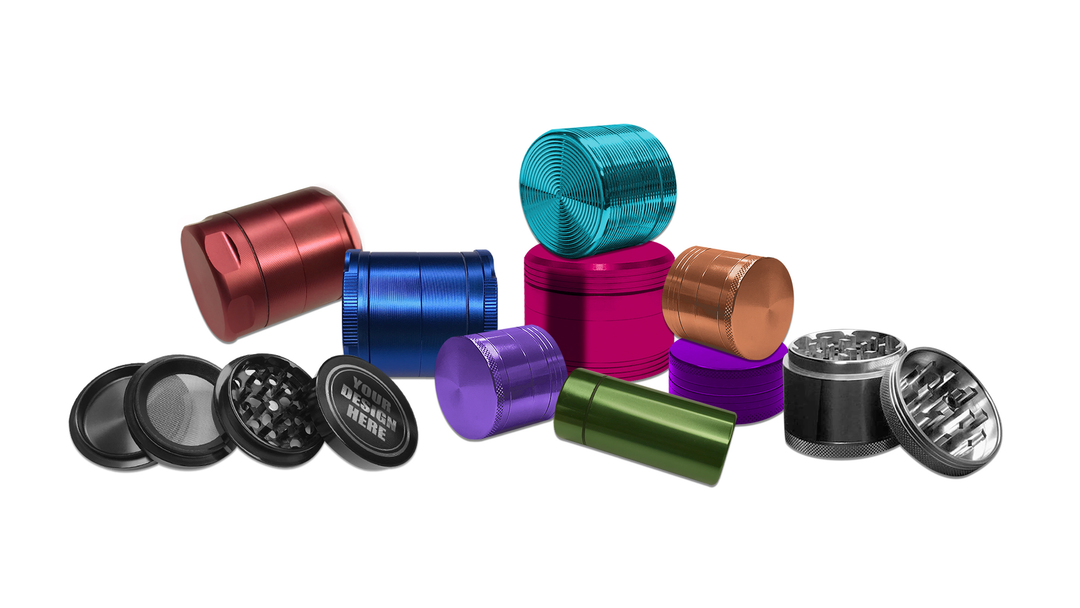
- Go Custom: Make It Yours
- Our Weed Grinder Spotlight đ
- FAQs â (with Schema)
Quick Answer â
If you want a quick pick: choose a precision-milled, 4-piece metal grinder with strong magnets, smooth threads (or a quality threadless lock), and a tooth pattern that produces a consistent medium grind for all-around use. If you prioritize flavor or plan to use a vape, look for a grinder that can do a slightly coarser, fluffy grind with minimal fines. If you need compact convenience, a 2-piece can be perfect for quick sessions and easy cleaning. âïž
How to Choose the Best Grinder đ
Materials & Coatings
Aluminum (CNC-milled)
Lightweight, affordable, and great when anodized properly. Look for food-safe anodization, tight tolerances, and clean finishing with no burrs.
Stainless Steel
Heavier, ultra-durable, and often the smoothest to twist under load. Costs more, but the machining is usually excellent, with threads that last.
Titanium & Ceramic-Coated
Titanium brings strength and lower weight than steel; ceramic coatings can help reduce stickiness. Both tend to be pricier and are more âenthusiastâ picks.
Size, Teeth & Grind Profile
Diameter
50â56 mm is a sweet spot for daily use. 63 mm+ is great for batch grinding at home. Pocket grinders around 40â45 mm are perfect for travel.
Tooth Pattern & Count
Diamond or trapezoid teeth are the classics. More teeth arenât automatically betterâwhat matters is geometry and clearance that deliver a uniform grind without turning fluffy herb into dust.
Chambers, Screens & Magnets
2-Piece vs 3-Piece vs 4-Piece
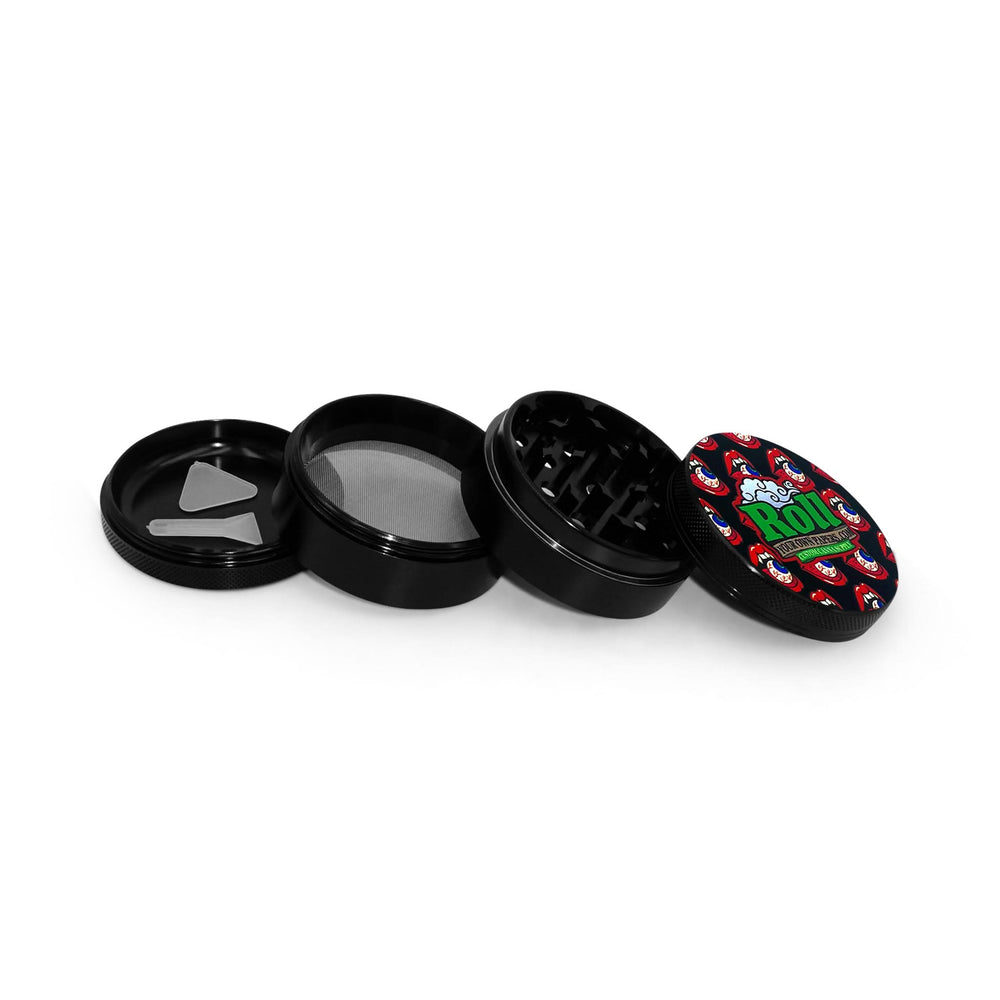
2-piece: Fast, simple, easy to clean. Great for sticky material. 3-piece: Adds a collection chamberânice when you want to check consistency before pouring. 4-piece: Includes a screen and bottom chamber for sifting. Convenient if you like to capture ultra-fine material over time.
Magnets & Screens
Neodymium magnets keep lids secure. For screens, look for stainless mesh with replaceable frames where possible. Bonus if the grinder lets you swap meshes.
Threads vs. Quick-Lock
Threaded Classics
Reliable if well-machined. Look for deep, smooth threads and chamfered starts to avoid cross-threading.
Threadless / Quick-Lock
Fast and satisfying. The best designs feel âbutteryâ and seat firmly with no wobbleâgreat for folks who open/close often.
Our Hands-On âGrind Labâ (10 Real-World Tests)
Specs are nice, but feel matters. Hereâs our practical, real-life test suiteâno lab coats required, just a scale, timer, and common sense:
- Torque Test: How much effort does it take to start/keep turning under a standard 0.8 g load?
- Consistency Sieve: We pass ground material through 3 meshes to estimate fine/medium/coarse distribution.
- Clump Check: Does the grind fluff or clump? Fluffier = better airflow.
- Retention: How much material sticks in the teeth/chamber after a light tap?
- Static Test: Does material cling to walls after 15 seconds? (Dry winter air reveals poor finishing fast.)
- Speed: Time from whole herb to emptying the chamber.
- Spill Factor: How cleanly does it pour into papers, cones, or devices?
- Thread Feel: Any gritty spots, binding, or misalignment?
- Magnet Hold: Invert the lid with 0.5 g insideâdoes it stay secure?
- Cleanup: How quickly does it break down and brush out, no tools?
We donât crown one âkingâ for everyone. Instead, we use these tests to match grinders to use-cases. Whatâs âbestâ for micro-dosing vapers may differ from the best for quick cones or home batchingâand thatâs okay. đ
1-Minute Comparison Table đ§ź
| Material / Build | Feel & Effort | Grind Profile | Best For | Maintenance | Price Range |
|---|---|---|---|---|---|
| Aluminum, 4-piece (anodized) | Light, smooth | Balanced medium | All-round daily use | Quick brush; deep clean monthly | $30â$120 |
| Stainless steel, 3â4 piece | Solid, low-friction | Uniform, slightly fluffy | Flavor fans; consistency nerds | Brush often; deep clean bi-monthly | $90â$200+ |
| Titanium, 3â4 piece | Feathery but tough | Fluffy medium-coarse | Lightweight + durability | Same as steel | $120â$250+ |
| Ceramic-coated metal | Silky, low stick | Medium; fewer clumps | Sticky herbs; less cleanup | Gentle tools; no harsh scraping | $60â$180 |
| 2-piece pocket (metal) | Fast, ultra-simple | Varies; user-controlled | Travel; load-and-go | Wipe and done | $20â$70 |
Best by Use-Case đŻ
Even Draws & Consistency
Pick a Medium, Fluffy Grind
Look for tooth patterns that shear cleanly and donât over-pulverize. A balanced medium grind helps airflow and burns evenly without tunneling or harsh hot spots.
Vape-Friendly Grinds
Coarse-to-Medium That Stays Fluffy
Too many fines can clog screens. A grinder that aerates the material tends to perform bestâless tamping, more flavor, easier cleanup.
Sticky Herbs & High-Resin đż
Ceramic-Coated or 2-Piece Classics
Coated walls can reduce cling; a 2-piece lets you stop early and keep it fluffy. A quick brush between grinds keeps everything feeling new.
Travel & Pocket-Size
40â45 mm, 2-Piece or Low-Profile 3-Piece
Keep it simple. Magnets should feel strong, and lids should seat perfectlyâno rattles, no surprises. Bonus if the exterior has knurling for a secure grip.
Ergonomics, Torque & Wrist Health đȘ
A great grinder shouldnât fight you. Knurled rims, scalloped edges, and slightly taller lids improve leverage. Threadless systems can reduce repetitive strain if you open/close frequently. If you have sensitive wrists, choose a medium tooth density and a diameter of ~56â63 mm to gain leverage without adding bulk.
Cleaning & Care đ§Œ
Weekly:
- Quick brush of teeth and screen.
- Wipe walls with a dry microfiber to reduce static.
Monthly (or when sticky):
- Disassemble; soak metal parts in high-proof alcohol for 10â15 minutes; rinse and fully dry.
- Avoid harsh scraping on coated partsâuse soft nylon brushes or wooden picks.
- Re-seat threads gently; donât overtighten. Keep magnets clean.
Myth-Busting đ§
- âMore teeth = better.â Not always. Geometry & clearance matter more than raw count.
- âFive chambers are always superior.â Extra parts add friction points; choose based on your ritual.
- âHeavier is automatically higher quality.â Weight can signal density, but machining and alignment are what you feel.
- âScreens never need attention.â They doâkeep them clean or swap them if your grinder allows.
Sustainability & Longevity đ
Look for grinders with replaceable screens, serviceable parts, and recyclable metals. A durable grinder you love is better for the planet than buying a new one every year.
Go Custom: Make It Yours
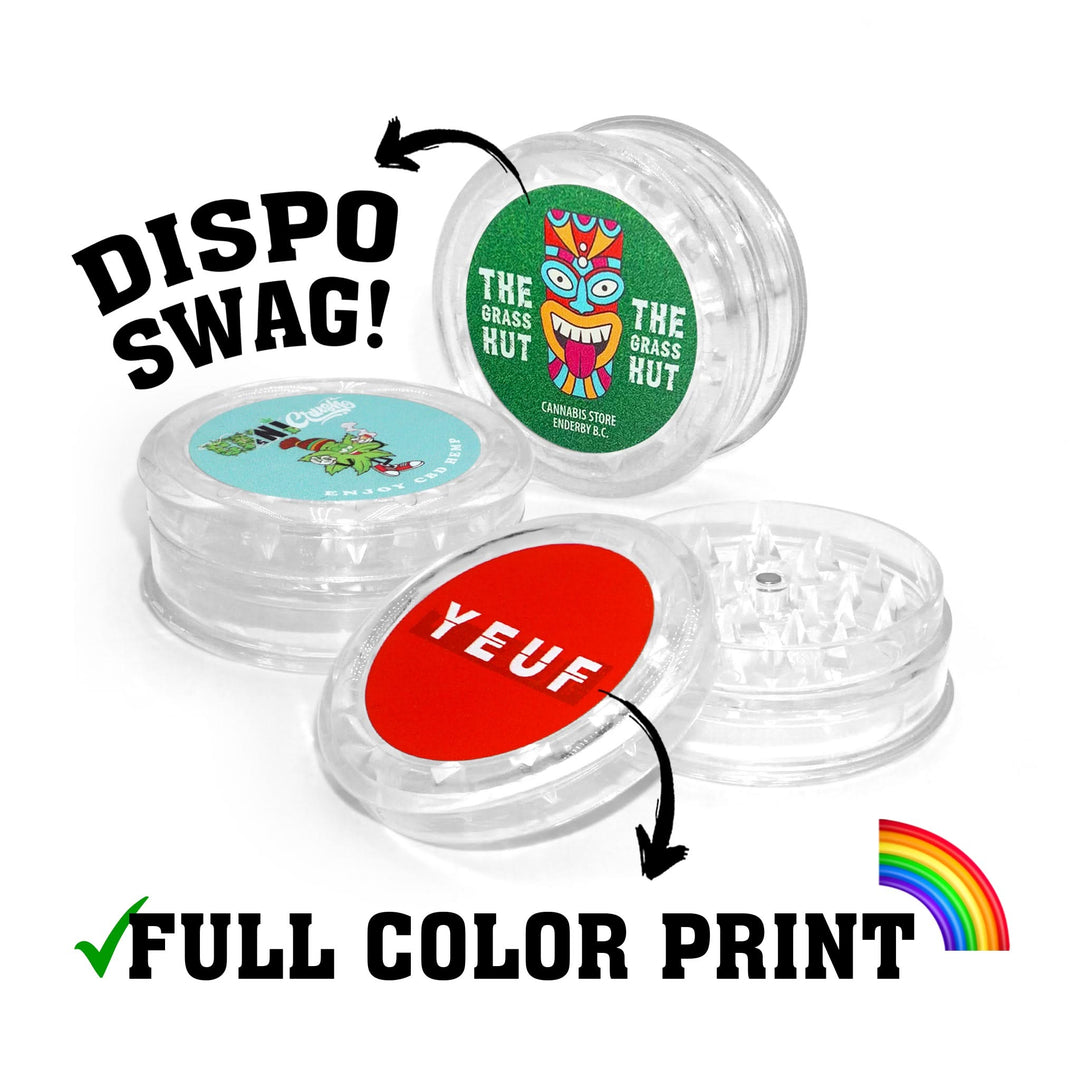
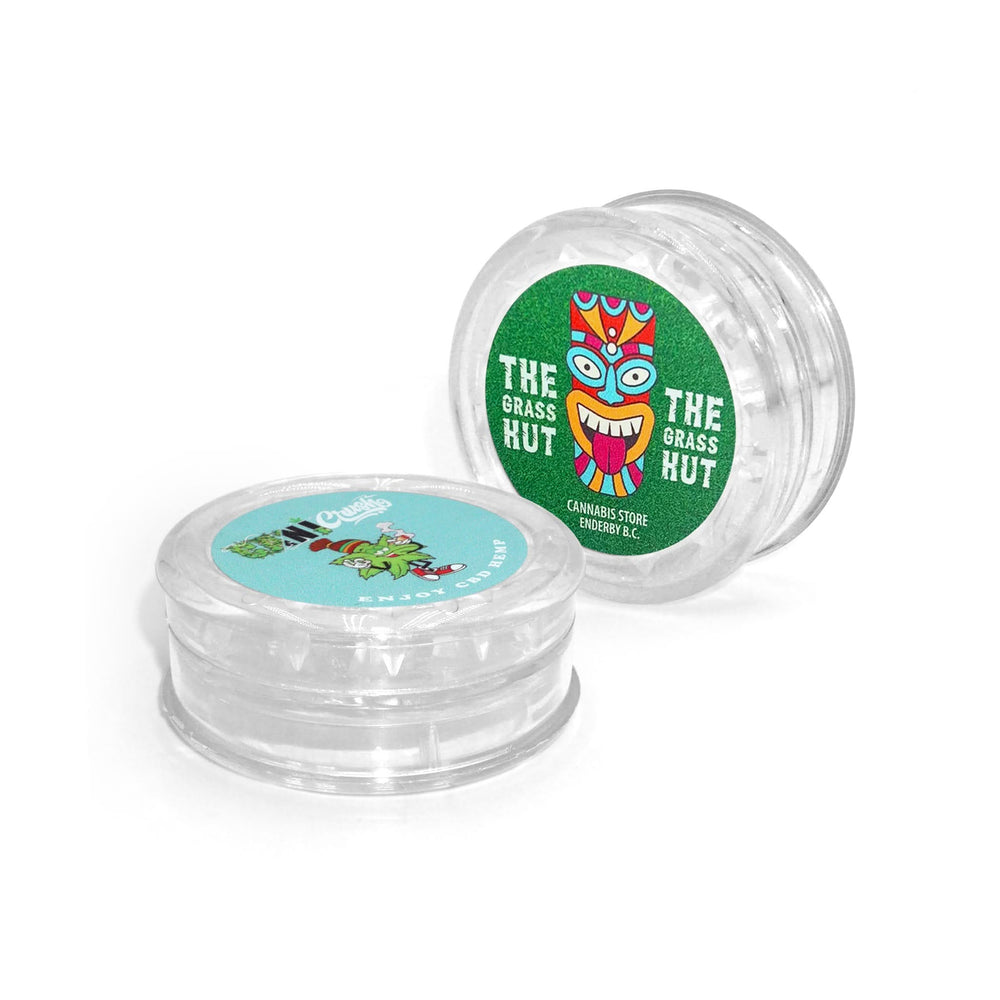
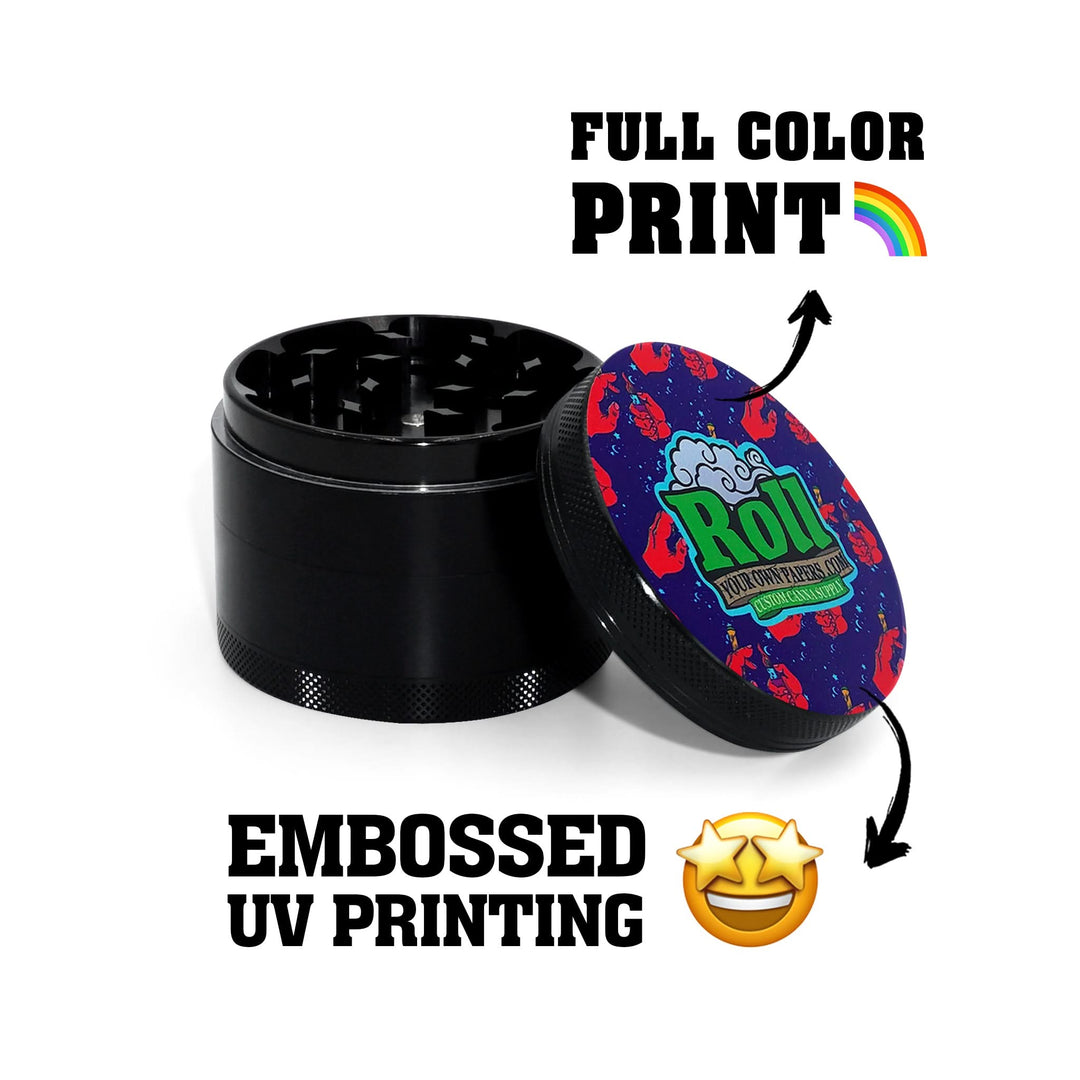
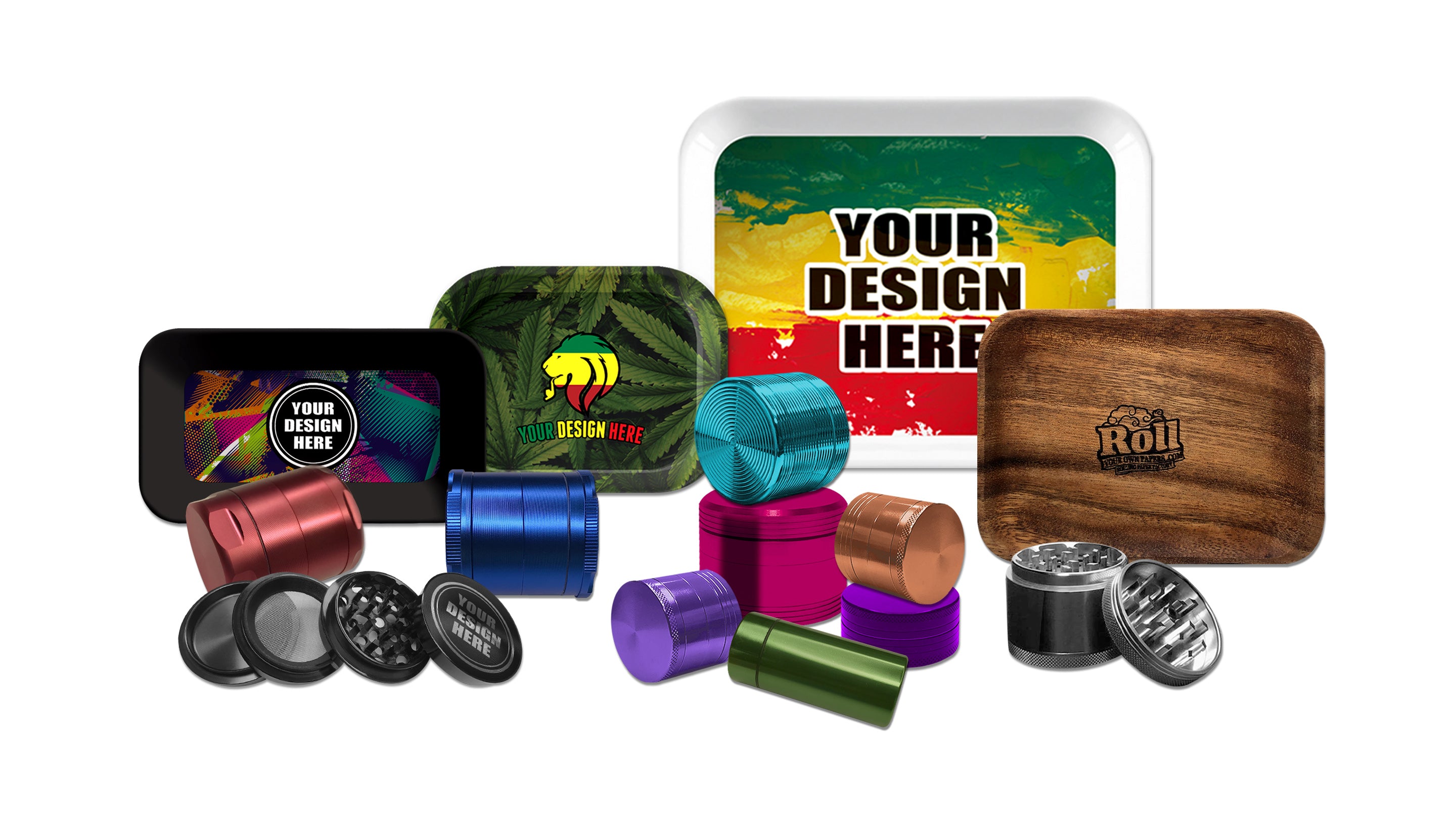
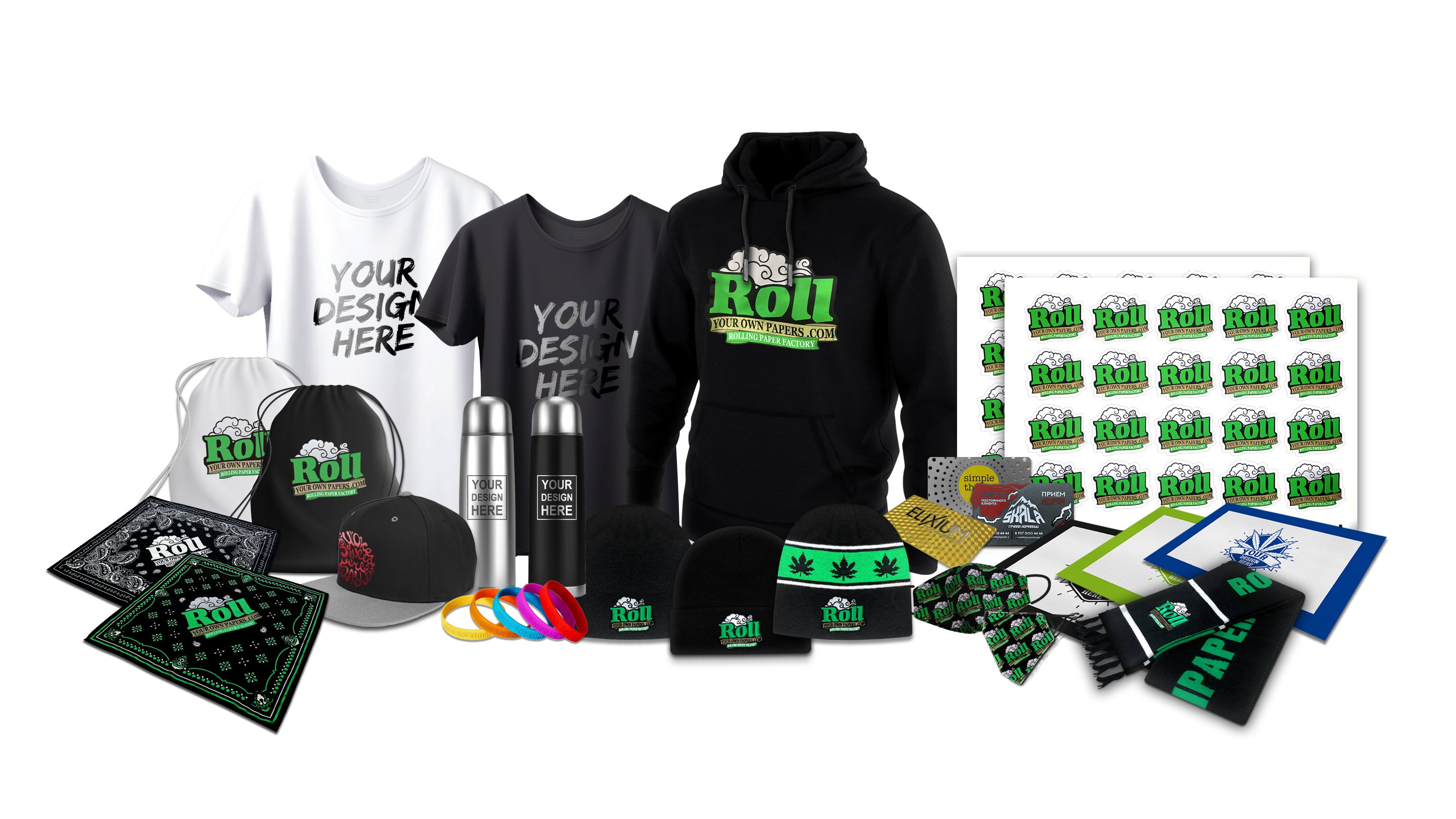
Want your grinder to match your brand or personal vibe? Engrave a logo, laser a pattern, or pick a signature colorway. If you run a shop or brand, customized grinders make memorable merch and gifts that actually get used. đ„
Start here: Custom Grinders @ RollYourOwnPapers.com
Our Weed Grinder Spotlight đ
You asked for a short promo, so here it isâfriendly and honest:
- Dialed-in grind: Balanced tooth geometry for a fluffy, even medium grind.
- Satisfying feel: Smooth turn, secure magnet, precise fitâno gritty threads.
- Built to last: CNC-milled metal, thoughtful finishing, and easy-to-service parts.
- Make it yours: Custom colorways and laser engraving available.
See options & design yours: https://www.rollyourownpapers.com/collections/custom-grinders â
FAQs â
1) Whatâs the best weed grinder for most people in 2025? đż
A well-made, 4-piece metal grinder with strong magnets and a balanced tooth pattern. Itâs versatile, consistent, and easy to maintain.
2) Is stainless steel worth the extra cost? đž
If you value durability and ultra-smooth threads, yes. Itâs heavier and pricier, but the feel can be next-level.
3) Are ceramic-coated grinders actually less sticky?
Often, yes. Coatings can reduce cling on walls, but treat them gently and avoid harsh scraping to preserve the finish.
4) 2-piece vs 4-pieceâwhich should I buy? đ€
2-piece is simple and travel-friendly. 4-piece adds convenience by catching sifted material. Choose based on your ritual.
5) How often should I clean my grinder?
Brush weekly; deep clean monthly (or when it feels sticky). Keeping magnets and threads clean makes everything smoother.
6) Does tooth count matter?
Only in context. Geometry and spacing affect airflow and consistency more than sheer tooth numbers.
7) What size is best for daily use?
50â56 mm is a great daily driver; go larger (63 mm+) if you like batching at home. For pockets, 40â45 mm works well.
Leave a comment