
🔥 How to Smoke Weed Without Pipe or Rolling Paper (Safer, Smarter Choices When You’re Out)

We’ve all had that “oops” moment. You’re ready to relax, you check your stash spot, and… there’s no pipe, no rolling paper, and definitely no plan. 😅
This article is built for real life and real readers. It’s not here to hype risky DIY “hacks” or push unsafe materials near heat. Instead, it focuses on what matters most: staying safe, avoiding sketchy shortcuts, and making smarter choices when you’re out.
If you found this by searching “how to smoke weed without pipe or rolling paper”, you’re not alone. But the safest answer isn’t a viral trick. It’s understanding what to avoid, why certain “quick fixes” are a bad idea, and how to prevent this situation from happening again.
And yes—we’ll also talk about the simple long-term solution: having quality rolling paper ready so you’re not forced into last-minute improvisation.
📋 Table of Contents
- 🤔 Why This Search Is So Popular
- ⚠️ Quick Safety Rules Before You Do Anything
- ✅ What to Do Instead When You’re Out
- 🚫 What NOT to Use (Common Mistakes)
- 🧠 Harm Reduction Tips That Actually Help
- 🎒 Build a “Never Get Stuck Again” Mini Kit
- 🌿 Why Quality Rolling Papers Still Win
- ❓ FAQ (7 Questions)
🤔 Why This Search Is So Popular
People don’t search this because they want to be reckless. They search it because they’re stuck in a moment:
- It’s late and stores are closed 🌙
- You’re traveling and didn’t pack supplies ✈️
- You’re visiting friends and forgot your usual setup
- You’re trying to keep things low-key
- You saw a “hack” online and want to check if it’s legit
But here’s the truth most pages skip: the internet is packed with ideas that look clever, but turn unsafe fast—because they ignore heat, coatings, adhesives, and the way materials break down.
⚠️ Quick Safety Rules Before You Do Anything
Rule #1: If you don’t know what it’s made of, don’t heat it
That’s the simplest safety filter you can use. Coatings, dyes, glues, wax layers, and synthetic treatments can release nasty byproducts when heated. If the item has printing, shine, scent, or a “factory feel,” it’s a no.
Rule #2: “It works” doesn’t mean “it’s safe”
A lot of DIY content is based on “I tried it once and survived.” That’s not a standard. The goal is to make choices that reduce risk, every time—not gamble.
Rule #3: When in doubt, pause the session
Not every night needs a workaround. Sometimes the smartest move is simply waiting until you can do it properly. Your lungs and throat will thank you later.
✅ What to Do Instead When You’re Out
I’m going to be straight with you: I can’t provide step-by-step instructions for using illegal drugs or building improvised devices. But I can give you a genuinely useful alternative path that matches the reader intent: what to do when you’re out, without turning your kitchen into a chemistry experiment.
Option A: Reschedule (seriously)
This sounds boring, but it’s the most underrated option. If you’re missing the right tools, improvising with random materials can add irritation and weird taste—and in some cases, real risk.
Option B: Go get proper supplies
If you can safely and legally do so, the best solution is always purpose-made supplies. The difference between “random paper” and real rolling papers is like the difference between a chef knife and a rock. One is designed for the job.
Option C: Ask a friend (the simplest fix)
If you’re at a friend’s place, this is often the fastest solution. No risky DIY. No weird materials. Just borrow what’s designed for it.
Option D: Make the situation future-proof
Most people land here after one “out of supplies” moment. It’s not about buying more stuff—it’s about building a tiny system so it doesn’t happen again.
🚫 What NOT to Use (Common Mistakes People Regret)
If there’s one part of this blog you remember, make it this. A lot of “creative” ideas online involve materials that are coated, dyed, treated, or just plain not meant for heat. Even if someone claims it works, it can still be a bad call.
❌ Receipts
Receipts often contain chemical treatments. They were never designed for heat.
❌ Glossy paper, magazine pages, flyers
Gloss = coatings and inks. That’s a hard no. Same goes for printed notebook paper—inks and dyes can behave unpredictably.
❌ Foil and aluminum cans
Cans are coated. Foil isn’t meant for this use. These are the “internet classics” that get repeated the most, and they’re also some of the worst.
❌ Plastic anything
This should be obvious, but it gets suggested constantly. Plastic and heat do not belong together.
❌ Scented items (anything perfumed)
Scent = additives. Additives + heat = nope.
🧠 Harm Reduction Tips That Actually Help
Harm reduction isn’t about being perfect. It’s about making choices that lower risk and irritation. Most blogs skip this part because it’s not “exciting,” but it’s what readers actually need.
✔️ Focus on comfort signals
If something tastes “chemical,” feels harsh immediately, or makes your throat irritated fast—stop. That’s not your body being dramatic. That’s feedback.
✔️ Keep sessions short
If you’re not using the right supplies, pushing longer sessions usually makes things worse—more irritation, more dryness, more discomfort.
✔️ Hydrate before and after
Dryness is a major reason people feel rough after. A glass of water is not glamorous, but it helps.
✔️ Choose purpose-made supplies next time
The easiest harm reduction is preventing the situation. A pack of proper rolling paper solves more problems than any hack ever will.
🎒 Build a “Never Get Stuck Again” Mini Kit
This is the section that separates casual readers from people who actually fix the problem long-term. A mini kit isn’t a big investment—it’s a tiny system.
What to keep in your mini kit
- A fresh pack of rolling papers
- A backup pack stored separately (so you don’t use it “by accident”)
- A small, clean storage pouch
- A reminder note: “Don’t improvise with random stuff” 😄
Where to store it
- Your travel bag
- Your car (if legal in your area)
- A drawer away from heat and moisture
This sounds simple because it is. Most “out of supplies” nights happen because everything lives in one place—so when that one place is empty, the night becomes a scavenger hunt.
🌿 Why Quality Rolling Papers Still Win (Even for People Who Hate Planning)
There’s a reason almost every experienced user eventually comes back to proper papers: consistency. Not just burn consistency—also comfort, taste, and reliability.
What makes purpose-made papers different?
- Designed for predictable airflow
- Cleaner materials (no mystery coatings)
- Better feel in-hand
- Reliable performance every time
If you want the short version: improvised options create variables. Real papers remove variables.
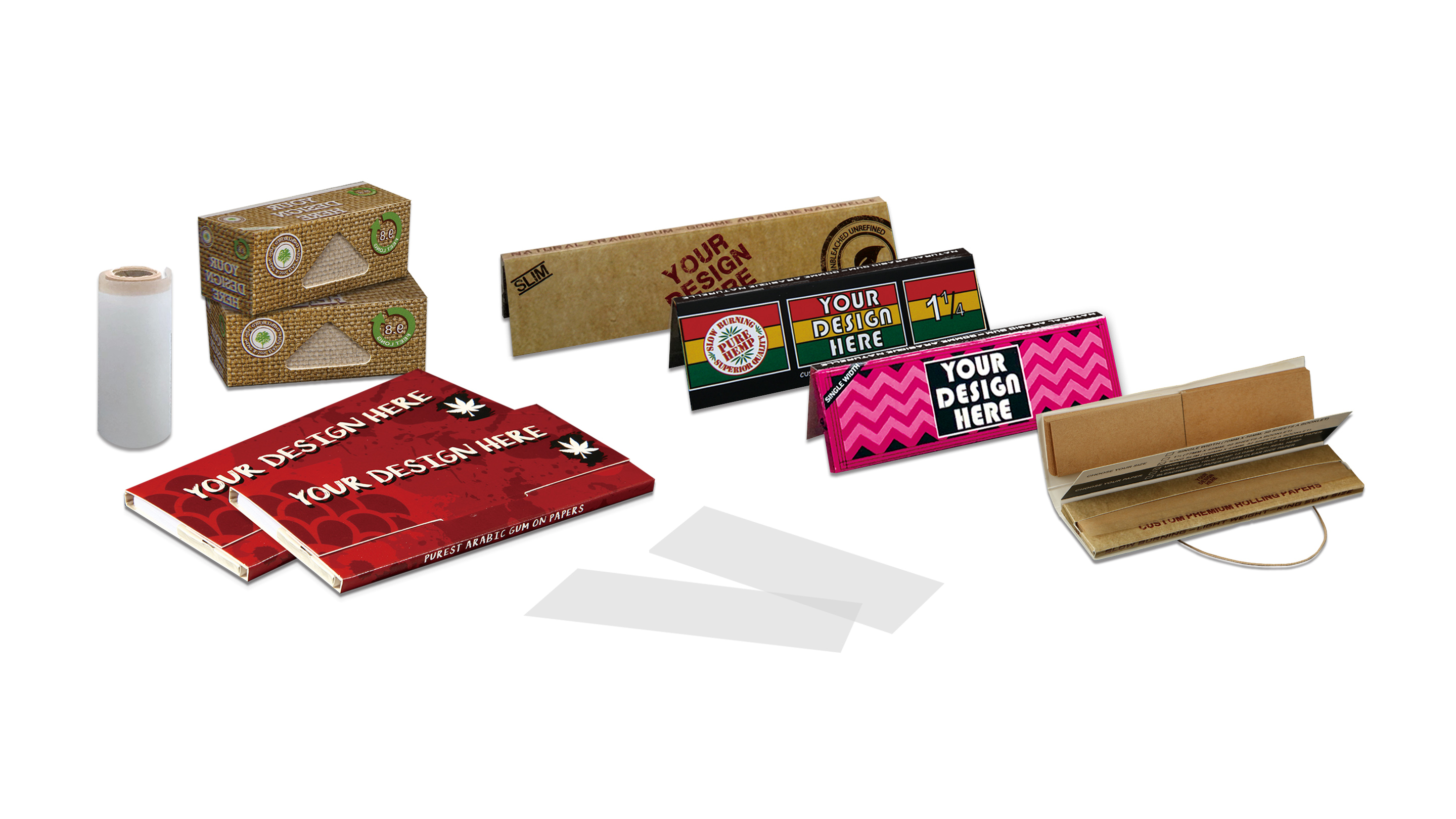
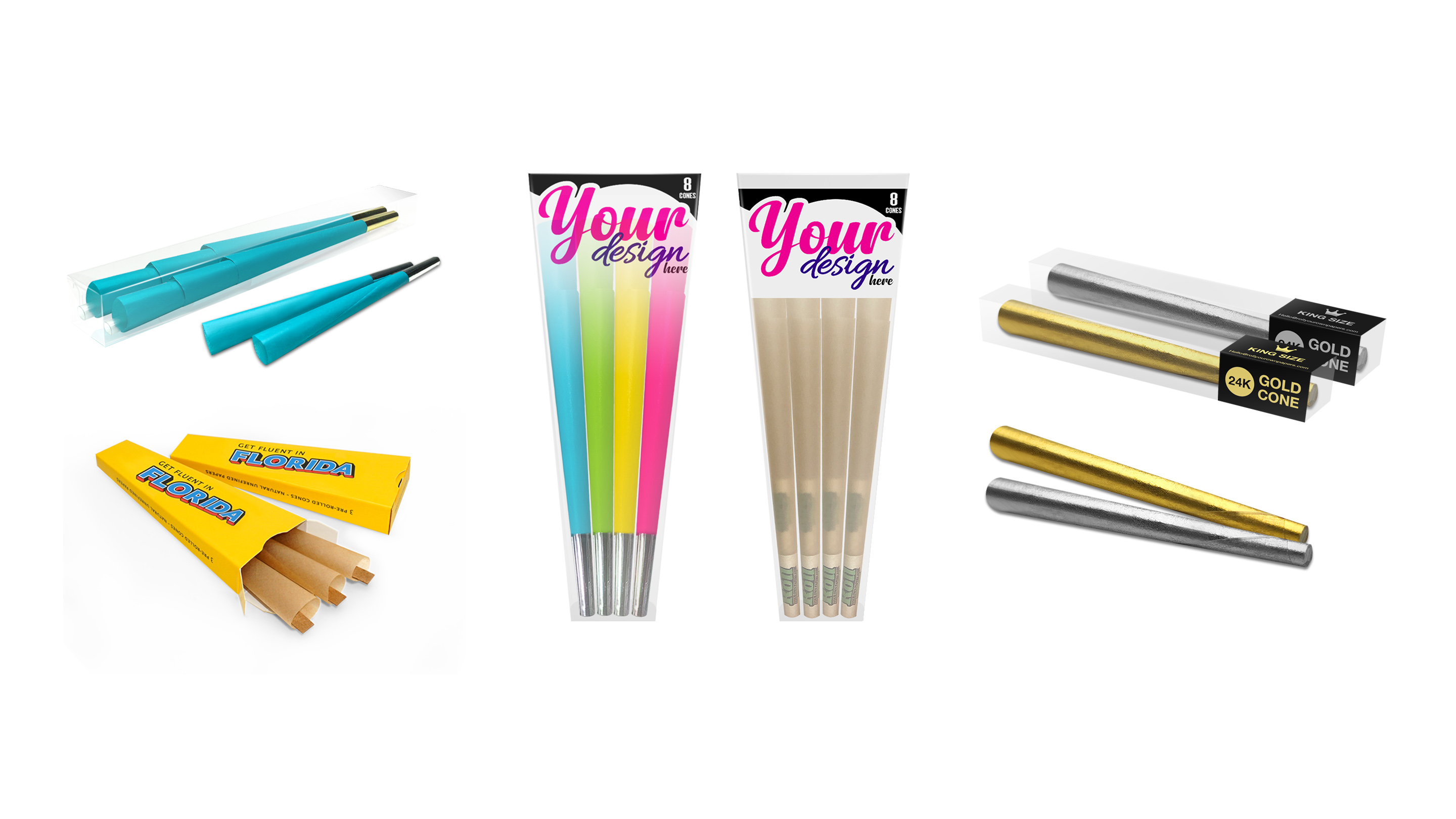
And if you’re building a brand, custom rolling paper is where it gets fun—because you can keep quality high while making your product look and feel premium.
That’s why so many dispensaries and 420 brands move toward custom rolling paper: it’s not just a tool. It’s identity.
One more thing: if you ever find yourself googling how to smoke weed without pipe or rolling paper again, take it as your sign to stock up on quality rolling paper and stop relying on last-minute improvisation.
For brands and bulk buyers, the advantage is even bigger: reliable supply, consistent quality, and products people genuinely come back for. That’s why premium rolling papers are one of those low-effort, high-impact upgrades.
And if you’re trying to stand out, custom rolling paper is the cleanest way to look premium without doing anything complicated.
🔥 Ready to Upgrade Your Rolling Game?
Parchment paper might belong in the oven, but your roll deserves better! 🎯 If you're tired of scrambling for alternatives and want a smooth, safe, and flavorful experience every time — we've got just what you need.
- ✔️ Made from organic hemp
- ✔️ Printed with food-grade ink
- ✔️ Sealed with 100% natural gum
- ✔️ Customize them with your brand, artwork, or vibe
📦 Bulk orders available | 🚚 Fast shipping | 🌱 Always chemical-free
❓ FAQ: Real Questions People Ask
1) Why do so many “hacks” online feel harsh?
Because random materials introduce coatings, inks, and adhesives—and heat can make those materials break down. Even if it “works,” the experience often feels rough because it wasn’t designed for comfort or airflow.
2) What’s the safest choice when you’re missing supplies?
The safest move is to avoid improvising with unknown materials and instead wait, borrow proper supplies, or pick up purpose-made products. Short-term patience beats long-term irritation.
3) Why are glossy papers such a bad idea?
Glossy paper often means coatings. Coatings plus heat can create harsh smells, strange taste, and unwanted byproducts. If it’s shiny, printed, or perfumed—skip it.
4) Do thicker papers make a difference?
It’s not only thickness—it’s quality. Good papers are engineered for consistent airflow and predictable performance. That’s why purpose-made papers feel smoother than “random paper.”
5) Does storage affect paper quality?
Yes. Heat and moisture can warp papers, affect feel, and reduce consistency. Store papers in a clean, dry place and keep a backup pack separated from your daily pack.
6) Is customization only about branding?
Branding is part of it, but quality control matters too. Premium custom papers can keep the materials consistent while adding a unique identity that customers remember.
7) What’s the easiest way to never get stuck again?
A simple mini kit: a fresh pack, a backup pack, and a clean pouch. The reason people end up googling this topic is usually because everything is stored in one place.





Leave a comment