


When Was Rolling Paper Invented? A Journey Through Rolling Paper History

A rolling paper doesn’t demand attention.
It’s thin, quiet, and easy to overlook — the kind of object you only notice when it’s missing.
But behind that simple sheet is a long, surprisingly human story shaped by necessity, scarcity, and people figuring things out on their own.
If you’ve ever asked when was rolling paper invented, the honest answer isn’t tied to a single year, inventor, or patent. Rolling paper didn’t arrive with a grand announcement. It emerged slowly, almost accidentally, as everyday people solved a very practical problem.
This article doesn’t treat rolling paper like a novelty. It treats it like what it really is — a product shaped by behavior long before it was shaped by industry.
By the end of this guide, you’ll understand not just when rolling paper appeared, but why it exists at all.
Table of Contents 📌
- Life Before Rolling Paper
- Why Paper Wasn’t an Obvious Choice
- When Rolling Paper Was Invented (The Real Beginning)
- Why Spain Became the Starting Point
- How Early Rolling Paper Was Actually Used
- From Habit to Demand
- The First Steps Toward Standardization
🌿 Life Before Rolling Paper
Before rolling paper existed, people still rolled dried herbs.
They just didn’t use paper.
Across different cultures and regions, the solution was simple: use what nature already provided. Leaves, husks, thin bark, and plant fibers were folded, dried, and shaped by hand.
These materials weren’t chosen for comfort or refinement. They were chosen because they were accessible. If a material could hold shape and burn evenly, it worked.
Paper existed during this time, but it wasn’t considered disposable. It was expensive, labor-intensive to produce, and associated with writing, records, and religion. Using paper for something temporary would have seemed wasteful.
That distinction matters, because it explains why rolling paper didn’t appear earlier — not because the idea was impossible, but because paper itself wasn’t viewed that way yet.
📄 Why Paper Wasn’t an Obvious Choice
To modern readers, using paper feels obvious.
Thin, flexible, lightweight — of course paper works.
But historically, paper had status. It represented permanence. Words written on paper mattered.
Using it casually, then burning it, went against how people valued it.
That mindset only began to change when paper production increased and literacy expanded across Europe. As paper became more common, its role shifted from sacred object to practical material.
Once paper became cheap enough to discard, people started experimenting with it in ways that had nothing to do with writing.
That shift opened the door for rolling paper to exist at all.
📜 When Was Rolling Paper Invented? (The Real Beginning)
So, when was rolling paper invented?
The most accurate answer is this:
Rolling paper first appeared in the 1500s.
Not as a product. Not as a brand. But as a behavior.
After European exploration of the Americas, dried plant leaves spread rapidly throughout Spain. Pipes and full cigars were available, but not affordable for everyone.
People noticed something important: discarded cigar ends still contained usable material.
Rather than waste it, they rewrapped it using whatever thin paper they had access to — pages from books, scraps from printers, or leftover sheets from written documents.
No one called it “rolling paper” yet. There was no category for it.
But functionally, paper had taken on a new role.
That moment — when paper replaced leaves as a wrapper — is the true origin of rolling paper.
🇪🇸 Why Spain Became the Starting Point
Rolling paper didn’t appear randomly.
Spain was uniquely positioned for it.
Spain had early access to dried plant materials from overseas. It also had established paper mills, printing presses, and a growing supply of scrap paper.
More importantly, Spain had a social environment where reuse wasn’t unusual. Items were repaired, reused, and repurposed out of necessity.
Using scrap paper as a wrapper wasn’t viewed as innovative. It was practical.
As more people adopted the habit, consistency became important. Not all paper behaved the same. Some burned unevenly. Some tore too easily.
That inconsistency is what eventually turned a habit into demand.
📦 How Early Rolling Paper Was Actually Used
Early rolling paper wasn’t cut neatly.
People tore it by hand. Folded it unevenly. Adjusted based on experience.
Rolling was a learned skill, refined through repetition.
Paper choice mattered more than people realized. Thinner paper produced better results. Smooth paper rolled more easily.
Over time, people began favoring certain scraps over others. Pages from specific printers. Certain paper textures.
This preference laid the groundwork for specialization — even before manufacturers recognized it.
📈 From Habit to Demand
Once a behavior spreads, demand follows.
By the late 1600s and early 1700s, people no longer wanted random scraps. They wanted paper made specifically for rolling.
This wasn’t about luxury. It was about reliability.
People wanted paper that:
- Was thin but strong
- Burned evenly
- Didn’t overpower flavor
- Could be rolled consistently
That expectation changed everything.
Rolling paper was no longer accidental. It was becoming intentional.
📐 The First Steps Toward Standardization
Standardization didn’t start with branding.
It started with size.
Once people knew how much paper they needed, cutting sheets to similar dimensions made sense.
In Spain, certain dimensions proved more effective than others. Slightly longer papers offered better control and flexibility.
These early sizes eventually evolved into what we now recognize as standard rolling paper formats.
By the early 1700s, rolling paper had crossed an invisible line — from improvised behavior to recognizable product.
And that’s where Part 2 begins.
🇫🇷 France: Refinement Over Reinvention
While Spain gave rolling paper its earliest structure, France gave it refinement.
French papermakers approached production differently. Their focus wasn’t speed or volume at first — it was texture, balance, and control.
Instead of asking “How thin can this paper be?” they asked “How will this paper behave in someone’s hands?”
That mindset mattered.
French papers became known for smoother finishes and more predictable performance. They folded better. Rolled tighter. Held shape longer.
This wasn’t marketing language yet. It was feedback-driven craftsmanship.
By the late 1700s, French-made rolling papers were trusted enough to be distributed at scale, including to organized institutions.
At that point, rolling paper had crossed another threshold: reliability.
📦 The Rise of the Rolling Paper Booklet
Loose sheets worked, but they weren’t efficient.
As rolling became more common, people needed a better way to carry and store paper.
The solution was simple: bind multiple sheets together into a small booklet.
This idea solved several problems at once.
- Papers stayed clean
- Sheets didn’t tear as easily
- Sizes remained consistent
- Paper could be counted and rationed
Booklets didn’t just improve convenience — they reinforced standardization.
Once paper came in a predictable format, rolling techniques became more refined. People adjusted their habits around the paper instead of adapting to scraps.
This feedback loop pushed manufacturers to improve quality even further.
📐 When Size Became a Language
Rolling paper sizes weren’t originally named.
They were described.
“This one is longer.” “That one folds better.” “That one burns more evenly.”
Over time, certain dimensions became preferred simply because they worked better in real use.
Spanish papers, slightly longer than others, became a reference point. That reference eventually turned into what we now recognize as the 1¼ size.
What’s important here is this:
Sizes weren’t invented by marketing teams. They were shaped by rolling behavior.
Manufacturers followed users, not the other way around.
🧲 The Gum Strip: A Small Detail That Changed Everything
Early rolling papers had a weakness.
Sealing them reliably wasn’t easy.
People relied on moisture alone, which worked inconsistently depending on paper type and thickness.
Manufacturers addressed this by adding a narrow strip of natural gum along one edge of the paper.
This wasn’t a cosmetic feature. It was functional.
The gum strip allowed rolls to hold shape more consistently and reduced waste caused by unraveling.
By the late 1800s, gummed papers had become standard across much of Europe.
Once again, a small technical improvement reshaped rolling habits.
🏭 The Industrial Era: From Craft to Global Product
The 1800s marked the true industrialization of rolling paper.
Hand-cut sheets gave way to machines. Production scaled. Quality stabilized.
Interleaved papers improved dispensing. Mechanical rollers accelerated preparation.
Rolling paper was no longer regional.
It was global.
Distribution expanded beyond Europe, following trade routes and migration patterns.
By the end of the 19th century, rolling paper had become a recognizable category — even if people didn’t yet think of it as a “brand-driven” product.
🌍 The 20th Century: Culture, Identity, and Choice
The 20th century changed how people related to rolling paper.
It was no longer just functional.
It became personal.
Rolling paper choices reflected identity, habits, and preferences. Some people preferred thinner sheets. Others valued durability. Some cared about material origin.
At the same time, pre-made alternatives became more common — but rolling paper didn’t disappear.
Instead, it survived by offering control.
Rolling allowed people to choose size, density, and material in a way factory-made options never could.
That flexibility kept rolling paper relevant even as automation increased.
🚀 Modern Rolling Papers: Materials and Precision
Today’s rolling papers are engineered products.
Modern materials include:
- Hemp-based fibers
- Rice paper
- Natural wood pulp
- Unbleached plant fibers
Each material behaves differently.
Some burn slower. Some feel lighter. Some emphasize neutrality.
What matters is choice.
Modern users expect rolling papers to perform consistently, feel clean, and align with their personal standards.
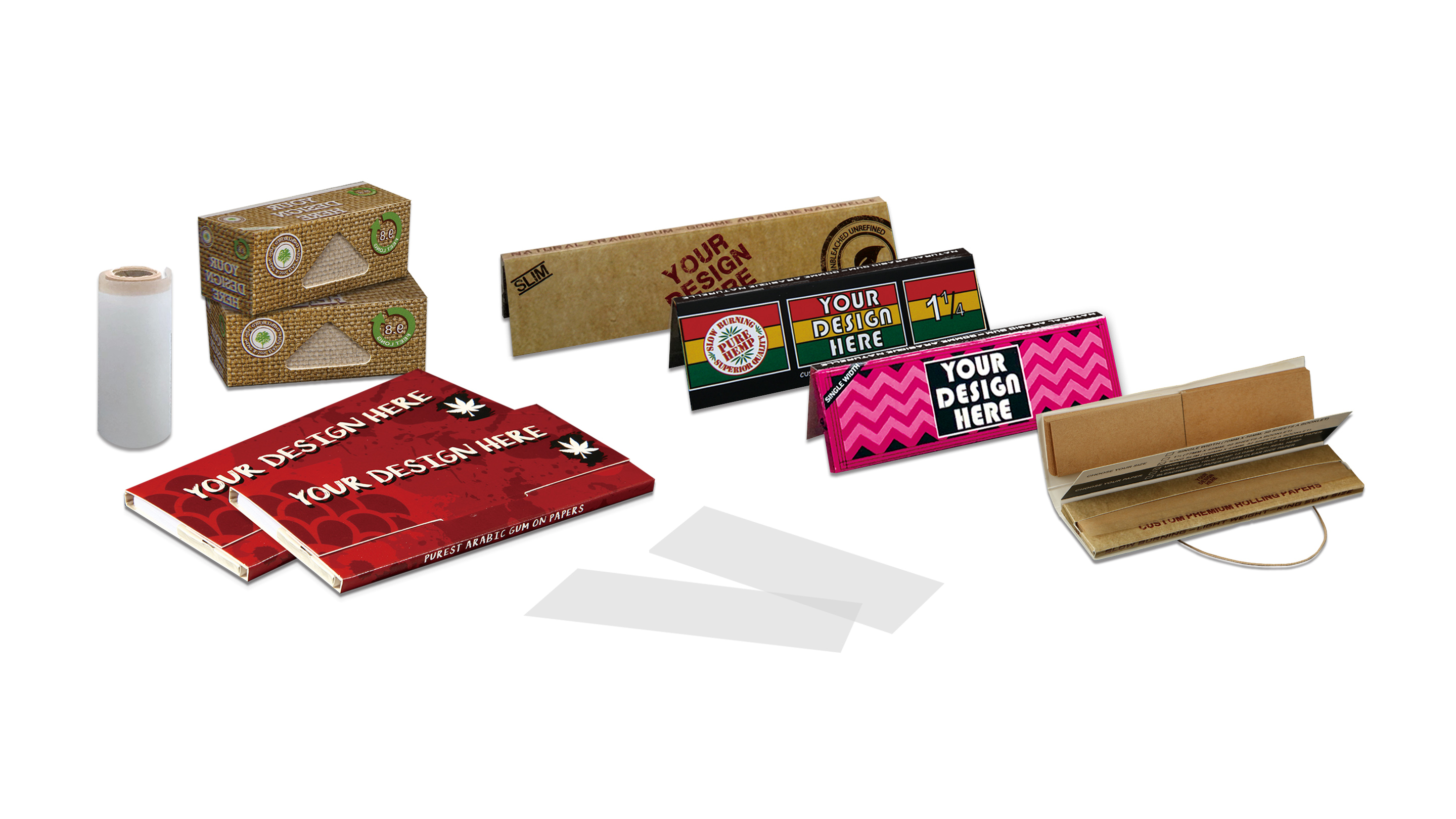
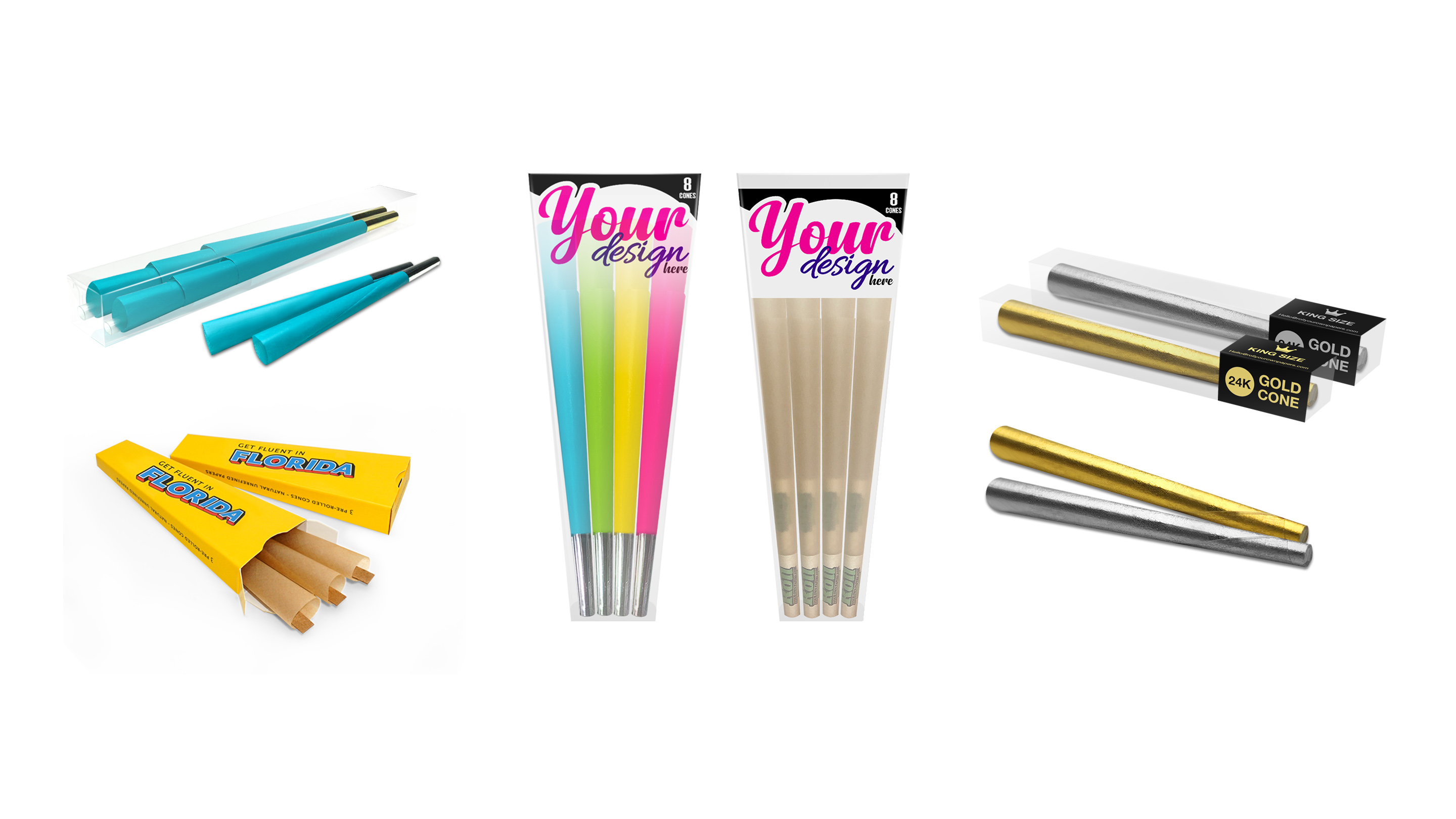
Customization has also become a defining feature — from size and texture to printed designs and branding.
👀 What Most Articles Get Wrong About Rolling Paper History
Many articles frame rolling paper as a “product invention.”
That’s misleading.
Rolling paper wasn’t invented in a lab or announced by a company. It emerged because people needed a solution and adapted what they already had.
Another common mistake is assuming innovation drove behavior.
In reality, behavior drove innovation.
People rolled better. Then paper improved.
Not the other way around.
Finally, many histories overlook the role of standardization. Sizes, booklets, and gum strips weren’t branding tools — they were responses to real-world use.
🔥 Choosing Better Rolling Papers Today
Rolling papers have evolved for centuries, but one thing hasn’t changed: quality matters. Modern rolling paper isn’t just about tradition — it’s about consistency, clean materials, and reliable performance.
- ✔️ Organic hemp-based materials
- ✔️ Food-grade ink for printed designs
- ✔️ Natural gum for reliable sealing
- ✔️ Custom designs and bulk ordering options
Built for modern standards. Rooted in centuries of evolution.
❓ Frequently Asked Questions
When was rolling paper invented?
Rolling paper first appeared in the 1500s when people began using scrap paper as a wrapper instead of leaves.
Was rolling paper invented in one place?
No. The earliest use occurred in Spain, but refinement and scaling happened across multiple European regions.
Who invented rolling paper?
There was no single inventor. Rolling paper evolved naturally from everyday use.
What materials were used before rolling paper?
Leaves, corn husks, and other plant fibers were commonly used.
Why did rolling paper survive industrialization?
Because it offered flexibility and control that factory-made alternatives could not.
What makes modern rolling papers different?
Modern papers use refined materials, consistent sizing, and improved production techniques.
Why do rolling papers come in different sizes today?
Sizes evolved from early user preferences and became standardized over time.





Leave a comment