

What to Look for in a White Label Rolling Papers Supplier (2026)

A white label rolling papers supplier is basically a manufacturer that produces papers under your brand name — they use their own production line but print your logo, your artwork, and your packaging design on the finished product. The right partner gives you a turnkey route to market without sinking money into machinery, raw material sourcing, or factory overhead. But choosing the wrong one? That can cost you months in delays, wildly inconsistent product quality, and margins that quietly erode order after order.
Here's the thing — the white label rolling papers space has absolutely exploded since 2023. More brands than ever are jumping in, and suppliers know it. So you'll encounter everything from world-class partners with transparent processes to middlemen reselling products they've never actually manufactured. This guide exists to help you tell the difference before you wire a single dollar.
Whether you're launching a new accessory brand, sourcing promotional items for events, or expanding an existing product line, this post breaks down exactly what to evaluate — and what most buyers overlook until it's too late. No fluff. Just the criteria that actually matter when you're putting your brand's name on something people will hold in their hands.
Table of Contents
- What Is a White Label Rolling Papers Supplier?
- White Label vs. Private Label — Know the Difference
- 7 Non-Negotiable Criteria for Evaluating Suppliers
- Paper Materials and Quality Benchmarks You Should Know
- MOQs, Lead Times, and Pricing Tiers Compared
- Red Flags That Should Make You Walk Away
- How to Request and Actually Evaluate Samples
- Scaling Your Orders Without Sacrificing Quality
- For Individual Sellers and Personal Brands
- Frequently Asked Questions
What Is a White Label Rolling Papers Supplier?
A white label rolling papers supplier manufactures papers that you sell under your own brand identity. They handle everything — production, cutting, printing, packaging. You provide the design, and they deliver a shelf-ready product. It's the fastest way to bring branded rolling accessories to market without building your own factory.
Why does the model work so well? Because rolling paper manufacturing demands seriously specialized equipment. We're talking ultrathin paper slitting machines, watermark rollers, gum-line applicators, high-resolution packaging printers. Buying or leasing all that makes zero financial sense unless you're cranking out tens of millions of booklets a year. White labeling sidesteps the entire headache.
Sound familiar? If you've ever bought store-brand groceries, you've already experienced white labeling. Same concept — except the stakes feel higher when you're building a lifestyle brand around the product. Your customers will judge your entire operation by the feel of the paper, the tightness of the booklet, and the print quality on the cover. That's why supplier selection isn't just procurement. It's a brand decision.
One more thing worth noting: the global rolling papers market is projected to surpass $6.2 billion by 2028, according to multiple industry analyses from the last 18 months. That growth keeps pulling new white label suppliers into the space every quarter — some excellent, some... not so much. Your job is to separate signal from noise.
White Label vs. Private Label — Know the Difference
These terms get thrown around interchangeably all the time. But they aren't the same thing. Understanding the distinction saves you from miscommunication with manufacturers and helps you set realistic expectations for what's actually customizable.
White Label Defined
White label means the supplier already has existing products — pre-determined paper sizes, thicknesses, gum types, booklet formats — and you slap your branding on them. You're essentially choosing from a menu. The paper itself isn't custom; the packaging and printed design are. This keeps costs lower and lead times shorter because there's no R&D or tooling involved.
Private Label Defined
Private label goes further. You can specify the paper blend, weight (measured in grams per square meter, or GSM), the type of adhesive strip, custom booklet dimensions, even unique features like watermarks or embossed textures. It requires higher minimums and longer production timelines because the supplier is manufacturing to your exact specifications.
Which Should You Choose?
If you're launching for the first time or testing a new market, white label is almost always the smarter move. You'll get to market faster with lower upfront investment, and you can iterate on branding without being locked into some massive production run. Once you've validated demand and know exactly what your customers want, you can graduate to private label for deeper differentiation.
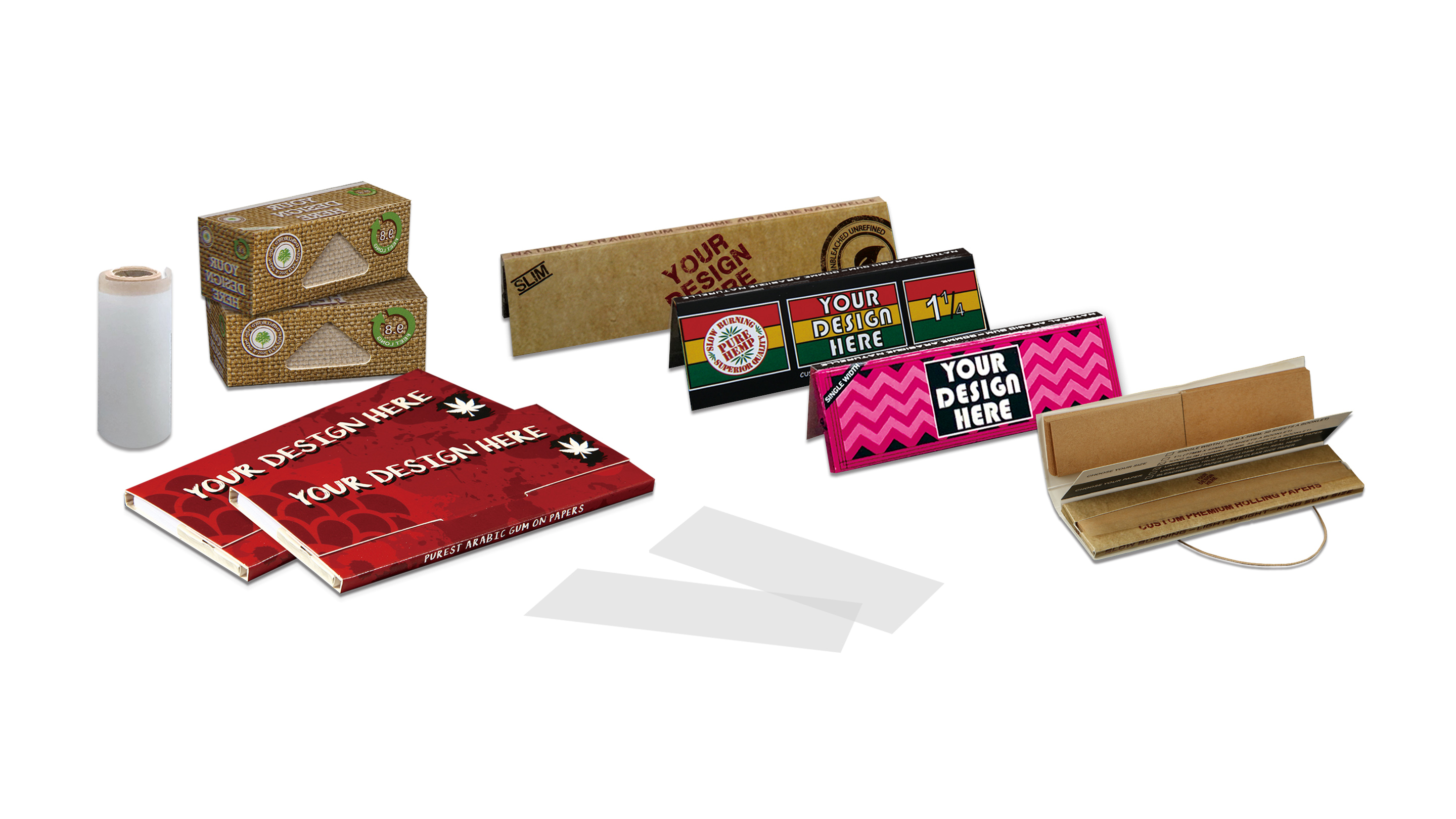
But here's what most people miss: a lot of suppliers offer a hybrid approach. You start with their standard paper stock but customize the booklet count, tip inclusion, outer packaging style, and print finish. At RYOP, for example, custom rolling papers can be configured with your artwork on existing premium paper — giving you the speed of white label with a visual identity that feels fully bespoke.
7 Non-Negotiable Criteria for Evaluating Suppliers
The short answer? Not all suppliers are equal. And price should be the last thing you compare — not the first. Here are the seven criteria that separate reliable partners from regrettable choices.
1. Production Transparency
Ask where the papers are physically manufactured. Not where the company is headquartered — where the machines actually run. Some U.S.- and EU-based suppliers are simply brokers purchasing from overseas factories. That's not inherently bad, but you need to know it. If the supplier can't name the factory? That's a problem.
2. Material Certifications
Look for FSC (Forest Stewardship Council) certification on the paper stock. This matters more in 2026 than it ever has — roughly 72% of millennial and Gen-Z consumers say sustainability influences their purchasing decisions. If your supplier can't provide chain-of-custody documentation for their raw materials, your "eco-friendly" branding claim won't hold up to any real scrutiny.
3. Print Quality and Method
There are three common printing methods for rolling paper packaging: offset lithography, digital printing, and flexography. Offset delivers the sharpest color reproduction for large runs. Digital is ideal for short runs with frequent design changes. Flexography works well for simple, high-volume designs. A good supplier will recommend the right method based on your order size and artwork complexity — not just default to whatever's cheapest on their end.
4. Regulatory Compliance
Your supplier should be using food-grade, non-toxic inks and adhesives. Ask for Safety Data Sheets (SDS) on the gum line adhesive and any inks that make direct contact with the paper. This isn't optional — in both the U.S. and EU, products intended for contact with herbs or botanicals face increasing material safety requirements. Don't skip this step.
5. Packaging Flexibility
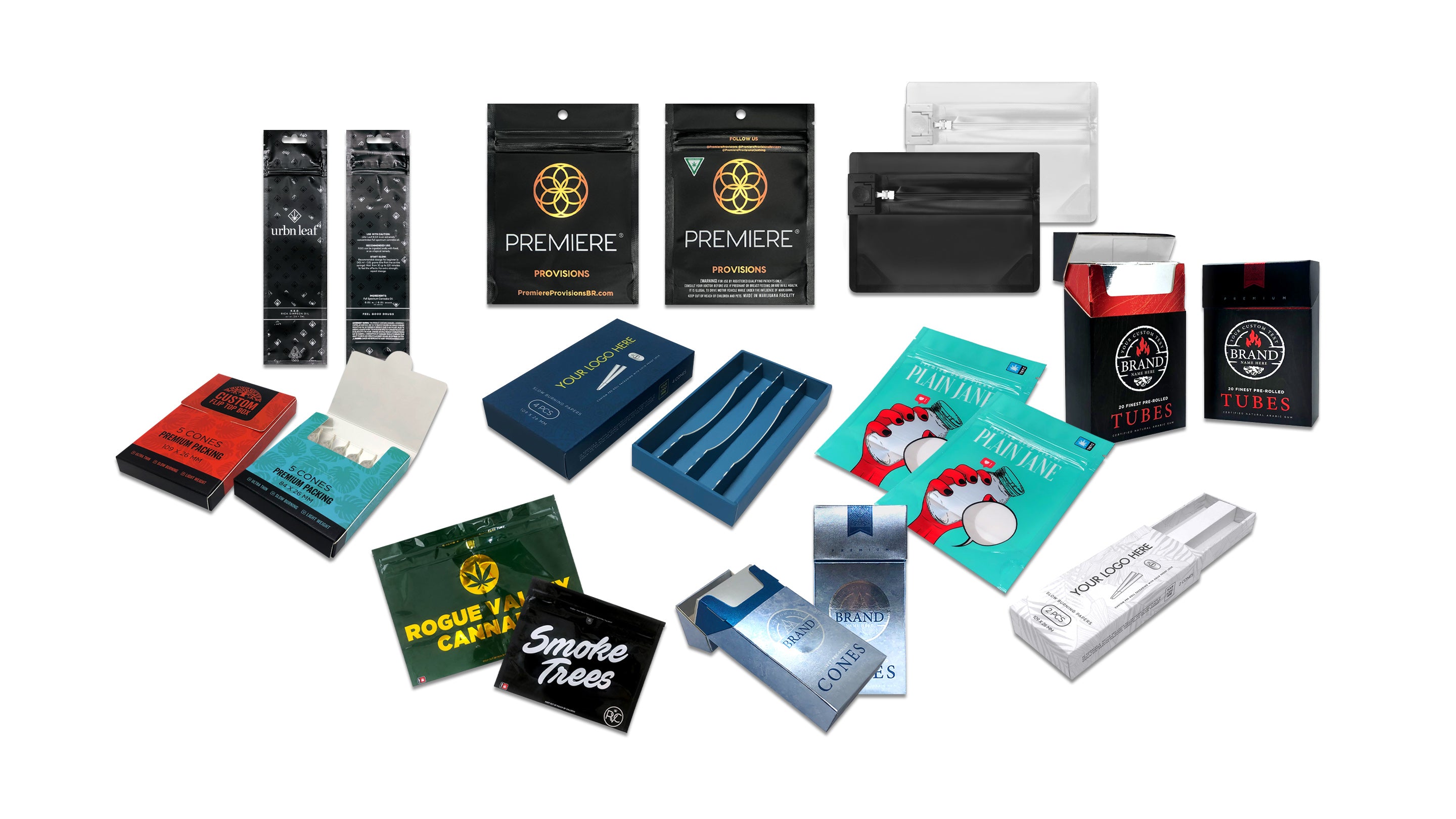
Can the supplier offer multiple packaging formats — magnetic closure boxes, soft packs, slide tins, simple booklet wraps? The packaging is often what separates a $2 retail product from a $12 one. If the supplier only offers one format, your brand's ability to target different market segments is limited from day one.
6. Sample Turnaround
How long does it take to get a pre-production sample? Any supplier worth your business should ship a branded sample within 7–14 business days of receiving final artwork. If the sample process drags out longer than the quoted production run itself, that's a sign of disorganization — or worse, a lack of in-house capability.
7. Communication Responsiveness
This one sounds soft. But it's deeply predictive.
If a supplier takes 5 days to respond to your initial inquiry, imagine how they'll handle an urgent quality issue mid-production. Track response times during the sales process. Under 24 hours is good. Under 4 hours is excellent. Over 48 hours? Move on.
Paper Materials and Quality Benchmarks You Should Know
Not all rolling papers are made from the same base material. And the material directly impacts the user experience — burn rate, taste, feel between the fingers, even the way the paper holds its shape during rolling. Here's a breakdown of the most common options your white label supplier should have available.
Unbleached Wood Pulp
The classic option. Typically 12–14 GSM (grams per square meter), unbleached wood pulp papers are slightly thicker and more forgiving for beginners. They have that light brown color, which also signals a "natural" aesthetic that resonates with health-conscious buyers. And honestly? They're the easiest paper type for suppliers to produce consistently, so quality control issues are less common here.
Rice Paper
Thinner than wood pulp — usually 10–12 GSM — rice papers burn slowly and produce minimal ash. They're a favorite among experienced users who want a clean-tasting session with herbal blends. The tradeoff: rice paper is more delicate. It's slightly harder to roll for novices and more susceptible to humidity during storage.
Flax and Botanical Fiber Blends
Flax-based papers sit somewhere between wood pulp and rice in terms of thickness and burn characteristics. Some suppliers offer proprietary blends incorporating other plant fibers for unique textures or burn profiles. If your brand positions itself as premium or artisanal, these specialty blends can be a strong differentiator — but expect higher per-unit costs and potentially longer lead times.
Transparent (Cellulose) Papers
Made from plant-derived cellulose, these clear papers are a novelty item with genuine shelf appeal. They look striking in packaging and photograph beautifully on social media.
But let's be real — they represent a small niche. Most suppliers charge a premium for cellulose, and minimums are often higher because the material requires different machinery. Consider them for limited-edition drops rather than your core SKU.
What GSM Should You Target?
For most white label projects, 12–13 GSM hits the sweet spot between durability and thinness. Papers under 10 GSM are extremely delicate and demand skilled rolling. Papers over 15 GSM can feel thick and may affect the flavor profile of dried herbs. Ask your supplier for the exact GSM spec — if they can't tell you, that's a red flag we'll cover shortly.
MOQs, Lead Times, and Pricing Tiers Compared
If you're a brand manager reading this, you need hard numbers to build a business case. Here's a realistic comparison of what to expect from different types of white label rolling papers suppliers in 2026.
| Supplier Type | Typical MOQ | Lead Time (Samples) | Lead Time (Production) | Per-Unit Cost Range | Customization Level |
|---|---|---|---|---|---|
| Direct Factory (Asia) | 10,000–50,000 booklets | 10–21 days | 30–60 days | $0.08–$0.25 | High (private label available) |
| Domestic White Label Partner (U.S.) | 1,000–5,000 booklets | 5–14 days | 14–30 days | $0.30–$0.85 | Medium (standard stock + custom print) |
| Boutique / Specialty Supplier | 250–1,000 booklets | 3–7 days | 10–21 days | $0.75–$2.00+ | Medium-High (premium finishes) |
| Broker / Reseller | 500–5,000 booklets | 14–30 days | 30–90 days | $0.40–$1.20 | Low (limited options) |
A few things jump out right away. First, per-unit cost drops dramatically as MOQs increase — no surprise there. But notice the lead time differences. A domestic U.S. partner can often deliver in half the time of an overseas factory, which matters enormously if you're launching around a specific event or retail date.
Second — and this one catches people off guard — brokers and resellers often have longer lead times than direct factories despite offering less customization. Why? Because they're adding a communication layer (and a margin layer) between you and the actual manufacturer. That's not always a dealbreaker. Some brokers add real value through quality inspection and logistics management. But you should know what you're paying for.
At RYOP, you can explore custom rolling papers with flexible order quantities that work for both first-time buyers testing a concept and established brands placing recurring wholesale orders. That kind of flexibility matters more than most suppliers will admit.
Red Flags That Should Make You Walk Away
Let's be blunt — not every company calling itself a white label rolling papers supplier actually deserves that title. Here are the warning signs that should trigger an immediate pivot to the next option on your list.
No Physical Samples Available
If a supplier can't — or won't — send you a physical sample before you commit to a production order, walk away. Period. Photos don't convey paper texture, burn quality, or adhesive tackiness. A legitimate manufacturer will have samples on hand and be eager to ship them, because they know their product holds up under scrutiny.
Vague Material Specs
"Our papers are high quality" is not a spec. You need GSM, fiber composition, adhesive type (natural acacia gum vs. synthetic), and ink type (soy-based, vegetable-based, or chemical). If the supplier dodges these questions — or gives inconsistent answers across conversations — they either don't manufacture the product themselves or don't control their own quality standards. Either way, it's a pass.
No References or Portfolio
A supplier that can't share at least 2–3 examples of brands they've produced for (even with NDAs redacting specific details) probably hasn't done this enough to be reliable. Over 65% of white label product failures — across all consumer goods categories — trace back to inexperienced manufacturing partners, according to supply chain industry surveys.
Pricing That Seems Too Good
If one supplier is quoting $0.05 per booklet while everyone else comes in at $0.20–$0.35, something's off. Either the paper quality is drastically lower, the quoted price doesn't include packaging or shipping, or the MOQ is buried in fine print. Always compare quotes on an apples-to-apples basis: landed cost per finished, packaged unit — including freight, duties (if importing), and any setup fees.
Inconsistent Branding of Their Own Business
This one's subtle but telling. If the supplier's own website has typos, broken links, mismatched logos, and no clear contact information... what does that tell you about their attention to detail when printing your brand's artwork? Quality-oriented manufacturers invest in their own presentation because they understand details matter at every level.
How to Request and Actually Evaluate Samples
Getting a sample is only half the battle. Knowing how to evaluate it like a professional buyer? That's where most newcomers fall short. Here's a step-by-step process that takes roughly 30 minutes and can save you thousands.
Step 1: The Visual Inspection
Check print alignment first. Is the artwork centered on the booklet cover? Are colors consistent across multiple booklets (request at least 5)? Look for ink bleeding, smudging, or misregistration — that's where one color layer is slightly offset from another. Hold the booklet at different angles under direct light. Print defects that seem minor in dim packaging become glaringly obvious on a retail shelf.
Step 2: The Paper Feel Test
Pull a single sheet from the booklet. Hold it up to light. Is the thickness uniform, or can you spot thin patches? A quality paper should feel smooth — not papery or rough — with a slight, pleasant grip between your fingers. If the paper feels slippery or waxy, the surface treatment may interfere with how well it wraps around dry herbs.
Step 3: The Adhesive Check
Lightly moisten the gum line with a damp fingertip. Natural acacia gum should activate with minimal moisture and form a secure bond within 2–3 seconds. If it takes excessive wetting or peels apart easily once dry, the adhesive formulation is subpar.
Also pay attention to the taste. Natural gum should be virtually flavorless. Any chemical or bitter taste? Dealbreaker.
Step 4: The Burn Test
Roll a paper around a small amount of dried herbal material — chamomile, lavender, or any food-grade dried botanical works perfectly for testing. Light one end and watch closely. The burn should advance evenly across the full width without canoeing (burning faster on one side). Ash should be light gray or white, not dark or oily. An even, slow burn tells you the fiber density is consistent and the paper treatment is proper.
Step 5: The Packaging Durability Test
Toss the booklet in your bag or pocket for 48 hours. Then open it up. Did the cover tear? Did papers fall out? Did the adhesive strip on the closure lose its stick? Real-world handling matters because your customers won't treat these booklets like museum artifacts. They'll shove them in pockets, backpacks, and glove compartments.
Scaling Your Orders Without Sacrificing Quality
Here's a scenario that plays out constantly: a brand starts with a 1,000-booklet test order, loves the result, then jumps straight to 25,000 — and the quality drops. Why does this keep happening? And how do you prevent it?
Why Quality Dips at Scale
Small orders often get extra attention. The production team runs them carefully, sometimes hand-inspecting each booklet. When you 25x the volume, that individual care disappears. The line runs faster, quality checkpoints become statistical rather than comprehensive, and raw materials may come from a different batch — or even a different sub-supplier entirely.
How to Protect Yourself
Build quality benchmarks into your purchase agreement from the start. Specify acceptable GSM range (e.g., 12.5 ± 0.5 GSM), color matching standards (request a Pantone reference and require Delta E color deviation under 3.0), and defect tolerance (e.g., no more than 2% of booklets with visible print misalignment). This isn't being difficult — it's being professional. Serious suppliers actually welcome the clarity because it reduces disputes down the road.
And request a pre-production proof for every reorder — not just the first one. Artwork files can get corrupted, plates wear out, new press operators may not match settings from your last run. A $50 proof approval cycle is cheap insurance against a $5,000 problem.
The Gradual Scaling Approach
Instead of jumping from 1,000 to 25,000, consider intermediate steps: 1,000 → 3,000 → 10,000 → 25,000. Each step gives you a fresh quality checkpoint.
Yes, per-unit costs are slightly higher at lower quantities. But think of the incremental cost as a quality assurance investment. Fair warning — this approach requires more patience and more back-and-forth with your supplier. But it dramatically reduces the risk of discovering a problem after you've already committed to a massive order.
For Individual Sellers and Personal Brands
Event planners — this one's for you. You don't need to be a major retailer to benefit from white label rolling papers. In fact, some of the most creative uses we've seen come from individuals and micro-brands.
Custom Papers for Events
Festival organizers, brand activation agencies, and even wedding planners are ordering branded rolling papers as unique promotional items or party favors. A 250–500 booklet order with custom artwork makes a surprisingly memorable giveaway. And the numbers back it up — the cost per impression rivals business cards, but with dramatically higher retention. About 87% of recipients keep a functional promotional item for at least a month, compared to under 20% for printed flyers.
Merch for Content Creators and Artists
If you're a musician, visual artist, or content creator with a loyal audience, branded rolling accessories can be a seriously high-margin merch item. Production cost on a custom booklet is low, retail perceived value is high, and the product is lightweight enough to ship affordably worldwide. It's a category where authenticity matters more than scale — and white label makes the barrier to entry almost negligible.
Starting a Small Accessory Line
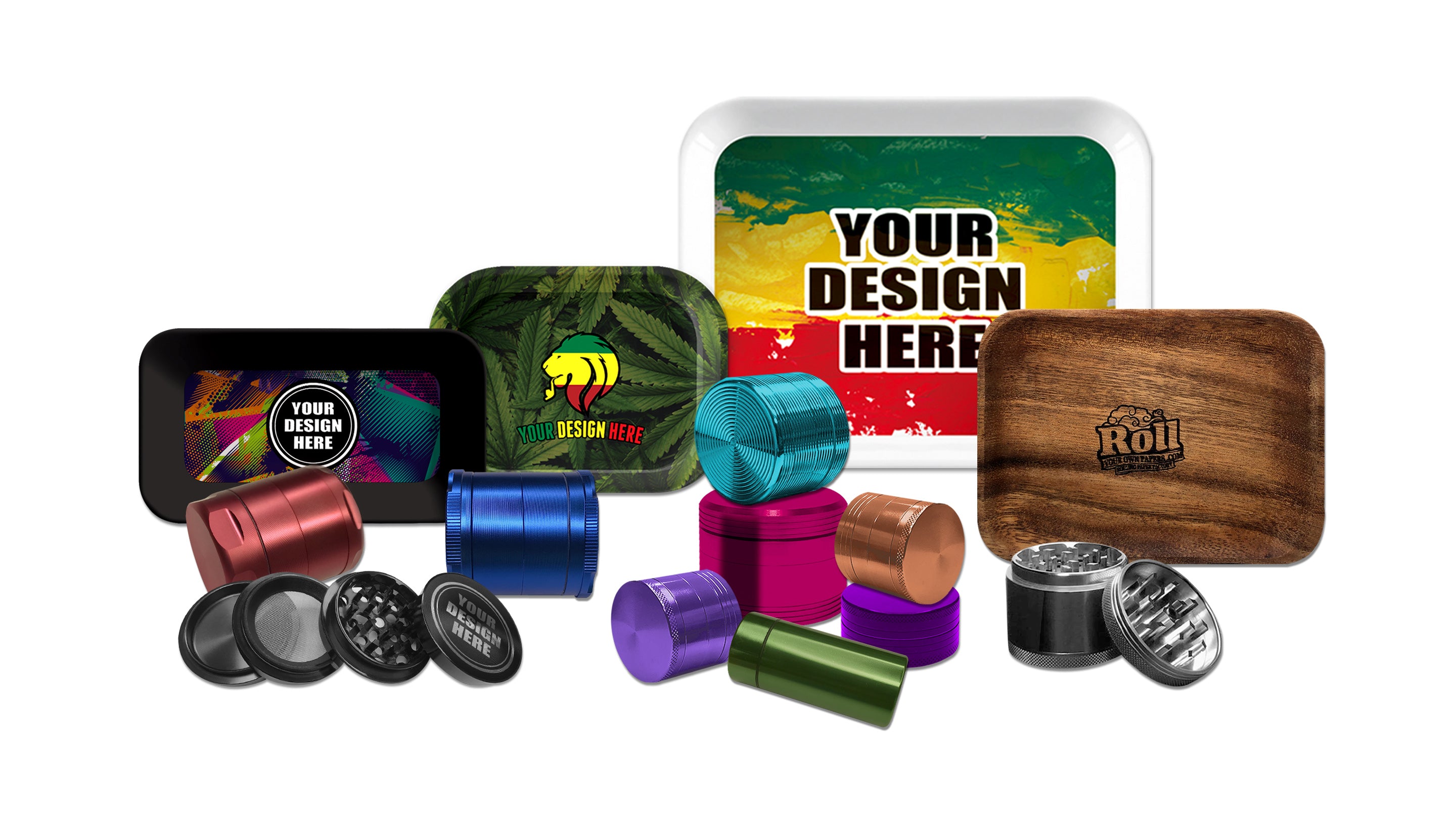
Maybe you're testing a broader botanical accessories brand and rolling papers are just one SKU. White label lets you launch with minimal risk while you figure out what resonates. Pair your papers with branded grinders, rolling trays, or filter tips to create a cohesive product ecosystem. Start with the papers — they're the lowest-cost, fastest-to-produce item — and expand from there once you've validated demand.
No matter which of these scenarios fits your situation, custom rolling papers from RYOP are designed to serve both first-time buyers and seasoned brands with equal attention to quality and customization options.
A Note on Building Brand Loyalty Through Accessories
Here's an angle most people don't consider: rolling papers are a consumable. They get used up and repurchased. Unlike a t-shirt someone wears occasionally or a sticker collecting dust on a laptop, papers are functional — every single session.
Every time a customer reaches for your branded booklet during an herbal ritual, they're re-engaging with your brand. That kind of habitual reinforcement is almost impossible to achieve with other merch categories at this price point. So when you're weighing whether the white label investment makes sense for your audience... think about that repeat touchpoint. It's rare and it's powerful.
🔥 Shop Custom Rolling Papers at RYOP
Get premium custom rolling papers for your brand, event, or personal use. Bulk pricing available.
- ✔️ Premium quality
- ✔️ Custom branding available
- ✔️ Bulk & wholesale pricing
- ✔️ Fast shipping worldwide
📦 Bulk orders available | 🚚 Fast shipping | 🌱 Eco-friendly options
Frequently Asked Questions
- What's the minimum order for white label rolling papers? It depends on the supplier type. Boutique partners may start at 250 booklets, while direct factories typically require 10,000 or more. At RYOP, we offer flexible quantities that accommodate both small test runs and large wholesale orders — so you don't have to over-commit before you've validated your design.
- How long does it take to get a branded sample? Most reputable suppliers deliver pre-production samples within 7–14 business days after receiving your final artwork files. Some domestic suppliers can turn samples around in as few as 3–5 business days. Always factor sample approval time into your overall project timeline.
- Can I use my own artwork and logo on white label papers? Absolutely. That's the entire point of white labeling. You'll typically submit high-resolution files (300 DPI minimum, CMYK color mode) along with any Pantone references for brand-specific colors. Your supplier should provide a print-ready template with bleed lines and safe zones.
- Do you offer eco-friendly or sustainably sourced papers? Yes — and you should insist on this from any supplier you work with. Look for FSC-certified paper stock, natural acacia gum adhesive, and soy- or vegetable-based inks. These materials perform just as well as conventional alternatives while supporting responsible sourcing practices.
- What's the difference between white label and fully custom rolling papers? White label means you're applying your branding to an existing paper product — standard size, thickness, and format. Fully custom (private label) lets you specify paper material, GSM, dimensions, adhesive type, and even unique features like watermarks. White label is faster and more affordable; private label is for brands that need total differentiation.
- Can I order white label papers for a one-time event? Definitely. One-time event orders — festivals, brand activations, product launches, private parties — are one of the most popular use cases. Many suppliers, including RYOP, accommodate short-run orders specifically designed for event giveaways and promotional purposes without requiring ongoing commitments.
- How do I ensure consistent quality across reorders? Specify quality benchmarks in your purchase agreement: GSM tolerance, color deviation limits (Delta E under 3.0), adhesive activation standards, and defect percentage thresholds. Request a pre-production proof for every reorder, not just your initial run. And consider scaling gradually — 1,000 to 3,000 to 10,000 — rather than making massive jumps between order sizes.


Leave a comment