🌿 How to Make Hemp Rolling Paper at Home: A Step-by-Step DIY Guide 📜

Ever found yourself ready to roll, only to realize you're out of rolling papers? 😅 You're not alone. Instead of a late-night store run or resorting to random scraps, imagine having your own hemp rolling papers handmade and ready to go. Sound like a dream? It's actually totally doable! With a few basic materials and a bit of patience, you can craft all-natural hemp papers right at home.
In this guide, we'll walk you through exactly how to make hemp rolling paper from scratch – from raw hemp fiber to finished sheet. You'll learn what makes hemp papers special, what materials you'll need, and every step of the process. We'll also share pro tips for a smooth experience, cover some creative alternatives, and explain why certain things (like printing your own custom rolling paper designs) are better left to the pros. By the end, you'll be able to roll up with confidence using paper you made yourself. How cool is that? 😎
Before we dive in, a quick note: always use clean, chemical-free materials for this project. Hemp is a natural superstar, but you'll be burning these papers eventually, so you don't want any nasty inks, glues, or additives in the mix. Keep it pure and 🌿 all-natural for the best (and safest) results. Now, let's get rolling (literally)! 😉
What is Hemp Rolling Paper? 🤔
Hemp rolling paper is exactly what it sounds like: rolling paper made from fibers of the hemp plant. Unlike ordinary wood-pulp papers, hemp papers use the bast fibers from industrial hemp stalks, giving them a light brown color and a slow, even burn. Hemp has been used for paper for centuries – it's strong, renewable, and grows much faster than trees. Many enthusiasts (and the environment 🌎) appreciate this natural option.
Hemp bast fibers: These long, tough fibers (seen above peeled from a hemp stalk) are what get turned into pulp and eventually thin rolling paper. When processed into paper, hemp fibers create a durable yet lightweight sheet ideal for rolling your favorite herbs. Hemp rolling papers often have a faint sweet or earthy taste (some people love it, others hardly notice) and are typically unbleached, meaning no harsh chemicals. In fact, some of the most popular rolling paper brands in the world use hemp because of these qualities.
Why Make Your Own Rolling Paper? 💡
Why go DIY when you can easily buy rolling papers? Well, making your own hemp papers comes with some pretty cool perks:
- Always be prepared: If you master how to create papers, you'll never worry about running out of rolling papers again. No more late-night store runs or bumming papers off friends. 🙌
- All-natural and additive-free: When you DIY, you control exactly what goes into your paper (just hemp and love). Many commercial papers have chalks or burn additives – yours will be pure hemp, which feels healthier and cleaner.
- Save money (in the long run): Granted, a pack of papers isn't pricey, but if you happen to have access to hemp fibers (say, from a garden or farm), turning waste into your own papers can be cost-effective and sustainable. ♻️
- Fun craft project: Let's face it, making your own stuff is just cool. It's a conversation starter and a bragging right. Show off your homemade hemp papers at a party and watch everyone's jaws drop. 😎
- Custom feel: While you won't be printing flashy logos at home (more on custom rolling paper printing later), you can experiment with thickness, size, and even subtle flavors. Your papers, your rules, your personal touch.
Materials and Tools You'll Need 🛠️
Time to gather your supplies. You don't need heavy industrial machinery – we can improvise with household items. Here's what you'll need to make hemp rolling papers from scratch:
- Raw hemp fibers: This is the core ingredient. Ideally, you have dried hemp stalks or hemp hurd to work with. If you grow hemp or have access to industrial hemp, use the dried stalks (you'll strip out the fibers from the woody core). No hemp stalks? No problem – you can use alternative sources like hemp twine or fabric scraps (100% hemp, undyed) as the fiber source. The key is to have pure hemp material to pulp up.
- A bucket or tub: You'll be soaking and pulping fibers in water, so a large plastic bucket, tub, or even a deep sink will do for mixing the slurry.
- Blender or food processor: This will act as your mini pulping machine. A standard kitchen blender can shred the soaked hemp fibers into a pulp. (Don't worry – you can clean it thoroughly afterward, or use an old blender dedicated to crafts.)
- Papermaking mold & deckle: Fancy term, but it's basically a screen in a frame used to form paper sheets. You can buy a small papermaking frame online, or DIY one with a wooden picture frame and a piece of fine mesh (like window screen mesh). Secure the mesh tightly over the frame – this creates a flat sieve to catch pulp.
- Large cloth or sponge: After forming the sheet, you'll need to press out excess water. A sponge or an old flat absorbent cloth works to gently pat the sheet and soak up water.
- Heavy books or a press: To get your paper nice and flat, a bit of pressure helps. A stack of heavy books or a clamp/press will press the paper as it dries, making it thinner and smoother.
- Flat surface & drying area: Plan a clean, flat area where the paper can dry undisturbed. It could be a table protected with towels or additional paper, or a piece of glass – just somewhere the damp paper can sit overnight.
- Optional – Gum Arabic or honey: If you want to add an adhesive gum strip (like commercial papers have), you'll need a natural adhesive. Food-grade gum arabic powder (mixed with a bit of water) is ideal, but a tiny bit of honey or sugar-water can also do in a pinch. This will be used at the very end to give your papers that lick-and-stick finish.
Once you've got these items ready, it's time to roll up your sleeves (pun intended 😏) and start making some paper!
Step-by-Step: How to Make Hemp Rolling Paper 📝
Now for the fun part – turning that raw hemp into an actual rolling paper. The process is similar to traditional papermaking, but we'll tailor it to hemp. Ready? Let's go!
1. Prepare the Hemp Fibers
If you're starting with whole hemp stalks, you'll need to separate the soft outer fibers from the woody core (a process called decortication). For small DIY batches, you can simply break the dried stalks and peel off the long stringy fibers by hand. It takes a bit of effort, but it's oddly satisfying. Collect those fibers in a bunch.
If you're using hemp twine or fabric scraps, cut them up into short pieces (around a few inches long or less). The smaller the pieces, the easier they'll pulp.
Place your hemp fibers in a bucket and fill it with warm water. Let them soak for at least a couple of hours – overnight is even better. Soaking softens the tough fibers, making them easier to break down. You can even add a spoon of baking soda and boil the fibers for an hour to really soften them (just be sure to rinse well after). The goal is to get the fibers soft and pliable.
2. Blend into a Pulp
Time to make pulp! Grab your soaked hemp fibers and put them in the blender. Add plenty of water – the blender should be mostly water with fibers floating in it (a roughly 1:3 fiber-to-water ratio). Blend in short bursts at first, then longer, until you get a soupy, mushy mix with no large fiber chunks. This mixture is called the pulp slurry.
Take care not to burn out your blender's motor. If it seems to struggle, blend smaller batches at a time. You can always combine the batches of pulp in your big tub afterward.
3. Form the Paper Sheet
Pour the blended pulp slurry into your tub or basin (if it's not already there). Make sure there's plenty of water – a watery pulp mix will form thinner paper. Stir the mixture with your hand or a stick so the fibers are evenly suspended (they tend to settle at the bottom).
Now, take your mold and deckle (the screen frame) and hold it horizontally underwater in the tub. Slowly lift it up through the pulp mixture, keeping it level. As you lift, the water drains through the screen, leaving behind a thin layer of fibers on top of the screen.
Forming a sheet: As the water drains, a thin mat of hemp pulp fibers stays on the screen, forming the basis of your paper. Gently wiggle the frame side to side as you lift; this helps distribute fibers evenly. Once you lift it out, you should see a wet sheet of new paper on your screen!
Hold the screen up for a few seconds to let excess water drip off. You can also very gently tilt it to help drainage, but be careful – the wet paper is delicate and can slide or tear if you’re too rough.
4. Press the Excess Water Out
With the wet sheet still on the screen, lay a clean absorbent cloth or a few paper towels on top of it. Press down lightly to soak up water. You can also use a sponge to pat the back of the screen, which draws water out of the pulp from below.
Next, you need to transfer the wet paper off the screen. One way to do this is to couch it: place a smooth cloth or piece of felt on a flat surface, and flip the screen face-down onto it (like you're making a paper sandwich: screen on top, new paper in the middle, cloth on bottom). Press firmly on the back of the screen, then slowly lift the screen away. The wet sheet should peel off and stick to the cloth.
Now put another absorbent cloth on top of the newly transferred wet sheet. You have a little stack: cloth - wet paper - cloth. Apply pressure to this sandwich to squeeze out more water. You can press with your hands, use a rolling pin, or even carefully stand on it (hold onto something, safety first!). Get as much water out as you can.
5. Dry and Smooth the Paper
Keep your wet paper sheet sandwiched between dry cloths or paper towels and place it under a flat heavy object (like a cutting board with books on top). Leave it for several hours to press and dry. This step both dries the paper and flattens it.
After some initial pressing (a few hours), you can take the sheet out and let it air-dry the rest of the way. Gently peel it off the cloth and lay it on a clean surface to finish drying. If it's still a bit wavy or wrinkled when fully dry, you can iron it on a low setting by sandwiching it between two sheets of plain paper (to prevent scorching).
What you have now is a piece of genuine handmade hemp paper! If it's too thick, you might need to use less pulp or a larger screen next time. If it's too thin and tearing, use more pulp. It may take a few tries to get the thickness just right for rolling.
6. Cut to Size and (Optional) Add a Gum Strip
Take your dry sheet of hemp paper and cut it into whatever sizes you prefer. Common rolling paper dimensions are 1 1/4 size (about 78mm x 44mm) or King size (about 105mm x 44mm), but you can eyeball it or trace a store-bought paper as a template.
If you want that handy sticky edge like commercial papers have, here's a simple trick: mix a pinch of gum arabic powder with warm water (or use a drop of honey diluted with a little water). Use a small paintbrush to apply a thin 1/4-inch strip of this solution along one edge of each paper strip. Make it a light coating – not too thick. Let it dry completely. You'll be left with a slight glossy strip which will activate (get sticky) when licked. Voilà, your homemade papers now have a natural gum strip for sealing!
Your hemp rolling papers are ready to use! 🎉 Go ahead and roll something up with your custom creation. They might be a tad thicker or more textured than factory-made papers, but they should do the job just fine. Plus, there's a certain pride in using a paper you made with your own hands.
Tips for Perfect Hemp Rolling Papers 👍
Making paper is an art, and your first try might not be 100% perfect. That's okay! Here are some tips and common mistakes to help you refine your technique and get the best results:
- Use plenty of water: A watery pulp makes for thinner paper. If your paper came out too thick or lumpy, next time add more water to the pulp slurry. The fibers need to be able to spread out.
- Blend thoroughly: Incompletely blended fibers can cause thick spots. Blend until your pulp looks like a smooth soup. Any remaining chunks of fiber will show up as hard bits in your paper (no one wants a twig poking out of their roll!).
- Don't rush the drying: It's tempting to peel your paper up early, but if it's not fully dry, it can warp or even grow mold. Patience is key. Let it dry completely, and even consider leaving it under pressure a bit longer for extra smoothness.
- Aim for thinness: Commercial papers are ultra-thin. Your handmade version might be a bit thicker, but you can get surprisingly close. Use a large mold (so fibers are spread wide and thin) and remove as much pulp as possible. Think quantity: one blender full of pulp can make several sheets – don't try to cram it all into one rolling paper.
- Experiment and adjust: Papermaking has variables – fiber quality, blender strength, drying environment, etc. Treat your first few batches as experiments. Try different amounts of pulp, press harder or lighter, and take notes on what yields the best paper for rolling.
And remember, even if your papers don't look factory-made, they'll still work. Practice makes perfect. Embrace the unique, organic look of your hemp paper – it's part of the charm! 🌟
No Hemp? Other Rolling Paper Alternatives 🌱
What if you can't get hemp fibers but still need a roll-up? Fear not – there are a few natural substitutes that creative smokers have used over the years. While these aren't hemp-based, they can work in a pinch (and are way better than using random plastic-coated paper or something silly). Here are a couple of ideas:
- 🌽 Corn Husks: Dried corn husks (yes, from corn on the cob) have been used as rustic rolling wraps. They are all-natural, burn relatively slowly, and impart a slight sweet, earthy taste. To use: take a dry corn husk, cut a rectangle roughly the size of a rolling paper, and slightly dampen it to make it flexible. Once rolled, let it dry out a bit, and it will hold its shape. Corn husks don't need any added gum – just roll them tight and they usually stay put.
- 🍚 Rice Paper: Thin rice paper (the kind used in cooking for spring rolls or crafts) can double as a rolling medium. It's flavorless and burns clean. You might need to trim it to size, and because it's quite thin, you have to handle it carefully. Rice paper often doesn't have an adhesive, so you may need to lick-and-seal by overlapping the paper on itself.
- 🌹 Rose Petals: For a touch of luxury, some people have rolled using dried rose petals. It sounds fancy (and it is). To make a rose petal 'paper,' you can soften a few organic rose petals in a low oven for a few seconds and overlap them. They can self-bind when slightly tacky from heat. Once you form a little sheet, let it cool and dry, and you have a fragrant, totally natural wrapper. It burns faster than hemp paper and isn't the easiest to roll, but it's chemical-free and quite Instagram-worthy. 😉
Whatever you use, ensure it's chemical-free and fully dry. Avoid leaf sheets or papers with any sort of gloss, ink, or plastic. For example, don't use magazine pages or receipts (bad idea – those have inks and coatings that you do not want to inhale). Stick to plant-based materials like the above. And of course, these are fun experiments, but when it comes to reliability, nothing beats a real hemp rolling paper or a pack of quality papers from the store.
Frequently Asked Questions ❓
Q1. Do I need special equipment or chemicals to make hemp rolling paper?
Answer: Not really. You can make hemp rolling paper with pretty basic items. A regular kitchen blender works as your pulping machine, and a homemade screen frame works as your paper mold. No need for heavy industrial gear. As for chemicals, you don't need any bleaching agents or additives – in fact, it's best to avoid them. At most, some people use a bit of baking soda while boiling fibers to soften them, or natural gum arabic for a sticky strip, but these are optional and food-safe. In short, if you've got hemp, water, a blender, and some kind of screen, you're in business.
Q2. How long does it take to make hemp rolling paper at home?
Answer: Plan on this being an afternoon or day project, mostly because of drying time. The active steps (blending, forming the paper, pressing) might take an hour or two, especially if you're new to it. Soaking the fibers is a few hours or overnight, but you can prep that ahead. The longest part is waiting for the paper to dry completely – that can easily take 12 to 24 hours depending on humidity. If you start in the morning, you might have usable papers by the next day. Patience pays off here, so don't rush the drying.
Q3. How thin can homemade hemp rolling papers be?
Answer: You can get pretty thin, but ultra-thin commercial papers are tough to match exactly by hand. With practice, though, you can make sheets that are impressively thin – just a bit thicker than store-bought rice papers, for example. The keys are using a very watery pulp and pressing/drying with a lot of pressure. If your first try comes out thick like cardstock, don't worry. Use more water and less fiber next round. Many DIYers end up with papers that are a touch thicker than RAW or Zig-Zags, but still perfectly rollable and burn evenly.
Q4. How do I make my homemade hemp rolling papers stick together when rolled?
Answer: The trick is to add a natural adhesive (just like commercial papers have that gum strip). In our guide, we suggested using gum arabic or even a little honey. To do this, take your finished dry paper, and apply a very thin line of gum solution or honey-water mix along one edge, then let it dry. This creates a sticky strip. When you lick that edge and roll, it will seal up your roll nicely. If you skip this, you can still roll – you'll just have to tuck the end in or use a tiny bit of moisture to seal the paper to itself. But having that gum makes life easier.
Q5. Can I use a hemp leaf as a rolling paper?
Answer: Yes, in fact some people do! Using a cured hemp leaf (or cannabis fan leaf) as a natural "wrap" is an old-school method. The leaf needs to be dried but still flexible. One way is to trim a large leaf, remove the stem, and let it dry just enough that it doesn't crack (you might lightly moisten it if it's too brittle). Then you can roll your herb with the leaf just like it's a wrap. It might take a bit of practice because leaves are thicker and stiffer than paper. The burn will be slower and chunkier too. But it's 100% natural and adds a unique flavor. Think of it like a rustic, au-naturale blunt wrap. Just ensure any leaf you use is pesticide-free and fully dry.
Q6. What can I use instead of rolling paper if I run out?
Answer: If you're in a bind without any papers, consider natural substitutes. As we mentioned, dried corn husks, rice paper, or even dried herb leaves (like mint or rosemary sprigs for tiny rolls) have been used creatively. Some folks get crafty with things like onion skin or bamboo leaves. The important part is that whatever you use should be free of inks, glue, or chemicals. Never use glossy magazine paper, cigarette packs, or aluminum foil (yes, people try weird stuff) – those can be harmful to inhale. If all else fails and you have a pipe or apple (classic improvised pipe!), that might be a better route. But ideally, keep a stash of proper papers on hand or learn to make your own hemp papers so you're never out!
Q7. Can I add flavors or designs to my hemp rolling papers?
Answer: Adding designs (like logos or prints) at home is not really feasible – you'd need specific edible inks and machines, which isn't practical for a DIYer. It's best to leave custom prints to professional companies. They have the right food-safe inks and equipment to create a proper custom rolling paper for you, far beyond what any home setup could achieve. As for flavors, you can naturally infuse a bit of flavor into your papers. One method is to store your finished papers in a jar with a dried orange peel or a vanilla bean for a few days – they'll pick up a hint of aroma. Some people even lightly brush a drop of food-grade flavor extract (like mint or cherry) onto the paper and let it dry. Just don't soak it; a tiny amount will do. And always ensure anything you add is safe to consume. So while you can give your papers a slight personal twist, keep it subtle and steer clear of anything that could make it burn oddly or be unsafe.
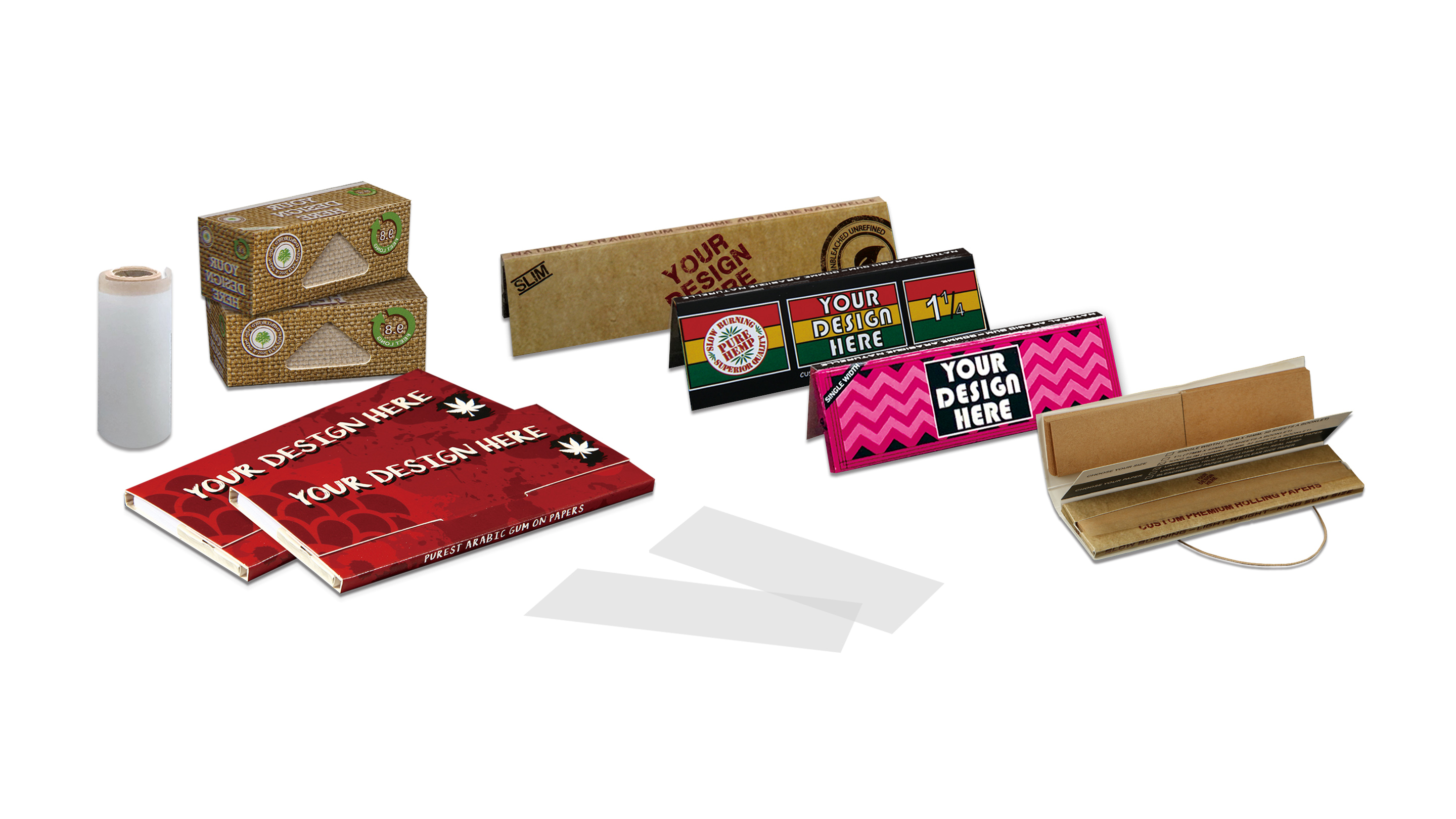
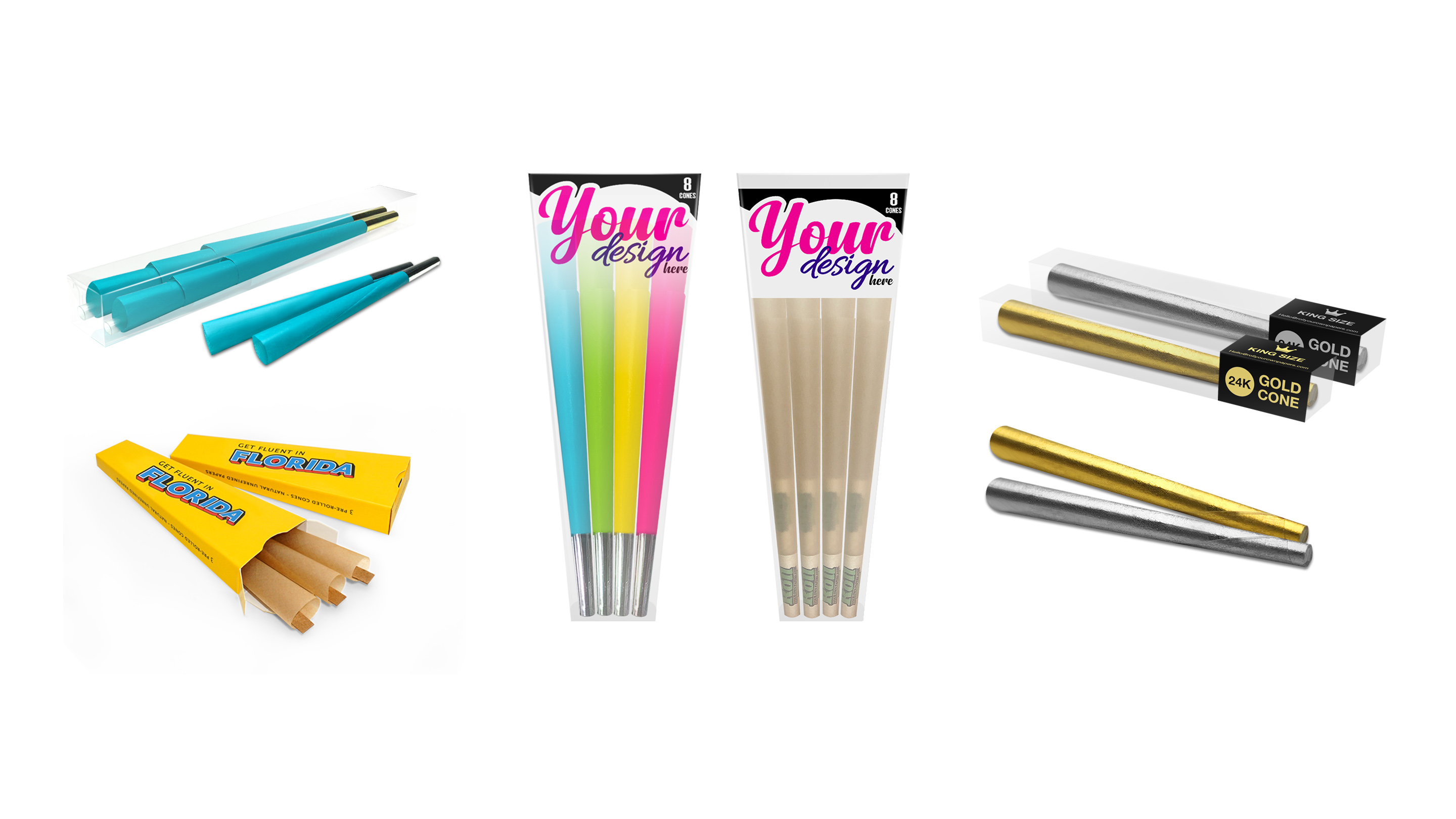
Pssst... If all this sounds like a lot of work, or you just want the *perfect* papers without the effort, we’ve got you covered. Why not let the pros handle it? Our team makes premium, organic hemp rolling papers every day (we even customize them for brands!). Skip the mess and get straight to enjoying your roll – check out our ready-made options below. 👇
🔥 Ready to Upgrade Your Custom Rolling Paper Game?
Your roll deserves better! 🎯 If you're tired of scrambling for alternatives and want a smooth, safe, and flavorful experience every time — we've got just what you need.
- ✔️ Made from organic hemp
- ✔️ Printed with food-grade ink
- ✔️ Sealed with 100% natural gum
- ✔️ Customize them with your brand, artwork, or vibe
📦 Bulk orders available | 🚚 Fast shipping | 🌱 Always chemical-free


Leave a comment