
🍚 How to Make Rolling Paper from Rice: The Complete DIY Guide ✨

Ever wondered if you could create your own rolling papers using something as simple as rice? 🤔 The answer is a resounding YES! Whether you're looking to save money, want complete control over what you're using, or just love the satisfaction of DIY projects, learning how to make rolling paper from rice opens up a world of natural, chemical-free alternatives that burn clean and cost pennies to produce.
Rice paper has been used for centuries across Asian cultures, and for good reason – it's thin, burns evenly, has virtually no taste, and is completely natural. In this comprehensive guide, we'll show you two powerful methods: creating rice paper from scratch using simple kitchen ingredients, and using store-bought rice paper (the kind you find at any Asian market) to create perfect rolling papers in minutes. 🎯
Whether you're a complete beginner or someone who's tried making DIY rolling papers before, this guide will walk you through every step with crystal-clear instructions, pro tips, troubleshooting advice, and safety warnings. Let's dive into the amazing world of rice-based rolling papers! 🌾
📋 Table of Contents
- Why Rice Paper is Perfect for Rolling 🌟
- Two Methods: From Scratch vs. Store-Bought 🎨
- What You'll Need to Get Started 🛠️
- Method 1: Making Rice Paper from Scratch (DIY) 🍚
- Method 2: Using Store-Bought Rice Paper (Quick Method) ⚡
- How to Roll with Rice Paper Like a Pro 🎯
- Method Comparison: Which is Right for You? ⚖️
- Adding Natural Flavors to Rice Paper 🍋
- Storage Tips for Maximum Freshness 📦
- Troubleshooting Common Problems 🔧
- Critical Safety Guidelines ⚠️
- Cost Analysis: The Money You'll Save 💰
- The Science Behind Rice Paper 🔬
- Why Premium Papers Still Have Their Place 🎖️
- Frequently Asked Questions 💬
- Final Thoughts 🎉
Why Rice Paper is Perfect for Rolling 🌟
Before we jump into the how-to, let's talk about why rice paper is considered the gold standard for DIY rolling papers and why so many premium commercial papers are made from rice.
The Unique Properties of Rice Paper ✨
Ultra-Thin Consistency: Rice paper can be made incredibly thin – sometimes even thinner than commercial rolling papers. This thinness means less paper and more of what you actually want to enjoy. The delicate structure allows for optimal airflow and smooth draws. 🌬️
Clean, Slow Burn: One of the most remarkable qualities of rice paper is its burn rate. Unlike many alternatives that burn too fast or produce harsh heat, rolling paper made from rice burns slowly and evenly. This creates a consistent experience from start to finish with no hot spots or runs. The even burn means you're not constantly relighting or dealing with uneven burning. 🔥
Completely Tasteless: Perhaps the biggest advantage of rice paper is that it's virtually flavorless. While some materials can add unwanted papery or woody tastes, rice paper remains completely neutral. This means you taste only your material's natural flavors – nothing else. For connoisseurs who appreciate subtle flavor profiles, this is crucial. 👅
100% Natural & Chemical-Free: When you make rolling papers from rice, you're using pure, food-grade ingredients. No bleaching agents, no chemical additives, no inks or dyes. Just rice flour, water, and a touch of salt. This makes it one of the safest options available. 🌿
Minimal Ash Production: Rice paper burns so cleanly that it produces very little ash. What ash does remain is fine and white, not the chunky, dark ash you might get from lower-quality papers. This cleanliness extends the enjoyment and reduces mess. 🚮
Historical Context: Why Rice? 🏛️
Rice paper has been used in Asian cultures for over 2,000 years for various purposes – from art and calligraphy to food wrapping. The Vietnamese, in particular, perfected the art of creating ultra-thin rice sheets (bánh tráng) that are strong yet delicate. These same principles that made rice paper perfect for spring rolls also make it ideal for rolling papers. The tradition has been refined over millennia, and now you can tap into this ancient knowledge right in your own kitchen! 🌏
Two Methods: From Scratch vs. Store-Bought 🎨
When it comes to making rolling paper from rice, you have two distinct approaches, each with its own advantages. Understanding both methods will help you choose the right path for your needs and skill level. 🛤️
Method 1: From Scratch (DIY Rice Paper) 🧪
This method involves creating rice paper from raw ingredients using a steaming process. You'll mix rice flour with tapioca starch and water, steam the batter into thin sheets, and dry them. It's similar to how traditional Vietnamese rice paper is made, just on a smaller scale perfect for home production.
Best for: People who love DIY projects, want complete control over thickness and quality, enjoy the process as much as the result, or can't easily access Asian markets. 👨🔬
Time investment: 45-60 minutes per batch (plus drying time)
Skill level: Intermediate – requires practice and patience
Method 2: Store-Bought Rice Paper (Quick Method) ⚡
This approach uses pre-made rice paper (Vietnamese spring roll wrappers) that you can buy at virtually any grocery store with an Asian foods section. You simply cut these large sheets into rolling paper sizes, dampen them slightly, and they're ready to use.
Best for: Beginners, people who want instant results, those who value convenience, or anyone who doesn't have specialized steaming equipment. 🎯
Time investment: 5-10 minutes to prep a batch
Skill level: Beginner-friendly – almost foolproof
What You'll Need to Get Started 🛠️
Let's break down exactly what materials and equipment you'll need for each method. The good news? Nothing here is expensive or hard to find! 🙌
For Method 1 (From Scratch) 📝
Ingredients:
- Rice flour – 1 cup (white rice flour works best; superfine if available)
- Tapioca starch or potato starch – 1/4 cup (provides flexibility and smoothness)
- Salt – 1/4 teaspoon (enhances structure and flavor)
- Filtered water – 1 1/4 cups (use quality water for best results)
Equipment:
- Large mixing bowl
- Whisk or fork
- Fine-mesh strainer (crucial for removing lumps)
- Large pot or wok for steaming
- Steamer basket or rack
- Thin, smooth cloth (muslin works great)
- 9-inch embroidery hoop or circular frame
- Ladle or measuring cup
- Offset spatula or thin knife
- Cooling rack
- Scissors or paper cutter
For Method 2 (Store-Bought) 🛒
Materials:
- Vietnamese rice paper (bánh tráng) – round or square sheets
- Clean, flat work surface
- Sharp scissors or paper cutter
- Ruler or straight edge
- Spray bottle with water
- Clean towels or paper towels
- Airtight storage containers
- Parchment paper (for storing cut pieces)
Method 1: Making Rice Paper from Scratch (DIY) 🍚
Ready to create rice paper from absolute scratch? This process is incredibly rewarding and gives you complete control over your final product. Let's break it down into easy-to-follow steps! 👩🍳
STEP 1: Gather and Measure Your Ingredients 📏
Start by assembling all your ingredients. Precision matters here – baking is chemistry, and so is rice paper making!
- 1 cup rice flour (120g) – Use white rice flour, not sweet rice flour
- 1/4 cup tapioca starch (30g) – Can substitute with potato starch
- 1/4 teaspoon fine salt (1.5g)
- 1 1/4 cups filtered water (300ml) – Room temperature
Why Each Ingredient Matters:
Rice Flour: This is your base. Rice flour contains cellulose fibers that give the paper its structure and strength. The finer the flour, the smoother your final product. Look for rice flour labeled "superfine" if possible – it dissolves more evenly and creates fewer lumps. Brown rice flour can be used for a nuttier flavor and darker color, but white rice flour is traditional. 🌾
Tapioca/Potato Starch: This is the secret ingredient that many amateur rice paper makers forget! Starch adds flexibility and prevents the paper from being too brittle. It also creates that slightly sticky quality that helps rice paper self-seal when moist. Pure rice flour sheets would be too fragile and prone to cracking. The starch smooths everything out. ✨
Salt: Don't skip this! Even a tiny amount of salt strengthens the molecular bonds in the paper and adds subtle flavor. Without salt, your rice paper will be weaker and more prone to tearing. Think of it like how a pinch of salt enhances any recipe. 🧂
Filtered Water: Water quality matters more than you'd think. Tap water with high chlorine or mineral content can affect texture and flavor. Use filtered or bottled water for best results. 💧
STEP 2: Prepare Your Equipment 🔧
Before you start mixing, set up your steaming station. This makes the process much smoother once you're ready to cook sheets.
- Fill your pot: Add water to your large pot, about 2-3 inches deep. You want enough to generate steam for 30-45 minutes without running dry.
- Set up steamer: Place your steamer basket or rack inside the pot. The water should not touch the bottom of the steamer.
- Prepare your hoop: Stretch your thin cloth (muslin or cheesecloth works great) over your embroidery hoop and pull it very tight. This is your cooking surface. The tighter, the better – you want zero wrinkles!
- Test the setup: Put the hoop on top of the steamer basket and make sure it sits stable. The cloth should be suspended over the steam without touching water.
- Organize your tools: Place your ladle, spatula, and cooling rack within easy reach. Once you start steaming, things move fast!
Pro Setup Tips:
- Use a pot with a glass lid so you can watch the steaming process without releasing steam 👀
- Have a timer ready – consistency is key in steaming times ⏱️
- Set up your cooling station away from your steaming station to avoid humidity affecting dried sheets 🌡️
- Keep a damp towel handy for cleaning your hoop between batches 🧽
STEP 3: Mix Your Batter 🥣
Now for the mixing! This step is crucial – lumps are your enemy, and achieving the perfect consistency takes attention.
- Combine dry ingredients: In your mixing bowl, whisk together the rice flour, tapioca starch, and salt. Mix for 30 seconds to ensure even distribution.
- Add water gradually: Start by adding 1/2 cup of water while whisking constantly. This prevents lumping.
- Whisk thoroughly: Keep whisking as you slowly add the remaining water. The goal is a smooth, thin batter – think crepe batter consistency.
- Strain the batter: Pour the entire mixture through a fine-mesh strainer into another bowl. Press any lumps through with a spoon or spatula. This step is non-negotiable!
- Check consistency: The batter should be thin enough to pour easily but thick enough to coat a spoon. If it's too thick, add water one tablespoon at a time. Too thin? Add a pinch of rice flour.
- Let it rest: Allow the batter to rest for 10-15 minutes. This lets the flour fully hydrate and creates better texture.
Batter Consistency Guide 📊
Too Thick: Batter that doesn't pour easily will create thick, chewy rice paper. Add water one tablespoon at a time.
Perfect: Batter flows like heavy cream or milk. When you lift the whisk, it should drizzle off in a steady stream.
Too Thin: Batter that's watery will be hard to work with and create fragile, torn sheets. Add rice flour 1 teaspoon at a time.
STEP 4: Steam Your First Sheet 🔥
This is where the magic happens! Your first few sheets might not be perfect, and that's totally okay. Even experienced rice paper makers will tell you it takes practice. 🎨
- Bring water to a boil: Heat your pot until you see vigorous steam rising. Then reduce to medium-low for a steady, gentle steam.
- Prepare your hoop: Very lightly spray or brush the cloth with water – just barely damp, not wet.
- Pour the batter: Give your batter a quick stir. Ladle about 3-4 tablespoons onto the center of your hoop cloth.
- Spread quickly: Using circular motions with your ladle, quickly spread the batter outward to the edges of your hoop. You want a thin, even layer – aim for almost translucent!
- Steam for 60-90 seconds: Place the hoop over the steam. Cover with a lid. Watch for the rice paper to change from cloudy to translucent and pull away slightly from the edges.
- Remove carefully: Using your spatula or a thin knife, gently peel the edge of the rice paper. Working around the perimeter, lift it away from the cloth.
- Transfer to cooling rack: Lay the hot sheet flat on your cooling rack. Don't overlap sheets!
- Repeat the process: Quickly wipe your hoop cloth with a damp towel and you're ready for the next sheet!
Troubleshooting First Attempts 🔍
Sheet tears when removing: Your batter might be too thin, or you're trying to remove it too early. Let it steam a bit longer – it should pull away naturally from the cloth when ready.
Sheet is too thick: You're using too much batter. Try 2-3 tablespoons instead of 4, and spread it thinner.
Batter won't spread: Your cloth might be too dry. Dampen it slightly between sheets.
Holes or uneven thickness: You need to spread faster! The batter starts setting immediately from the steam heat.
STEP 5: Dry and Store Your Sheets 🌞
Drying is the final crucial step. Proper drying determines how long your rice paper will last and how well it performs when you use it.
Method A: Air Drying (Best for Flexibility) 🌬️
- Leave sheets on cooling racks at room temperature
- Ensure good air circulation (use a fan if needed)
- Drying time: 1-2 hours depending on humidity
- Sheets should feel papery but not brittle
- They'll continue to dry slightly over the next 24 hours
Method B: Oven Drying (Faster) 🔥
- Preheat oven to lowest setting (usually 150-170°F)
- Place sheets on parchment-lined baking sheets
- Prop oven door open slightly
- Check every 10 minutes – remove when papery to touch
- Total time: 20-30 minutes
- Be careful not to overdry – brittle rice paper cracks easily
Method C: Sun Drying (Traditional) ☀️
- Place sheets on clean, smooth surfaces in direct sunlight
- Cover with a fine mesh screen to prevent bugs/debris
- Drying time: 30 minutes to 1 hour in hot, dry weather
- This creates the most authentic texture
- Not ideal in humid or cloudy conditions
STEP 6: Cut to Size and Store 📏
Your homemade rice paper sheets are probably 8-9 inches in diameter (if using a standard hoop). Now it's time to cut them down to usable rolling paper size!
- Standard size: Cut sheets into 3 inch x 1.5 inch rectangles (76mm x 38mm) – this is standard rolling paper size
- Use sharp scissors or a paper cutter: Dull blades will tear rather than cut cleanly
- Cut in batches: Stack 2-3 sheets at a time for efficiency (don't stack more or edges will be uneven)
- Create a template: Use cardboard to make a guide for consistent sizing
- Save scraps: Odd-shaped pieces can be used for practice rolling or making smaller rolls
Method 2: Using Store-Bought Rice Paper (Quick Method) ⚡
If Method 1 seems like too much work (and we totally get it!), this method gives you excellent results in a fraction of the time. Store-bought rice paper is specifically made to food-grade standards, so it's completely safe and already perfectly thin. 🎯
STEP 1: Finding the Right Rice Paper 🔍
Not all rice paper is created equal. Here's exactly what to look for when shopping:
Where to Buy:
- Asian grocery stores: Best selection and prices (usually $2-4 per package)
- Regular supermarkets: Check the "International" or "Asian Foods" aisle
- Online retailers: Amazon, Asian food websites, or Walmart.com
- Health food stores: Sometimes carry organic options
What to Look For on the Package:
- Name: Look for "Vietnamese Rice Paper," "Bánh Tráng," or "Spring Roll Wrappers"
- Ingredients: Should ONLY list: rice flour, water, salt (occasionally tapioca starch is added – that's fine too)
- Size: 8-inch or 9-inch round sheets are perfect (square also works)
- Thickness: Look for the thinnest variety – package might say "thin" or "extra thin"
- Color: Should be translucent white/cream, not colored
- Avoid: Any papers with preservatives, dyes, or multiple ingredients you don't recognize
Brand Recommendations 🏆
While brands vary by region, here are some commonly found quality options:
- Three Ladies Brand: Very popular, consistent quality
- Banh Trang Thuong Hang: Traditional Vietnamese brand
- Dynasty: Widely available in mainstream stores
- Any brand with simple ingredients: Trust your eyes – read that ingredient list!
STEP 2: Prepare Your Rice Paper Sheets 💧
Store-bought rice paper comes completely dry and brittle. Before you can use it, you need to prep it properly. Here's the foolproof method:
- Set up your workspace: You need a clean, flat surface. A cutting board or clean countertop works perfectly.
- Fill a shallow dish with room-temperature water: Big enough to fit your rice paper sheets (a dinner plate or pie pan works great).
- Remove one sheet: Rice paper sheets are very thin and can stick together. Carefully separate one sheet from the stack.
- Quick dip method: Slide the rice paper through the water for 2-3 seconds per side. You want to dampen it, not soak it!
- Lay flat on a clean towel: Place the moistened sheet on a clean, damp kitchen towel.
- Wait 30-60 seconds: The rice paper will continue to absorb moisture and become pliable. You'll feel it transform from rigid to flexible.
- Check readiness: Gently touch the sheet. It should feel soft and bendy, similar to a damp sheet of paper, but not soggy or falling apart.
Hydration Troubleshooting 💦
Too Dry: Rice paper is still crispy and won't bend without cracking. Solution: Mist lightly with water from a spray bottle and wait another 30 seconds.
Perfect: Rice paper is flexible, slightly tacky to touch, and bends easily without tearing. It should still hold its shape.
Too Wet: Rice paper is mushy, tears easily, or sticks to everything. Solution: Pat gently with paper towels and give it more drying time. Overhydrated rice paper is nearly impossible to work with – you're better off starting with a fresh sheet.
STEP 3: Cut to Rolling Paper Size ✂️
Now that your rice paper is prepped, it's time to cut it into perfect rolling paper dimensions!
- Wait until sheet is pliable: Don't try to cut while the paper is still stiff – it'll shatter!
- Use sharp scissors or a paper cutter: Sharp tools = clean cuts with no tearing
- Standard dimensions: Cut into rectangles measuring 3 inches long x 1.5 inches wide
- Work on a cutting mat: This protects your surfaces and provides measurement guides
- Mark your measurements: Use a ruler and food-safe marker to draw light guidelines (or create a cardboard template)
- Cut methodically: One sheet at a time when you're learning; you can batch-cut later once you're experienced
- For round sheets: You can cut into strips first (making 4-6 strips), then cut those into rectangles
Sizing Options 📐
Standard size: 3" x 1.5" (76mm x 38mm) – matches most commercial papers
King size: 4" x 1.75" (100mm x 44mm) – for those who want a bigger roll
1 1/4 size: 3.15" x 1.25" (80mm x 32mm) – slightly narrower
Custom size: Cut to whatever dimensions you prefer! This is your DIY project. 🎨
STEP 4: Storage and Usage 🗄️
Proper storage of your cut rice papers ensures they're always ready when you need them:
- Container: Airtight plastic container or glass jar with tight-fitting lid
- Layering: Place parchment paper between every 10-15 papers to prevent sticking
- Location: Cool, dry place away from direct sunlight (cupboard or drawer works perfectly)
- Humidity control: Add a silica gel packet if you live in a humid climate
- Shelf life: Dry, cut rice papers last 6-12 months when stored properly
- Ready-to-use storage: If you pre-hydrate some papers, store them between damp towels in a sealed container in the fridge for up to 24 hours
How to Roll with Rice Paper Like a Pro 🎯
Rice paper handles differently than commercial rolling papers. Master these techniques and you'll be rolling like a pro in no time! 💪
The Essential Rice Paper Rolling Technique 🌀
1. Prepare Your Paper 📄
If using store-bought rice paper, hydrate it until just pliable (as described in Method 2). If using homemade rice paper, it should be dry – you'll moisten the edge only for sealing.
2. Position Your Paper 📍
Lay the rice paper with the smooth side DOWN on your rolling surface. The slightly textured side should face up. This might seem counterintuitive, but the textured side grips better during rolling.
3. Distribute Your Material ⚖️
Place your material in a thin, even line along the paper, about 1/4 to 1/3 of the way up from the bottom edge. Less is more with rice paper – don't overpack! Leave 1/2 inch clear on each end.
4. Tuck and Roll 🔄
Use your thumbs to tuck the bottom edge of the rice paper UP and OVER your material. Apply gentle but firm pressure to compress everything together. This initial tuck is crucial – get it tight!
5. Continue Rolling Forward 👉
Using your index fingers on top and thumbs underneath, roll the paper forward. Maintain constant, even pressure. You want it tight, but not so tight that you tear the delicate rice paper.
6. Seal the Edge 💧
When you get to the end, lightly moisten the final edge with water (use your finger or a small brush). Rice paper becomes sticky when wet and will seal to itself naturally. Press firmly for 5-10 seconds.
7. Let It Set ⏱️
Give your roll 30-60 seconds for the seal to fully bond. Rice paper seals are surprisingly strong once dry, but they need a moment to set properly.
Rice Paper-Specific Tips 🎓
Handle with care: Rice paper is more delicate than hemp or wood pulp papers. Use a lighter touch throughout the rolling process. Think of rolling sushi – gentle pressure, smooth movements. 🍣
Don't over-moisten: One of the biggest mistakes beginners make is using too much water. Rice paper needs just a hint of moisture to become pliable. Too much, and it turns into a sticky mess. 💦
Work quickly but calmly: Hydrated rice paper has a working window of about 2-3 minutes before it either dries out or gets too soggy. Move with purpose, but don't rush and tear things. 🏃♂️
The self-sealing advantage: Unlike papers that require a glue strip, rice paper seals to itself with just water. This means you're not adding any extra adhesives – it's all natural! ✨
Rolling multiple layers: For extra durability, some people double-wrap with rice paper (like making spring rolls). Use two slightly overlapping sheets for a stronger, more forgiving roll. This is especially helpful while learning. 📚
Advanced Rolling Techniques 🎭
Once you've mastered the basics, try these pro-level techniques:
The Pencil Roll Method ✏️
Use a pen, pencil, or chopstick as a rolling guide. Wrap the rice paper around the tool, slide your material in, then remove the tool. This creates perfectly cylindrical rolls every time!
The Cone Method 🍦
Instead of rolling cylindrical, roll at a slight angle to create a cone shape that's wider at one end. This allows for different packing density along the length.
The Double-Wrap Technique 🎁
For extra strength, use two rice papers with a slight overlap. Roll normally – the papers will bond together. This is nearly tear-proof and burns exceptionally evenly.
Method Comparison: Which is Right for You? ⚖️
Let's break down the pros and cons of each method so you can make an informed decision about which approach fits your lifestyle! 📊
Making Rice Paper from Scratch 🧪
PROS ✅
- Complete control: You decide thickness, size, and ingredients
- Ultimate freshness: Make exactly what you need, when you need it
- Cost-effective long-term: Ingredients are very cheap per sheet
- No preservatives: 100% pure with nothing added
- Customizable: Experiment with flavors, colors (using natural dyes), or texture
- Satisfaction factor: Pride in making something from absolute scratch
- Great for bulk production: Once you're practiced, you can make 50+ sheets in an hour
CONS ❌
- Time-intensive: 45-60 minutes per session plus drying time
- Learning curve: Takes 3-5 sessions to really get the hang of it
- Equipment needed: Requires steaming setup and specialized tools
- Inconsistency: Homemade sheets may vary in thickness
- Practice required: First batches might not be usable
- Space requirements: Need room for steaming and drying
BEST FOR: 👥
DIY enthusiasts, people who use papers frequently (daily users will save significant money), those who want exact control over ingredients, anyone who enjoys cooking/crafting projects, or people in areas where rice paper isn't easily available.
Using Store-Bought Rice Paper ⚡
PROS ✅
- Incredibly fast: Prep time is under 5 minutes
- Beginner-friendly: Almost impossible to mess up
- Consistent quality: Commercial rice paper is uniform
- No equipment needed: Just scissors and a spray bottle
- Widely available: Found in most grocery stores
- Long shelf life: Sealed packages last years
- No learning curve: Works perfectly first time
- Still very economical: $3-4 package makes 200+ papers
CONS ❌
- Less customization: You get what you get in terms of thickness
- Slightly higher cost per sheet: More expensive than from-scratch (though still cheap)
- Finding quality brands: Not all rice paper is created equal
- Packaging waste: Comes wrapped in plastic
- May contain tapioca starch: Some brands add this (though it's not harmful)
BEST FOR: 👥
Beginners, casual users, people who want instant results, those without specialized equipment, anyone who values convenience over customization, or people who want to test rice paper before investing time in from-scratch production.
Cost Comparison Over Time 💰
| Factor | From Scratch | Store-Bought |
|---|---|---|
| Initial investment | $20-30 (equipment + ingredients) | $5-8 (rice paper + scissors) |
| Cost per 100 sheets | $1-2 | $3-6 |
| Time per 100 sheets | 2-3 hours (including drying) | 15-20 minutes |
| Savings over 1 year (daily user) | ~$350 vs commercial papers | ~$200 vs commercial papers |
Adding Natural Flavors to Rice Paper 🍋
One of the coolest things about making your own rolling paper from rice is that you can add natural flavors! Here's how to do it safely and effectively. 🎨
The Jar Infusion Method (Recommended) 🫙
This indirect method allows your rice papers to absorb aromatics without adding any moisture or changing the paper's structure.
- Choose an airtight jar: Mason jars work perfectly. Size depends on how many papers you're flavoring.
- Prepare your flavoring: Place your aromatic ingredient in a small muslin bag, tea infuser, or square of cheesecloth tied closed. This keeps it separate from the papers.
- Layer papers and flavoring: Place 5-10 rice papers at the bottom of the jar, add your flavoring sachet, add more papers, another sachet if you want, and so on.
- Seal and wait: Close the jar tightly and let it sit at room temperature. For subtle flavor: 2-4 hours. For stronger flavor: 8-24 hours.
- Test strength: After the minimum time, try one paper. The flavor should be noticeable but not overwhelming.
- Store flavored papers separately: Keep flavored batches in their own containers, labeled with the flavor.
Best Natural Flavorings 🌿
Citrus Varieties 🍊
Dried citrus peels: Orange, lemon, lime, grapefruit, or tangerine. Dry peels in your oven at 200°F for 30 minutes or air-dry for 2-3 days.
Flavor profile: Bright, zesty, refreshing
Infusion time: 4-6 hours for subtle, 12-24 hours for strong
Herbs 🌱
Mint varieties: Peppermint, spearmint, or chocolate mint (dried leaves)
Flavor profile: Cool, refreshing, slight sweetness
Infusion time: 6-8 hours
Lavender: Dried lavender buds
Flavor profile: Floral, calming, slightly sweet
Infusion time: 3-4 hours (very potent – a little goes a long way!)
Sweet Options 🍯
Vanilla bean: Split vanilla bean lengthwise
Flavor profile: Warm, sweet, rich
Infusion time: 8-12 hours
Cinnamon sticks: Whole sticks, not powder
Flavor profile: Spicy-sweet, warming
Infusion time: 4-6 hours
Fruity Choices 🍎
Dried apple slices: Dehydrated or store-bought dried apples
Flavor profile: Subtle sweetness, fruity
Infusion time: 8-12 hours
Dried berries: Strawberry, blueberry, or raspberry (completely dried)
Flavor profile: Fruity, slightly tart
Infusion time: 6-10 hours
Advanced Flavoring: Essential Oils ⚗️
If you want stronger, more precise flavoring, food-grade essential oils work beautifully. However, NEVER apply them directly to your rice paper!
- ONLY use food-grade essential oils labeled as safe for consumption
- NEVER apply oil directly to rice paper – it will create oily spots that burn improperly
- Use a carrier: 2-3 drops of essential oil on a cotton ball
- Place the cotton ball in the jar with papers (not touching the papers directly)
- Start with less – you can always add more flavor
- Avoid synthetic fragrances or "fragrance oils" – these are NOT safe for this purpose
Flavor Combinations to Try 🎨
- Citrus Mint: Orange peel + peppermint leaves = refreshing and bright 🍊🌿
- Vanilla Cinnamon: Split vanilla bean + cinnamon stick = dessert vibes 🍰
- Lavender Lemon: Dried lavender + lemon peel = calming and fresh 💜🍋
- Apple Cinnamon: Dried apple + cinnamon = cozy autumn feel 🍎
- Triple Citrus: Orange + lemon + lime peels = citrus explosion 🍊🍋
What NOT to Use ⛔
- Artificial flavorings or extracts (contain alcohol and chemicals)
- Fresh herbs or fruit (too much moisture = mold risk)
- Synthetic fragrances or perfumes (toxic when combusted)
- Any essential oils not specifically labeled food-grade
- Chocolate, honey, or other wet ingredients (ruins paper texture)
Storage Tips for Maximum Freshness 📦
Proper storage is the difference between rice papers that last months and ones that become unusable in weeks. Let's master the art of rice paper storage! 🗄️
Ideal Storage Conditions 🌡️
- Temperature: Room temperature (65-75°F / 18-24°C) – avoid temperature fluctuations
- Humidity: 55-62% relative humidity – use a hygrometer to check
- Light: Dark storage – UV light degrades organic materials
- Air exposure: Minimal – always use airtight containers
- Location: Cool, dry cupboard or drawer away from kitchen humidity
Storage Containers: What Works Best 📦
For Homemade Rice Paper Sheets 📄
Best option: Airtight plastic containers with silicone seals (like Rubbermaid or Tupperware)
How to layer:
- Place parchment paper on the bottom of container
- Layer 10-15 rice paper sheets
- Add another sheet of parchment paper
- Repeat until container is full (but not overstuffed)
- Add a food-safe silica gel packet on top
- Seal tightly
Why this works: Parchment prevents sticking, silica gel controls moisture, and airtight seal prevents air exposure that can make papers brittle.
For Pre-Cut Papers ✂️
Best option: Glass jars with airtight lids (like mason jars or Weck jars)
How to store:
- Stack cut papers neatly in the jar
- Every 20-30 papers, insert a small piece of parchment paper
- Fill jar about 80% full (don't pack too tightly)
- Add silica gel packet if needed
- Seal with airtight lid
For Store-Bought Unopened Packages 📦
Simple storage: Keep in original packaging until needed. Store in cool, dry place. Unopened rice paper can last years!
After opening: Transfer any unused sheets to an airtight container as described above. Don't leave them in the open package – they'll absorb moisture and become unusable.
Humidity Control: The Make-or-Break Factor 💧
Rice paper's biggest enemy is incorrect humidity. Too dry = brittle and crumbly. Too humid = sticky and moldy. Here's how to find the sweet spot:
If Your Climate is Dry (Below 50% Humidity) 🏜️
- Don't use silica gel packets – they'll make things worse!
- Consider adding a small piece of damp (not wet) paper towel in a separate small container inside your storage container
- Check papers weekly – they should be pliable, not brittle
- If papers are cracking, lightly mist storage container interior (not the papers directly) once per month
If Your Climate is Humid (Above 65% Humidity) 🌧️
- Definitely use silica gel packets – replace every 2-3 months
- Consider using a dehumidifier in your storage area
- Check for mold weekly – any sign of mold means entire batch must be discarded
- Store in coolest part of your home
If Your Climate is Perfect (55-62% Humidity) 🌤️
- Lucky you! Airtight storage is usually sufficient
- Optional silica gel packet for extra protection
- Check papers monthly – they should feel papery but flexible
Signs Your Rice Paper Has Gone Bad 🚫
- Mold or mildew: Any spots, fuzzy growth, or musty smell = throw away immediately
- Discoloration: Yellow, brown, or dark spots (except from natural flavoring)
- Extreme brittleness: Papers shatter when touched gently
- Sticky/tacky texture when dry: Sign of moisture damage
- Off-smell: Any sour, rotten, or chemical smell
- Visible insect damage: Small holes or bug presence
Expected Shelf Life 📅
| Storage Type | Expected Shelf Life |
|---|---|
| Homemade rice paper (proper storage) | 6-12 months |
| Pre-cut homemade papers | 2-6 months |
| Store-bought unopened | 1-3 years |
| Store-bought opened (proper storage) | 6-12 months |
| Flavored rice papers | 3-6 months |
| Improper storage (any type) | 2-4 weeks before quality degrades |
Troubleshooting Common Problems 🔧
Even experienced rice paper makers run into issues sometimes. Here's how to diagnose and fix the most common problems! 🔍
Problem: Rice Paper Tears During Rolling 😢
Possible Causes & Solutions:
Cause 1: Paper is too dry
- Solution: Lightly mist with water and wait 30 seconds before rolling
- Prevention: Store papers with proper humidity (55-62%)
Cause 2: Rolling too forcefully
- Solution: Use gentler pressure – rice paper needs a delicate touch
- Prevention: Practice with empty papers first to get the feel
Cause 3: Paper is too thin
- Solution: Use double-layer technique (two papers overlapped)
- Prevention: If making from scratch, use slightly more batter per sheet
Problem: Homemade Rice Paper Won't Release from Cloth 😣
Possible Causes & Solutions:
Cause 1: Not steamed long enough
- Solution: Steam for additional 15-20 seconds
- Prevention: Watch for edges pulling away naturally – that's your cue it's ready
Cause 2: Cloth wasn't dampened
- Solution: Very carefully slide a thin spatula under the paper
- Prevention: Lightly dampen cloth before each pour
Cause 3: Batter is too thick
- Solution: Thin your batter with 1-2 tablespoons water
- Prevention: Batter should be crepe-like consistency
Problem: Store-Bought Rice Paper Gets Too Soggy 💦
Possible Causes & Solutions:
Cause 1: Soaked too long
- Solution: Pat with paper towels and give it 5 minutes to firm up slightly
- Prevention: Only 2-3 seconds per side in water!
Cause 2: Water too warm
- Solution: Use room temperature or slightly cool water
- Prevention: Test water temp with your finger – should feel neutral
Problem: Rice Paper Burns Too Fast 🔥
Possible Causes & Solutions:
Cause 1: Paper too thin
- Solution: Use double-layer or roll less tightly
- Prevention: If making from scratch, use slightly more batter
Cause 2: Too tightly packed
- Solution: Roll more loosely to allow better airflow
- Prevention: Use less material or size up your paper
Problem: Rice Paper Has Off-Taste or Smell 👃
Possible Causes & Solutions:
Cause 1: Stored too long or improperly
- Solution: Discard and make fresh batch
- Prevention: Follow storage guidelines and check dates
Cause 2: Contamination from storage container
- Solution: Transfer to clean container
- Prevention: Always use food-grade, odor-free containers
Problem: Homemade Sheets Are Uneven Thickness 📏
Possible Causes & Solutions:
Cause 1: Spreading batter too slowly
- Solution: Pour and spread in one quick, continuous motion
- Prevention: Have batter ready and spread faster
Cause 2: Steam not consistent
- Solution: Maintain steady, medium heat under pot
- Prevention: Don't let water boil too vigorously or cool down
Problem: Papers Stick Together in Storage 🤝
Possible Causes & Solutions:
Cause 1: Not fully dried before storing
- Solution: Separate papers and let air dry for another hour
- Prevention: Always ensure papers are bone dry before stacking
Cause 2: Storage too humid
- Solution: Add silica gel packets and separate with parchment
- Prevention: Control humidity and use proper storage
Critical Safety Guidelines ⚠️
Safety always comes first! While rice paper is one of the safest DIY rolling paper options, there are still important guidelines to follow. 🛡️
Materials You Should NEVER Use 🚫
Even though this guide is about rice paper, people often ask about other household alternatives. Here's a comprehensive list of what to AVOID:
- Newspaper or magazine pages: Ink contains lead, copper, chromium, and other toxic metals. Studies show these cause significant lung damage similar to coal dust exposure!
- Notebook or printer paper: Contains bleaching agents, sizing chemicals, and wood pulp treatments linked to reduced lung function
- Colored or dyed paper: 2024 research found colored papers contain copper-based pigments at 4.5x safe limits
- Receipt paper (thermal paper): Contains BPA/BPS endocrine disruptors – extremely toxic when heated
- Aluminum foil: Releases aluminum particles, creates harsh heat
- Plastic wrap or bags: Releases extremely toxic dioxins and carcinogens
- Toilet paper or tissues: Bleach, lotions, fragrances, softening chemicals
- Waxed paper or parchment: Wax and silicone coatings create harmful vapors
- Sticky notes or post-its: Adhesive releases toxic fumes when burned
- Dryer sheets: Loaded with fabric softeners and fragrances
- Brown paper bags: Glue, ink, and unknown recycled materials
- Book pages: Ink not designed for combustion – toxic when burned
Food-Grade Requirements for Rice Paper ✅
When selecting or making rice paper, always ensure:
- Food-grade ingredients only: Everything should be safe for consumption
- No synthetic additives: Avoid papers with preservatives, dyes, or chemicals
- Organic when possible: Reduces pesticide exposure
- Unbleached preferred: Natural color is safest
- Simple ingredient list: Rice flour, water, salt, and possibly tapioca starch – nothing else!
Health Considerations 🏥
General guidelines:
- If you have respiratory conditions, consult with your doctor about any usage
- Pregnant or nursing individuals should avoid any form of use
- Keep materials away from children and pets
- Always use in well-ventilated areas
- If you experience any adverse reactions, discontinue use immediately
Kitchen Safety When Making From Scratch 👨🍳
- Steam burns are serious: Use oven mitts when handling hot equipment
- Boiling water safety: Never leave steaming pot unattended
- Sharp tool caution: Be careful when using scissors or cutting tools
- Clean workspace: Prevent contamination by working in a clean environment
- Food safety standards: Treat this like food preparation – wash hands, clean surfaces
Storage Safety 📦
- Mold is dangerous: ANY sign of mold = entire batch must be discarded
- Food-grade containers only: Don't use containers that held cleaning products
- Label everything: Date and contents clearly marked
- Keep away from food: Store separately from food items to avoid confusion
- Secure storage: Keep locked away from children and pets
The Bottom Line on Safety 💙
Rice paper, when made correctly using food-grade ingredients and proper techniques, is one of the safest DIY rolling paper options available. It's 100% natural, contains no chemicals, and burns cleanly. However, safety requires diligence – always follow proper procedures and never cut corners! 🎯
Cost Analysis: The Money You'll Save 💰
Let's talk money! One of the biggest advantages of making rolling paper from rice is the incredible cost savings. Let's break down the real numbers. 📊
Commercial Rolling Papers Cost 🏪
| Paper Type | Cost per Pack | Sheets per Pack | Cost per Sheet |
|---|---|---|---|
| Basic papers | $2-3 | 32-50 | $0.06-0.09 |
| Premium papers | $4-6 | 32-50 | $0.12-0.19 |
| Specialty flavored | $5-8 | 32 | $0.16-0.25 |
Annual cost (using 5 papers per week): $78-$325 depending on paper choice
DIY Rice Paper Cost (From Scratch) 🧪
Initial equipment investment:
- Embroidery hoop: $8-12
- Muslin cloth: $5-8
- Fine mesh strainer: $8-12
- Storage containers: $10-15
- Total one-time cost: $31-47
Ingredient costs per batch (makes ~25 sheets):
- Rice flour (1 cup from 2lb bag @ $6): $0.50
- Tapioca starch (1/4 cup from 1lb bag @ $5): $0.25
- Salt: negligible (pennies)
- Water: negligible
- Total per batch: ~$0.75
- Cost per sheet: ~$0.03
Annual cost (5 papers per week, 260 per year):
- Ingredient cost: ~$7.80
- First year includes equipment: $38.80-54.80
- Subsequent years: Just $7.80!
DIY Rice Paper Cost (Store-Bought Method) 🛒
Initial supplies:
- Scissors: $5-10 (you probably have these!)
- Spray bottle: $3-5
- Storage containers: $10-15
- Total: $18-30
Rice paper costs:
- Package of 50-100 sheets: $3-5
- Makes 200-400 rolling papers (4-8 per sheet)
- Cost per rolling paper: $0.008-0.025 (less than 3 cents!)
Annual cost (260 papers per year):
- Rice paper packages needed: 1-2 packages
- Cost: $3-10
- First year includes supplies: $21-40
- Subsequent years: $3-10!
The Shocking Savings Comparison 🤯
| Method | Year 1 Cost | Year 2-5 (annual) | 5-Year Total |
|---|---|---|---|
| Commercial papers (basic) | $78 | $78 | $390 |
| Commercial papers (premium) | $195 | $195 | $975 |
| DIY from scratch | $39-55 | $8 | $71-87 |
| DIY store-bought method | $21-40 | $3-10 | $33-80 |
Total 5-year savings with DIY rice paper:
- VS basic commercial papers: $310-357 saved! 💵
- VS premium commercial papers: $888-942 saved! 💰
Time vs. Money Consideration ⏰
Some people argue "time is money." Let's address that:
From scratch method: If you make a batch of 25 sheets in 1 hour (including setup and cleanup), that's saving ~$20 in premium paper costs. Even if you value your time at $20/hour, you break even. But most people make much larger batches once practiced, bringing per-sheet time way down.
Store-bought method: 10 minutes to cut 50 papers = saving ~$40-60. That's effectively "earning" $240-360 per hour of your time. Worth it? We think so! ⏱️
The Science Behind Rice Paper 🔬
Understanding the science of why rice paper works so well helps you make better papers and troubleshoot issues. Let's get nerdy for a minute! 🤓
The Chemistry of Rice Flour 🧪
Cellulose Fibers: Rice flour contains about 2% cellulose – the same material that makes plant cell walls strong. When hydrated and dried, these fibers create an interlocking network that's flexible yet strong. This is the same principle behind all paper making!
Starch Content: Rice flour is about 75-80% starch. When heated (during steaming), starch granules absorb water and swell. This creates smooth, cohesive sheets. The starch also acts as a natural "glue" holding the cellulose fibers together.
Protein (Oryzenin): Rice contains about 7-10% protein. These proteins help bind the structure and provide some elasticity to the finished paper.
Why Add Tapioca Starch? 🥔
Pure rice flour makes paper that's strong but slightly rough and inflexible. Tapioca starch contains zero cellulose – it's 100% starch. This brings several benefits:
- Smoothness: Fills in gaps between cellulose fibers, creating glass-smooth surface
- Flexibility: Starch-only sheets are more pliable than fiber-rich sheets
- Adhesion: When moistened, tapioca starch becomes slightly sticky – perfect for self-sealing!
- Translucency: Reduces opacity, creating those beautiful see-through sheets
The ideal rice-to-tapioca ratio is about 4:1, which gives the perfect balance of strength and flexibility. 📊
The Physics of Burning 🔥
Why rice paper burns slowly: Rice paper's density and structure create specific combustion properties:
- Even density: No thick spots that would burn faster or slower
- Low lignin content: Lignin (found in wood pulp) makes paper burn faster and hotter. Rice lacks lignin!
- Thin profile: Just enough material to sustain burn without racing
- Low ash formation: Rice combusts more completely than wood-based papers
The Role of Oxygen: Rice paper's microscopic structure allows just the right amount of oxygen flow. Too porous = burns too fast. Too dense = won't stay lit. Rice paper hits the sweet spot naturally! 🎯
Moisture Dynamics 💧
Hygroscopic Nature: Rice paper naturally absorbs and releases moisture based on ambient humidity. This is why storage conditions matter so much!
Optimal moisture content: Properly stored rice paper contains about 8-12% moisture by weight. Below 6% = brittle. Above 15% = mold risk.
The hydration process: When you dampen dry rice paper, water molecules break hydrogen bonds between cellulose fibers. This allows them to slide past each other (flexibility). As water evaporates, new bonds form in the shape you've created (sealing).
Why Rice Paper is Tasteless 👅
Many materials have distinct flavors when combusted. Rice doesn't because:
- Low oil content: Unlike hemp or corn, rice contains minimal oils that could affect taste
- Neutral pH: Rice is neither acidic nor alkaline enough to impact flavor
- Simple composition: Pure rice contains no aromatic compounds that survive combustion
- Clean burn: Complete combustion leaves no flavor-affecting residue
The Steaming Process Explained ♨️
When you steam rice flour batter:
- Gelatinization begins: At 140-150°F, starch granules start absorbing water
- Full gelatinization: At 180-185°F, starches fully absorb water and swell
- Protein coagulation: Proteins denature and help bind the structure
- Water evaporation: As steam continues, excess water evaporates, concentrating the structure
- Sheet formation: Cellulose fibers and gelatinized starch create an interlocking matrix
This entire process happens in just 60-90 seconds! ⏱️
Why Premium Rolling Papers Still Have Their Place 🎖️
We've spent this entire guide teaching you how to make your own rolling paper from rice, but let's be real – there are times when premium, professionally-made papers are the better choice. Here's when to skip the DIY and reach for quality commercial options. 🤔
When Store-Bought Papers Make More Sense 📦
Situations Where Commercial Papers Win:
1. Travel & Portability ✈️
Let's face it: when you're traveling, camping, or out with friends, pulling out homemade rice papers and a spray bottle isn't always practical. Commercial papers are pre-sized, pre-gummed, and portable. They're discreet, convenient, and work perfectly first try every time. No prep, no fuss!
2. Social Settings 👥
When sharing with friends who aren't familiar with rice paper rolling, commercial papers are easier. Everyone knows how to use them, and there's no learning curve or explanation needed. Plus, premium papers come in fun, shareable packaging that looks nice!
3. Consistency is Critical 🎯
If you're someone who really values a perfectly consistent experience every single time, commercial papers deliver that. They're manufactured to exact specifications – same thickness, same size, same burn rate, every time. No variation whatsoever.
4. Time Constraints ⏰
Let's say you work 60-hour weeks and barely have time to breathe. Spending time making rice paper might not be worth it to you. Premium papers mean you can roll and go in seconds without any prep work.
5. Gifting 🎁
Giving papers as a gift? Commercial premium papers come in beautiful packaging and look professional. While homemade is thoughtful, sometimes presentation matters!
What Makes Premium Papers "Premium" 🌟
Not all commercial papers are created equal. Here's what distinguishes premium options:
- Organic, unbleached materials: Best brands use organic hemp or rice with zero chemicals
- Food-grade inks and adhesives: Prints and gum lines use only safe, food-grade ingredients
- Sustainable sourcing: Ethical farming practices and eco-friendly production
- Quality control: Each batch tested for consistency, burn rate, and safety
- Innovative features: Slow-burn technology, cross-hatch patterns for even burning, or custom sizes
The Hybrid Approach: Best of Both Worlds 🌍
Many people use a combination approach:
- At home: Use homemade rice papers – save money, enjoy the process, have complete control
- On the go: Keep a pack of premium papers for convenience
- Daily use: DIY rice paper
- Special occasions: Premium commercial papers
- Personal use: Homemade
- Sharing with friends: Commercial papers
This way, you get the cost savings and customization of DIY while maintaining the convenience of premium papers when needed! 🎯
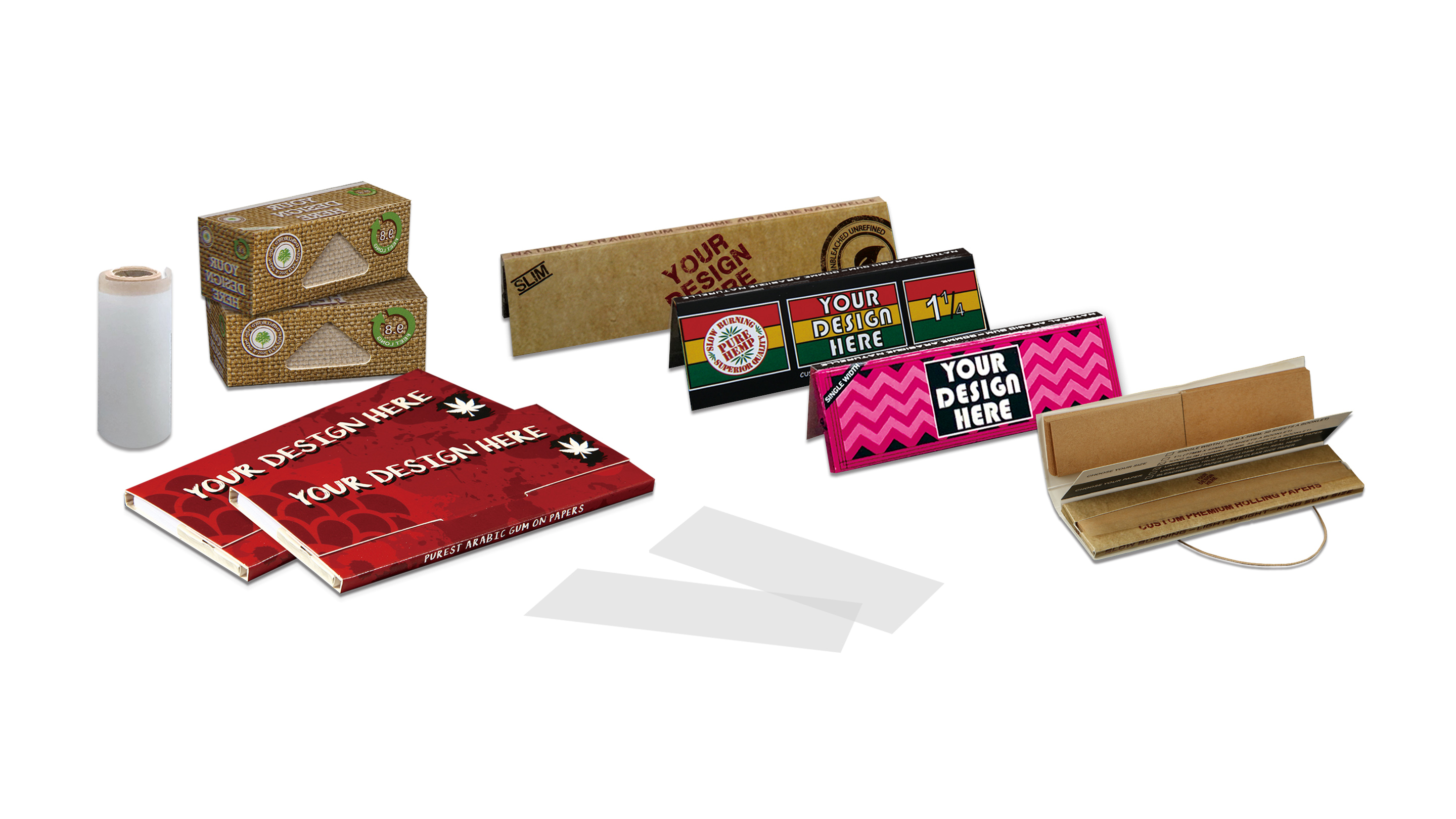
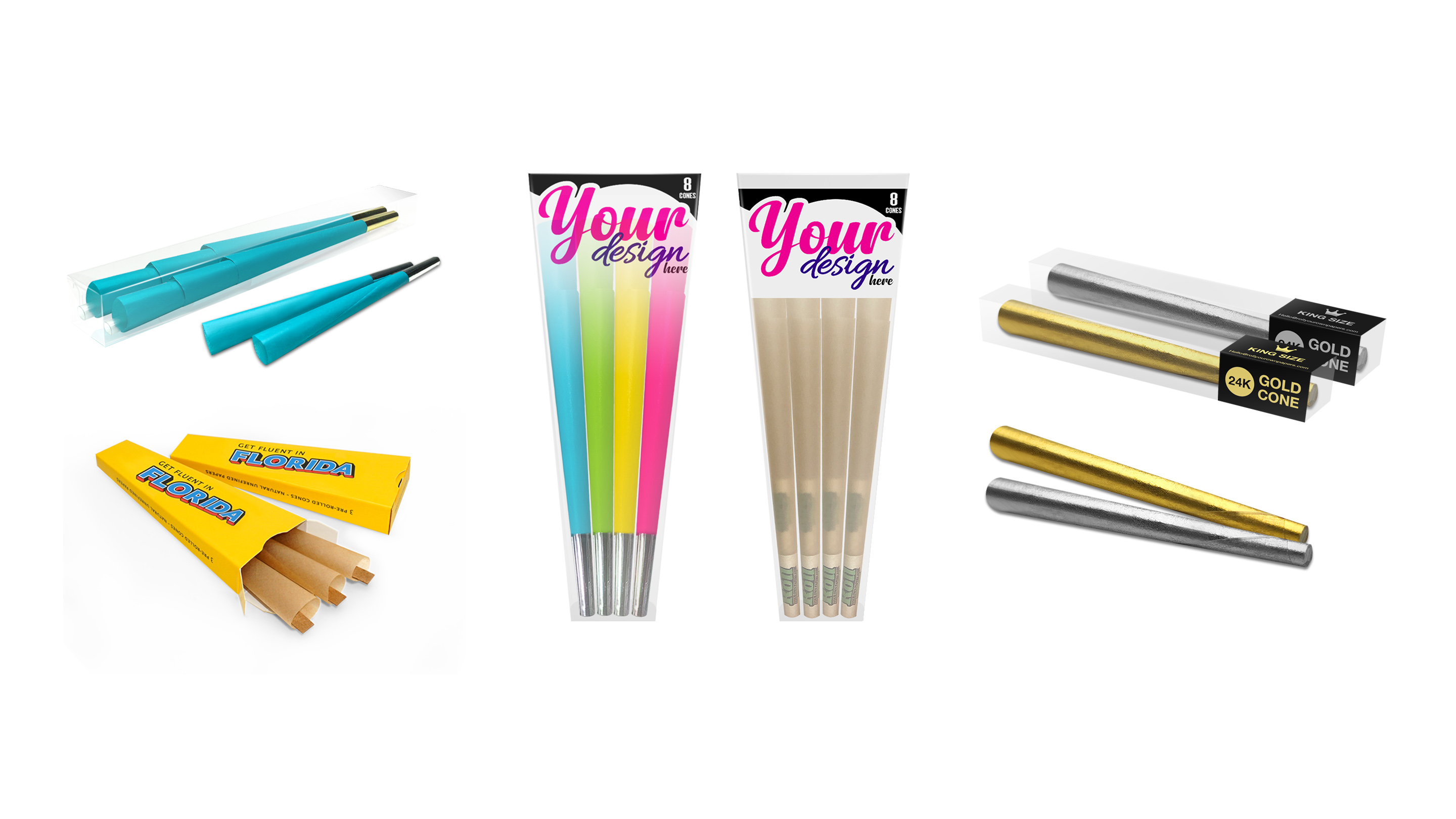
🔥 Ready to Upgrade Your Custom Rolling Papers Game?
Rice paper is amazing, but sometimes you want the convenience and consistency of premium, professionally-made papers! 🎯 If you're looking for top-quality papers that are organic, chemical-free, and deliver a smooth experience every time — we've got just what you need.
- ✔️ Made from organic hemp or rice
- ✔️ Printed with food-grade ink
- ✔️ Sealed with 100% natural gum
- ✔️ Customize them with your brand, artwork, or vibe
📦 Bulk orders available | 🚚 Fast shipping | 🌱 Always chemical-free
Frequently Asked Questions 💬
Can you really make rolling paper from rice at home?
Absolutely! You can make rolling paper from rice using two methods: creating rice paper from scratch using rice flour, tapioca starch, salt, and water through a steaming process, or using pre-made rice paper (spring roll wrappers) from Asian markets. Both methods produce thin, clean-burning papers that are natural and chemical-free. The from-scratch method takes more time and practice but gives you complete control, while using pre-made rice paper is quick and convenient – just cut to size and hydrate! 🍚
What ingredients do I need to make rice paper from scratch?
To make rice paper from scratch, you need just four simple ingredients: rice flour (1 cup), tapioca starch or potato starch (1/4 cup), salt (1/4 teaspoon), and filtered water (1 1/4 cups). These ingredients combine to create thin, flexible sheets that burn cleanly. The rice flour provides structure, tapioca starch adds flexibility and smooth texture, salt enhances flavor and strength, and water binds everything together. You'll also need basic equipment like a mixing bowl, steamer, and a cloth-covered hoop for forming the sheets. 📏
How does rice paper compare to regular rolling papers?
Rice paper is actually superior to many commercial rolling papers! It burns slowly and evenly with minimal ash, is completely tasteless so it doesn't interfere with your material's natural flavors, contains no chemicals or bleaching agents, and is naturally translucent and ultra-thin. Many premium custom rolling paper brands are made from rice for these exact reasons. Homemade rice paper gives you the same quality at a fraction of the cost – plus you know exactly what's in it! The only downside is that rice paper is slightly more delicate to work with than hemp-based papers. 🌟
Can I use store-bought rice paper as rolling paper?
Yes! Store-bought rice paper (Vietnamese spring roll wrappers) makes excellent rolling paper. They're food-grade, chemical-free, and burn cleanly. Simply cut them to rolling paper size (3 inches x 1.5 inches), lightly dampen before use to make them pliable, and roll as normal. A $3-4 package of rice paper can make 200+ rolling papers, saving you significant money while providing a natural alternative. Look for rice paper with simple ingredients: just rice flour, water, and salt. Avoid any with preservatives or additives! 🛒
How long does homemade rice paper last?
Properly stored homemade rice paper can last 6-12 months! Store sheets between parchment paper in an airtight container at room temperature away from direct sunlight. Keep humidity levels at 55-62% to prevent brittleness or mold. Pre-cut papers should be used within 2-3 months for best quality. Store-bought rice paper lasts indefinitely when kept dry in its original packaging. The key to longevity is controlling moisture – too dry makes paper brittle, too humid risks mold. Add silica gel packets if you live in humid climates! 📦
Is rice paper healthier than regular rolling papers?
Rice paper is one of the healthiest rolling paper options! It contains no bleaching chemicals, no added dyes or inks, no synthetic additives, and is made from 100% natural, food-grade ingredients. When you make it yourself, you know exactly what's in it. Rice paper burns clean with minimal ash and produces no toxic fumes, unlike newspaper, notebook paper, or other unsafe alternatives. Recent research (2024) found that 90% of commercial papers contain some level of heavy metals, but rice paper – especially homemade – is pure and safe. Your lungs deserve the best! 🌿
What's the difference between making rice paper from scratch vs. buying it?
Making rice paper from scratch gives you complete control over thickness, size, and quality, takes 30-45 minutes per batch, requires practice to perfect, and costs about $5-8 for ingredients to make 50+ sheets. Using store-bought rice paper is instant (just cut to size), consistently reliable, widely available, and costs $3-4 for 50 sheets. For beginners, store-bought is easier, but DIY enthusiasts love the customization and satisfaction of making from scratch. Many people start with store-bought to learn how rice paper handles, then graduate to making their own once they're hooked! Both methods produce excellent, chemical-free rolling papers. 🎨
Final Thoughts: Your Rice Paper Rolling Journey Awaits 🎉
Congratulations! You've just completed the ultimate guide to making rolling paper from rice. Whether you choose the from-scratch method with its complete customization, or the quick store-bought approach with its convenience, you now have the knowledge to create safe, natural, cost-effective rolling papers whenever you need them. 🎓
Key Takeaways to Remember 📝
- ✅ Rice paper is one of the safest, cleanest-burning rolling paper options available
- ✅ You have two excellent methods: from scratch (full control) or store-bought (convenience)
- ✅ Proper moisture control is THE key to success with rice paper
- ✅ Storage conditions (55-62% humidity, airtight, dark) determine how long papers last
- ✅ You'll save hundreds of dollars over time compared to buying commercial papers
- ✅ Rice paper is tasteless, burns slowly, and produces minimal ash
- ✅ Natural flavoring options let you customize your experience
- ✅ Never use materials with ink, dyes, bleach, or chemicals – stick to food-grade only
Your Next Steps 🚀
For Beginners: Start with store-bought rice paper from your local Asian market. Practice cutting and rolling until you're comfortable, then decide if you want to try making from scratch. 🎯
For Intermediate Users: Try making one batch of rice paper from scratch to see if you enjoy the process. Experiment with different thicknesses and flavors. Keep both homemade and store-bought on hand. 🧪
For Advanced DIYers: Perfect your from-scratch technique, create flavored batches, experiment with brown rice flour or alternative starches, and develop your own signature rice paper formula! 🏆
The Bigger Picture 🌍
Learning how to make rolling paper from rice is about more than just saving money (though that's pretty great!). It's about taking control of what you're using, understanding your materials, reducing your environmental impact, and connecting with centuries-old traditions. Rice paper making is an art form that's been refined over 2,000+ years in Asian cultures. Now you're part of that legacy! 🏛️
Keep Learning and Experimenting 🔬
Don't be discouraged if your first attempts aren't perfect. Like any craft, rice paper making has a learning curve. Each batch teaches you something new about moisture control, steaming times, batter consistency, and rolling techniques. Keep notes, adjust your process, and celebrate your improvements! 📈
Community Wisdom 🤝
Share your experiences with friends who might be interested. DIY culture thrives on shared knowledge and techniques. What works in your climate might not work in someone else's, and vice versa. Learn from each other! 💬
Balance DIY with Quality Commercial Options 🎭
Remember that making your own rice papers and using premium commercial papers aren't mutually exclusive. Many people do both – DIY at home for cost savings and customization, commercial papers for convenience and portability. Find the balance that works for YOUR lifestyle. 🌟
Stay Safe, Stay Natural 💚
Above all else, prioritize safety. Only use food-grade materials, maintain proper hygiene during preparation, store papers correctly, and never compromise on quality. Your health is worth far more than any cost savings! 🛡️
Now go forth and create amazing rice paper rolling papers! Whether you're steaming your first batch from scratch or cutting your first store-bought sheet, you're embarking on a rewarding journey that combines tradition, science, creativity, and practicality. Happy rolling! ✌️
Have questions or want to share your rice paper success stories? We'd love to hear from you! Drop us a message or explore our collection of premium rolling papers for those times when you want professional quality and ultimate convenience. 🎊





Leave a comment