




How to Open a Weed Grinder: 15 Easy Methods That Actually Work 🔓

Your complete guide to unsticking, maintaining, and getting the most out of your herb grinder 🌿
Why Your Grinder Gets Stuck (And How to Fix It Fast) 🎯
We've all been there. You're ready for a relaxing session, you reach for your trusty grinder, and... nothing. It won't budge. No matter how hard you twist, that thing is sealed tighter than Fort Knox. Frustrating? Absolutely. But here's the good news: you don't need superhuman strength or fancy tools to get it open.
Whether your weed grinders is brand new or battle-tested, sticking happens to the best of them. The culprit is usually a combination of sticky resin buildup, over-tightening, or misaligned threads. Sometimes it's just been sitting for too long without a good cleaning.
In this guide, we're breaking down 15 proven methods to open any stuck grinder—from super simple tricks you can do right now to advanced techniques for those really stubborn cases. Plus, you'll learn how to prevent this from ever happening again and keep your grinder working like it's fresh out of the box. Let's get that grinder open and get back to what matters! 💪
Quick Fix Methods: Get Your Grinder Open Now 🚀
When you need results fast, these methods should be your first line of defense. Start with the gentlest approaches and work your way up if needed.
1. The Freezer Method ❄️ (Most Effective!)
This is hands-down the most popular method for a reason—it works like magic. Here's the science: when you freeze your grinder, the metal contracts slightly, and more importantly, the sticky resin inside becomes brittle and shrinks away from the threads.
How to Do It:
- Place your entire grinder in the freezer
- Wait 20-30 minutes (patience, friend!)
- Remove and immediately try to twist it open
- If it doesn't budge, tap it gently on a hard surface while it's still cold
- The resin should crack and release its grip
Pro tip: This method is 100% safe for all grinder materials—aluminum, titanium, even acrylic. The temperature change won't damage your grinder at all. 👌
2. Rubber Band Grip Trick 🎯
Sometimes all you need is better grip. If your hands are slipping on the smooth metal surface, a rubber band can give you the extra traction to power through.
The Technique:
- Wrap a thick rubber band (or several thin ones) around the top chamber
- Do the same for the bottom chamber
- Now you've got a grippy surface to work with
- Twist counter-clockwise with steady, firm pressure
- Alternative: Use rubber dishwashing gloves for ultimate grip
This method shines when combined with the freezer technique. Freeze first, then use rubber bands for maximum opening power! 💪
3. Tap and Rotate Technique 🔨
Sometimes you need to literally shake things loose. This method helps dislodge stuck material between the teeth and threads.
Step-by-Step:
- Hold your grinder sideways (horizontally)
- Gently tap it against your palm or a soft surface
- While tapping, try twisting at the same time
- Rotate the grinder and repeat from different angles
- The vibrations help break up compacted material inside
Word of caution: Keep it gentle! Don't bash your grinder against hard surfaces or you might dent it or damage the teeth. Think "firm tap" not "angry hammer." 😅
4. Warm Water Method 💧
Heat is the opposite approach from freezing, but it can work wonders by expanding the metal slightly and softening sticky residue.
How It's Done:
- Run your grinder under warm (not boiling!) water for 30-60 seconds
- Focus the water on the seam where it's stuck
- Dry your hands thoroughly so you don't slip
- Try twisting while it's still warm
- The heat makes everything a bit more pliable
Important note: Make sure to dry your grinder completely afterward to prevent any future issues. Moisture can lead to rust or mold if left sitting. Also, if your grinder has any kief you want to save, this method will wash it away—so save this for emergencies. 🚨
5. The Coin Leverage Method 💰
Got a quarter or any flat coin lying around? You can use it as a makeshift lever for extra torque.
The Process:
- Wedge the edge of a coin into the seam between grinder pieces
- Gently apply pressure to create a small gap
- While holding the coin in place, try twisting
- The slight separation can break the seal
- Work your way around the circumference for best results
6. Vibration Method 📳
Here's a weird one that actually works: use vibration to loosen stuck parts. Place your grinder on a running washing machine, or use an electric toothbrush pressed against it for 30 seconds. The micro-vibrations can help break up compacted resin. It sounds silly, but physics works in mysterious ways! ✨
Advanced Solutions for Seriously Stuck Grinders 🔧
Okay, so the quick fixes didn't work. Don't worry—we're bringing out the big guns. These methods require a bit more time and materials, but they're incredibly effective for those really stubborn situations.
7. Isopropyl Alcohol Soak 🧪
When resin buildup is the issue, nothing dissolves it better than isopropyl alcohol (also called rubbing alcohol). This is the nuclear option that almost always works.
The Deep Clean Method:
- Get 91% or higher isopropyl alcohol (higher percentage = better results)
- Place your entire custom weed grinder in a resealable plastic bag
- Pour in enough alcohol to completely submerge it
- Let it soak for 30 minutes to 2 hours (longer for worse buildup)
- After soaking, try twisting—it should move much easier
- If still stuck, use a toothbrush to scrub the threads while submerged
- Rinse thoroughly with warm water and dry completely
Pro tip: You can reuse the alcohol for future cleanings! Just strain it through a coffee filter to remove particles and store in a labeled container. Save that kief for later use! 💎
8. Safe Lubricant Application 🛢️
Sometimes threads just need a little help gliding smoothly. But here's the critical part: NEVER use WD-40, motor oil, or any chemical lubricant on your grinder. These are toxic and will contaminate your material.
Food-Safe Lubrication:
- Use ONLY food-grade lubricants: coconut oil, olive oil, or vegetable glycerin
- Apply just a tiny amount to a cotton swab or your finger
- Carefully rub it onto the threads
- Work it in by twisting back and forth gently
- Wipe away any excess—you want barely any residue
Honestly though, if your grinder needs lubrication, it probably just needs a good cleaning instead. Consider this a temporary fix! 🤷
9. Using Tools Safely 🛠️
When human strength fails, tools can help—but you need to be super careful not to damage your grinder.
The Right Way to Use Tools:
- Rubber Jar Opener: These grippy mats work amazing on smooth grinders. Wrap one around each section for maximum torque with zero damage.
- Pliers (Carefully!): Wrap a cloth around your grinder first to protect it, then use pliers for extra gripping power. Gentle pressure only!
- Strap Wrench: This is the professional option. Used by plumbers, it provides serious grip without scratching or denting.
- Vice Grips: Last resort only. Pad them well and use minimal pressure.
Golden rule: If you're using so much force that you're worried about breaking something, STOP. Go back to the freezer method or alcohol soak instead. No grinder is worth a trip to the ER! 🏥
10. Controlled Heat Application 🔥
Heat can expand metal and soften resin, but you need to be careful here. Use a hairdryer on low heat, directing warm air around the seam for 30-60 seconds. The goal is warm, not hot—you don't want to melt anything or burn yourself. After heating, immediately try twisting while wearing rubber gloves for grip. This method works best on metal grinders.
11. Thread Cleaning with a Pin 📍
Sometimes material gets caked into the threads themselves, preventing smooth rotation.
The Detail Work:
- Use a safety pin, toothpick, or needle
- Carefully pick out debris from the grooves of the threads
- Go slowly and be thorough—check the entire circumference
- An old toothbrush can help sweep out loosened particles
- This is tedious but super effective
12. Ultrasonic Cleaner Method 🌊
If you happen to have an ultrasonic cleaner (used for jewelry or dentures), this is the pro-level solution. Fill it with isopropyl alcohol or specialized cleaning solution, drop in your stuck grinder, and run a cycle. The microscopic vibrations will shake loose even the most stubborn buildup. It's basically a spa day for your grinder! 💆
Understanding Why Grinders Get Stuck 🤔
Knowledge is power, right? Understanding why your custom printed weed grinder keeps getting stuck will help you prevent it in the future.
The Usual Suspects:
1. Resin and Kief Buildup 🍯
This is the number one culprit. As you grind, tiny sticky trichomes accumulate between the teeth and in the threads. Over time, this builds up layer after layer, acting like glue. The stickier your material, the faster this happens.
2. Over-Tightening 💪
We get it—you want to make sure the lid is secure. But cranking it down too hard pushes material into the threads and can even damage them over time. Think "snug" not "sealed forever."
3. Cross-Threading Disaster 😱
This happens when you screw the pieces together at the wrong angle. Instead of the threads meshing smoothly, they catch and jam. Once cross-threaded, it's really hard to fix without damage. Always line up your grinder pieces carefully before twisting!
4. Moisture and Humidity 💧
Grinding fresh, moist material? That moisture can get into the threads and basically turn into sticky paste as it dries. This is especially problematic in humid climates. Always store your grinder in a dry place.
5. Overfilling 📦
Stuffing too much material in there doesn't just make grinding harder—it forces particles into places they shouldn't be, including the threads. Fill your grinder no more than halfway for best results.
6. Cheap Materials and Poor Design 🏗️
Not all grinders are created equal. Lower-quality grinders with rough threads or cheap coatings are way more prone to sticking. The threads might not be precisely machined, leading to friction and catching. Sometimes it's worth investing in quality!
7. Misaligned Teeth ⚙️
If your grinder teeth don't line up properly anymore (from drops or wear), material can get wedged between them, making the whole thing seize up. Check your alignment regularly!
Prevention Tips: Never Deal With a Stuck Grinder Again ✨
An ounce of prevention is worth a pound of cure (or however that saying goes). Follow these tips and you'll rarely—if ever—deal with a stuck grinder again.
Regular Maintenance Routine 📅
After Every Use (30 seconds):
- Give your grinder a quick tap to knock out loose material
- Use a small brush to sweep out the chambers
- Don't screw it super tight when closing—just snug it
- Store it upright so material doesn't settle in the threads
Weekly (5 minutes):
- Brush out all chambers thoroughly
- Use a toothpick to clean the threads
- Wipe down surfaces with a dry cloth
- Check for any misalignment or damage
Monthly Deep Clean (15-20 minutes):
- Disassemble completely
- Soak in isopropyl alcohol (save that kief first!)
- Scrub with a toothbrush
- Dry thoroughly before reassembling
- Inspect for wear and tear
Best Practices for Daily Use 🎯
The Right Way to Close Your Grinder:
- Line up the pieces: Before twisting, make sure the teeth are properly aligned
- Find the threads: Turn counter-clockwise first until you feel a slight "click"—that's the threads engaging
- Gentle twist: Now turn clockwise just until snug. No death grip needed!
- Leave a tiny gap: You don't need it 100% tight. Just secure enough it won't open in your pocket
Grinding Best Practices:
- Grind small amounts at a time
- Let your material dry out a bit if it's too fresh and moist
- Remove any stems before grinding—they can jam the works
- Rotate both directions while grinding to prevent buildup on one side
- Empty completely after each session—don't let material sit in there
Storage Tips 📦
- Store in a cool, dry place away from humidity
- Keep it upright when not in use
- Consider a storage container with humidity control
- Don't leave it in hot cars or direct sunlight
- If traveling, empty it completely first
Pro-Level Tips From the Community 🏆
- The Quarter Trick: Keep a coin in the main chamber and shake after grinding. It helps knock kief through the screen and keeps the chamber cleaner.
- Freezer Storage: Some folks keep their grinder in the freezer between uses. The cold keeps resin from building up and makes grinding easier!
- Rotate Grinders: If you use yours heavily, have two and alternate. This gives each one time to be cleaned and maintained properly.
- Parchment Paper: Some people put a small piece of parchment paper in the top chamber to catch overflow and keep threads cleaner. Genius! 🧠
Deep Cleaning Your Grinder: Step-by-Step Guide 🧼
Regular deep cleaning is essential for preventing stuck grinders and maintaining optimal performance. Here's the ultimate cleaning guide that will make your grinder look and work like new.
What You'll Need 🛍️
- 91% or higher isopropyl alcohol
- Resealable plastic bag or glass container
- Old toothbrush (soft bristles)
- Toothpicks or a safety pin
- Paper towels or clean cloth
- Optional: Small bowl for collecting kief
- Optional: Q-tips for detail work
The Complete Cleaning Process 🔄
Step 1: Disassemble and Collect 💎
Take apart all chambers of your weed grinders. If you have a kief catcher with accumulated goodness, pour it into a separate container first—don't waste that gold!
Step 2: Dry Brushing 🖌️
Before getting things wet, use your toothbrush to remove as much loose material as possible from all surfaces, teeth, and chambers. Use toothpicks to gently scrape out material stuck in the threads. This makes the alcohol soak more effective.
Step 3: The Alcohol Bath 🛁
Place all grinder pieces in your bag or container. Pour in enough isopropyl alcohol to fully submerge everything. Seal it up and give it a good shake. Let it soak for at least 30 minutes, or up to several hours for heavy buildup. The alcohol will turn brown or green as it dissolves the resin—that's good!
Step 4: Scrub-a-Dub-Dub 🧽
After soaking, use your toothbrush to scrub every surface. Pay special attention to:
- The teeth (get between each one)
- The threads (scrub in circular motions)
- The screen (gently, don't tear it!)
- The rim where pieces connect
- Any grooves or crevices
Step 5: Rinse and Inspect 💧
Remove pieces from the alcohol and rinse thoroughly under warm water. Check each piece to make sure it's completely clean. Any remaining residue? Repeat the soak and scrub process.
Step 6: Dry Completely ☀️
This is crucial! Pat everything dry with paper towels, then let air dry for at least 30-60 minutes. Any remaining moisture can cause issues. Pro tip: Place pieces on a clean towel in a sunny spot or use a fan to speed things up.
Step 7: Reassemble and Test 🔧
Once completely dry, put your custom weed grinder back together. It should twist smoothly and feel like new. Give it a test twist—silky smooth, right? 😎
Quick Clean Method (10 Minutes) ⚡
Don't have time for a deep clean? Try this:
- Disassemble grinder
- Put in a container with alcohol
- Shake vigorously for 2-3 minutes
- Pour out alcohol through a coffee filter to save kief
- Quick rinse and dry
- Not as thorough, but works in a pinch!
Choosing a Grinder That Won't Stick 🎯
Prevention starts with buying the right grinder in the first place. Here's what to look for when shopping for a new grinder to minimize sticking issues.
Material Matters 🏗️
Best Materials (Ranked):
-
Anodized Aluminum 🥇
- Best overall choice for most people
- Smooth surface resists buildup
- Durable and affordable
- Easy to clean
- Won't rust or corrode
-
Titanium 🥈
- Premium option—nearly indestructible
- Extremely resistant to buildup
- Lightweight yet super strong
- Higher price point
- Will literally last forever
-
Stainless Steel 🥉
- Very durable and heavy
- Easy to clean
- Can be harder to turn when full
- Some people find them too heavy
-
Avoid These:
- Acrylic/Plastic: Accumulates static that attracts material, scratches easily, hard to clean thoroughly
- Wood: Looks cool but absorbs moisture and oils, nearly impossible to deep clean
- Cheap Zinc Alloy: Soft metal that wears down quickly, threads get damaged easily
Design Features to Look For 👀
Thread Design:
- Look for precisely machined threads
- Square threads are more durable than triangular
- Deeper threads = less likely to cross-thread
- Smooth thread finish prevents catching
Teeth Configuration:
- Diamond-shaped teeth work best for most material
- More teeth = finer grind and less jamming
- Teeth should be sharp and well-spaced
- Avoid grinders with very large gaps between teeth
Size and Chamber Depth:
- Deeper chambers prevent overfilling
- Larger diameter = more surface area = less friction
- 2-2.5" diameter is the sweet spot for most users
- Too small = jams easily; too large = awkward to use
Extras Worth Having:
- Magnetic lid: Keeps it sealed without over-tightening
- Removable screen: Makes cleaning so much easier
- Clear viewing window: Check your grind without opening
- Grip ridges: Makes twisting easier on your hands
- Sharp, replaceable blades (for electric): Maintains performance over time
Red Flags to Avoid 🚩
- Suspiciously cheap prices (you get what you pay for)
- Rough or unfinished surfaces (will trap material)
- Loose or wobbly parts when new (will only get worse)
- No brand name or reviews (quality lottery)
- Painted or coated surfaces (coating will chip off)
- Threads that feel gritty or catch even when brand new
Testing Before You Buy 🧪
If you're shopping in person, here's how to test a grinder:
- Twist it empty—should feel smooth and effortless
- Check thread alignment—pieces should mesh perfectly
- Look for even spacing between teeth
- Inspect the screen—should be taut, not loose
- Feel the weight—quality has some heft
- Smell it—should have no chemical odor
Upgrade to a Premium Grinder Experience 🌟
Tired of dealing with stuck grinders and poor performance? It might be time to level up your game with a high-quality custom printed weed grinder that's actually built to last.
Not all grinders are created equal. While cheap grinders might save you a few bucks upfront, they'll cost you in frustration, sticky situations, and constant maintenance. A quality grinder is an investment that pays dividends every single time you use it.
What Makes a Premium Grinder Different? ✨
- Precision Engineering: CNC-machined parts fit together perfectly, reducing friction and preventing jamming
- Superior Materials: Anodized aluminum or titanium construction that resists buildup and lasts for years
- Perfect Thread Design: Smooth, precisely cut threads that never cross-thread or seize up
- Sharp, Durable Teeth: Diamond-cut teeth that stay sharp and grind effortlessly
- Easy Maintenance: Designed for simple disassembly and cleaning
A premium grinder isn't just about avoiding problems—it's about enhancing your entire experience. Consistent grind every time, kief collection that actually works, and a tool that feels great in your hands. It's the difference between wrestling with your equipment and having it work seamlessly in the background while you enjoy yourself. 🎯
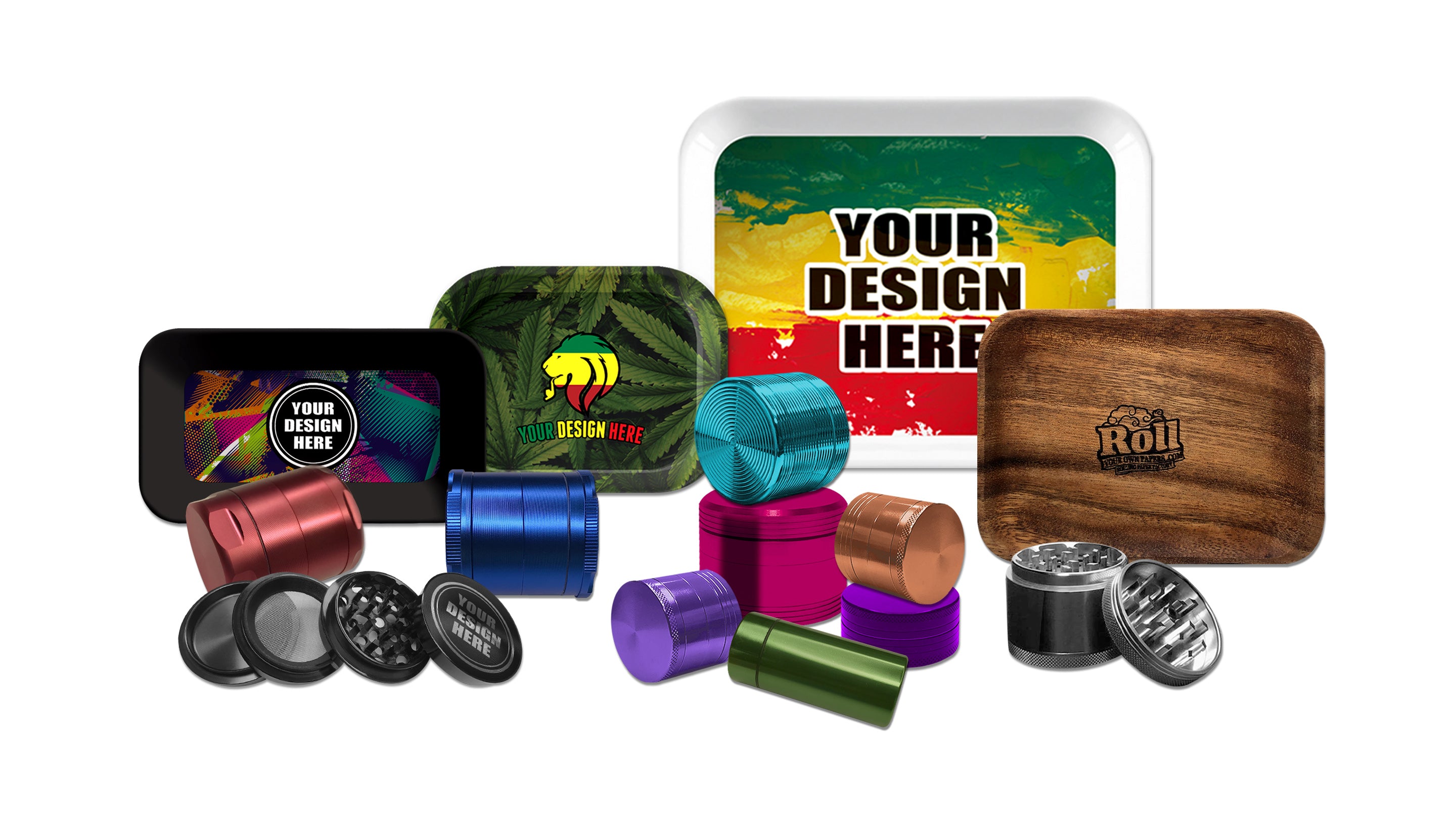
Plus, many quality grinders offer customization options. Want your personal artwork, logo, or design laser-engraved on your grinder? That's possible! Custom weed grinders make excellent gifts and add a personal touch to your collection.
Whether you're replacing a frustrated old grinder or buying your first one, investing in quality means never dealing with the stuck grinder blues again. Your hands (and your patience) will thank you! 💚
🔥 Ready to Never Deal With a Stuck Grinder Again?
Say goodbye to frustration and hello to effortless grinding! 🎯 If you're tired of wrestling with your grinder and want smooth, consistent performance every single time—we've got the perfect solution.
- ✔️ Precision CNC-machined for perfect fit
- ✔️ Premium anodized aluminum that resists buildup
- ✔️ Sharp diamond-cut teeth that never jam
- ✔️ Customize with your own design or artwork
📦 Bulk orders available | 🚚 Fast shipping | 🌱 Built to last forever
Troubleshooting Flowchart 📊
Not sure which method to try first? Follow this decision tree to find the best solution for your situation:
Step 1: Assess the Situation 🔍
How stuck is your grinder?
-
Slightly resistant: Can twist a bit but it's tough
- → Try: Rubber band grip method + tap and rotate
- → Time needed: 2-5 minutes
-
Won't budge at all: Completely seized up
- → Try: Freezer method (30 min) then rubber bands
- → Time needed: 30-40 minutes
-
Clearly resin buildup: Visible sticky residue
- → Try: Isopropyl alcohol soak
- → Time needed: 1-2 hours
-
Cross-threaded: It twists but catches and won't open
- → Try: Turn counter-clockwise first, then thread cleaning
- → Time needed: 10-15 minutes
Step 2: If First Method Doesn't Work 🔄
- Still stuck after freezing? → Try warm water method + tools
- Alcohol soak didn't help? → Might need longer soak (4+ hours) or repeat cleaning
- Using too much force? → STOP and try a different method
- Grinder making cracking sounds? → Stop immediately, it might break
Step 3: When All Else Fails 😤
If you've tried multiple methods and your grinder is still stuck solid:
- Do a 24-hour alcohol soak with periodic agitation
- Try the vibration method
- Use a combination approach: freeze, then alcohol soak, then tools
- If the threads are damaged beyond repair, it might be time for a new grinder
Emergency Last Resort Method 🚨
If your grinder is truly beyond saving and you absolutely need to get it open:
- Wrap it in a thick towel
- Use a rubber mallet to gently tap around the seam
- Be prepared that this might damage the grinder permanently
- Consider it a learning experience for buying a better one next time! 😅
Prevention for Next Time 🛡️
Once you finally get it open, don't let this happen again:
- Deep clean immediately
- Check for damage to threads or teeth
- Implement the weekly maintenance routine
- Never over-tighten again
- Consider upgrading if your grinder is low quality
Frequently Asked Questions 💭
Why does my weed grinder keep getting stuck? 🔄
Your grinder gets stuck mainly due to sticky resin and kief buildup between the teeth and threads. Over time, these substances harden and create resistance. Other causes include over-tightening, misaligned threads, overfilling with material, and lack of regular cleaning. The stickier your material, the faster buildup happens. Think of it like your grinder is slowly getting glued shut with each use—regular maintenance is the key to preventing this!
What's the fastest way to open a stuck weed grinder? ⚡
The freezer method is usually the fastest and most effective. Place your grinder in the freezer for 20-30 minutes. The cold causes the metal to contract and the resin to harden and shrink, making it much easier to twist open. Follow up with the rubber band grip method if needed for extra traction. This combo works about 90% of the time and only takes half an hour total. Quick, easy, and you don't need any special tools! ❄️
Can I use WD-40 or cooking oil on my grinder? 🛢️
NEVER use WD-40 on your grinder—it's toxic and will contaminate your material! For stuck threads, use only food-grade lubricants like coconut oil or olive oil applied very sparingly to the threads. That said, if your grinder needs lubrication, it probably just needs a good cleaning instead. Isopropyl alcohol is your friend here, not oils. Keep it clean rather than trying to mask the problem with lubricants!
How often should I clean my weed grinder to prevent sticking? 🧼
Clean your grinder every 2-3 weeks with regular use, or whenever you notice resistance when twisting. Heavy daily users should clean weekly. Quick maintenance after each use—like brushing out excess material—can extend the time between deep cleans significantly. Think of it this way: 30 seconds of quick cleaning after each session is way easier than dealing with a stuck grinder later! The more proactive you are, the less time you'll spend fighting with your equipment.
Will freezing my grinder damage it? ❄️
Nope! Freezing is completely safe for all grinder materials including aluminum, titanium, stainless steel, and even acrylic. The temperature change won't harm the metal or structure at all. Metal actually handles extreme temperature changes really well. Just let it return to room temperature naturally before using it again to avoid any condensation issues. This method is recommended by basically everyone in the community because it works and it's totally safe! 👍
What's the best material for a weed grinder that won't stick? 🏗️
Anodized aluminum and titanium grinders resist buildup better than other materials. They have smoother surfaces that don't trap resin as easily, and they're more durable overall. Anodized aluminum is the sweet spot for most people—affordable, durable, and low-maintenance. Titanium is the premium option if money's no object. Avoid acrylic grinders as they tend to accumulate more residue due to static electricity and are harder to clean thoroughly. Stainless steel is also good but can be heavier and harder to twist when full.
My grinder is cross-threaded, can I fix it? 😱
If the threads are damaged from cross-threading, it's tough to repair but not impossible. Try gently realigning the pieces and twisting counter-clockwise first to find the correct thread position—you should feel a small "click" when they mesh properly, then twist clockwise. If you can get it apart, inspect the threads carefully. Minor damage can sometimes still work with careful alignment each time. However, if the threads are severely damaged or stripped, you're fighting a losing battle. It's usually time to invest in a new grinder rather than constantly struggling with damaged threads. Consider it a lesson learned for next time! 🎓
Final Thoughts: Master Your Grinder, Elevate Your Experience 🌟
Look, dealing with a stuck grinder is annoying—we all know that feeling of frustration when you just want to relax and your equipment won't cooperate. But now you're armed with 15 different methods to tackle the problem, plus a complete understanding of why it happens and how to prevent it.
The truth is, most stuck grinder situations can be solved in under 30 minutes with the freezer method. For the really stubborn cases, an alcohol soak works wonders. And with regular maintenance? You'll rarely face this problem at all.
Remember these key takeaways:
- ✅ Start with gentle methods (freezer, rubber bands) before getting aggressive
- ✅ Prevention through regular cleaning beats cure every time
- ✅ Don't over-tighten your grinder—snug is enough!
- ✅ Quality matters—cheap grinders = more problems
- ✅ Isopropyl alcohol is your best friend for cleaning
- ✅ When in doubt, freeze it out! ❄️
If you've been battling with a low-quality grinder, maybe it's time to upgrade to something that's actually built to last. Your future self will thank you every single time you use it without any issues. Life's too short to fight with your equipment! 😊
Got your grinder open? Awesome! Now go enjoy it, and don't forget to clean it regularly. Stay lifted, friends! 🌿✨





Leave a comment