




📜 How to Tuck the Paper When Rolling: The Ultimate Guide 🌀

Table of Contents
- Understanding the Basics of Rolling 📜
- Step-by-Step Guide: How to Tuck the Paper When Rolling 🔄
- Common Mistakes and How to Avoid Them ❌
- Advanced Techniques for the Perfect Tuck 🌟
- Why the Tuck Matters: Benefits of a Good Roll 💡
- Troubleshooting Your Tuck Issues 🛠️
- The History of Rolling Papers: A Quick Dive 📖
- The Science Behind the Tuck: Physics and Paper Dynamics 🔬
- Eco-Friendly Rolling Tips ♻️
- Customizing Your Roll: Adding Personal Flair 🎨
- Discover Our Premium Rolling Paper ✨
- Frequently Asked Questions ❓
- See Also
- Call to Action
Hey there, fellow roller! If you've ever struggled with that tricky moment where everything seems to fall apart – yeah, I'm talking about how to tuck the paper when rolling – you're not alone. I've been there, fumbling around like a newbie, watching my carefully prepped material spill out everywhere. But after years of trial and error, I've cracked the code. This guide is your one-stop shop for mastering the art of tucking the paper when rolling. We'll dive deep, way beyond the basics, with tips that'll make your rolls the envy of your crew. Stick around, and by the end, you'll be rolling like a pro. Let's get into it! 😎
Understanding the Basics of Rolling 📜
Before we jump into the nitty-gritty of how to tuck the paper when rolling, let's set the foundation. Rolling isn't just a skill; it's an art form that's been around for ages. Whether you're prepping for a chill session or just enjoying the process, getting the basics right makes all the difference.
What You Need to Get Started
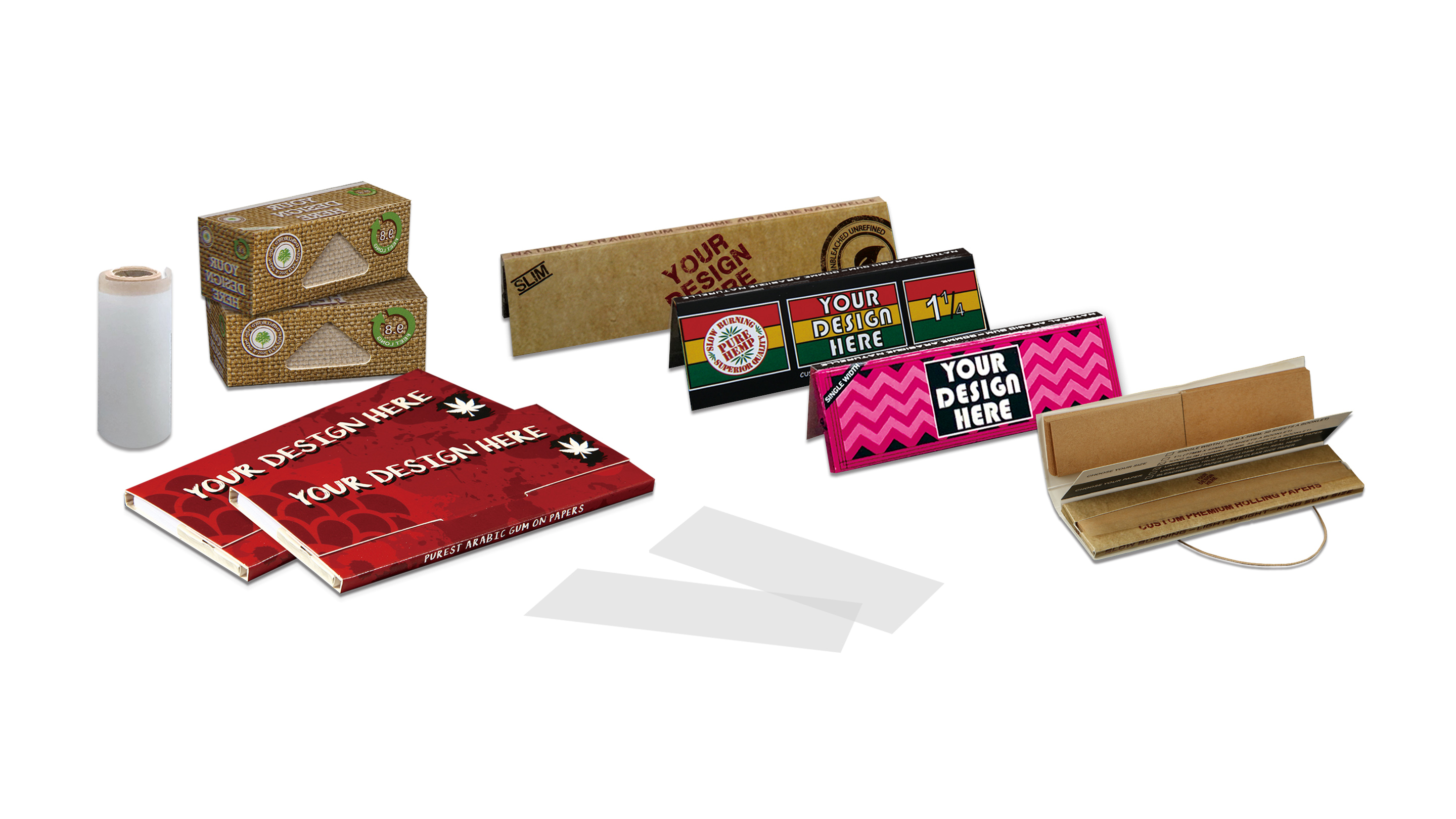
First things first, gather your essentials. You'll want high-quality rolling paper – something thin and reliable that doesn't tear easily. I've tried all sorts, and let me tell you, the right rolling paper can turn a mediocre roll into a masterpiece.
Essential Materials
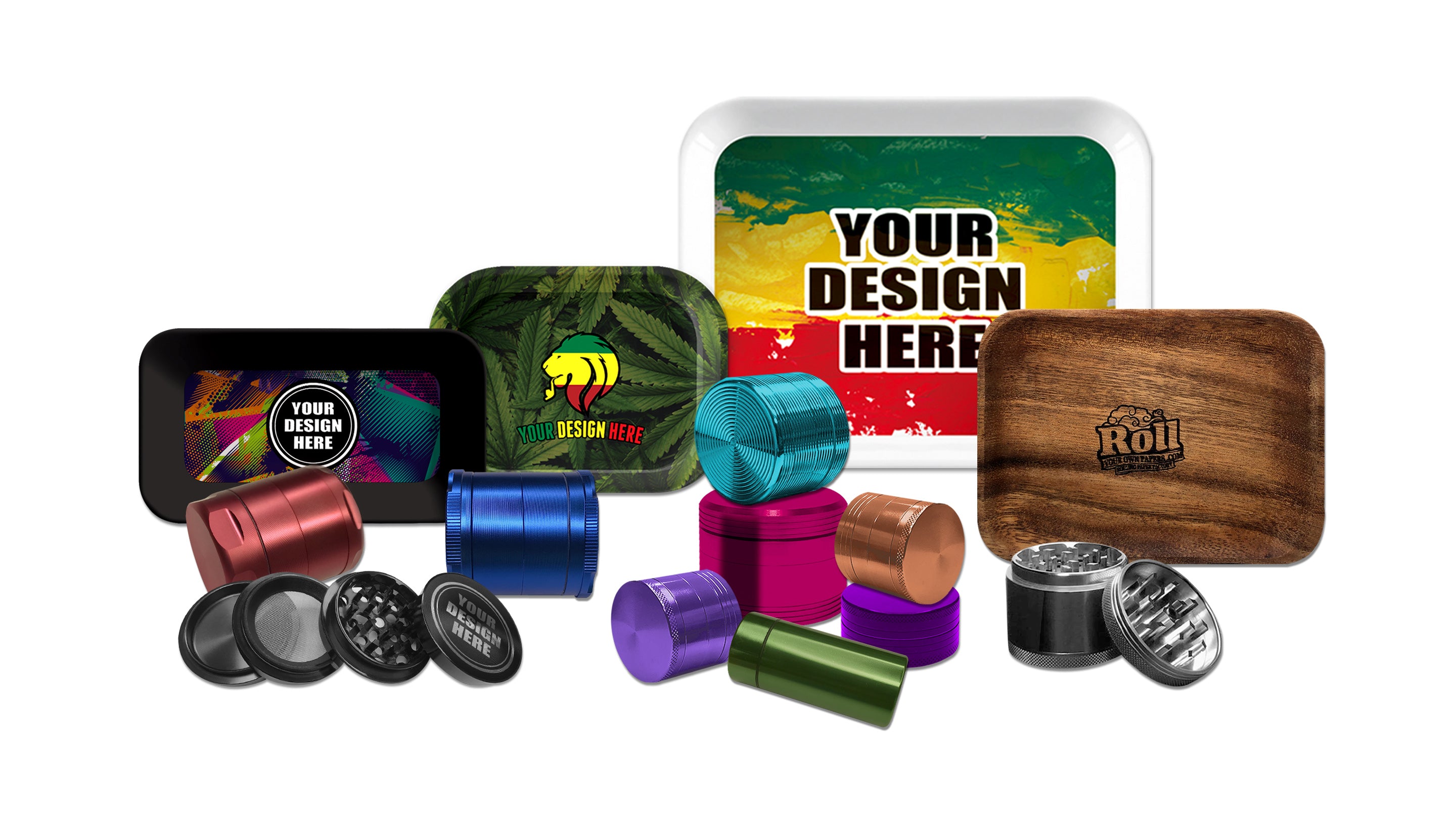
Start with your material – make sure it's finely ground for even distribution. Then, grab a filter (trust me, it changes everything), and don't forget a flat surface like a tray to keep things tidy. Oh, and if you're fancy, a grinder helps too.
Choosing the Right Paper
Not all rolling papers are the same. Go for organic ones if you can; they're smoother and easier to handle when learning how to tuck the paper when rolling. I've switched to hemp-based rolling papers and never looked back.
Paper Sizes and Types
From single-wide to king-size, pick what fits your style. Beginners, start small – it's easier to master the tuck.
Once you've got your setup, it's time to think about prep. Grind your material evenly; lumps are the enemy of a good tuck. Spread it out in the crease of your rolling paper, leaving space at the ends. This even base is key for when you start tucking.
Step-by-Step Guide: How to Tuck the Paper When Rolling 🔄
Alright, let's break it down. This is where the magic happens. Follow these steps, and you'll nail how to tuck the paper when rolling every time.
Preparing Your Material
Grind it fine but not to dust. Shape it into a loose cylinder in the paper – this makes tucking a breeze.
Shaping Tips
Use your fingers to gently pack it. Too loose? It'll fall apart. Too tight? Good luck tucking.
The Initial Roll
Hold the paper with the gummed edge up. Roll back and forth to form the shape. Now, for the tuck: Start at one end (filter side if using one), and fold the bottom edge over the material. Use your thumb to press it in snugly.
Tucking Technique
Rock the paper gently. This tightens the tuck. If it slips, wet the corner slightly for grip – an old trick that works wonders.
Continue rolling up, keeping pressure even. Lick the gum, seal it, and twist the ends. Boom, you've got it! Practice this a few times, and how to tuck the paper when rolling will feel second nature.
Common Mistakes and How to Avoid Them ❌
Even pros mess up sometimes. Here's what trips people up when learning how to tuck the paper when rolling.
Uneven Material
If your stuff is lumpy, the tuck won't hold. Fix: Grind better and distribute evenly.
Quick Fixes
Shake the paper lightly to settle it.
Over-Tightening
Too much pressure rips the paper. Go gentle, build tension gradually.
Another biggie: Forgetting the filter. It stabilizes everything, making the tuck smoother. Always use one!
Advanced Techniques for the Perfect Tuck 🌟
Ready to level up? These tips go beyond basics for how to tuck the paper when rolling.
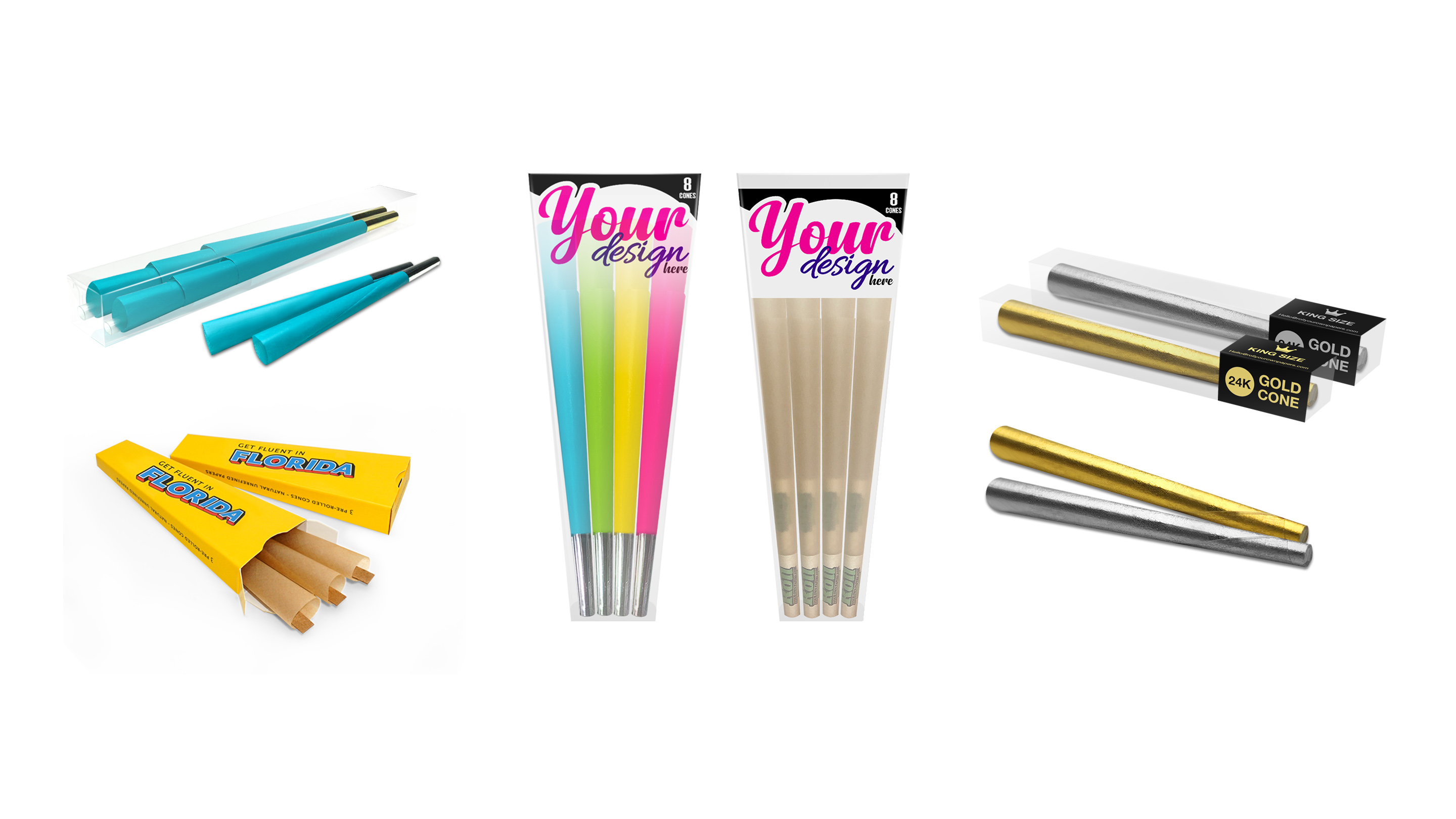
Cone Rolls
Load more at the top. Tuck from the narrow end, adjusting as you go for that classic shape.
Pro Variations
Try inside-out rolling: Flip the paper for less material intake.
Using Aids
A pen or straw can help shape before tucking. For custom rolling paper, experiment with designs that guide your tuck.
I've found that curving the paper beforehand – just a light bend – makes tucking effortless. Give it a shot!
Why the Tuck Matters: Benefits of a Good Roll 💡
A solid tuck isn't just for show. It ensures even burning, no waste, and a smoother experience overall.
Efficiency and Enjoyment
Good tucks mean less mess and more fun. Plus, it's satisfying to nail it.
Long-Term Perks
Master this, and you'll save time and materials in the long run.
When you know how to tuck the paper when rolling perfectly, every session feels elevated. It's all about that attention to detail.
Troubleshooting Your Tuck Issues 🛠️
Stuck? Here's how to fix common tuck problems when rolling.
Loose Ends
If it unravels, add more pressure during the initial tuck. Practice on scrap paper.
Dry Paper Fixes
Humidity helps – store your rolling papers properly.
Tears and Rips
Handle gently. If it happens, patch with another strip.
Remember, patience is key. I've ruined dozens before getting it right – you're in good company.
The History of Rolling Papers: A Quick Dive 📖
Did you know rolling papers date back to the 1500s? Started in Spain with leftover book pages, evolving to today's sleek options like custom rolling paper. Understanding this adds appreciation to how you tuck the paper when rolling.
Evolution Over Time
From rice to hemp, materials improved for better tucks.
Modern Innovations
Flavored and ultra-thin – perfect for precise tucking.
This history reminds me why I love experimenting with different custom rolling paper.
The Science Behind the Tuck: Physics and Paper Dynamics 🔬
Here's some fresh insight: Tucking involves friction and tension. The paper's elasticity helps it hug the material. Too much force? It tears. Balance is science!
Friction Factors
Dry fingers slip; a light moisten increases grip for better tucks.
Material Density
Denser stuff needs firmer tucks – physics 101.
This geeky angle has helped me refine how to tuck the paper when rolling. Try applying it!
Eco-Friendly Rolling Tips ♻️
Go green with sustainable rolling papers. Hemp is biodegradable and tucks beautifully.
Sustainable Choices
Avoid bleached papers; natural ones are better for the planet and your rolls.
Reuse Ideas
Repurpose trays from household items.
Incorporating eco-tips makes rolling feel good in more ways than one.
Customizing Your Roll: Adding Personal Flair 🎨
Make it yours! Use custom rolling paper with prints. It doesn't affect the tuck but adds vibe.
Flavor Infusions
Add natural essences for variety – tucks the same, experiences differ.
Design Hacks
Draw on papers before rolling for fun.
This personalization keeps things exciting when mastering how to tuck the paper when rolling.
Discover Our Premium Rolling Paper ✨
If you're serious about perfecting how to tuck the paper when rolling, you need the best tools. Our premium rolling paper is crafted from organic hemp, ensuring a smooth tuck every time. It's thin, durable, and comes in customizable options – ideal for beginners and pros alike. Whether you want plain or printed, our rolling paper elevates your game. Check it out and feel the difference!
Frequently Asked Questions ❓
What is the best way to tuck the paper when rolling for beginners?
For beginners, start by shaping your material into a even cylinder, then gently tuck the non-gummed edge over it starting from one end. Roll back and forth to tighten before sealing.
Why does my tuck keep coming loose when rolling?
A loose tuck often happens from uneven material distribution or not enough pressure during the initial roll. Try packing more evenly and practicing the back-and-forth motion.
Can I use any type of paper for rolling?
Not all papers are created equal. Opt for thin, high-quality ones like hemp-based options for better tucking and overall results.
How do I make a cone shape when tucking the paper?
For a cone, load more material at the far end and less near the filter. Tuck starting from the narrow end and adjust as you roll.
What's the role of a filter in tucking the paper when rolling?
A filter provides structure, making the initial tuck easier and preventing material from shifting during the roll.
How can I practice tucking without wasting material?
Use dried herbs like tea leaves or even pencil shavings as placeholders to hone your technique before the real deal.
Are there tools that help with tucking the paper when rolling?
Yes, rolling trays, pokers, and even simple DIY aids like a pen cap can assist in shaping and tucking for smoother results.
🔥 Ready to Upgrade Your Custom Rolling Paper Game?
Elevate every roll with custom rolling papers made for smooth burns, clean flavor, and a premium feel. Once you upgrade, there’s no going back.
- ✔️ Made from organic hemp
- ✔️ Printed with food-grade ink
- ✔️ Sealed with 100% natural gum
- ✔️ Customize them with your brand, artwork, or vibe
📦 Bulk orders available | 🚚 Fast shipping | 🌱 Always chemical-free





Leave a comment