

What Does Rolling Paper Mean? Your Complete Guide to Understanding This Essential Tool

Ever wondered what those thin sheets people use to roll their favorite blends are all about? You're in the right place! Whether you're completely new to the world of roll-your-own or just curious about what makes these papers so special, this guide breaks down everything you need to know.
Let's dive into the world of rolling papers and discover why they've been a staple for centuries! ✨
📋 Table of Contents
- 🤔 What Does Rolling Paper Mean?
- 📜 The Fascinating History Behind Rolling Papers
- 🌿 What Are Rolling Papers Made From?
- 📏 Different Types of Rolling Papers Explained
- 🎯 How to Choose the Right Rolling Paper
- ⚠️ Common Rolling Paper Mistakes to Avoid
- 🌍 The Environmental Impact of Rolling Papers
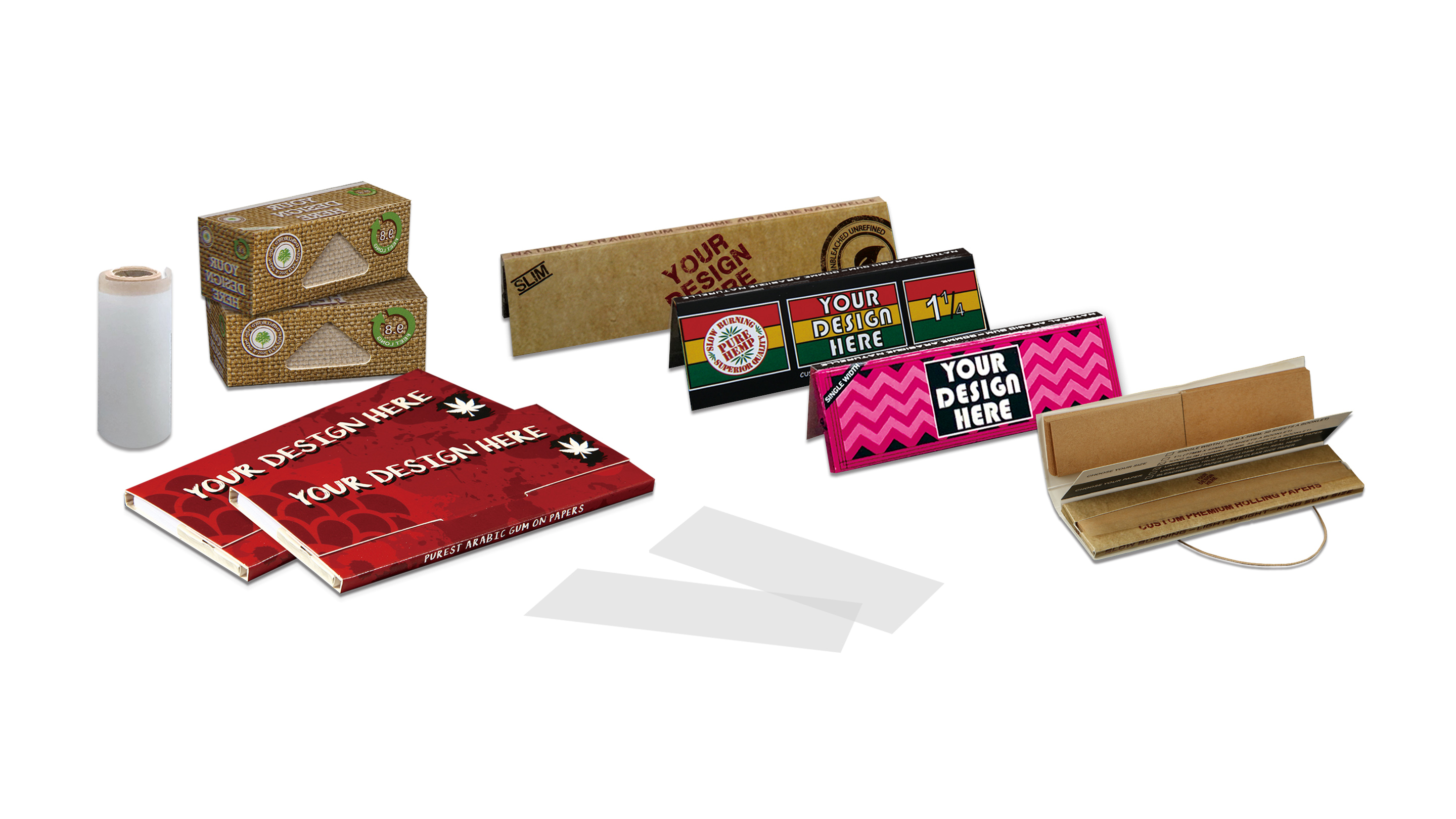
- 🎨 Custom Rolling Papers: Express Yourself
- 🏠 How to Store Rolling Papers Properly
- 🎭 Rolling Papers in Modern Culture
- ❓ Frequently Asked Questions
🤔 What Does Rolling Paper Mean? The Simple Answer
So, what does rolling paper actually mean? At its core, a rolling paper is a specially designed thin sheet made from various plant materials that's used to wrap dried herbs or blends into a neat, cylindrical form. Think of it as the foundation for creating your own hand-rolled experience – kind of like how a tortilla wraps your favorite burrito ingredients! 🌯
But here's where it gets interesting: these aren't just any random pieces of paper. Rolling papers are engineered with specific characteristics that make them perfect for their purpose. They're designed to burn slowly and evenly, be thin enough to not overpower whatever you're enjoying, and strong enough to hold everything together without falling apart.
💡 Quick Definition: A rolling paper is a thin, porous sheet of material (usually made from wood pulp, hemp, rice, or flax) that's specifically designed to hold and contain your chosen blend while burning evenly and cleanly.
✨ What Makes Rolling Papers Special?
Unlike regular paper you'd find in your printer or notebook, rolling papers have several unique features that set them apart. They're incredibly thin – often just 10-20 microns thick (that's about 1/5th the thickness of regular copy paper!). They also contain a gum strip along one edge made from natural adhesives like acacia gum or sugar gum, which helps seal your creation together.
The paper itself is porous, meaning it has tiny holes that allow for proper airflow. This porosity is actually measured in CORESTA units (yes, there's an entire science to this!). The right level of porosity ensures an even burn and helps regulate how fast or slow your material will burn.
🎯 The Main Purpose of Rolling Papers
Beyond just being a wrapper, rolling papers serve multiple important functions. They provide a consistent, controlled way to enjoy your herbs or blends. They're portable, discreet, and give you complete control over how much material you use. Plus, they're way more affordable and accessible than pre-made alternatives, which is why millions of people worldwide prefer the roll-your-own approach!
📜 The Fascinating History Behind Rolling Papers
The story of rolling papers is way cooler than you might think! While the exact origin is debated, most historians trace the concept back to 16th century Spain. Back then, regular folks couldn't afford expensive cigars, so they'd collect discarded material from the streets and wrap it in scraps of paper. Talk about resourcefulness! 💪
🎖️ The Crimean War Connection
Here's a wild piece of history: during the Crimean War in the 1850s, soldiers ran out of pipe paper and started using torn pieces of newspaper to roll their blends. British soldiers picked up this habit from their Ottoman allies, and when they returned home, the trend exploded across Europe. This was essentially the birth of mass-market rolling papers as we know them today!
📈 The Rise of Commercial Rolling Papers
By the late 1800s, savvy entrepreneurs saw an opportunity. Companies like Pay-Pay (founded in 1764 in Spain), Rizla (1796 in France), and Zig-Zag (1879 in France) started mass-producing rolling papers. These companies are still around today, proving that good ideas have staying power!
🌍 Global Adoption and Evolution
Throughout the 20th century, rolling papers became a global phenomenon. Different regions developed their own preferences and styles. Americans gravitated toward white papers, Europeans preferred ultra-thin varieties, and Asian markets innovated with rice papers. Each culture added its own twist to the rolling paper game, creating the diverse market we see today.
🌿 What Are Rolling Papers Made From? Breaking Down the Materials
Not all rolling papers are created equal, and a big part of that comes down to the materials used. Let's explore what goes into making these essential sheets and why it matters for your experience.
🌾 Wood Pulp Rolling Papers
The OG of rolling papers! Wood pulp papers are made from processed wood fibers and are probably what your grandparents used (if they rolled). These papers tend to be thicker and more opaque than other varieties. They're durable, easy to work with, and super affordable – making them perfect for beginners.
Pros: Strong, forgiving for new rollers, widely available, budget-friendly
Cons: Can have a slightly woody taste, thicker than alternatives, may contain additives
🌱 Hemp Rolling Papers
Hemp papers are having a major moment right now, and for good reason! Made from industrial hemp plants, these papers are naturally brown or tan in color and have a distinctive earthy texture. Hemp fibers are incredibly strong, which means these papers can be thin while still being durable.
Pros: Eco-friendly, minimal taste, slow burn rate, naturally strong, sustainable crop
Cons: Can be pricier, texture takes getting used to, limited flavor options
🍚 Rice Rolling Papers
The premium option for many enthusiasts! Rice papers are made from processed rice and are usually translucent, super thin, and almost tasteless. They burn incredibly slowly and evenly, making them a favorite among connoisseurs who don't want their paper interfering with the flavor of their blend.
Pros: Ultra-thin, minimal flavor impact, even burn, smooth texture, less ash
Cons: Can be delicate to work with, pricier than wood pulp, requires more skill to roll
🌾 Flax and Other Alternative Materials
Innovation never stops! Some companies now make papers from flax, bamboo, and even cellulose (transparent papers that look super cool). Each material brings its own characteristics to the table, giving you even more options to find your perfect match.
| Material 📋 | Thickness ⚡ | Burn Speed 🔥 | Flavor Impact 👅 | Eco-Friendly 🌍 | Price Range 💰 |
|---|---|---|---|---|---|
| Wood Pulp | Thick | Fast | Noticeable | Moderate | $ |
| Hemp | Medium | Slow | Subtle | High | $$ |
| Rice | Ultra-thin | Very Slow | Minimal | Moderate | $$$ |
| Flax/Other | Varies | Varies | Minimal | High | $$-$$$ |
🧪 The Adhesive Gum Strip
Let's not forget about that crucial little strip that seals everything together! Most quality rolling papers use natural gum adhesives like acacia gum (also called gum arabic) or sugar-based gums. These are water-activated, which is why you lick the edge before sealing. Some cheaper papers might use synthetic adhesives, which can taste funky and might not be as safe.
📏 Different Types of Rolling Papers Explained
Size matters! Rolling papers come in a dizzying array of sizes, and choosing the right one can make all the difference in your experience. Let's break down the main categories:
📐 Standard Paper Sizes
Single Wide (70mm x 36mm) 📝
The classic size – perfect for solo sessions or when you just want something quick and simple. These are great for beginners because they're easier to handle and don't require as much material to fill. Think of them as the "personal pizza" of rolling papers!
1¼ Size (76-78mm x 45mm) 📄
The sweet spot for many people! This size is versatile enough for solo use but can also work for sharing with a friend. It's the most popular size in many parts of the world and hits that Goldilocks zone – not too big, not too small.
1½ Size (76-78mm x 60mm) 📃
Getting into "party" territory! These wider papers give you more room to work with and are great when you're rolling for a group. They hold more material without being too long, making them easier to handle than king size papers.
King Size (100-110mm x 55-60mm) 👑
The big daddy! King size papers are perfect for social situations, extended sessions, or when you just want to go all out. They're longer than standard papers, which means they'll last longer and can accommodate more material. Just be prepared – these bad boys are a commitment!
King Size Slim (110mm x 44mm) 🎯
Long but narrow – this is the most popular size in modern times! King size slim papers give you the length of king size but with less width, resulting in a more streamlined form. Many people prefer this because it's less bulky while still offering that extended experience.
🎨 Flavored vs. Unflavored Papers
Want to add a little pizzazz to your routine? Flavored papers come in everything from strawberry and grape to wild options like bacon (yes, really!). While purists might argue that flavoring interferes with the natural taste, many people love the extra dimension it adds. Just make sure the flavoring is natural and food-grade!
✨ Bleached vs. Unbleached Papers
Here's an important distinction: Bleached papers are bright white because they've been treated with chemicals (usually chlorine or peroxide) to remove the natural color. Unbleached papers are brown or tan and haven't undergone this process, making them more natural but potentially slightly less smooth.
💚 Health Tip: Many health-conscious users prefer unbleached papers because they contain fewer chemical residues. If you're going the natural route, look for papers that explicitly say "unbleached" or "natural" on the package.
🎯 How to Choose the Right Rolling Paper (The Ultimate Guide)
Choosing the right rolling paper can feel overwhelming with so many options out there! But don't stress – let's break down the key factors to consider:
🏁 Skill Level Considerations
Complete Beginner? Start with standard wood pulp papers in 1¼ size. They're thicker, more forgiving, and easier to work with while you're learning the ropes. Don't worry about going ultra-thin right away – mastering the basics comes first!
Intermediate Roller? Time to experiment! Try hemp papers for their durability and eco-friendliness, or step up to rice papers if you want a more refined experience. King size slim papers are also a great next step if you've mastered smaller sizes.
Rolling Pro? The world is your oyster! Ultra-thin rice papers, transparent cellulose papers, specialty sizes – go wild and find what works best for your preferences and style.
🔥 Burn Rate Preferences
Different papers burn at different speeds, and this can significantly impact your experience. If you like taking your time and savoring the moment, go for thicker hemp or rice papers that burn slowly. If you prefer quicker sessions, wood pulp papers burn faster. Think about your typical use case and choose accordingly!
💰 Budget Considerations
Let's talk money! Wood pulp papers are the most budget-friendly option, usually running under $2 per pack. Hemp papers sit in the middle at $2-5, while premium rice papers can cost $5-10 or more per pack. Remember though – even expensive papers are still way cheaper than pre-made alternatives, and you're getting better quality control!
🌿 Natural vs. Processed
If you're health-conscious or environmentally aware, pay attention to what goes into your papers. Look for:
- ✅ Organic certification
- ✅ Unbleached materials
- ✅ Natural gum adhesives
- ✅ Sustainable sourcing
- ✅ Food-grade inks (if you go for printed papers)
- ❌ Avoid: Chlorine bleaching, synthetic additives, chemical adhesives
🎨 Personal Style and Preferences
Here's something people don't talk about enough – your papers are an expression of you! Do you like keeping things classic and simple? Standard white papers might be your jam. Want to make a statement? Check out custom printed papers or transparent cellulose options. Into the natural vibe? Hemp papers with their earthy look might be perfect.
⚠️ Common Rolling Paper Mistakes to Avoid (Save Yourself the Frustration!)
Even experienced rollers make mistakes sometimes! Let's go over the most common pitfalls so you can avoid them:
❌ Mistake #1: Using Too Much Material
The number one rookie error! Overfilling your paper makes it nearly impossible to roll properly, leads to uneven burning, and wastes your precious materials. Less is often more – start with less than you think you need and add more on your next try if necessary.
❌ Mistake #2: Licking the Wrong Side
We've all been there – you lick the entire paper instead of just the gum strip! Not only does this make the paper soggy and difficult to work with, but you also won't get a proper seal. The adhesive is only on one side (usually the side with a slightly shinier appearance). Just a quick lick across that strip is all you need!
❌ Mistake #3: Rolling Too Tight or Too Loose
Finding that sweet spot of tension is an art! Too tight and you won't be able to draw air through properly (leading to a frustrating experience). Too loose and everything falls out, burns unevenly, or won't stay lit. Aim for firm but not strangling – think of how tight you'd wrap a burrito!
❌ Mistake #4: Ignoring Paper Quality
Not all papers are created equal! Buying the cheapest option might save you a buck, but you'll pay for it in poor burn quality, weird tastes, and papers that rip easily. Invest in quality papers from reputable brands – your experience will improve dramatically.
❌ Mistake #5: Poor Storage Habits
Leaving your papers exposed to humidity, direct sunlight, or extreme temperatures can ruin them. Keep them in their original packaging, store them somewhere cool and dry, and they'll stay fresh and easy to work with for years. Speaking of storage...
🏠 How to Store Rolling Papers Properly (Keep Them Fresh!)
Proper storage might seem like a minor detail, but it can make a huge difference in how your papers perform. Here's what you need to know:
🌡️ Temperature and Humidity Control
Papers are sensitive to environmental conditions. Store them in a cool, dry place away from direct sunlight. Ideal storage temperature is room temp (around 68-72°F), and humidity should be kept moderate. Too humid and your papers get soggy; too dry and they become brittle and crack when you try to roll.
📦 Keep Them in Original Packaging
Those little paper booklets come in packaging for a reason! The cardboard or plastic wrapper protects your papers from moisture, dirt, and damage. Always put them back in their container after you take out what you need. If the original packaging is damaged, transfer them to a small airtight container or zip-lock bag.
🧳 Travel Storage Tips
Taking your papers on the go? Invest in a small hard case or metal tin specifically designed for papers. These protect against crushing, moisture, and keep everything discreet. Many companies make stylish cases that fit perfectly in your pocket or bag. As a bonus, a good case also keeps your papers from getting bent or damaged!
📅 Shelf Life Expectations
Good news: properly stored papers basically last forever! As long as they're kept dry and away from extreme conditions, they'll maintain their quality for years. However, flavored papers might lose their taste over time (usually after 1-2 years), and very old papers might yellow slightly. But for most practical purposes, papers don't really "expire."
🌍 The Environmental Impact of Rolling Papers (What You Should Know)
In today's eco-conscious world, it's worth considering the environmental footprint of your choices. Let's explore the sustainability side of rolling papers:
♻️ Sustainable Material Choices
Not all papers are equally eco-friendly! Hemp is one of the most sustainable options – it grows incredibly fast (ready to harvest in just 3-4 months), requires minimal water, doesn't need pesticides, and actually improves soil quality. It's basically the poster child for sustainable crops! 🌱
Rice papers are also relatively eco-friendly, though rice cultivation does require significant water. Flax is another great sustainable option. Wood pulp papers can be sustainable if sourced from responsibly managed forests (look for FSC certification), but they're generally less eco-friendly than hemp alternatives.
🏭 Manufacturing Impact
The bleaching process used for white papers can be harmful to the environment, particularly if chlorine is used. This is why unbleached papers are considered more eco-friendly – they skip this chemical-intensive step entirely. Additionally, some manufacturers use more sustainable production methods, like using renewable energy or minimizing water waste.
🌿 Carbon Footprint Considerations
Here's an interesting angle: rolling your own with quality papers actually has a smaller carbon footprint compared to buying pre-made alternatives! You're using less packaging, and high-quality papers from companies using sustainable practices are even better for the planet.
🌍 Eco-Conscious Choice: Look for papers that are: organically grown, unbleached, made from hemp or sustainable materials, packaged with minimal plastic, and produced by companies with transparent sustainability practices.
💚 The Rise of Organic Rolling Papers
Organic certification means the source material was grown without synthetic pesticides, herbicides, or chemical fertilizers. While organic papers might cost a bit more, you're supporting sustainable farming practices and reducing your exposure to potentially harmful chemicals. Plus, many users report that organic papers taste cleaner and burn more smoothly!
🎨 Custom Rolling Papers: Express Yourself (The Fun Part!)
Ready to take your rolling game to the next level? Custom rolling papers are where functionality meets personal expression! Let's dive into this exciting world:
🖼️ Why Custom Papers Are Trending
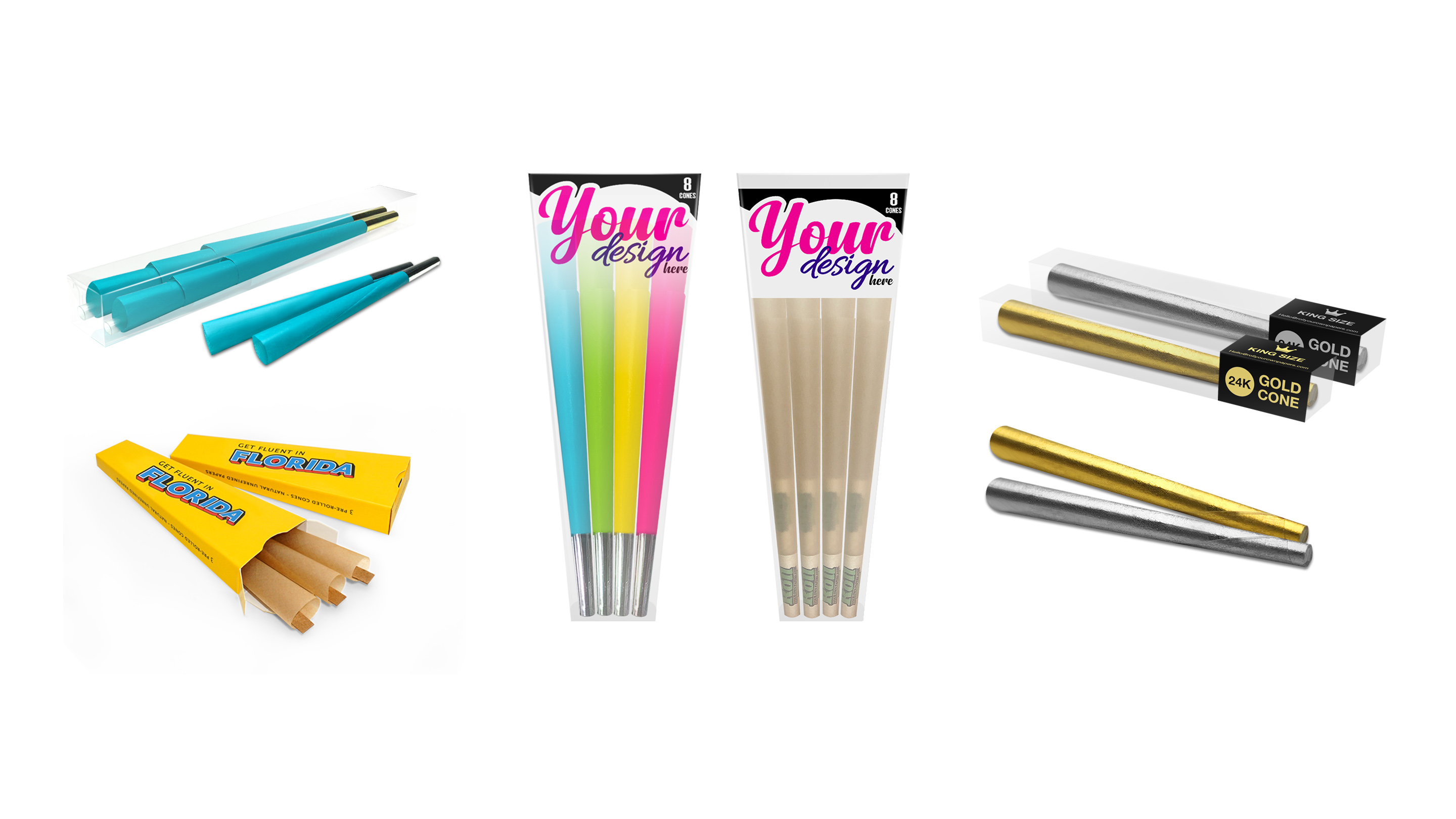
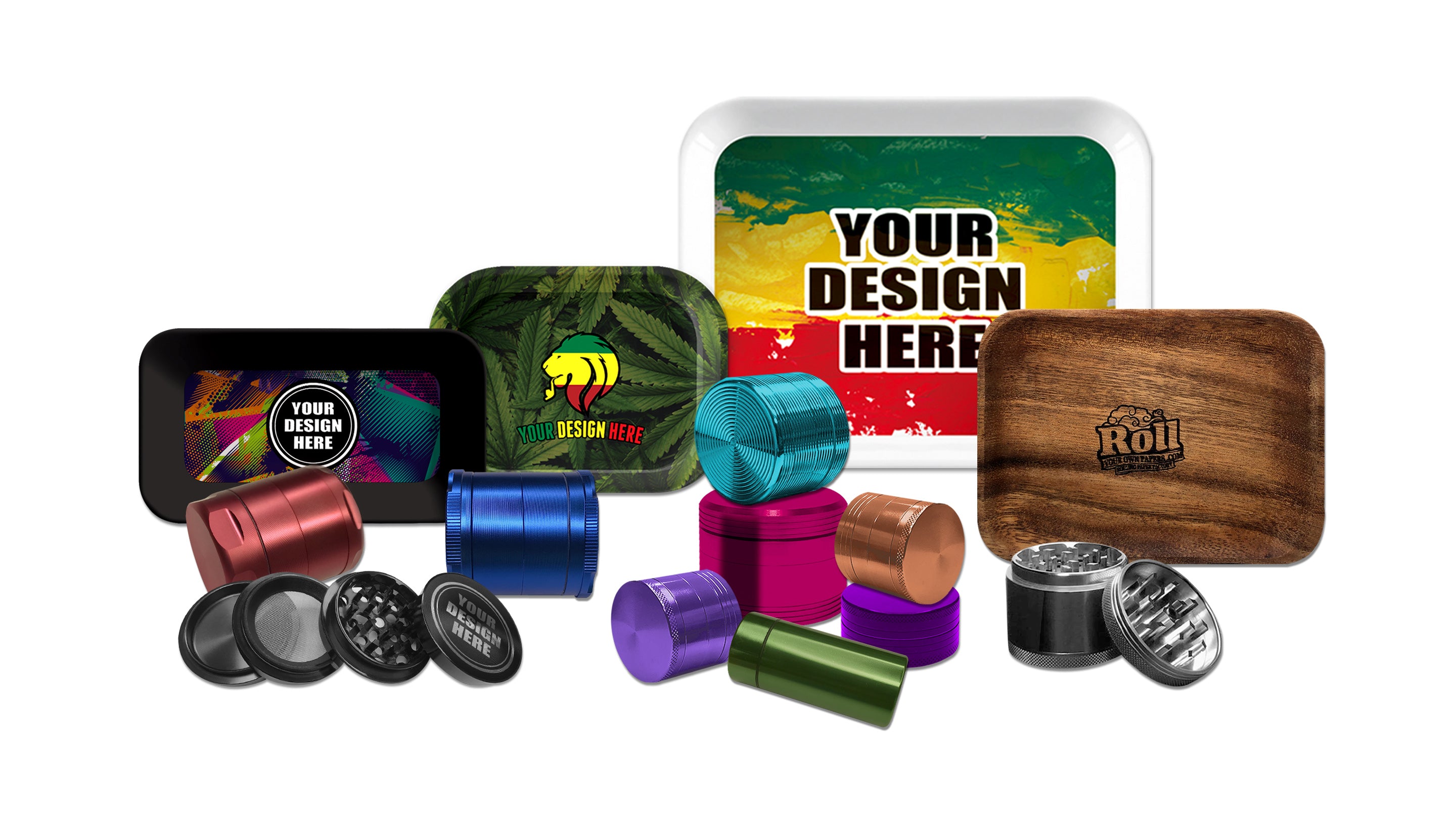
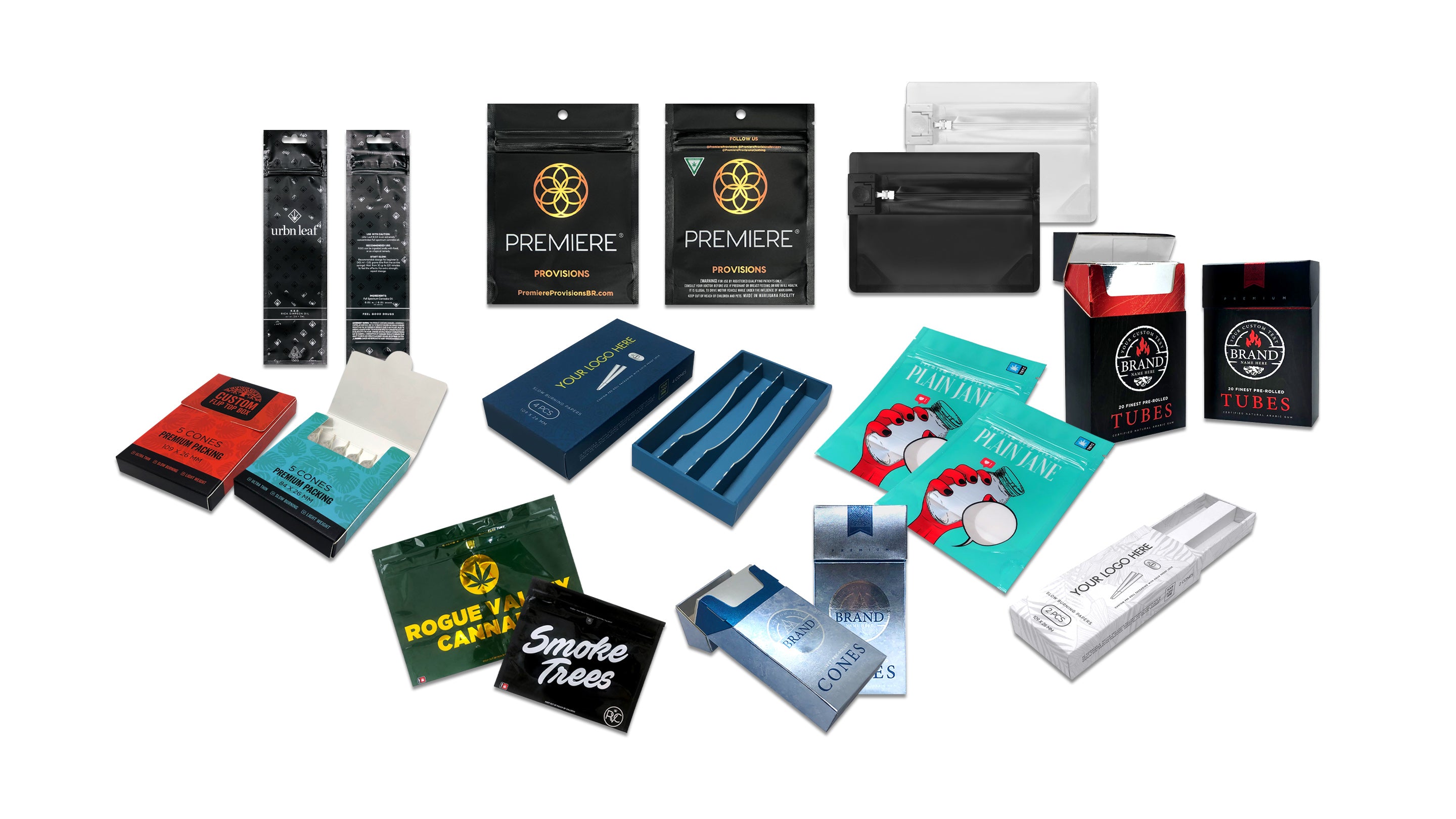
Think about it – if you're going to roll anyway, why not make it uniquely yours? Custom papers let you add your personal touch, whether that's your favorite artwork, a meaningful quote, a logo for your brand, or even photos. They're conversation starters, they make great gifts, and honestly? They're just plain fun!
💼 Custom Papers for Business
Here's where things get really interesting for entrepreneurs and businesses. Branded rolling papers are becoming a powerful marketing tool for:
- 🏪 Dispensaries and shops looking to build brand loyalty
- 🎤 Musicians and artists wanting to connect with fans
- 🎉 Event organizers creating memorable experiences
- 👕 Lifestyle brands expanding their product lines
- 🎁 Gift shops offering unique personalized items
🎨 Design Possibilities
The customization options are practically endless! You can add:
- ✨ Company logos and brand names
- 🎭 Artwork and graphics
- 💭 Quotes and messages
- 📸 Photos and images
- 🌈 Custom colors and patterns
- 🔥 QR codes linking to websites or social media
🏭 How Custom Papers Are Made
Quality custom papers are printed using food-grade, soy-based inks that are safe and don't affect the taste or quality of your experience. The printing process needs to be precise – the designs are usually printed on organic hemp or rice paper, ensuring you're not compromising on quality for aesthetics.
🎁 Custom Papers for Special Occasions
Custom papers aren't just for businesses! They're perfect for:
- 💒 Weddings and bachelor/bachelorette parties
- 🎂 Birthdays and anniversaries
- 🎓 Graduations and celebrations
- 🎄 Holiday gifts with a personal touch
- 💝 Valentine's Day surprises
Imagine gifting your friend a pack of papers with inside jokes printed on them, or creating wedding favor papers with the couple's names and wedding date. These are the kinds of thoughtful, unique gifts people actually remember!
🛒 Where to Get Custom Rolling Papers
Ready to create your own? You'll want to work with a reputable manufacturer who uses high-quality materials and food-grade inks. Look for companies that offer:
- 📋 Multiple paper options (hemp, rice, etc.)
- 🎨 Design support and templates
- 📦 Reasonable minimum order quantities
- ✅ Quality guarantees
- 🚚 Reliable shipping
- 💬 Good customer service
🔥 Ready to Create Your Own Custom Rolling Papers?
Why settle for plain when you can have personalized? Whether you're building your brand, creating memorable gifts, or just want to express yourself – we've got you covered! 🎨
- ✔️ Made from organic hemp
- ✔️ Printed with food-grade ink
- ✔️ Sealed with 100% natural gum
- ✔️ Customize them with your brand, artwork, or vibe
- ✔️ Low minimum orders available
- ✔️ Fast turnaround times
📦 Bulk orders available | 🚚 Fast shipping | 🌱 Always chemical-free
🎭 Rolling Papers in Modern Culture (More Than Just Function)
Rolling papers have transcended their purely functional role to become a cultural icon in their own right. Let's explore how these simple sheets of paper have influenced modern culture:
🎵 In Music and Art
From hip-hop lyrics to indie album covers, rolling papers have been referenced and featured in countless artistic works. They represent DIY culture, independence, and a certain rebellious spirit. Artists like Wiz Khalifa even released an album titled "Rolling Papers," cementing their place in pop culture!
📱 Social Media and the Instagram Effect
Rolling has become something of an art form on social media! People share intricate rolling techniques, showcase custom paper designs, and build entire communities around roll-your-own culture. Hashtags dedicated to rolling papers get millions of views, and "roll check" videos are hugely popular.
🌐 The Global DIY Movement
Rolling papers represent something bigger – the DIY ethos. In an age of mass production and convenience, the act of rolling your own is a small rebellion. It's taking control, being mindful, and creating something with your own hands. This resonates with people who value craftsmanship and personal touch in an increasingly automated world.
🏪 The Business Side of Roll-Your-Own
The roll-your-own market has exploded in recent years, driven by several factors. People are becoming more conscious about what they consume, looking for ways to save money, and wanting more control over their experience. This has led to innovation in paper materials, designs, and even subscription services delivering curated paper selections monthly!
📊 Market Trend: The roll-your-own industry has grown by over 175% in some regions over the past decade! This growth is driven by younger consumers who value authenticity, sustainability, and personal customization.
🎓 Rolling as a Social Skill
Here's something interesting: knowing how to roll has become a valued social skill! Similar to knowing how to make a good cocktail or cook a signature dish, being able to roll well earns you street cred in certain circles. It's seen as a craft worth perfecting, and people take pride in their rolling abilities.
🔮 The Future of Rolling Papers
Innovation isn't stopping! We're seeing development in:
- 🧬 Biodegradable papers that decompose even faster
- 🌈 Papers made from novel sustainable materials
- 🎨 More advanced customization options
- 📱 Smart papers with embedded technology
- 🔬 Enhanced filtration and burn control
❓ Frequently Asked Questions About Rolling Papers
Great question! Rolling papers are specifically engineered to burn slowly and evenly, while regular paper (like notebook or printer paper) is designed for writing and printing. Rolling papers are much thinner (usually 10-20 microns vs 70-100 microns for regular paper), have controlled porosity for proper airflow, contain an adhesive gum strip for sealing, and are made from natural materials like hemp, rice, or flax. Regular paper often contains chemicals, bleaches, and additives that make it unsafe to burn and inhale. Plus, regular paper would burn way too fast and taste terrible!
Absolutely! Rolling papers are significantly more cost-effective than buying pre-made products. A pack of quality rolling papers costs between $1-10 depending on the brand and material, and contains 32-100+ papers. Even premium papers work out to pennies per use, while pre-made alternatives can cost several dollars each. Over time, the savings really add up! Plus, you get the added benefit of controlling exactly how much material you use, potentially saving even more. For budget-conscious folks, rolling your own is definitely the way to go.
When it comes to health-conscious choices, organic unbleached hemp papers are generally considered the safest option. They contain no chemical additives, aren't treated with chlorine or other bleaching agents, use natural gum adhesives, burn cleanly with minimal ash, and come from sustainably grown sources. Rice papers are also an excellent choice, especially premium brands that use natural processing methods. The key things to avoid are papers with chemical bleaching, synthetic additives, artificial flavoring, and low-quality adhesives. Remember though – while some papers are better than others, no burning material is completely risk-free!
For beginners, we recommend starting with 1¼ size papers (76-78mm x 45mm). This size hits the sweet spot – it's large enough to work with comfortably, but not so big that you'll struggle to handle it or waste material learning. They're the most popular size worldwide for good reason! As you get more comfortable, you can experiment with other sizes. Single wide papers are good for ultra-quick sessions, while king size papers are great once you've mastered the basics and want more capacity. Material-wise, start with hemp or wood pulp papers – they're more forgiving than delicate rice papers while you're learning proper rolling technique.
Yes! Custom rolling papers are more accessible than ever. Many manufacturers now offer customization services where you can add logos, artwork, text, photos, or any design you want. The printing is done using food-grade, soy-based inks that are safe and don't affect taste. Custom papers are perfect for businesses (promotional items and brand building), special events (weddings, parties, celebrations), personal expression, and unique gifts. Most companies have reasonable minimum order quantities (often 50-100 packs), and the process is straightforward – just submit your design, choose your paper type and size, and they handle the rest. Custom papers typically only cost slightly more than standard papers, especially when ordered in bulk!
Yes, rolling papers themselves are completely legal to travel with on airplanes! They're just paper products and are not prohibited by TSA or international aviation authorities. You can pack them in either your carry-on or checked luggage without any issues. However, keep them in their original packaging to avoid any unnecessary questions. Just remember that while the papers are legal, certain materials you might use with them may not be legal at your destination or even federally. Always check local laws at your destination before traveling. The papers themselves are no different from bringing notebook paper – they're perfectly fine to fly with!
Most quality rolling papers are biodegradable, especially those made from natural materials! Papers made from hemp, rice, or unbleached materials will break down naturally over time, usually within a few weeks to months depending on conditions. However, the environmental impact varies by material and production method. The most eco-friendly options are organic hemp papers (sustainably grown, fast-growing crop, minimal environmental impact), unbleached papers (no chemical processing), papers with natural gum adhesives, and products with minimal packaging. Less eco-friendly options include chlorine-bleached papers, those with synthetic additives, and heavily packaged products. Even the most eco-friendly rolling papers have a minimal environmental footprint compared to many alternatives!
🎯 Final Thoughts: Understanding What Rolling Paper Means
So, what does rolling paper mean at the end of the day? It's more than just a thin sheet of paper – it's a tool for personal freedom, expression, and control. Whether you're using standard wood pulp papers or splurging on custom-designed organic hemp sheets, rolling papers represent a choice to do things your way.
From their humble origins in 16th century Spain to today's high-tech, eco-friendly innovations, rolling papers have come a long way. They've evolved from torn newspaper scraps to precision-engineered products available in dozens of varieties, sizes, and materials. And the innovation isn't stopping – we're constantly seeing new materials, designs, and features that make the experience even better.
Remember: there's no "one size fits all" when it comes to rolling papers. What matters is finding what works for YOU. Experiment with different materials, sizes, and brands. Don't be afraid to try something new – you might discover your new favorite! Whether you prefer the eco-friendliness of hemp, the ultra-thin refinement of rice, or the classic reliability of wood pulp, there's a perfect paper out there with your name on it.
And hey, if you're looking to really stand out and express yourself, why not go custom? With the ability to design your own papers, you can turn a functional item into a personal statement or powerful marketing tool. The only limit is your imagination! 🚀
Thanks for joining us on this deep dive into the world of rolling papers. Now you know not just what they are, but why they matter, how to choose them, and how to get the most out of them. Happy rolling, friends! ✌️




Leave a comment