How to Make Custom Rolling Tray Sets: 9 Creative DIY Methods (2026 Guide) 🎨✨

Hey there, creative soul! 👋 Ever looked at your plain old rolling setup and thought, "This could use some serious personality"? You're not alone. More and more people are ditching those boring, mass-produced trays and creating their own custom rolling tray sets that actually reflect their vibe. And honestly? It's way easier than you think.
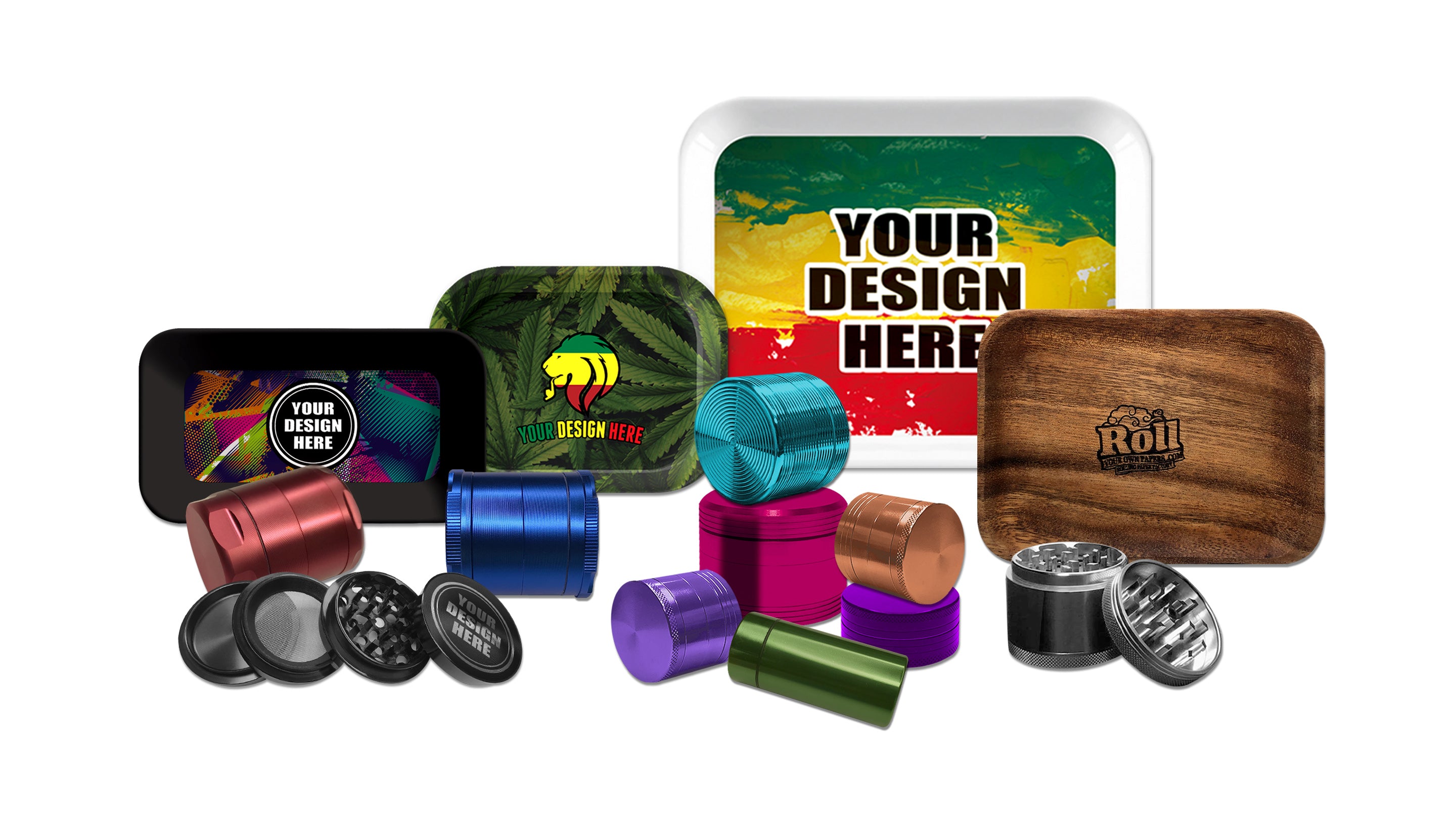
Whether you're looking to craft a one-of-a-kind set for yourself, create the ultimate personalized gift for your bestie, or even start a side hustle making custom rolling trays to sell, this guide has got your back. We're talking complete sets here—not just a lonely tray, but coordinated pieces that include ashtrays, stash jars, and all those little accessories that make your setup feel premium. 💎
By the end of this guide, you'll know exactly how to create stunning, durable, Instagram-worthy rolling tray sets using methods that range from super simple (we're talking spray paint and stickers) to seriously impressive (hello, resin art and sublimation printing). Ready to get your hands dirty and your creativity flowing? Let's dive in! 🚀
📑 Table of Contents
- Why Make Your Own Custom Rolling Tray Sets? 🤔
- Essential Materials & Tools You'll Need 🛠️
- Method 1: The Quick & Easy Spray Paint Makeover 🎨
- Method 2: Glitter Galaxy Tray Sets ✨
- Method 3: Epoxy Resin Art Magic 🌊
- Method 4: Wood Burning & Pyrography Elegance 🔥
- Method 5: Sublimation Printing (Professional Results) 🖨️
- Method 6: Vinyl Decal & Sticker Customization 🎭
- Method 7: Hydro Dipping for Unique Patterns 🌀
- Method 8: Photo Transfer Technique 📸
- Method 9: Mixed Media Collage Style 🎪
- Creating Complete Matching Sets (Not Just Single Trays!) 🎁
- Pro Design Tips for Cohesive Sets 💡
- Sealing & Protecting Your Creations 🛡️
- Gift-Worthy Presentation Ideas 🎀
- Turning Your Hobby Into a Side Hustle 💰
- Frequently Asked Questions ❓
Why Make Your Own Custom Rolling Tray Sets? 🤔
Before we jump into the nitty-gritty of actually making these beauties, let's talk about why DIY is totally worth your time. Because trust me, once you make your first set, you'll wonder why you ever settled for basic store-bought stuff.
Express Your Unique Style 🎨
This is YOUR chance to create something that's 100% you. Love neon colors? Go wild. Into minimalist aesthetics? Keep it sleek. Obsessed with your pet's face? Slap that adorable mug on every piece! The point is, you're not limited to whatever's available on some website. Your personality, your design, your rules. Period.
Save Some Serious Cash 💸
Here's the thing: custom rolling trays can get pricey, especially when you're buying complete sets. A basic DIY project might cost you $20-40 in materials, while a similar professionally-made set could run you $60-150. Plus, once you have the supplies, you can make multiple sets for yourself and your friends without breaking the bank.
Create One-of-a-Kind Gifts 🎁
Honestly? A handmade custom rolling tray set is the kind of gift that people actually remember. It shows you put thought, effort, and creativity into something just for them. Birthdays, holidays, housewarming parties—these sets are always a hit. And if you really want to go the extra mile, you can customize each piece with inside jokes, meaningful dates, or their favorite colors.
Potential Business Opportunity 💼
Plot twist: what starts as a fun weekend project could actually turn into a profitable side gig. Tons of people on Etsy, Instagram, and local markets are making bank selling custom rolling tray sets. Once you master a couple methods and develop your signature style, you could easily start taking custom orders. We'll talk more about this later in the guide!
Essential Materials & Tools You'll Need 🛠️
Alright, let's talk supplies. The specific materials depend on which method you choose, but here's a comprehensive list of everything you might need. Don't worry—you definitely won't need ALL of this stuff for every project!
Base Materials for Your Tray Set
- Metal cookie trays or baking sheets ($5-10 each) - Perfect for beginners, easy to find, lightweight
- Wooden tray blanks ($8-15 each) - Natural, sturdy, great for burning or painting
- Metal rolling tray blanks ($10-20 each) - Professional-grade, ideal for sublimation
- Silicone molds ($15-30) - For resin projects, comes in various shapes
- Glass or ceramic ashtrays ($3-8 each) - For completing your set
- Small glass jars with lids ($2-5 each) - Perfect stash jars
- Mini wooden or metal organizers ($5-10 each) - For accessories
Decorating & Finishing Supplies
- Epoxy resin kit ($15-35) - Food-safe, crystal clear finish
- Acrylic paints ($12-25 for a set) - Versatile and vibrant
- Spray paint ($8-12 per can) - Quick coverage, lots of finishes available
- Resin pigments or mica powders ($10-20) - For coloring resin
- Glitter ($5-15) - Fine or chunky, your choice
- Vinyl sheets or stickers ($8-20) - Pre-made or custom cut
- Photos, magazine clippings, or printouts (varies) - Personal touches
- Alcohol inks ($15-30) - For cool effects in resin
- Sealant (polyurethane or clear coat) ($10-18) - Protects your design
Tools & Equipment
- Sandpaper (various grits, $5-10) - Prep work is crucial
- Paintbrushes ($8-15 for a set) - Different sizes for detail work
- Heat gun or hair dryer ($15-30) - For popping resin bubbles
- Mixing cups & stir sticks ($5-10) - For resin or paint
- Heat-resistant tape ($6-12) - Keeps things in place
- Gloves and drop cloths ($5-10) - Protect yourself and your workspace
- Exacto knife or cutting mat ($10-20) - For vinyl work
- Wood burning tool ($20-50) - Optional, for pyrography
- Heat press ($150-400) - For sublimation (investment piece)
Method 1: The Quick & Easy Spray Paint Makeover 🎨
Let's kick things off with the most beginner-friendly method that still delivers awesome results. This is perfect if you're just dipping your toes into the DIY world or want to create something cool without a ton of time investment.
What You'll Need
- Metal cookie trays (main tray plus smaller ones for accessories)
- Spray paint (2-3 colors)
- Painter's tape
- Stencils or vinyl stickers
- Clear coat sealant
- Sandpaper (fine grit)
Step-by-Step Process
Step 1: Prep Your Surfaces 🧼
Clean all your trays thoroughly with soap and water, then dry completely. Lightly sand the surfaces to help the paint stick better—this is especially important on shiny metal. Wipe away any dust with a damp cloth and let dry.
Step 2: Create Your Design 🎭
Plan out your color scheme for the entire set. Use painter's tape to create geometric patterns, stripes, or blocks of color. Or keep it simple with a solid base coat. Apply your stencils if you're using them—flowers, mandalas, funny quotes, whatever speaks to you!
Step 3: Spray Away 💨
Working in a well-ventilated area (seriously, go outside or open all the windows), apply thin, even coats of spray paint. Hold the can about 10-12 inches away and use smooth, sweeping motions. Let each coat dry for 15-20 minutes before applying the next. You'll probably want 2-3 coats for full coverage.
Step 4: Add Details & Personal Touches ✨
Once your base coats are dry, peel off any tape or stencils to reveal your patterns. Now's the time to add vinyl stickers, additional painted details, or whatever else you want. Get creative! This is where your set really becomes yours.
Step 5: Seal the Deal 🛡️
After everything's completely dry (give it at least 24 hours to be safe), apply 2-3 coats of clear sealant. This protects your design from scratches and makes cleanup way easier down the line.
Method 2: Glitter Galaxy Tray Sets ✨
If you're all about that sparkle life, this method is calling your name. We're talking full-on glitter coverage that actually STAYS PUT (no glitter explosion disasters, promise). These sets are Instagram gold and surprisingly durable when done right.
What You'll Need
- Metal or wooden tray blanks
- Acrylic or spray paint (base color)
- Fine glitter (multiple colors or matching shades)
- Decoupage glue or Mod Podge
- Epoxy resin or several layers of clear coat
- Foam brush
- Drop cloth (glitter gets EVERYWHERE)
Creating Your Sparkly Masterpiece
Base Coat Application 🎨
Paint your entire set with your chosen base color. Black makes glitter pop like crazy, but pastels create a dreamy vibe, and metallics add extra dimension. Let this dry completely—we're talking overnight.
Glitter Time! ✨
Working on one section at a time, brush on a generous layer of decoupage glue. Immediately sprinkle glitter over the wet glue—go heavy, you want full coverage. Pat it down gently. Once dry (about 30 minutes), tap off excess glitter over your drop cloth (save that glitter for touch-ups!).
Gradient Effects (Optional but Cool) 🌈
Want to level up? Create an ombré effect by using different colored glitters that blend into each other. Start with your darkest shade at one end, transition to medium in the middle, and finish with your lightest shade. Blend the overlap areas while the glue's still wet.
Sealing for Real 🔒
Here's where you make or break this project: the seal coat. You have two options. Option one is applying 3-4 coats of clear spray sealant, letting each dry for 2-3 hours. Option two (recommended) is pouring a thin layer of epoxy resin over everything. This creates a glass-smooth finish that locks in every speck of glitter forever.
Method 3: Epoxy Resin Art Magic 🌊
Okay, this is where we get into the seriously impressive stuff. Resin art might sound intimidating, but it's actually pretty straightforward once you understand the basics. Plus, the results? Absolutely stunning. We're talking gallery-worthy pieces that look like they cost hundreds of dollars.
Understanding Resin Basics
Epoxy resin is a two-part system: resin and hardener. When mixed together, they chemically react and harden into that gorgeous, glassy finish you see everywhere. You can color it, layer it, embed things in it, and create effects that are literally impossible with any other medium.
What You'll Need
- Epoxy resin kit (make sure it's food-safe and low-odor)
- Silicone tray molds OR existing trays to coat
- Resin pigments, mica powders, or alcohol inks
- Mixing cups & wooden stir sticks
- Heat gun or torch (for bubbles)
- Gloves and protective eyewear
- Embedding materials: dried flowers, photos, glitter, etc.
- Level surface & plastic drop cloth
Creating Resin Magic: Two Approaches
Approach A: Molding Complete New Trays
This method uses silicone molds to create trays from scratch. Mix your resin according to package directions (usually 1:1 ratio, but ALWAYS check). Add your colorants—start with just a few drops, you can always add more. Pour into your mold, creating swirls, layers, or cells by manipulating different colors. Pop any bubbles with your heat gun, then let cure for 24-48 hours. Demold carefully, and voilà—custom tray!
Approach B: Coating Existing Trays
Got trays you want to beautify? Pour a thin layer of colored resin directly onto clean, dry trays. Create ocean waves by swirling blues and whites, or go abstract with bold color combinations. You can also embed photos, dried flowers, or other flat items by placing them on the tray, pouring a clear layer over them, and sealing with another layer once dry.
Advanced Technique: Resin Geodes 💎
Want to create something that looks like it belongs in a museum? Try the geode technique. Line the edges of your mold with crushed glass or crystals, then pour resin mixed with mica powder in graduated shades from dark to light, moving from the edges to the center. Add metallic accents, let cure, and prepare for everyone to lose their minds over how gorgeous it is.
Method 4: Wood Burning & Pyrography Elegance 🔥
If you're into that rustic, artisanal vibe, wood burning (pyrography) creates incredibly unique pieces with a handcrafted feel. This method works beautifully with wooden tray blanks and creates permanent designs that actually improve with age and use.
What You'll Need
- Wooden tray blanks (sanded smooth)
- Woodburning tool/pen (with various tips)
- Pencil for sketching
- Carbon paper (for transferring designs)
- Sandpaper (fine grit)
- Wood stain or paint (optional)
- Food-safe wood finish or polyurethane
Creating Your Design
Plan & Sketch 📝
Lightly sketch your design directly on the wood with pencil, or print your design and transfer it using carbon paper. Geometric patterns, mandalas, nature scenes, quotes—literally anything works. Keep in mind that more detailed designs take longer to burn but look absolutely incredible.
Burning Technique 🔥
Let your woodburning tool heat up completely (usually 5-10 minutes). Start with the main outlines, keeping your movements slow and steady. Apply consistent pressure—too much can gouge the wood, too little won't leave a mark. Different tips create different effects: fine tips for details, shading tips for filling areas, and calligraphy tips for lettering.
Adding Depth with Shading ⚫
The real magic happens when you add dimension. Use a shading tip or fan tip to create gradients, going over areas multiple times for darker tones. This transforms flat line art into something with real visual depth. Practice on scrap wood first to get a feel for how long you need to hold the tool in one spot.
Color & Finish Options 🎨
You can leave your design natural for a minimalist look, or add color! Watercolors work beautifully with wood burning, or use wood stain to add warmth. Once everything's dry, seal with 2-3 coats of food-safe wood finish to protect your art and make cleanup easier.
Method 5: Sublimation Printing (Professional Results) 🖨️
Want results that look professionally manufactured? Sublimation printing is your answer. This method uses heat to permanently transfer ink into specially-coated materials, creating vibrant, photo-quality designs that'll never peel, crack, or fade. It's the secret weapon of successful small businesses selling custom rolling trays.
What You'll Need (Initial Investment)
- Sublimation printer ($150-400)
- Sublimation ink cartridges ($30-60)
- Sublimation paper ($15-30 per pack)
- Heat press ($150-400) or easy press ($100-200)
- Sublimation-coated metal tray blanks ($10-20 each)
- Heat-resistant tape
- Butcher or parchment paper
The Sublimation Process
Design Creation 💻
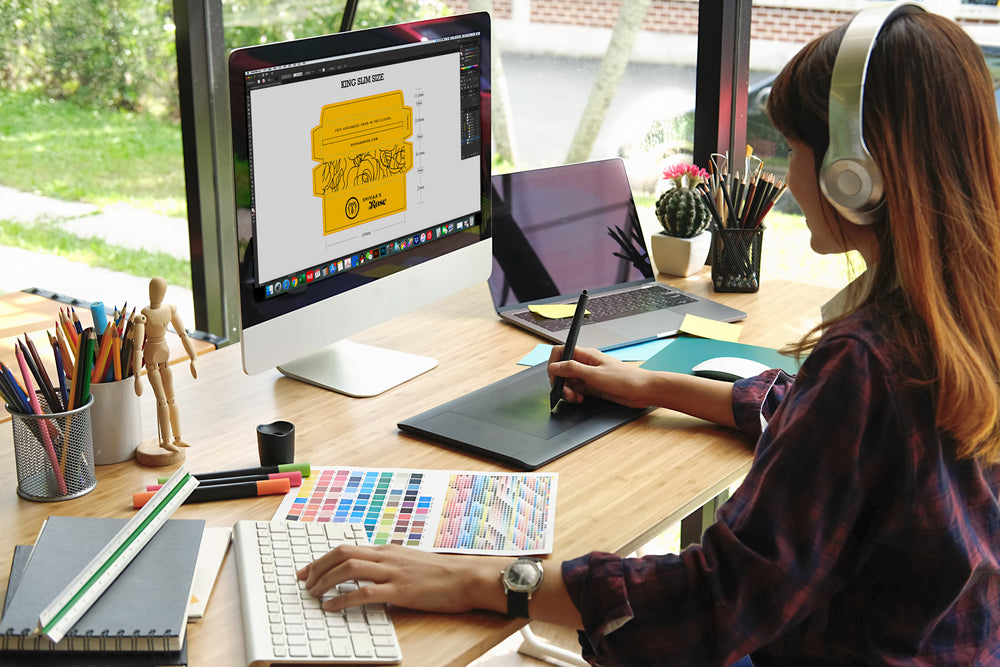
Create your design using graphic design software like Photoshop, Canva, or even free options like GIMP. Make sure your design is mirror-imaged (flipped horizontally) since it'll transfer in reverse. Print using sublimation ink on sublimation paper—colors should look vibrant on the paper.
Prep Your Blanks 🧹
Clean your metal blanks with rubbing alcohol to remove any oils or dust. Position your printed design face-down on the white coating of the blank. Tape it securely with heat-resistant tape—if it shifts during pressing, your design will blur. Cover with butcher paper to protect your heat press.
Heat Transfer Magic 🔥
Set your heat press to 380-400°F (timing depends on your specific equipment, usually 45-60 seconds). Press firmly, then carefully remove from heat. Peel the paper away—it might still be warm, so be careful! Your design is now permanently embedded into the coating. How cool is that?
Why Sublimation Rocks for Sets 🌟
The beauty of sublimation for creating sets is consistency. You can print the exact same design elements across all pieces, or create coordinated variations. Plus, once you nail your process, you can crank out professional-quality sets in under an hour. That's why it's so popular with people who sell their creations!
Method 6: Vinyl Decal & Sticker Customization 🎭
Let's talk about one of the most versatile and budget-friendly methods: vinyl decals. This approach lets you create crisp, professional-looking designs without any artistic ability whatsoever (seriously, if you can use a computer, you can do this). Plus, the design possibilities are literally endless.
What You'll Need
- Adhesive vinyl sheets (various colors)
- Vinyl cutter (Cricut, Silhouette, etc.) OR pre-made decals
- Transfer tape
- Squeegee or credit card
- Base trays (any material works!)
- Epoxy resin or clear coat for sealing
DIY with a Vinyl Cutter
Design Your Graphics 💻
Use the software that comes with your vinyl cutter (like Cricut Design Space or Silhouette Studio). You can create custom designs, use pre-made graphics, or even convert your own drawings into cuttable files. The machines can cut intricate details that would be impossible to paint by hand.
Cut, Weed, & Apply ✂️
Once your design is cut, "weed" it—that means removing all the excess vinyl around your design using a weeding tool or pin. Apply transfer tape over your design, use your squeegee to really press it down, then peel up the entire thing. Position on your tray, squeegee again to adhere, then carefully remove the transfer tape, leaving only your vinyl design.
Using Pre-Made Stickers (Even Easier!)
Not ready to invest in a cutting machine? No problem! You can buy awesome vinyl stickers online or at craft stores. Arrange them however you want on your tray, press down firmly, and seal with clear coat or resin. Mix and match different stickers to create collage-style pieces that are totally unique.
Layering for Depth 🎨
Here's where it gets fun: you can layer different colors of vinyl to create multi-toned designs. Cut the same shape in different sizes, layer them from largest to smallest, and boom—instant dimension. Or create shadow effects by offsetting duplicate designs in different colors.
Method 7: Hydro Dipping for Unique Patterns 🌀
Alright, prepare to have your mind blown. Hydro dipping (also called water transfer printing or hydro-graphics) creates INSANE marble-like patterns that you literally cannot replicate. Every single piece is one-of-a-kind, and the technique looks way more complicated than it actually is.
What You'll Need
- Metal tray blanks
- Large container or bucket (big enough to submerge your tray)
- Spray paint (multiple colors)
- Room temperature water
- Gloves
- Clear coat sealant
- Primer spray (optional but recommended)
The Hydro Dipping Process
Prep Your Water Bath 💧
Fill your container with room temperature water—too cold or too hot affects how the paint spreads. The water should be deep enough to fully submerge your tray. Place your container in a well-ventilated area or outside because you're about to spray a lot of paint!
Create Your Paint Film 🎨
Here's the magic: spray your first color of paint across the surface of the water. It'll float! Wait 3-5 seconds, then spray your second color. Keep alternating colors, spraying in different patterns. The paints will spread and blend on the water's surface, creating those mesmerizing swirls and cells.
The Dip! 🌊
Wearing gloves, slowly and steadily lower your tray into the water at about a 45-degree angle. As the tray breaks the surface, the paint film wraps around it. Keep going until it's fully submerged. Count to 3, then pull it out in one smooth motion. Let excess paint and water drip off.
Clean Up & Seal 🧹
Let your tray dry for several hours (or overnight if you're patient). Skim off the remaining paint from your water container between dips—otherwise you'll end up with muddy layers. Once dry, spray with 2-3 coats of clear sealant to protect your unique creation.
Creating a Matching Set 🎭
Here's the cool part about hydro dipping for sets: even though each piece is technically unique, using the same color palette creates cohesion. Dip all your pieces in the same session using the same colors, and they'll look like a matching set despite having different patterns. It's the perfect balance of uniformity and uniqueness!
Method 8: Photo Transfer Technique 📸
Want to immortalize your favorite memories, your pet's adorable face, or that epic concert you went to? Photo transfer lets you embed actual photos into your custom rolling trays. It's personal, meaningful, and creates genuinely unique pieces that tell a story.
What You'll Need
- High-quality printed photos (laser printer, not inkjet!)
- Gel medium or Mod Podge
- Wooden or metal tray blanks
- Foam brush or paintbrush
- Spray bottle with water
- Clear sealant or epoxy resin
Traditional Photo Transfer Method
Print Your Images 🖨️
This is crucial: you MUST use a laser printer or get your images laser-printed at a print shop. Inkjet won't work because the ink is water-based and will just wash away. Print your images backwards (mirror them) since they'll transfer in reverse. Make them slightly larger than your final desired size—you'll trim later.
Apply & Transfer 🖼️
Brush a thick, even layer of gel medium onto your tray where you want the image. Place your photo face-down on the wet medium and smooth out any bubbles or wrinkles. Apply another layer of gel medium over the back of the paper. Let this dry completely—like, really completely. We're talking 12-24 hours.
Reveal the Image 💧
Once bone-dry, mist the paper with water and let it soak for a minute. Start gently rubbing the paper with your fingers—it'll pill up and rub away, slowly revealing your transferred image underneath. Keep misting and rubbing until all the paper is gone and only the image remains, embedded in the gel medium.
Epoxy Resin Photo Method (Easier!)
Here's a simpler approach: arrange your photos on your tray exactly how you want them. Mix up a batch of clear epoxy resin and pour it over everything, making sure it seeps around and under the photos. Use a brush to push out any air bubbles. Let cure completely. Done! The resin permanently encases your photos and creates that glass-like finish.
Creating Photo Collages 🎨
Why stop at one photo? Create collages that tell a complete story. Overlap images, add ticket stubs or meaningful dates printed on paper, mix photos with decorative elements. The result is deeply personal and way more interesting than a single centered image.
Method 9: Mixed Media Collage Style 🎪
If you're the type who can't pick just one technique (we feel you!), why not combine multiple methods into one epic mixed-media masterpiece? This approach creates visually rich, textured pieces that have LAYERS of interest—literally and figuratively.
Combining Techniques for Maximum Impact
Base + Middle + Top Layers 🏗️
Think of your tray like a sandwich (bear with us here). Your base layer might be painted or stained wood. Your middle layer could be collaged magazine cutouts, fabric scraps, sheet music, or map pages—anything flat with cool texture or pattern. Your top layer? That's where you add 3D elements like buttons, dried flowers, small metal charms, or even miniature figurines. Seal it all under a thick layer of resin, and you've got a functional art piece.
Texture Play 🎨
Mix smooth and rough textures for visual interest. Combine the glossy finish of resin with matte painted sections. Add raised vinyl decals over a flat painted background. Use modeling paste or texture medium to create dimensional elements, then paint over them. The contrast between different surfaces makes your piece way more dynamic than a single-technique approach.
Theme-Based Collage Ideas 💭
- Vintage Vibes: Old book pages, vintage stamps, antique keys, sepia-toned photos, lace, and aged paper
- Nature Lover: Pressed flowers, leaves, feathers, wood bark pieces, moss (dried), and natural colors
- Pop Culture Fan: Comic book pages, concert tickets, album art printouts, lyrics, and bold graphics
- Abstract Artist: Torn painted paper, random text snippets, geometric shapes, bold colors, and chaotic energy
- Minimalist: One or two carefully chosen elements, lots of negative space, monochromatic colors, clean lines
Execution Tips for Collage Work
Work in stages, letting each layer dry completely before adding the next. Use Mod Podge or diluted white glue to adhere paper elements—brush it on the tray, place your element, then brush another layer over the top. For 3D elements, use E6000 or strong craft glue. Always do a final seal with multiple coats of resin or clear coat to protect everything and create a smooth surface.
Creating Complete Matching Sets (Not Just Single Trays!) 🎁
Okay, so here's where we level up from "making a cool tray" to "creating a complete, cohesive set that looks professionally designed." Because let's be real—a matching set is approximately 10x more impressive than a single piece, and if you're gifting or selling, sets command way higher prices!
What Makes a Complete Set? 🧩
A basic custom rolling tray set typically includes 3-5 pieces:
- Main Tray: Your centerpiece, usually 10x6 inches to 12x8 inches
- Ashtray: 3-4 inches diameter, ceramic or glass works great
- Stash Jar: Small glass jar with lid (2-4 oz capacity is perfect)
- Accessory Holder: Small tray or container for lighter, papers, etc.
- Bonus Items (Optional): Customized grinder lid, rolling mat, or storage pouch
Planning Your Set Design 📐
Choose Your Core Elements 🎨
Before you touch a single supply, plan out the unifying elements that'll tie your set together. This could be a color palette (like pastels, or jewel tones, or black and gold), a pattern theme (geometric shapes, floral elements, abstract swirls), a specific technique (all resin, all pyrography), or a conceptual theme (ocean vibes, galaxy space, retro 70s).
Unity vs. Variety Balance ⚖️
Here's the secret sauce: your set needs enough similarity to look cohesive, but enough variety to stay interesting. Think of it like getting dressed—you wouldn't wear a shirt, pants, shoes, and bag that are all identical patterns, right? You'd pick pieces that complement each other. Apply the same logic here.
Execution Strategies for Sets
Option 1: Identical Design Across All Pieces
This works great with sublimation, vinyl decals, or spray paint stencils. Print or apply the exact same design to every piece in your set. It looks super polished and professional, like you bought it from a high-end boutique. Best for: Minimalist designs, logos, geometric patterns, or when you want maximum cohesion.
Option 2: Coordinated But Different Designs
Use the same color palette and general style but vary the specific designs. For example: main tray has swirled blue and purple resin, ashtray has solid blue with purple accent, stash jar has purple base with blue designs. This approach feels more dynamic and creative while still looking intentional. Best for: When you want personality and visual interest.
Option 3: Theme with Variation
Pick a theme and express it differently on each piece. Ocean theme? Main tray shows waves crashing, ashtray has shells, stash jar features a lighthouse, accessory holder has beach sand colors. This is the most creative approach and results in sets that tell a complete story. Best for: Gifts, art pieces, and when you really want to flex your creativity.
Pro Design Tips for Cohesive Sets 💡
Want to know the difference between "this looks homemade" and "wait, you MADE that?!" It's all in the details, baby. Here are the insider tips that professional designers use to create sets that look cohesive and intentional.
Color Theory Crash Course 🌈
The 60-30-10 Rule
Use 60% of a dominant color, 30% of a secondary color, and 10% of an accent color across your set. For example: 60% navy blue base, 30% gold details, 10% white highlights. This creates visual balance and prevents your design from looking chaotic or overwhelming.
Complementary Color Magic
Colors opposite each other on the color wheel create maximum visual impact: blue and orange, purple and yellow, red and green. But use them in unequal proportions (see the 60-30-10 rule above) to avoid the "kids' birthday party" vibe unless that's specifically what you're going for!
Analogous Colors for Harmony
Want something more subtle? Use colors that sit next to each other on the color wheel: blues and greens, oranges and reds, purples and pinks. This creates a naturally harmonious, soothing palette that's basically impossible to mess up.
Pattern & Texture Guidelines 🎨
Rule of Odds
Odd numbers (3, 5, 7) of design elements are more visually pleasing than even numbers. If you're placing stickers or vinyl designs, group them in threes or fives rather than twos or fours. I know it sounds weird, but your brain legit processes odd-numbered groupings as more interesting and balanced.
Repetition with Variation
Repeat certain elements (like a specific shape, pattern, or motif) across multiple pieces, but change the size, color, or orientation. This creates visual rhythm while keeping things from feeling monotonous. Like a song that repeats a chorus but with variations—same concept!
Contrast Is Your Friend
Mix matte and glossy finishes, pair simple with complex patterns, combine smooth and textured surfaces. Contrast creates visual interest and prevents your set from looking flat or one-dimensional. Too much similarity is actually boring—you want some tension in your design!
Practical Design Execution 🛠️
Test First, Always
Before committing to your final pieces, do test runs on cardboard or cheap trays. Test your colors, your technique, your sealing method. This is ESPECIALLY important with resin—knowing how your colors will cure before you pour expensive resin on your actual project saves so much heartache.
Work in Batches
Do all your base coats at once, all your detail work at once, all your sealing at once. This ensures consistency across your set (colors match exactly, cure times are identical) and it's way more efficient than bouncing between pieces randomly.
Photography Planning
Even if you're not selling your sets, good photos make you appreciate your work more. Style your completed set together in good lighting. Add complementary items (like a nice lighter or some greenery) to show scale and context. Natural lighting near a window is your best friend. Trust us—you'll want to show off your hard work!
Sealing & Protecting Your Creations 🛡️
Listen up, because this might be the most important section in this entire guide: proper sealing is what separates a pretty decoration from a functional, long-lasting rolling tray that'll hold up to actual use. Skip this step or do it wrong, and all your beautiful work will chip, peel, or deteriorate within weeks.
Why Sealing Matters
Your sealed trays need to withstand: sticky residue, cleaning with damp cloths or wipes, occasional drops or impacts, exposure to oils from hands, and general daily handling. An unsealed tray is basically an art piece you can only look at—and where's the fun in that?
Sealing Methods by Project Type
For Painted or Vinyl Designs 🎨
Use 3-5 coats of clear acrylic sealer or polyurethane. Options include spray-on clear coat (easiest, good for even coverage), brush-on polyurethane (most durable, but can show brushstrokes if not careful), or spray lacquer (fast-drying, professional finish). Let each coat dry completely (usually 2-4 hours) before applying the next. Sand lightly between coats with ultra-fine sandpaper for the smoothest finish.
For Glitter Projects ✨
Glitter requires extra sealing to prevent shedding. Start with 2-3 coats of spray sealer to lock down the glitter. Once fully dry, apply a thick coat of epoxy resin over everything for that glass-smooth, permanently-sealed finish. The resin completely encapsulates every speck of glitter—no more sparkly dust everywhere!
For Resin Projects 🌊
Good news: if your entire tray is resin or coated in resin, it's already sealed! Resin cures into a completely non-porous, waterproof surface that needs no additional protection. Just make sure you've let it cure fully (usually 3-5 days for complete hardness, even though it might seem dry after 24 hours).
For Wood-Burned Designs 🔥
Use food-safe wood finish or polyurethane. Apply 3-4 thin coats, letting each dry fully (4-6 hours minimum). For trays that'll see heavy use, consider a final coat of epoxy resin over the sealed wood for maximum protection. The wood finish protects the wood itself, while the resin creates that bulletproof top layer.
Application Best Practices
Temperature & Humidity Matter 🌡️
Seal your projects in a clean, dust-free environment between 65-75°F with moderate humidity. Too cold and sealants won't cure properly. Too hot and they might bubble or cure too fast. Too humid and you'll get cloudiness or poor adhesion. Control your environment or wait for better conditions!
The Patience Game ⏰
I know it's tempting to rush, but proper curing time is NON-NEGOTIABLE. Just because something feels dry doesn't mean it's fully cured. Follow the manufacturer's recommended cure times, then add an extra day to be safe. Using a tray before the sealant fully cures will result in marks, dents, or cloudiness that can't be fixed.
Touch-Up Later
After a few months of use, you might notice some wear on high-touch areas. No stress! Just clean the area thoroughly, lightly sand, and apply 1-2 fresh coats of sealant. This maintenance extends the life of your tray indefinitely. Think of it like re-sealing a wood deck—regular maintenance = long-lasting beauty.
Gift-Worthy Presentation Ideas 🎀
So you've created this absolutely gorgeous custom rolling tray set, and now you want to give it to someone special. Presentation matters, people! The way you package and present your set can elevate it from "cool handmade gift" to "OMG I CAN'T BELIEVE YOU MADE THIS FOR ME" territory.
Packaging Ideas That Wow
The Luxury Box Approach 🎁
Hit up craft stores or online for decorative boxes that fit your set. Line the box with tissue paper or fabric in coordinating colors. Arrange each piece thoughtfully—don't just toss everything in there! Include a small card explaining your inspiration or listing the materials used. It feels professional and shows you care about every detail.
Gift Basket Vibes 🧺
Place your set in a decorative basket or wooden crate. Fill empty spaces with shredded paper or fabric scraps. Add complementary items like quality lighters, rolling papers, or cleaning supplies. Wrap the whole thing in cellophane and tie with a big bow. This works especially well for housewarming or birthday gifts!
Individual Wrapping 📦
Wrap each piece separately in matching wrapping paper or fabric. Use different patterns in the same color family for visual interest. Nest the smaller pieces inside the larger tray, or stack them with ribbon. The unwrapping experience becomes part of the gift—multiple reveals are more exciting than one big one!
Personalization Touches
Custom Cards & Tags 💌
Create a card that explains: what materials you used, how long it took to make, care instructions for maintaining the set, and a personal message. This makes the recipient appreciate the effort even more AND ensures they'll take care of their gift properly.
Care Kit Inclusion 🧽
Include a small care kit with your gift: a microfiber cloth for cleaning, instructions on how to maintain the finish, recommendations for cleaning solutions that are safe for the materials. This practical addition shows thoughtfulness and helps your creation last longer.
Special Occasion Themes
Birthday Sets 🎂
Incorporate their birth month flower or birthstone colors into your design. Include the year or their age (if appropriate) in your decoration. Match the color scheme to their favorite colors or their existing decor.
Holiday Sets 🎄
Christmas: metallics, deep reds, forest greens, or winter wonderland themes. Halloween: oranges, blacks, purples, spooky designs. Valentine's: pinks, reds, hearts, romantic vibes. 4th of July: red, white, blue, stars and stripes. New Year's: gold, silver, champagne colors, "cheers" themes.
"Just Because" Sets 💕
Sometimes the best gifts aren't for any specific occasion. Create sets based on: their favorite band or artist, their pet's portrait, meaningful photos or dates, their hobby or passion, inside jokes only you two understand. These hyper-personalized gifts hit differently because they show you really pay attention.
Turning Your Hobby Into a Side Hustle 💰
Okay, real talk: if you're reading this section, you've probably had at least one person say "OMG you should totally sell these!" And you know what? They might be onto something. The market for custom rolling trays is actually pretty solid, and lots of crafters have turned this exact skill into profitable businesses.
Is This Actually Profitable? 💵
Short answer: Yes, if you do it right. Let's break down the math:
Basic Economics
Cost per set (materials): $15-40 depending on method and complexity. Your time: 2-5 hours depending on technique and drying times. Pricing sweet spot: $60-150 for complete sets, $25-60 for single trays. Profit margin: 50-70% after materials if you price correctly.
Example: A sublimation-printed 4-piece set costs you $25 in materials and 1.5 hours of active work. You price it at $85. That's $60 profit per set. If you make and sell just 2 sets per week, that's $480/month in side income. Not life-changing, but definitely worth your time!
Getting Started Smart 🚀
Pick Your Niche
Don't try to be everything to everyone. Specialize! Maybe you focus on: minimal aesthetic sets for modern homes, maximalist glitter creations, custom pet portrait trays, matching sets for couples, wholesale to local shops, corporate/promotional items. Having a clear focus makes marketing way easier and helps you stand out in a crowded market.
Start Small, Scale Up
Don't invest thousands in equipment right away. Start with one method you're confident in, make 5-10 sets, and actually try to sell them. See what people respond to. Get feedback. Refine your process. THEN invest more money as orders justify it. Too many people buy all the equipment first and lose motivation before selling a single item!
Where to Sell Your Sets 🛒
Online Platforms
- Etsy: Built-in audience of people specifically looking for handmade items. Fees are reasonable. Easy to set up.
- Instagram: Visual platform perfect for showcasing your work. Use relevant hashtags. Sell through DMs or link to your shop.
- Facebook Marketplace: Great for local sales, no shipping hassles, meet buyers in person.
- TikTok: If you can show your process in satisfying videos, you can blow up FAST. People love watching creation content.
- Your own website: More professional, higher margins, but requires marketing yourself.
Offline Opportunities
- Local craft fairs & markets: Face-to-face sales, immediate feedback, build local customer base
- Consignment in local shops: Boutiques, head shops, gift stores might carry your work
- Pop-up events: Art walks, music festivals, community gatherings
- Custom orders from friends: Word of mouth is powerful—your satisfied customers bring more customers!
Pricing Strategy That Actually Works 💲
The Formula
Cost of materials × 2 + (Your hourly rate × Hours worked) + Overhead percentage = Base price. Then add 10-20% for profit margin. Example: $20 materials × 2 = $40 + ($15/hr × 3 hours) = $85 + $10 overhead = $95 + $15 profit = $110 final price.
Don't Undervalue Your Work!
This is the mistake EVERYONE makes at first. You think "nobody will pay that much for something I made." Wrong! People absolutely will pay good money for quality handmade items. If you price too low, you attract problematic bargain hunters and make no profit. Price confidently—your work has value!
Legal Stuff (Boring But Important) 📋
Business Basics
Look into: business license requirements in your area (varies by city/state), collecting and paying sales tax on sales, insurance if you're selling at events or in shops, keeping records of income and expenses for tax time. Yeah, it's not the fun part, but covering your bases prevents headaches later!
Copyright & Intellectual Property ©️
Don't use copyrighted images, logos, or characters without permission—even if people request them. Seriously, companies WILL send cease and desist letters. Use royalty-free images, create your own designs, or get proper licensing. There are tons of free resources for images and graphics—no need to risk legal trouble!
🎨 Ready to Level Up Your Rolling Setup?
DIY is awesome, but sometimes you want that professional touch without the time investment. 💎 Whether you're looking for inspiration or ready to grab a premium custom set—we've got exactly what you need!
- ✔️ Professional-grade materials & finishes
- ✔️ Completely customizable designs
- ✔️ Durable, functional, & gorgeous
- ✔️ Perfect for personal use or resale
📦 Wholesale available | 🚚 Fast shipping | 🎨 Unlimited design possibilities
Frequently Asked Questions ❓
Final Thoughts: Your Creative Journey Starts Now 🎨✨
So there you have it—your complete, no-BS guide to creating custom rolling tray sets that actually look professional. Whether you're making a single set for yourself, crafting thoughtful gifts for friends, or thinking about starting a creative side business, you now have all the knowledge you need to make it happen.
Remember, every expert was once a beginner. Your first set might not be perfect, and that's totally okay! Each project teaches you something new. Maybe your first resin pour has bubbles, or your first spray paint job has drips. Who cares? You're learning, creating, and making something with your own hands. That alone is pretty freaking cool.
The beautiful thing about DIY is that there are literally no rules. Use our methods as starting points, then remix them into something uniquely yours. Combine techniques we mentioned. Invent new ones. Make mistakes and learn from them. The creative process is messy, chaotic, and absolutely worth it.
And hey, when you finish your first set and step back to admire it? That feeling of pride and accomplishment is something you can't buy in any store. You made that. With your own hands, your own vision, your own creativity. That's powerful stuff, friend. 💪
So grab your supplies, clear your workspace, put on some good music, and get creating. Your perfect custom rolling tray set is waiting to be made—and you're exactly the person to bring it to life. Now go make something awesome! 🚀✨



Leave a comment